Images of Civil Rights Memorial
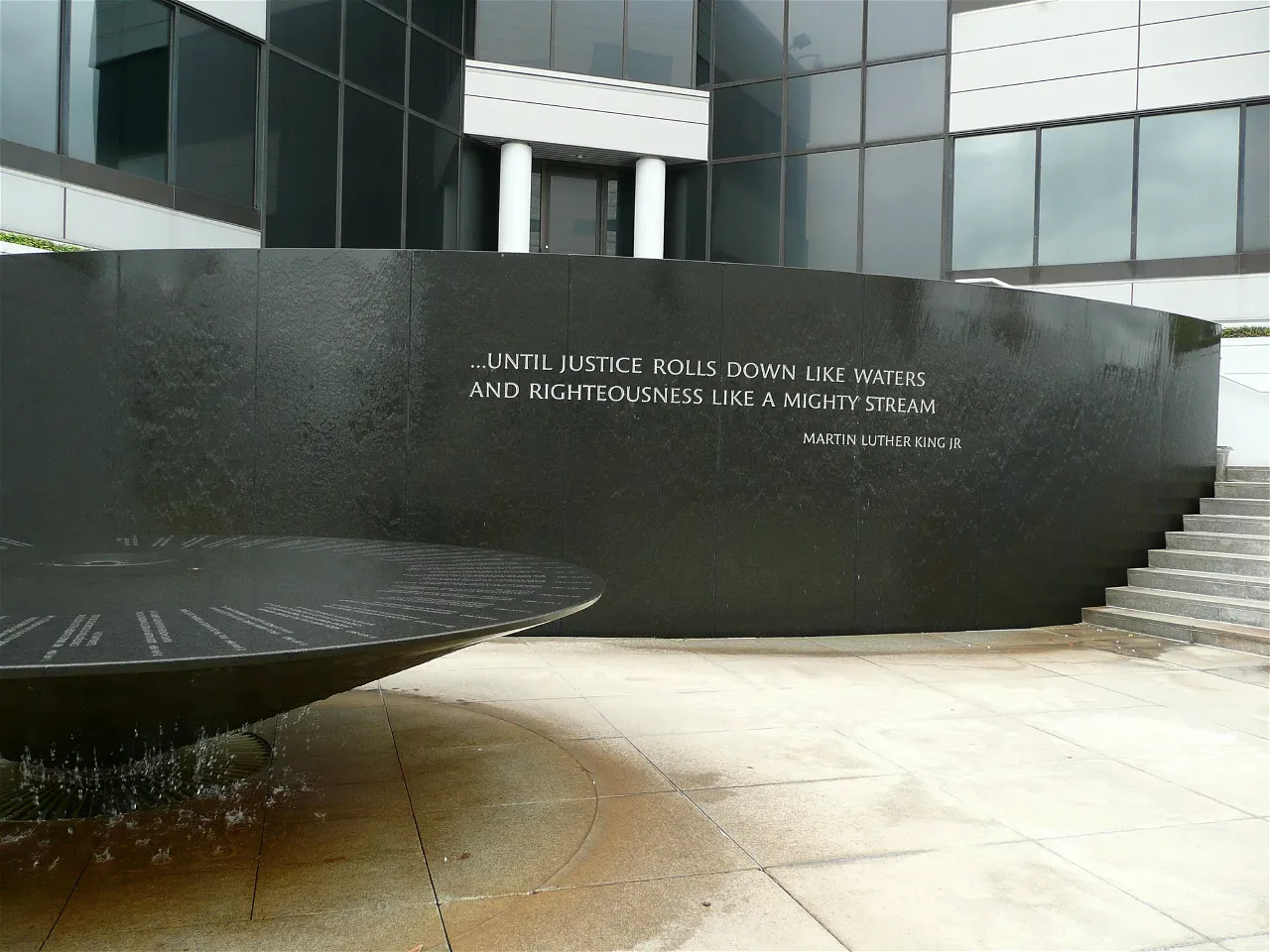
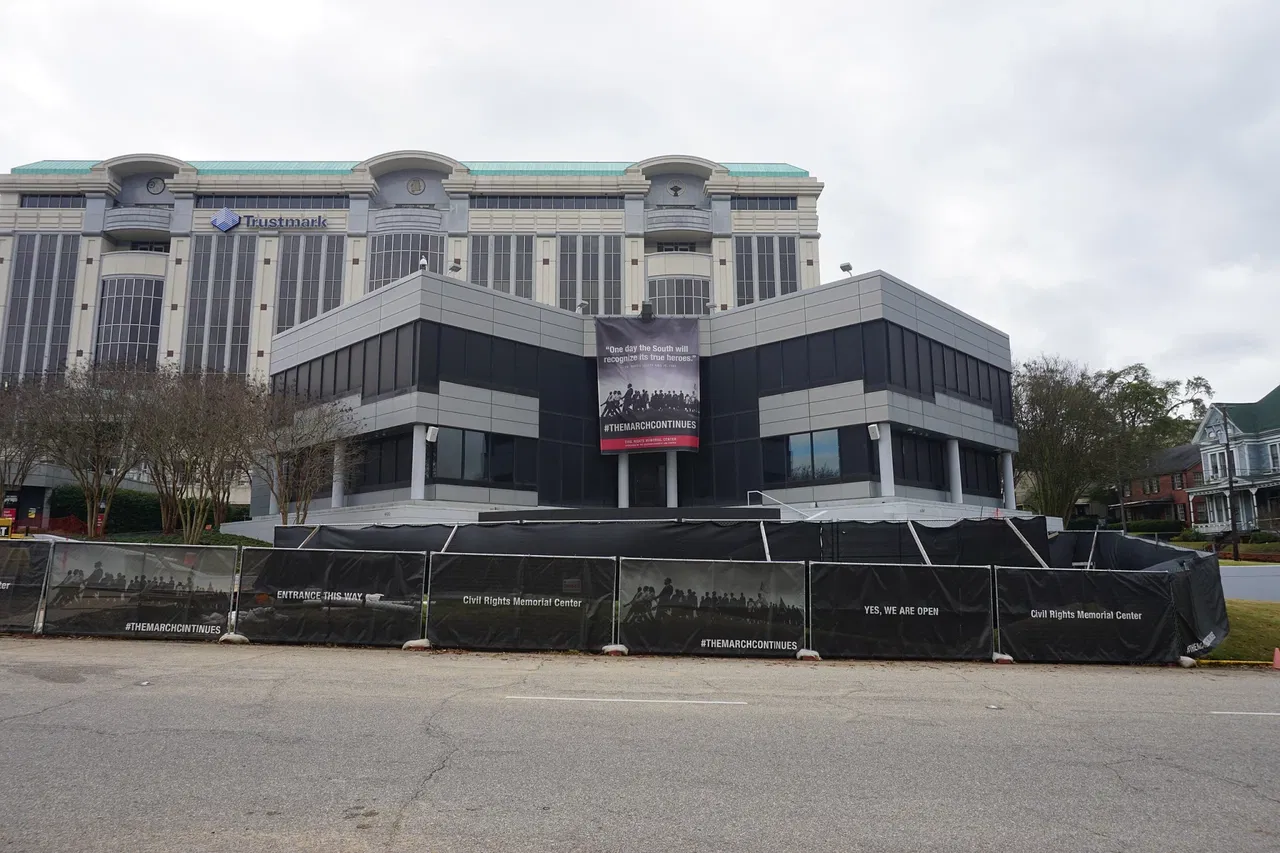
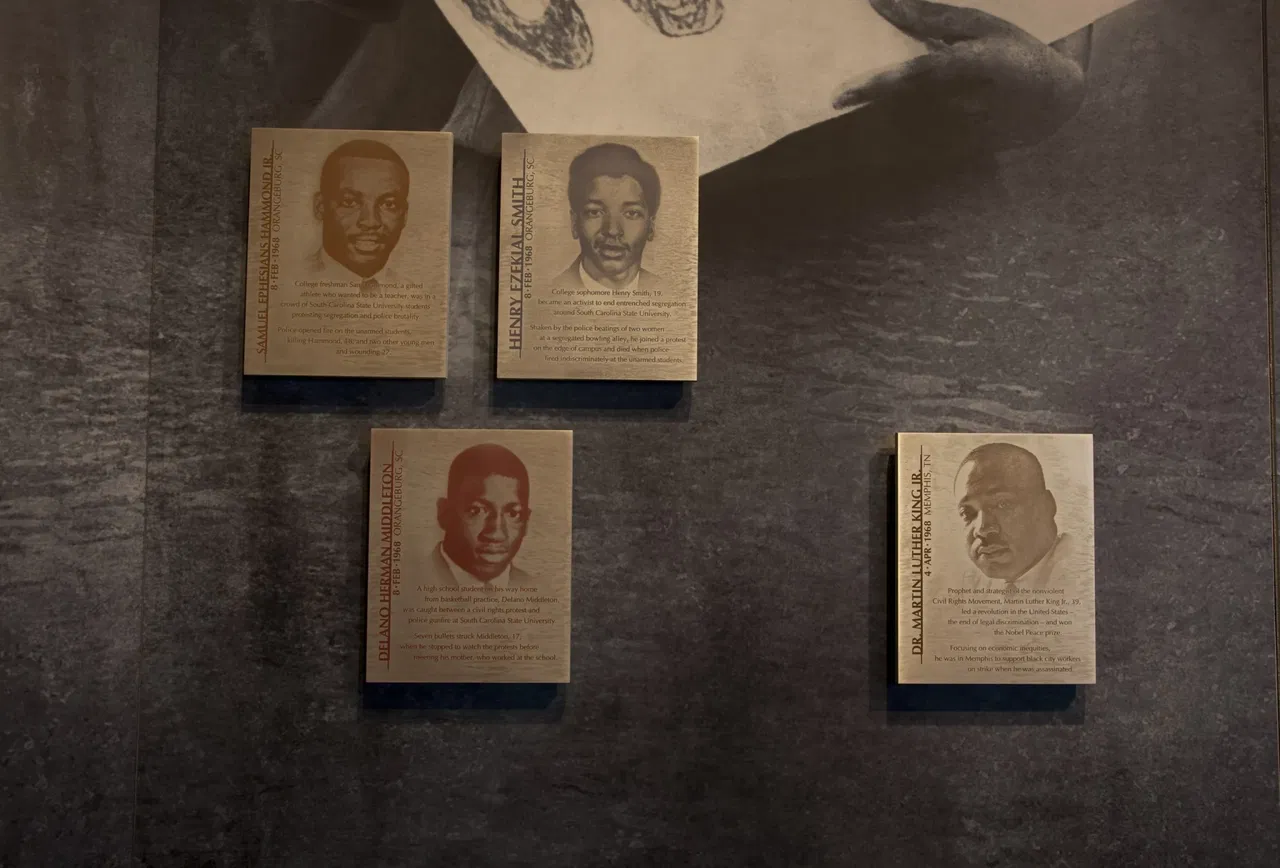
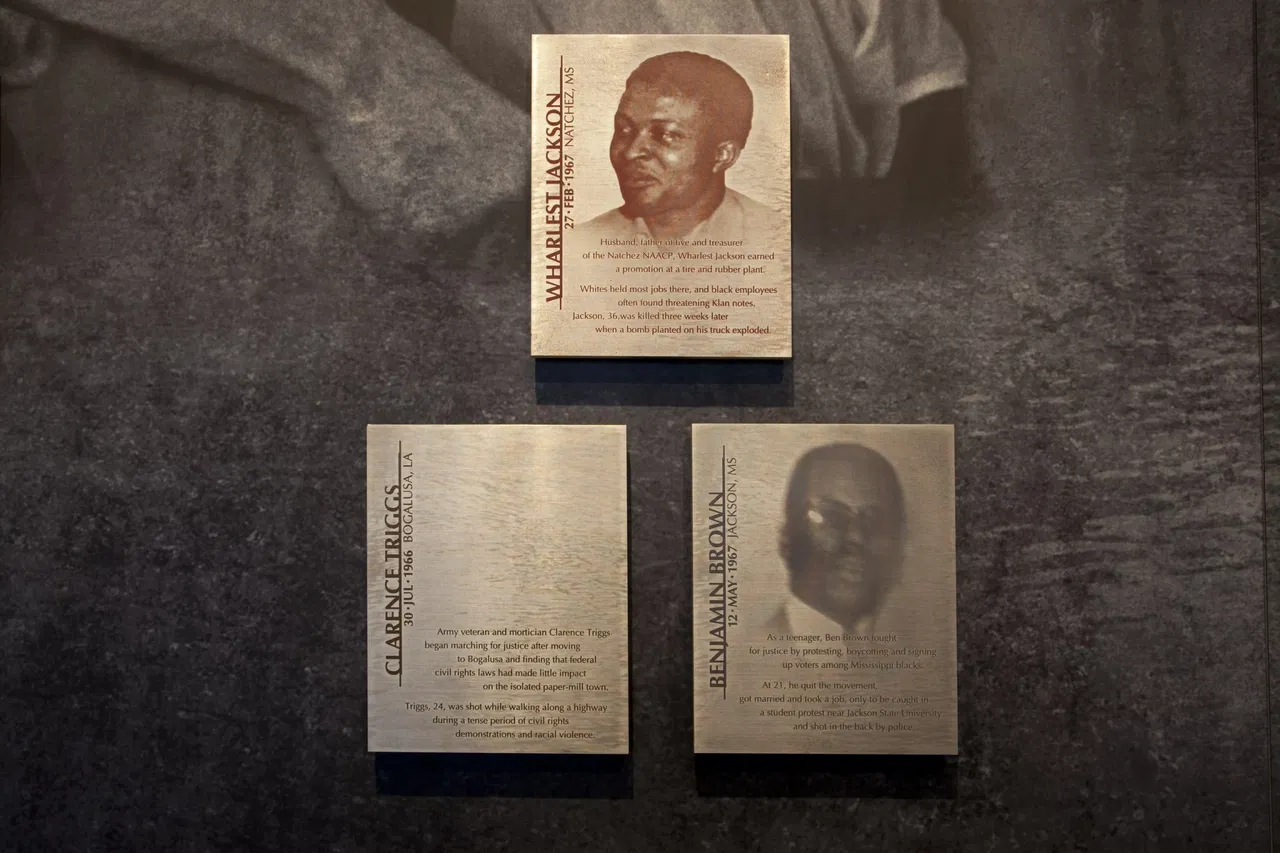
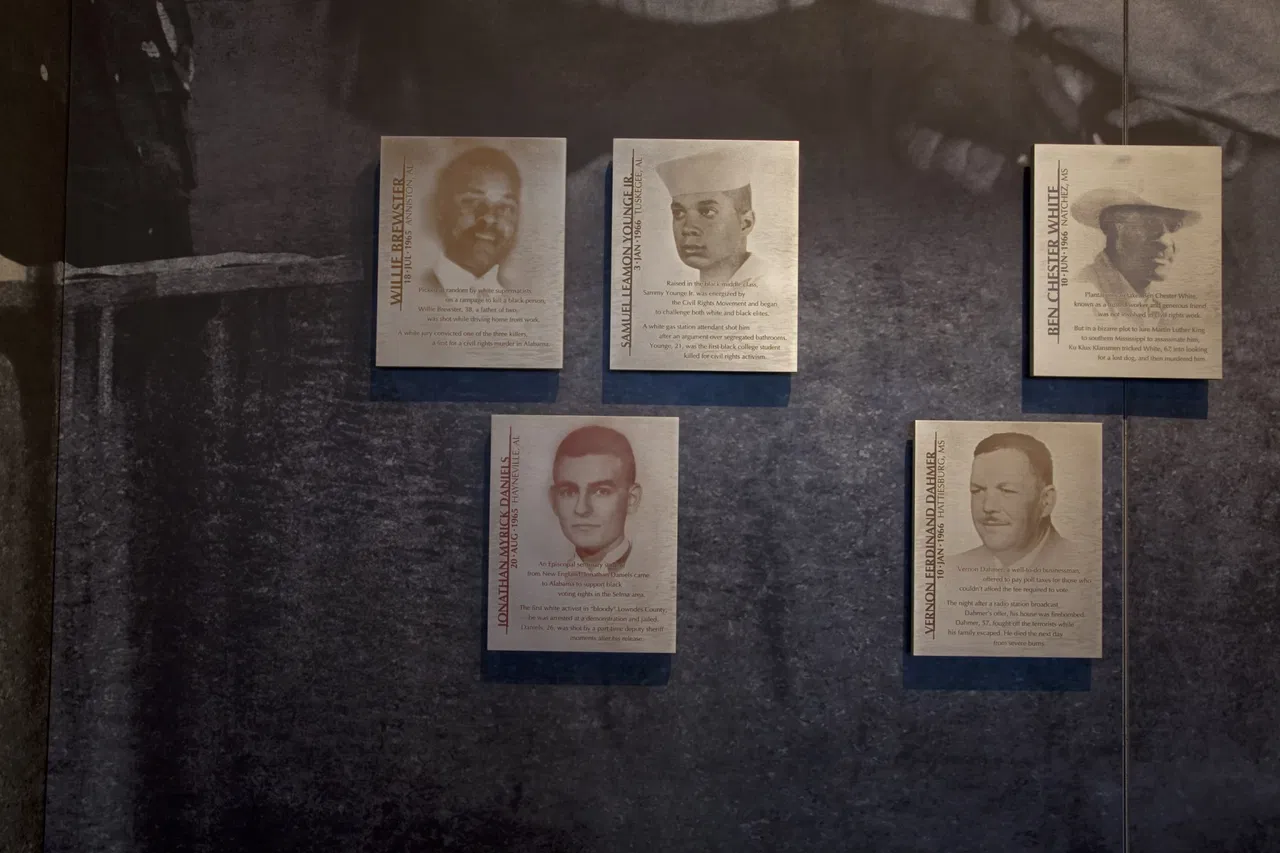
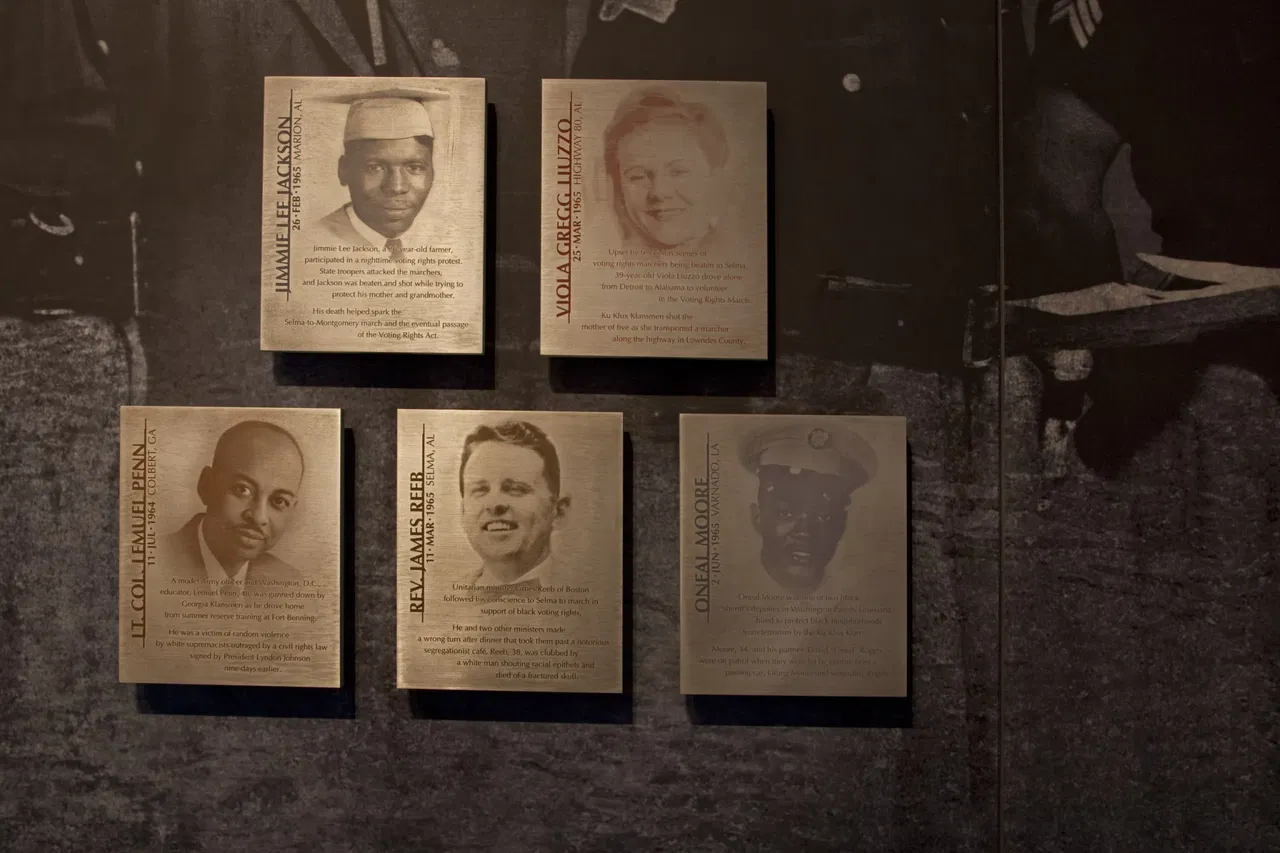
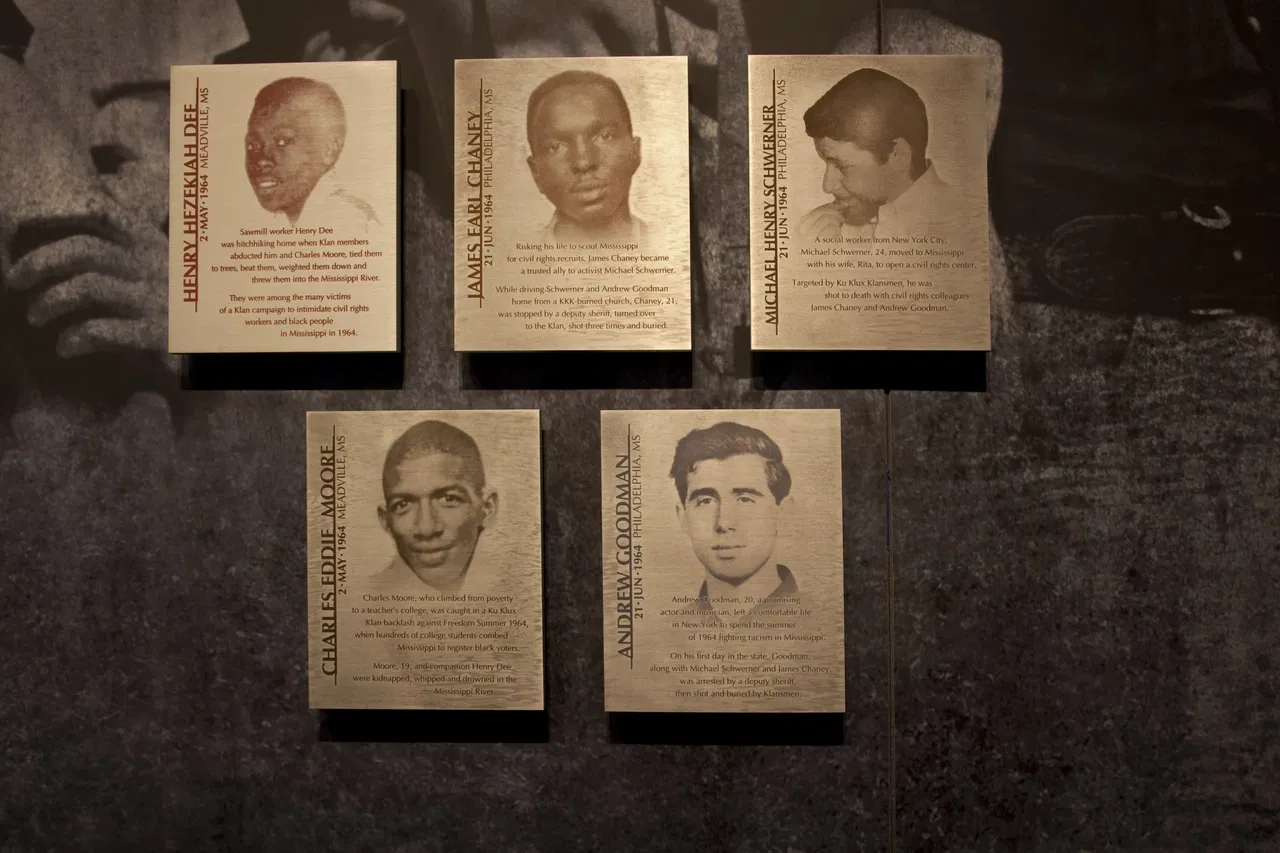
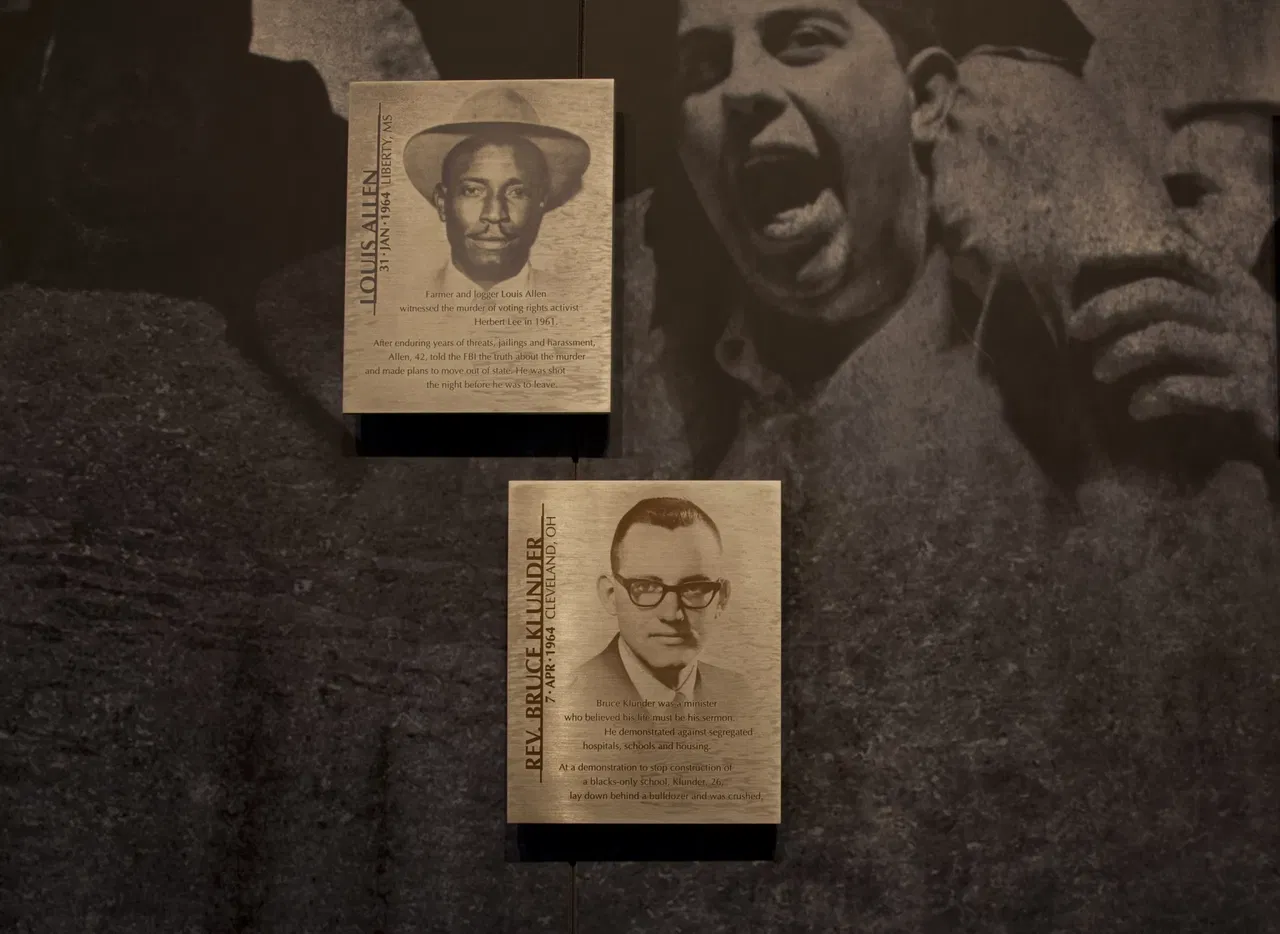
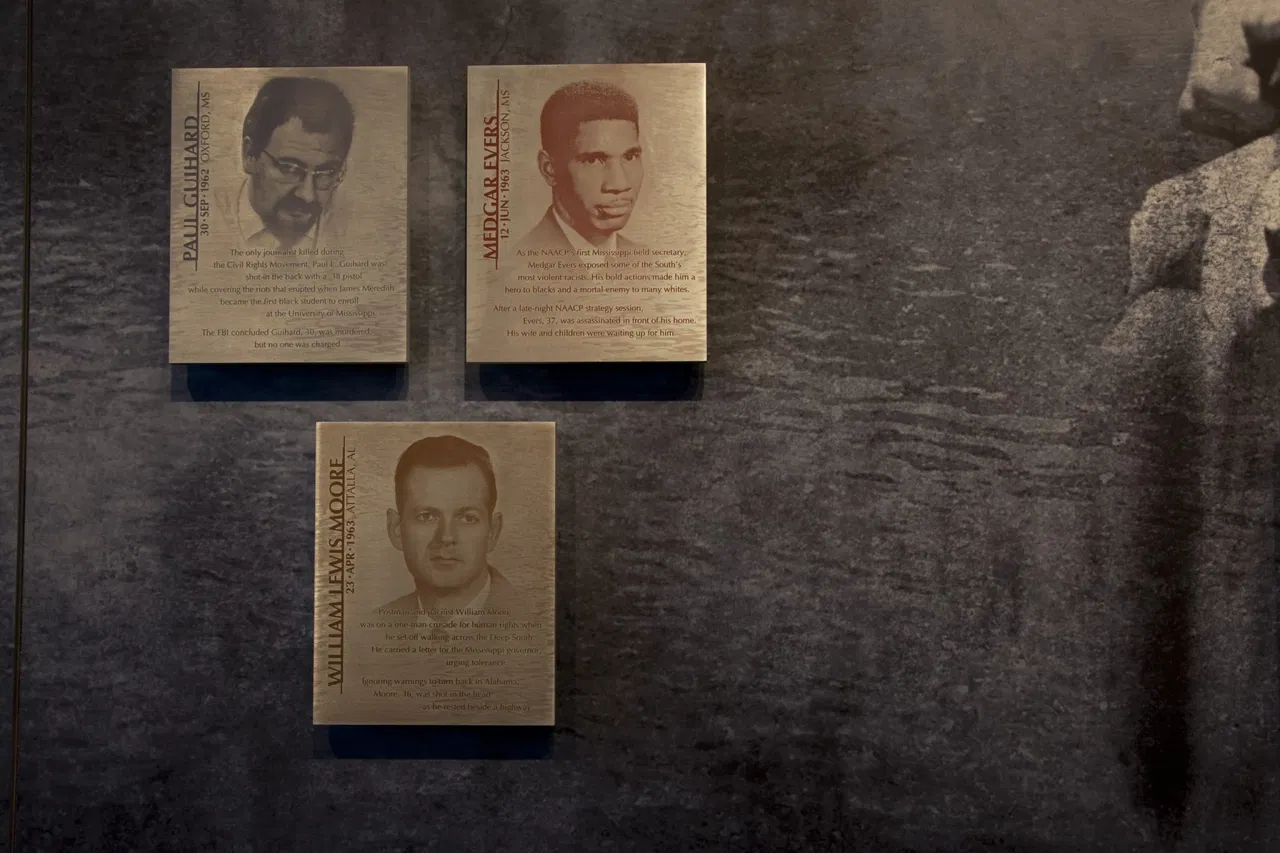
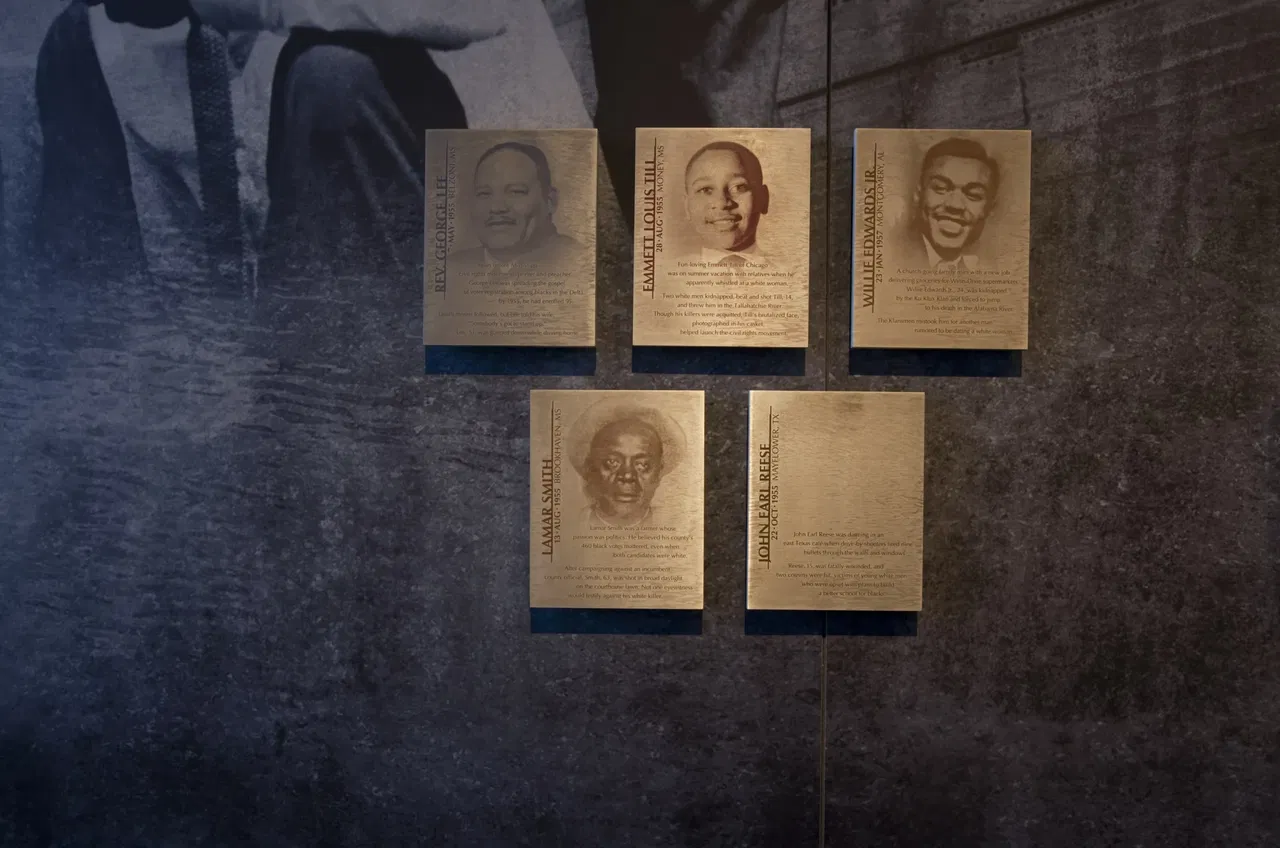
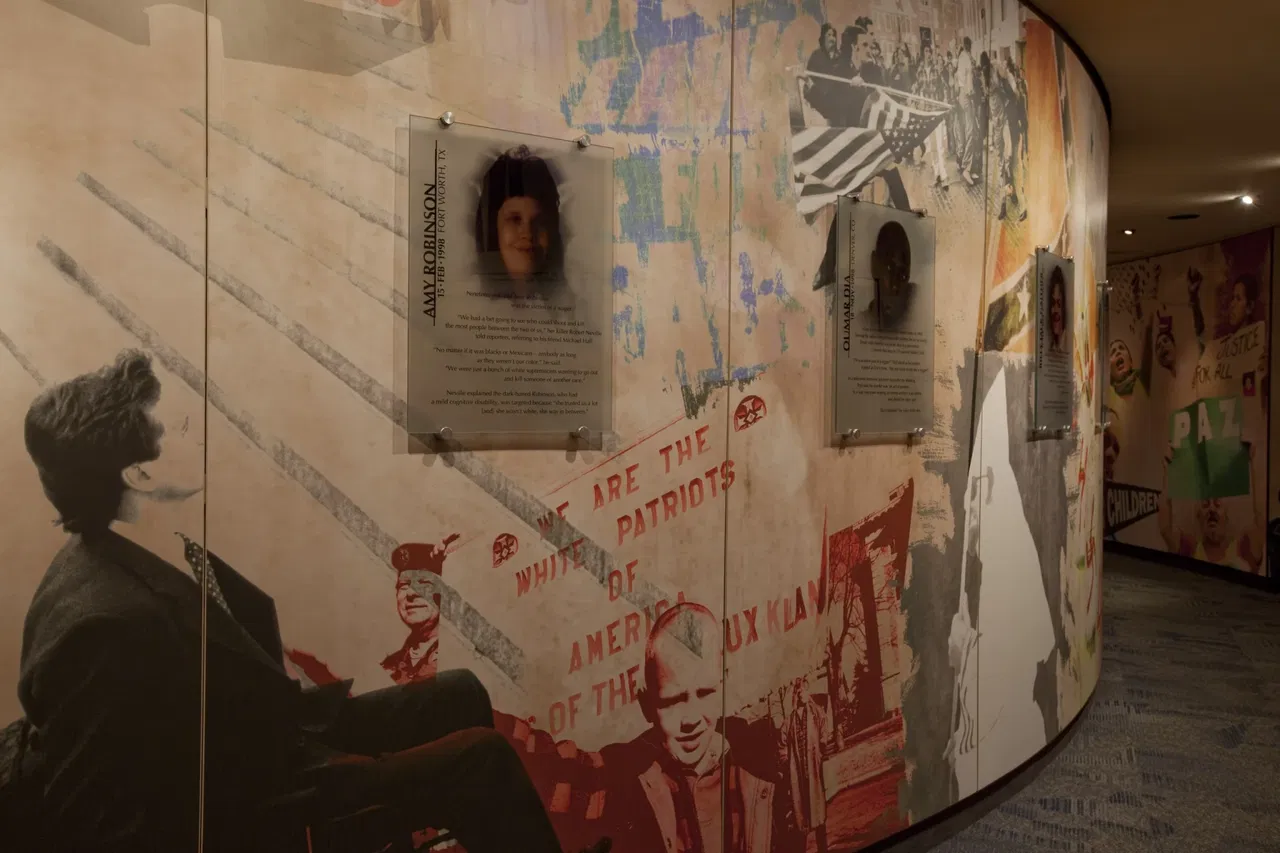
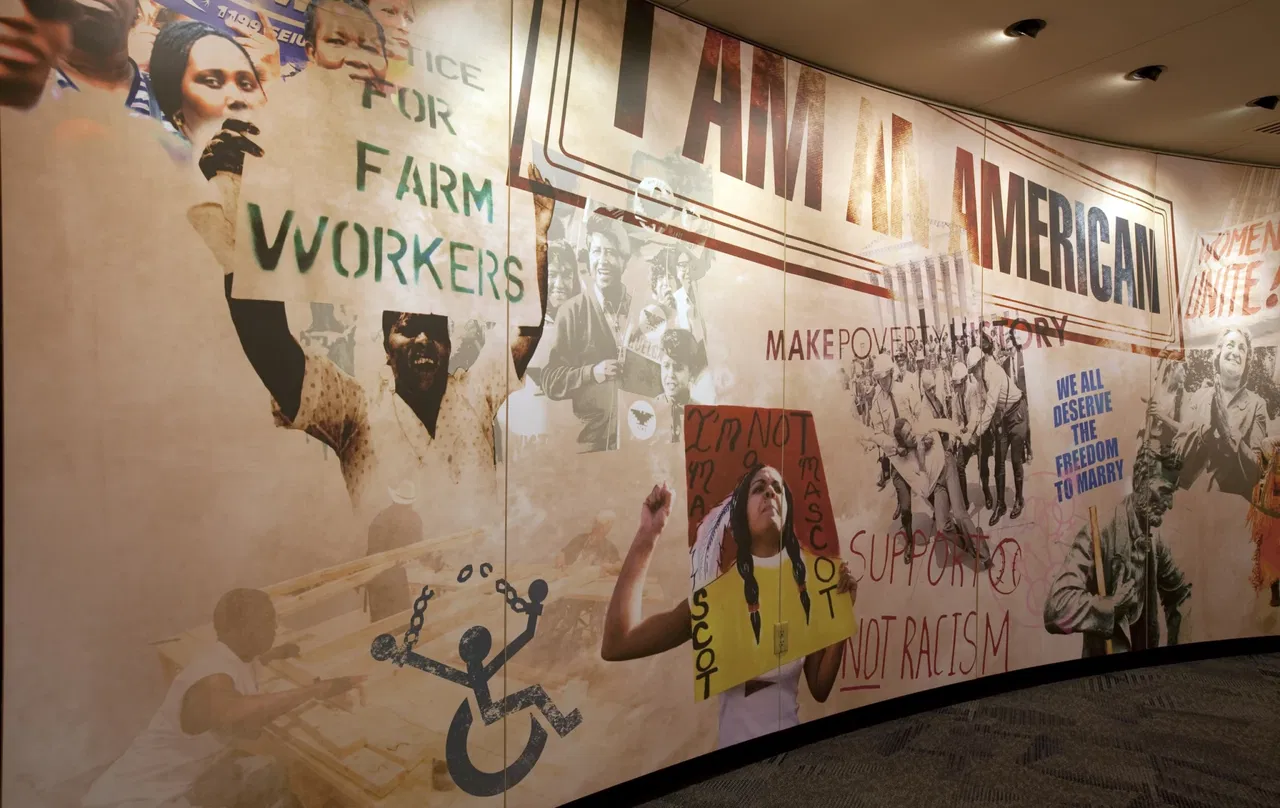
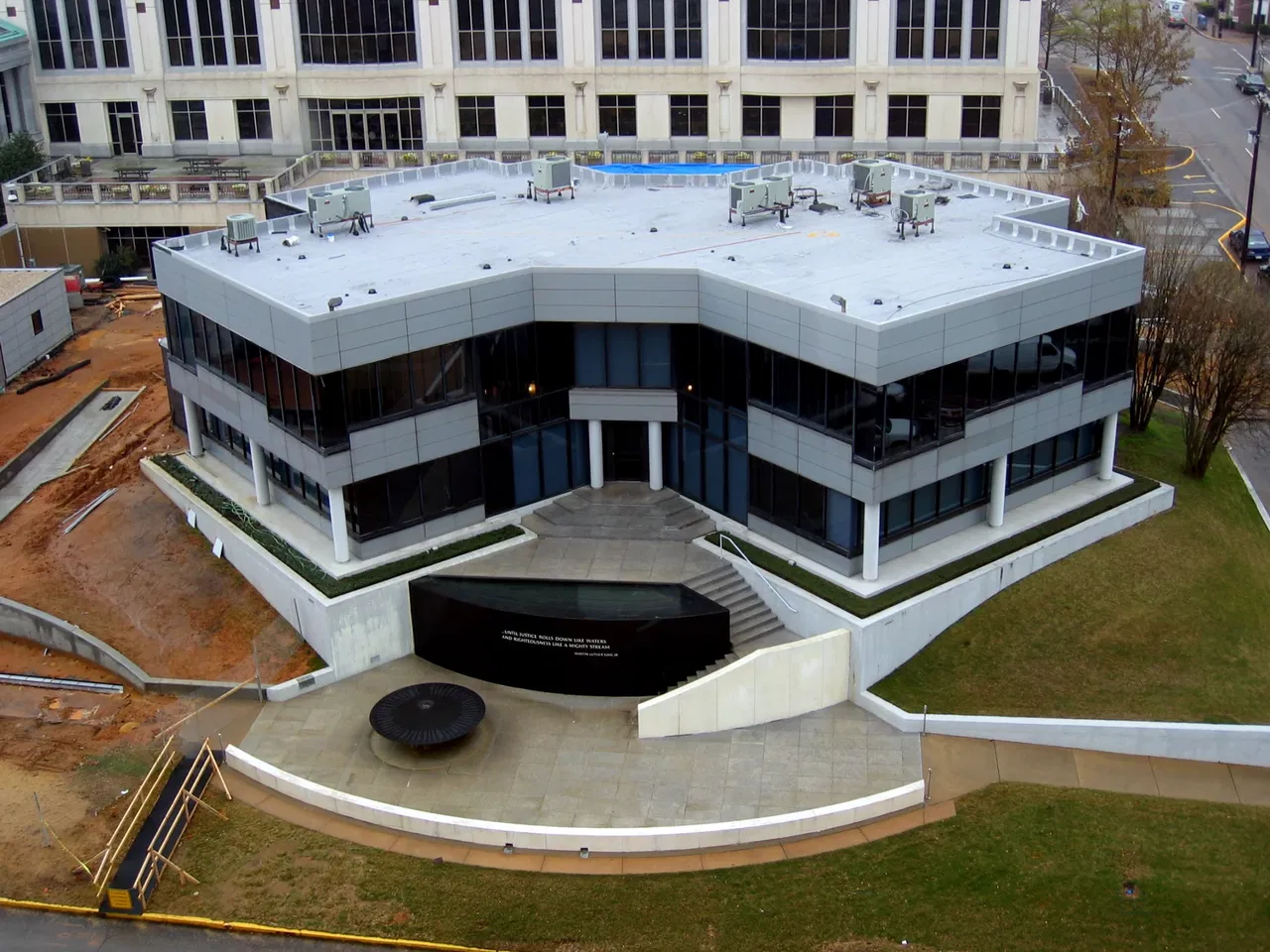
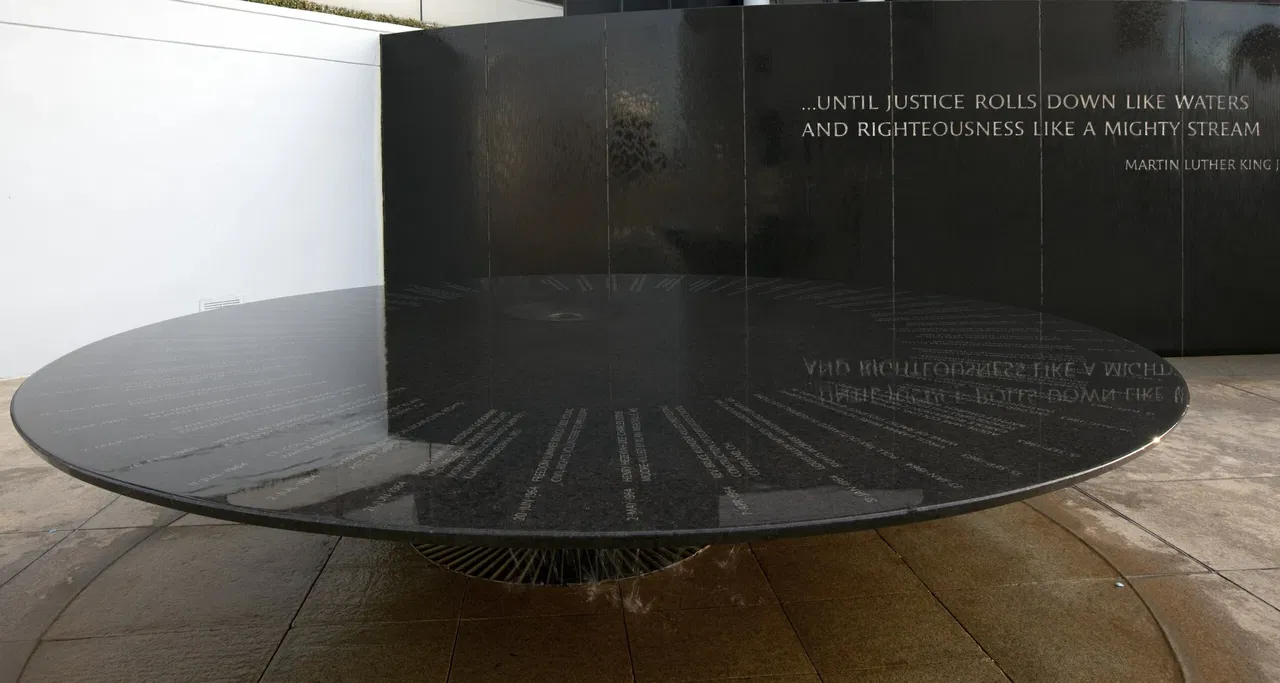
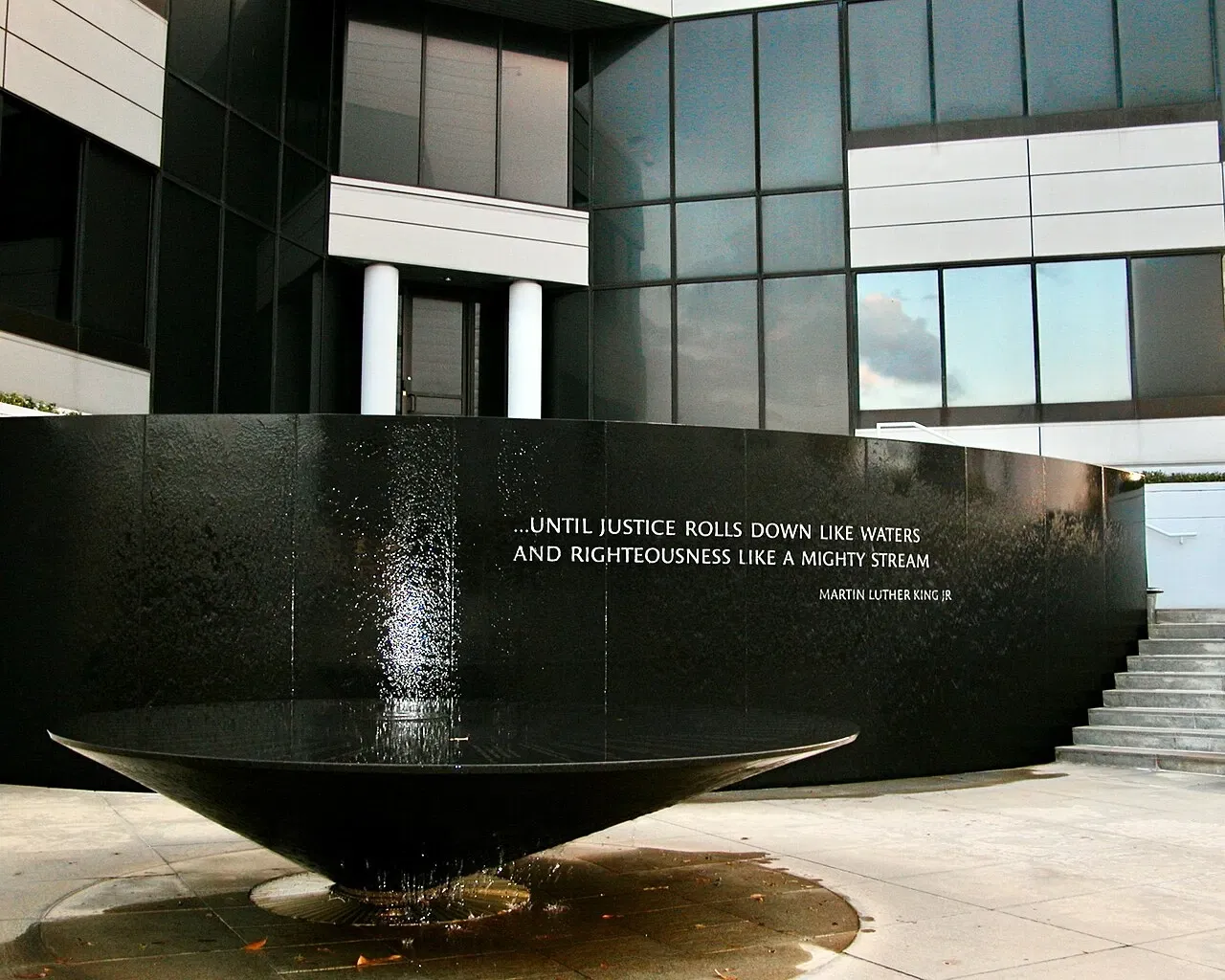

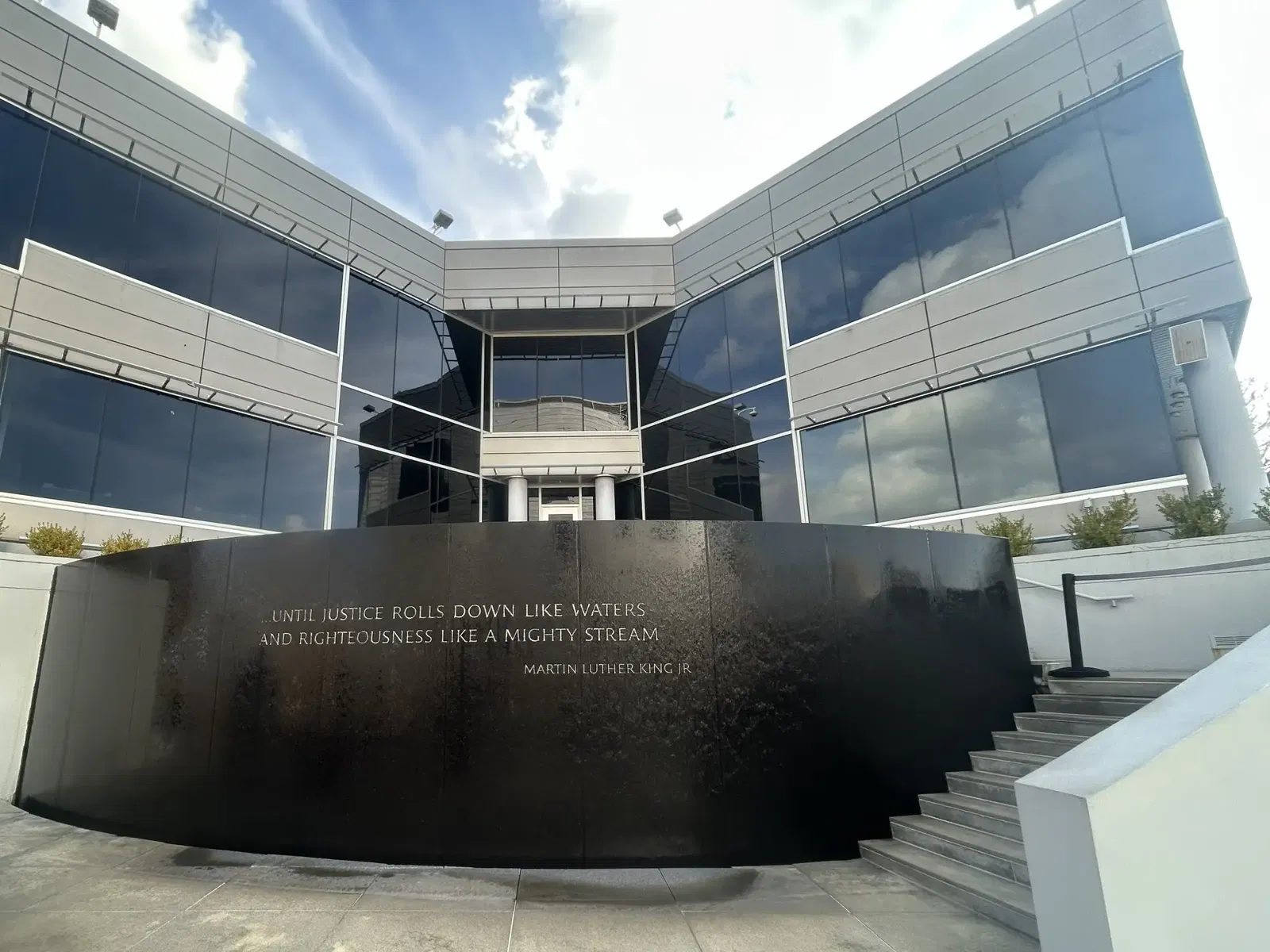
The Civil Rights Memorial, located in Montgomery, Alabama, is a significant monument in American history. Created by Maya Lin, the memorial features the names of 41 individuals inscribed on a granite fountain. These individuals are recognized as martyrs who lost their lives during the civil rights movement.
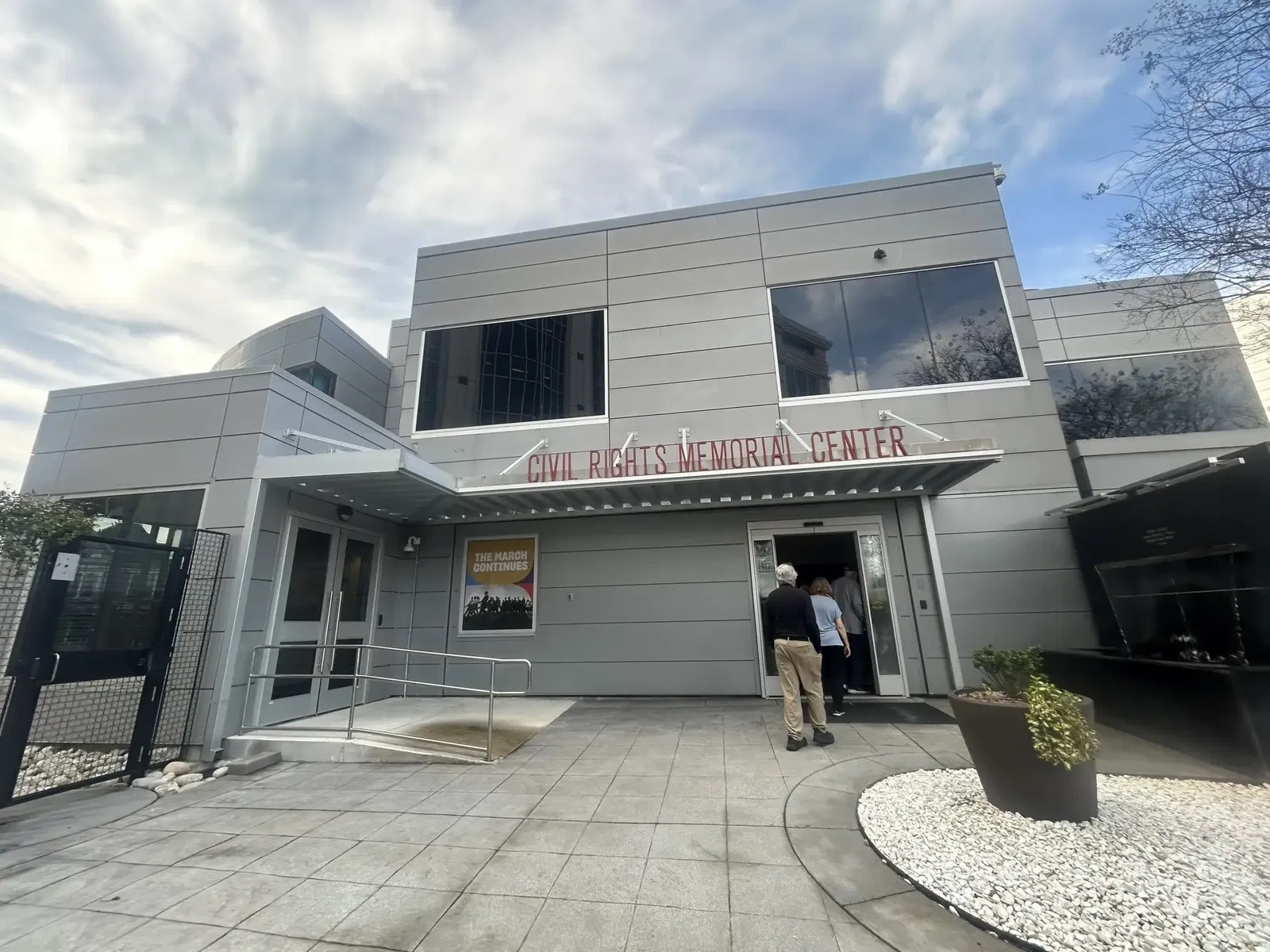
The Civil Rights Memorial is situated in downtown Montgomery, at 400 Washington Avenue. It is located in an open plaza in front of the Civil Rights Memorial Center. The memorial is open to the public and can be visited freely 24 hours a day, 7 days a week.
The Civil Rights Memorial Center provides guided group tours that last approximately one hour. These tours are available by appointment from Monday to Saturday.
The Civil Rights Memorial is conveniently located just a few blocks away from other historic sites. These include the Dexter Avenue King Memorial Baptist Church, the Alabama State Capitol, the Alabama Department of Archives and History, and the Rosa Parks Library and Museum.
History & Anthropology Historic house Person & Artist Religion
Washington Ave 400, Montgomery
No exhibitions in Civil Rights Memorial have been found.
Civil Rights Memorial has 2 ratings.
The Civil Rights Memorial in Montgomery, Alabama, is a powerful and moving tribute to the American Civil Rights Movement. Located near the Southern Poverty Law Center, this outdoor memorial designed by Maya Lin offers visitors a somber and reflective experience.
The centerpiece of the memorial is a circular black granite table engraved with the names of civil rights martyrs and key events from the movement, with water flowing over its surface. This design encourages visitors to touch the names and reflect on the sacrifices made for equality.
Many visitors find the memorial to be a profound and emotional experience, praising its simplicity and effectiveness in conveying the importance of the civil rights struggle. The adjacent interpretive center provides additional context and educational materials, enhancing the overall experience.
Some visitors note that while the memorial itself is relatively small, its impact is significant. A few mention that the experience can be brief, potentially lasting only 15-30 minutes, which might disappoint those expecting a more extensive exhibit.
Overall, the Civil Rights Memorial is highly regarded for its educational value, emotional resonance, and its role in preserving and honoring the memory of those who fought for civil rights. It serves as an important landmark for those interested in American history and social justice.

We visited the Civil Rights Memorial Center in Montgomery, AL on Jan 7, 2026 as part of Road Scholar's "The Civil Rights Movement - Atlanta, Montgomery, Selma, Birmingham" program. As the name indicates, it's a memorial and not a true museum. Tickets were covered by our program. We spent less than an hour here, in part because we got two other similarly small museums to visit in our day's itinerary.
At the entrance of the Center is a security screening. We were directed to line up in rows. The security guard was friendly. He nicknamed me "Big T" since my name started with "T". I replied, "I wish I was big." To which he went, "Me too," and we both laughed. Row by row, we went up to the counter to surrender our personal items prior to the screening. The guard allowed me to keep my belt on even though the buckle is metal. Then each of us went through the screening. No issues encountered. We were then joined by a museum guide.
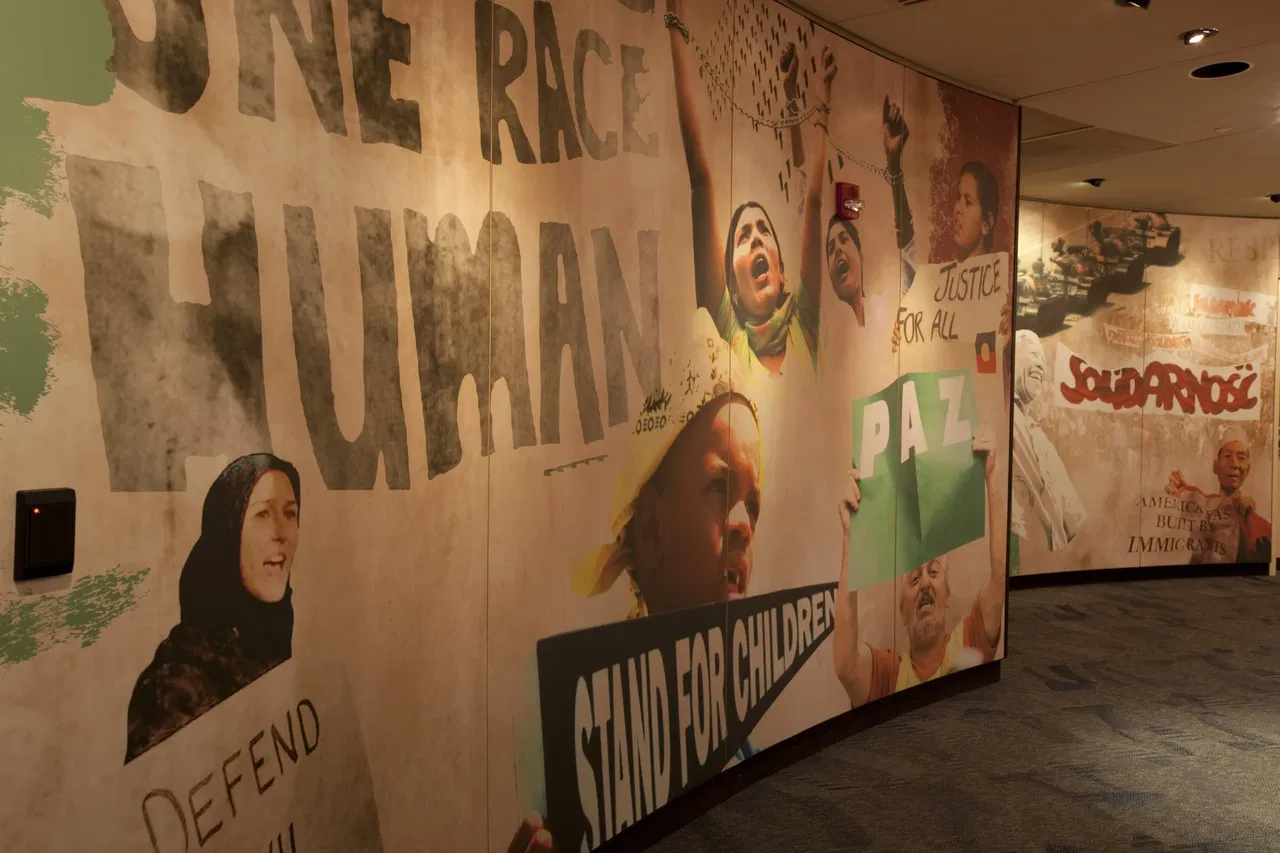
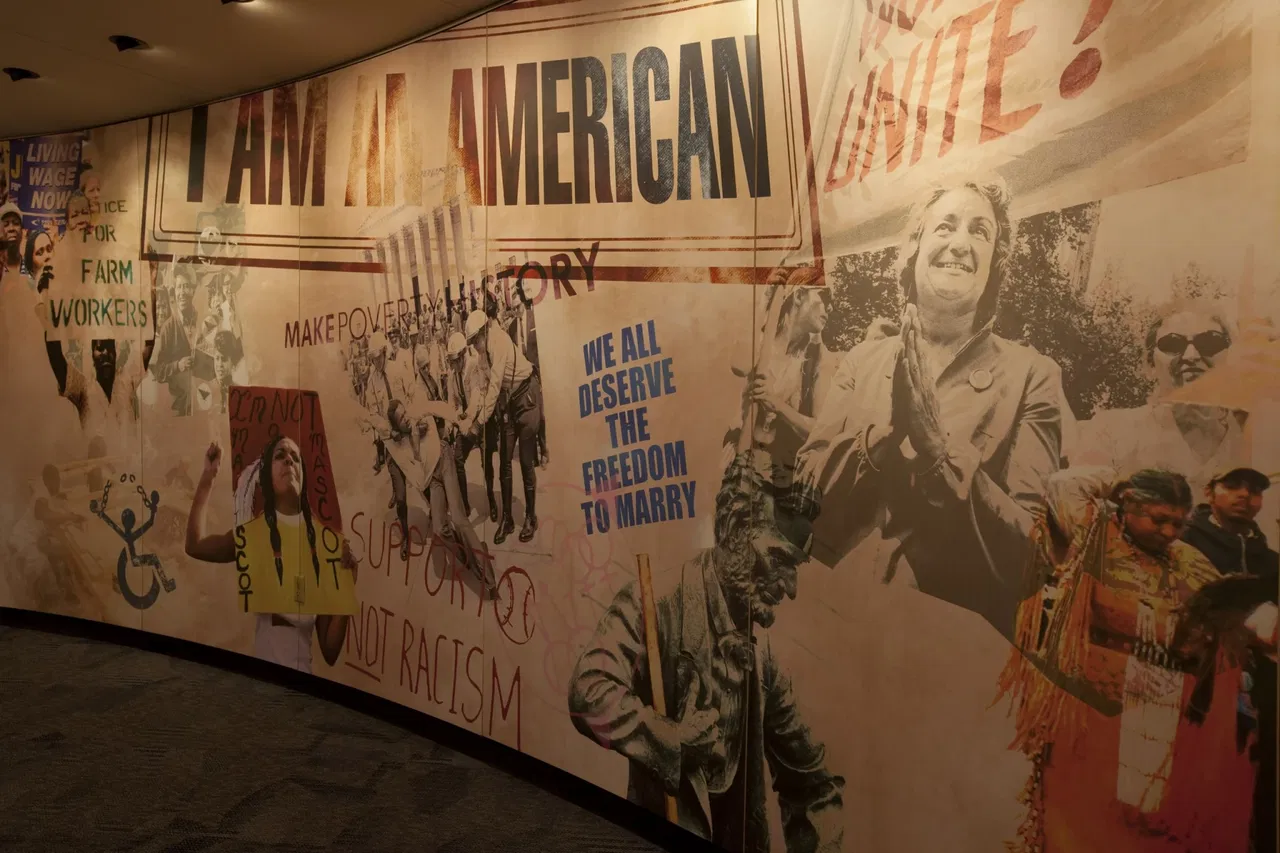
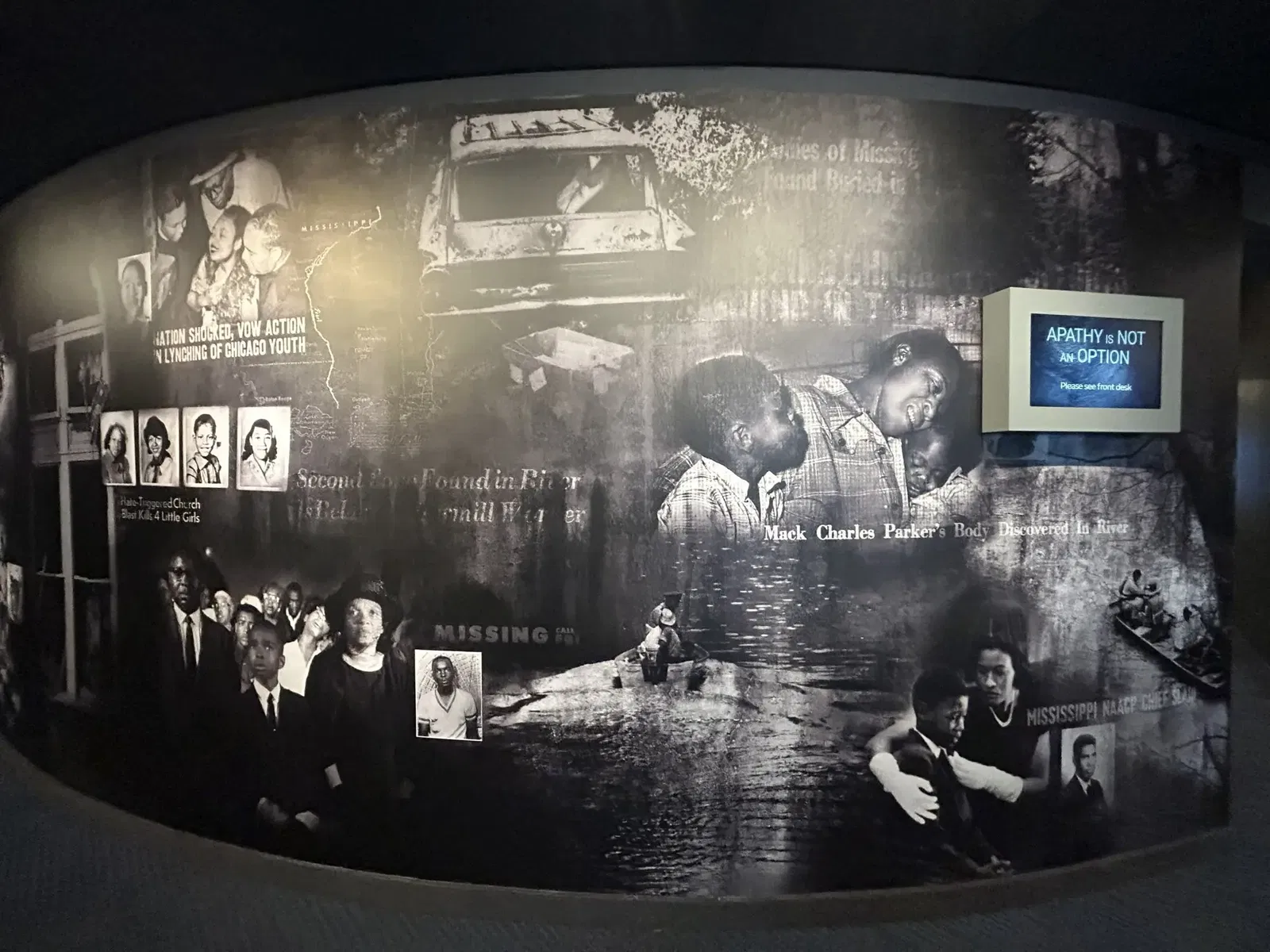
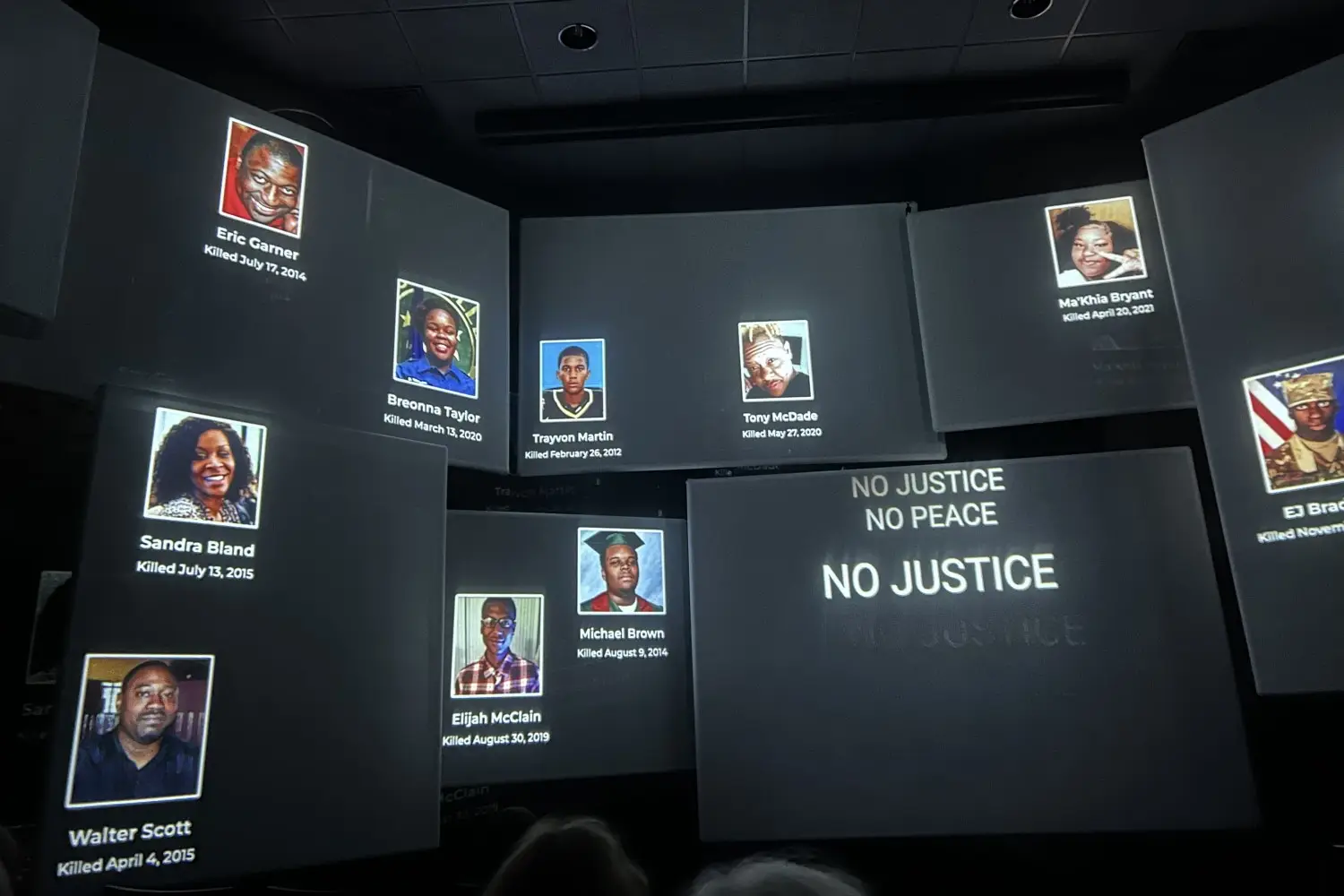
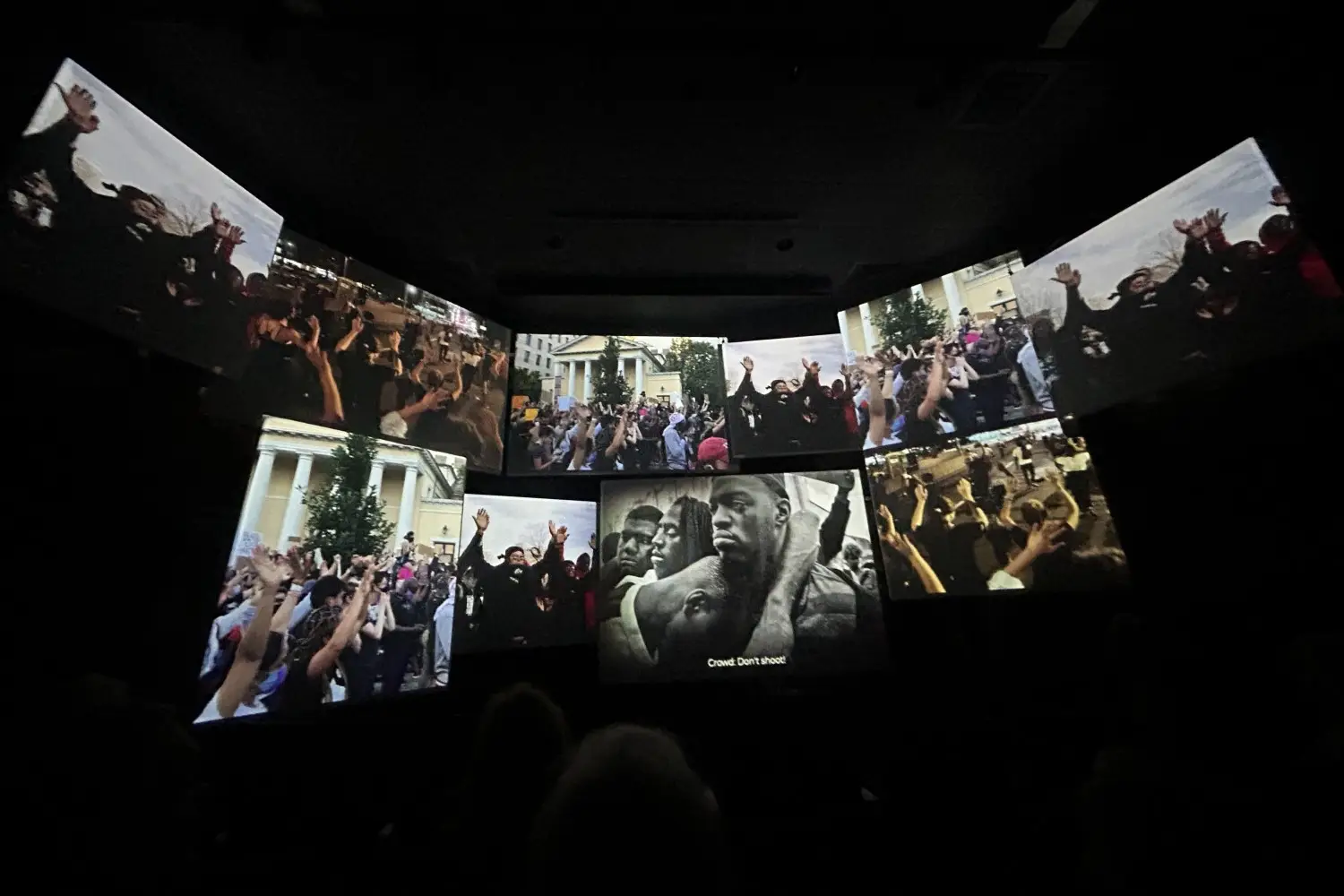
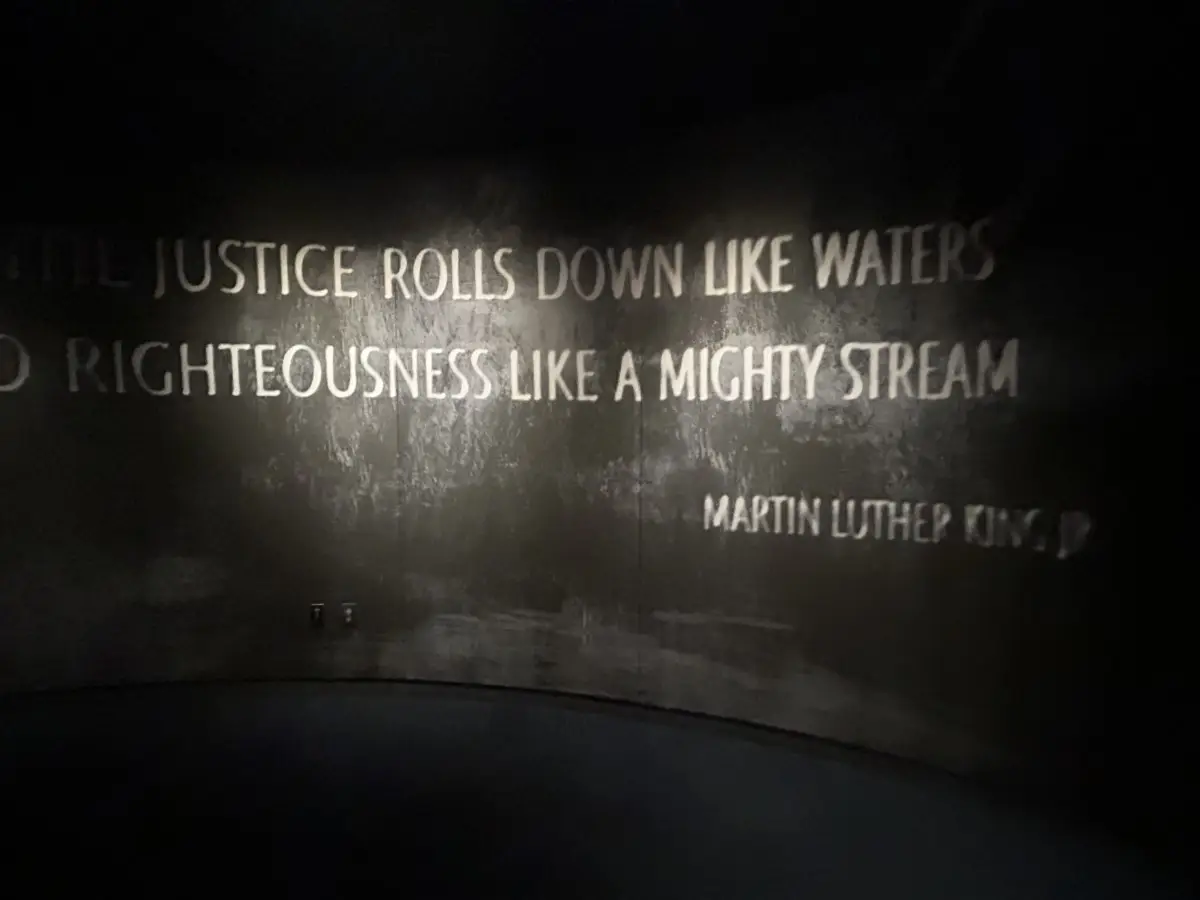
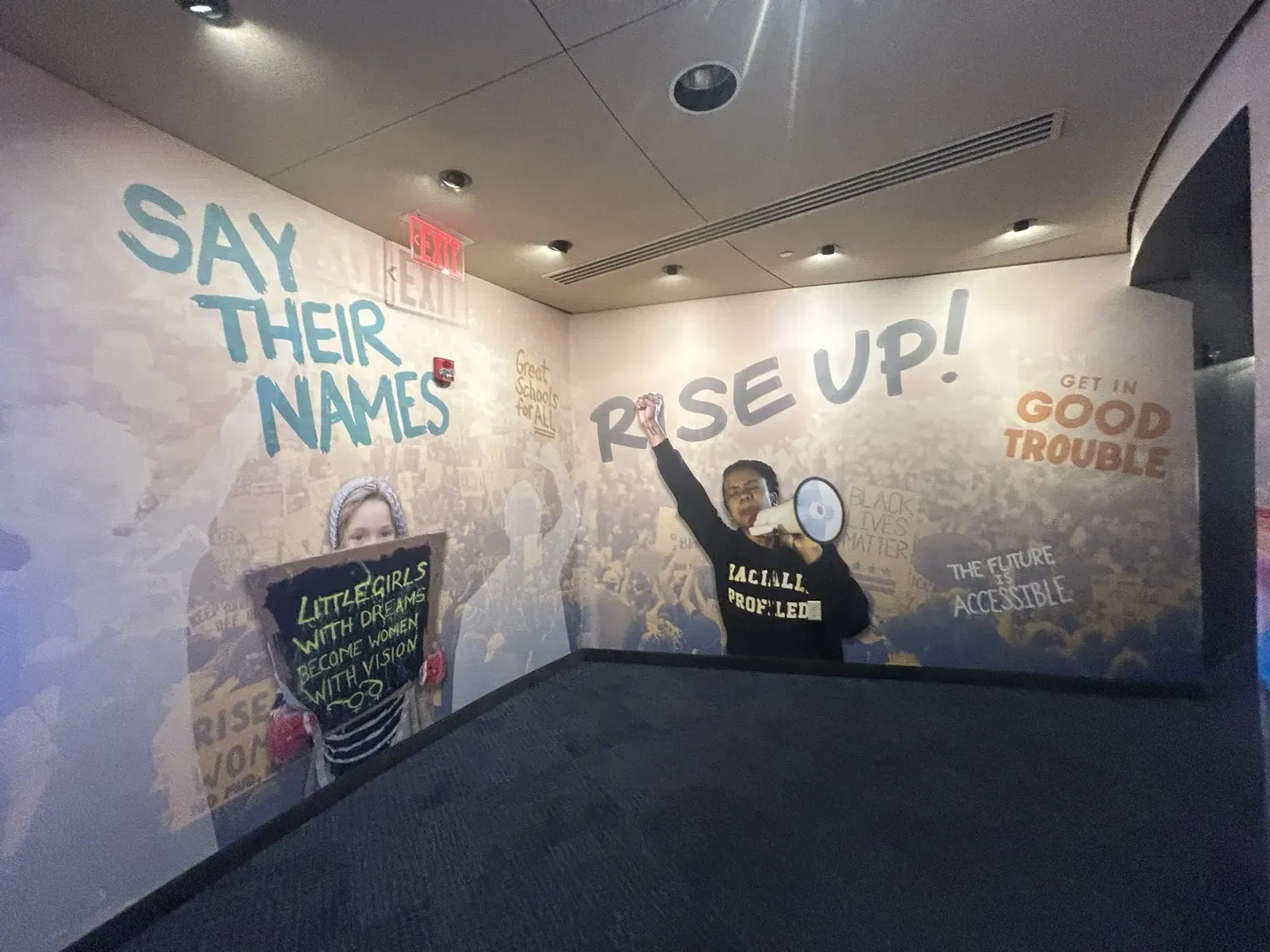
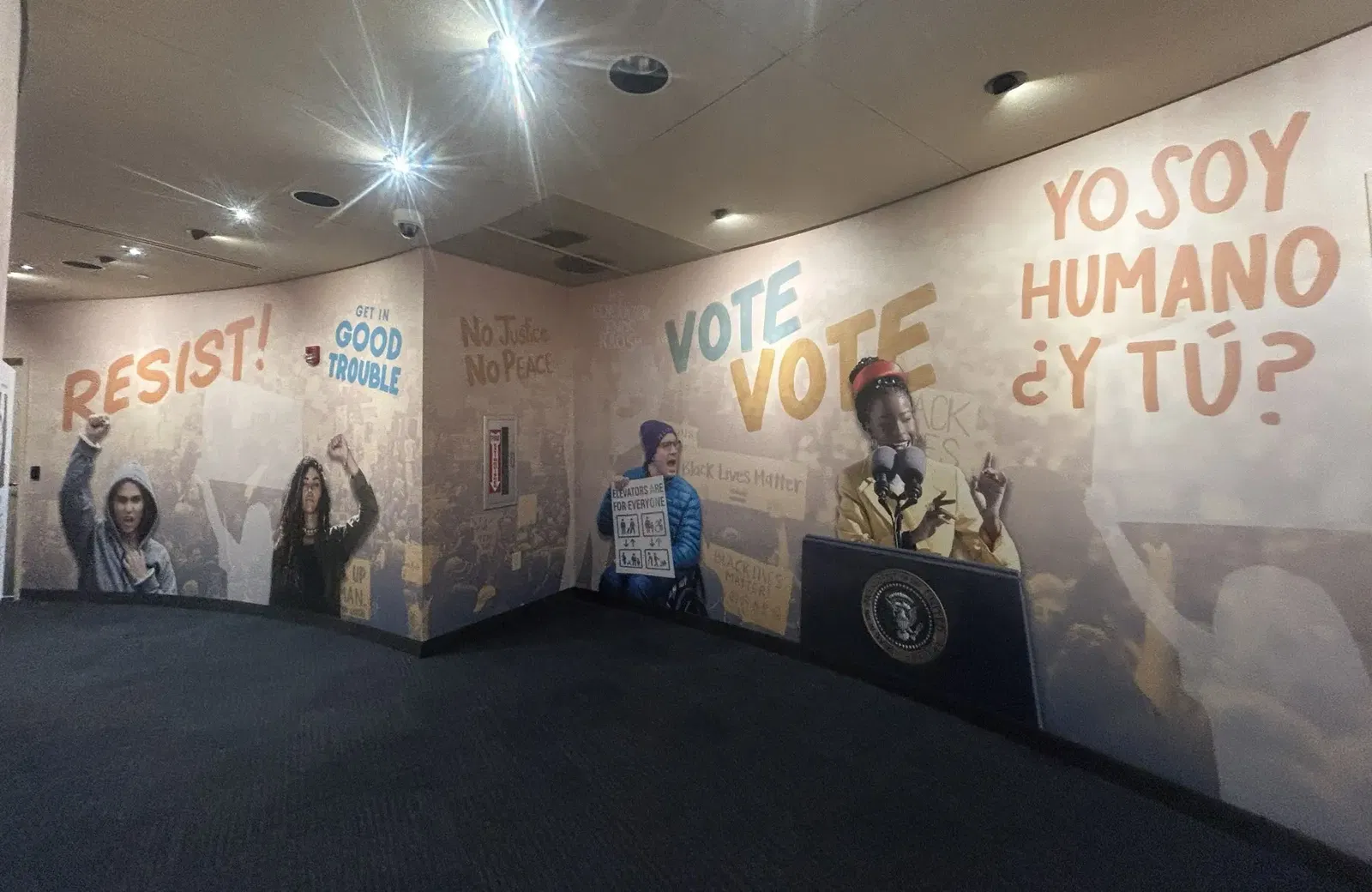
The first section is the Martyr Room, dedicated to the 40 that were killed during the Civil Rights Movement. Collage of photos and individual profiles positioned at eye level filled every wall. There is a console in the middle of the room for visitors to learn more. A short while later, we were led to the Orientation Theater where we watched a short film called "Apathy is not an Option". It started with a highlight reel of the Movement and connects it to contemporary events of social justice. After that, we continued on to "The March Continues", a hallway of murals depicting contemporary social justice. The end of the hallway leads the "Wall of Justice" room. On one wall is a large, wide screen with names of people involved in civil rights through the ages, set to a photo of - presumably - the Selma March. By the opposite wall are inscribed quotations from historical figures, including one from Robert Kennedy (Sr.) during a trip in Cape Town, South Africa in 1966.
The best was saved for last. We arrived at the Memorial table to see water literally flowing down onto its surface where the names of the 40 are etched. The artwork is indeed magnificent. Footage is in the video "Day 4 & Day 5: Civil Rights Memorial Center, Legacy Plaza, Legacy Museum" on my YouTube channel, in playlist "2026-1: The Civil Rights Movement - Atlanta, Montgomery, Selma, Birmingham".
If it was up to me, I'd spend a few minutes more in the Martyr Room. It has the most content of all the sections. Overall, the Civil Rights Memorial Center is a good, albeit modest-sized center. It is worth the visit if done in conjunction with the Rosa Parks Museum and the Freedom Rides Museum, both of which are within walking distance.
Visited on 7 Jan 2026
This rating is based on the rating of this museum on several other platforms.
Discover museums near Civil Rights Memorial in or around Montgomery.