
The supersonic Concorde flew faster than the speed of sound, crossing the Atlantic in just over three hours. Today, these magnificent aircraft rest in museums worldwide, waiting to share their story.
The Concorde represented the pinnacle of commercial aviation, a sleek symbol of speed and luxury that connected continents at twice the speed of sound. When the fleet retired in 2003, these engineering marvels found permanent homes in museums across the globe.
Today, aviation enthusiasts can walk beneath delta wings, peer into cramped cockpits, and sometimes even step aboard these legendary aircraft. Each museum offers a unique perspective on the Concorde's story.
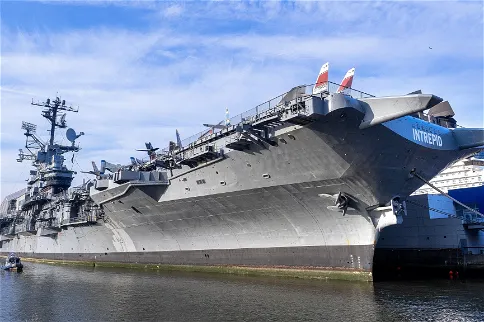
1. Intrepid Sea, Air & Space Museum
British Airways Concorde Alpha Delta sits proudly on the flight deck of this floating museum, one of the fastest Concordes ever built. Visitors can board the aircraft and experience the surprisingly narrow cabin where passengers once sipped champagne while flying at Mach 2.
The museum offers a compelling contrast between the sleek supersonic jet and the massive aircraft carrier it rests upon. Interactive exhibits explain the physics of supersonic flight and the Concorde's groundbreaking technology, making this one of the most accessible Concorde experiences in North America.
2. National Museum of Flight
Golf-Bravo-Oscar-Alpha-Alpha, better known as G-BOAA, holds the distinction of being the first British Airways Concorde to enter commercial service. This aircraft sits in a purpose-built hangar where visitors can walk underneath and truly appreciate its distinctive delta wing design.
The museum provides extensive context about Concorde's Scottish connections, including components manufactured in Scotland. Visitors can explore the aircraft's interior and learn about the unique challenges of supersonic passenger transport through detailed exhibitions that bring the golden age of aviation to life.

3. Museum of Flight
Air France's Concorde F-BVFA makes its home in Seattle, representing the French side of this Anglo-French collaboration. This particular aircraft logged over 17,000 flight hours before retirement, making it one of the most-flown Concordes in existence.
The museum's outdoor display allows visitors to photograph the aircraft from multiple angles against the Pacific Northwest sky. Detailed placards explain the differences between British Airways and Air France Concordes, while the museum's larger collection provides context about the evolution of flight from the Wright Brothers to supersonic travel.

4. Le Musée de l'Air et de l'Espace
Two Concordes grace this legendary airfield where the aircraft first captured the world's imagination at the 1969 Paris Air Show. Both a prototype and a commercial Air France Concorde are displayed, allowing visitors to see the evolution of the design.
As the birthplace of Concorde's public debut, this location offers unmatched historical significance. The museum's dedicated Concorde hall includes the original cockpit mockups used for pilot training, actual components from the manufacturing process, and the opportunity to board one of the aircraft to experience the surprisingly intimate passenger cabin.

5. Brooklands Museum
G-BBDG, the last British Airways Concorde to ever fly, completed its final journey to Brooklands in November 2003. This aircraft is displayed in a specially designed facility where visitors can board and explore the cabin, cockpit, and even the baggage hold.
The museum's location is particularly poignant as Brooklands was where British aviation and automotive innovation flourished for decades. Interactive exhibits allow visitors to sit in the captain's seat and experience a simulated Concorde takeoff, while the surrounding displays chronicle the British aerospace industry's contribution to this supersonic achievement.

6. Aerospace Bristol
Bristol's Concorde Alpha Foxtrot holds special significance as the last Concorde built and the last to fly. The museum was purpose-built around this aircraft, with a stunning exhibition hall that showcases the Concorde as the centerpiece of Bristol's aerospace heritage.
Visitors can board the aircraft and explore the flight deck where test pilots once pushed the boundaries of commercial aviation. The museum brilliantly contextualizes Concorde within Bristol's broader aerospace story, from early engine manufacturing to modern space technology, making it essential viewing for anyone interested in British engineering excellence.
7. Auto & Technik Museum Sinsheim
In a stunning display of engineering ambition, an Air France Concorde sits nose-to-nose with a Soviet Tupolev Tu-144 on the museum's rooftop. Both aircraft are accessible, allowing visitors to compare the only two supersonic passenger jets ever to enter commercial service.
This unique pairing offers insights into Cold War aviation rivalry and different approaches to the same technological challenge. Visitors can climb stairs to board both aircraft, experiencing the contrasts between Western and Soviet design philosophies while enjoying panoramic views of the surrounding countryside from the rooftop installation.

8. Imperial War Museum Duxford
British Airways Concorde G-AXDN, the youngest pre-production Concorde, resides in the AirSpace hangar alongside an impressive collection of historic aircraft. This particular Concorde was used extensively for testing and development before entering limited commercial service.
The working airfield setting adds atmosphere as modern aircraft take off and land in the background. The museum's interpretation focuses on Concorde's military significance and technological innovation during the Cold War era, offering a perspective distinct from purely commercial aviation narratives and highlighting the aircraft's role in British industrial history.

From Scotland to Seattle, these museums preserve the legacy of supersonic flight for future generations. Standing beside a Concorde, visitors can appreciate the ambition and engineering excellence that made transatlantic travel possible in under three hours.
Whether you're an aviation enthusiast or simply curious about this chapter of flight history, these museums offer unforgettable encounters with one of the most iconic aircraft ever built.


