
Mountain gorillas rank among Earth's most endangered species, and several exceptional museums have created immersive experiences that bring you face-to-face with these gentle giants.
While observing mountain gorillas in their natural habitats requires travel to remote African highlands, museums around the world offer accessible encounters with these critically endangered primates.
Through lifelike dioramas, interactive exhibits, and educational programming, these institutions illuminate the biology, behavior, and conservation challenges facing mountain gorillas.
Whether you're planning a future trek to see them in the wild or simply want to understand why these creatures capture our imagination, these five museums provide windows into the mountain gorilla's world.
1. American Museum of Natural History
The Hall of African Mammals features one of the most famous gorilla displays in museum history. The centerpiece diorama showcases a family group of mountain gorillas in their Virunga habitat, created from specimens collected during the 1920s Carl Akeley expeditions.
Akeley's revolutionary taxidermy techniques and artistic vision transformed how museums present wildlife, and this exhibit remains a powerful educational tool for understanding gorilla social structures and their fragile mountain ecosystem.
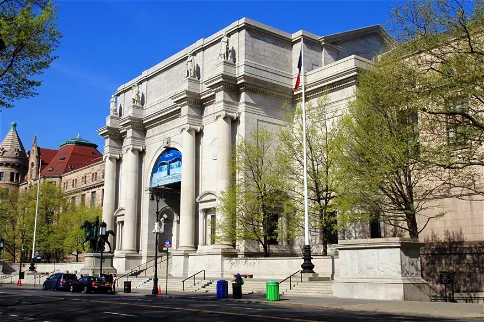
2. Natural History Museum
The museum's Human Evolution gallery explores our closest living relatives, with mountain gorillas featured prominently in discussions of primate evolution and conservation. Interactive displays allow visitors to compare their own size and strength to these powerful apes.
The museum regularly hosts special exhibitions and talks focused on great ape conservation, partnering with field researchers who work directly with mountain gorilla populations in Rwanda and Uganda to share the latest scientific discoveries.

3. Royal Belgian Institute of Natural Sciences
Given Belgium's colonial history in central Africa, this institution houses important collections related to the region's wildlife, including mountain gorilla specimens. The museum presents these within the context of conservation biology and the ongoing efforts to protect gorilla populations.
Educational programs emphasize the connection between European history and current conservation responsibilities, while exhibits detail the ecological importance of mountain gorillas as keystone species in their high-altitude forest habitats.

4. National Museum of Natural History
The Grande Galerie de l'Évolution features mountain gorillas within its spectacular parade of biodiversity, positioned to highlight the threats facing endangered species. The museum's approach combines historical specimens with cutting-edge multimedia presentations about current conservation efforts.
Visitors can explore detailed information about the gorilla's mountain habitat requirements, dietary needs, and complex social behaviors. The museum also maintains research partnerships with African conservation organizations working to ensure mountain gorilla survival for future generations.

5. Field Museum of Natural History
The Regenstein Hall of Africa includes powerful displays about mountain gorillas and the conservation challenges they face. The museum takes an ecosystem approach, showing how gorillas fit within the broader Albertine Rift biodiversity hotspot.
Through partnerships with gorilla researchers and conservation groups, the Field Museum presents up-to-date information about population numbers, threats from habitat loss and disease, and the ecotourism programs that provide economic incentives for local communities to protect these gentle giants.

These five institutions demonstrate that you don't need to trek into the Virunga Mountains to develop a deep appreciation for mountain gorillas. Through carefully curated exhibits, ongoing research partnerships, and educational programming, they bring these endangered primates into focus for millions of visitors annually.
Each museum approaches the subject differently, but all share a commitment to inspiring conservation action. By visiting these institutions, you support their mission while gaining insights that make these critically endangered apes feel less remote and more worth protecting.


