Images of National Museum of Abruzzo - MUNDA
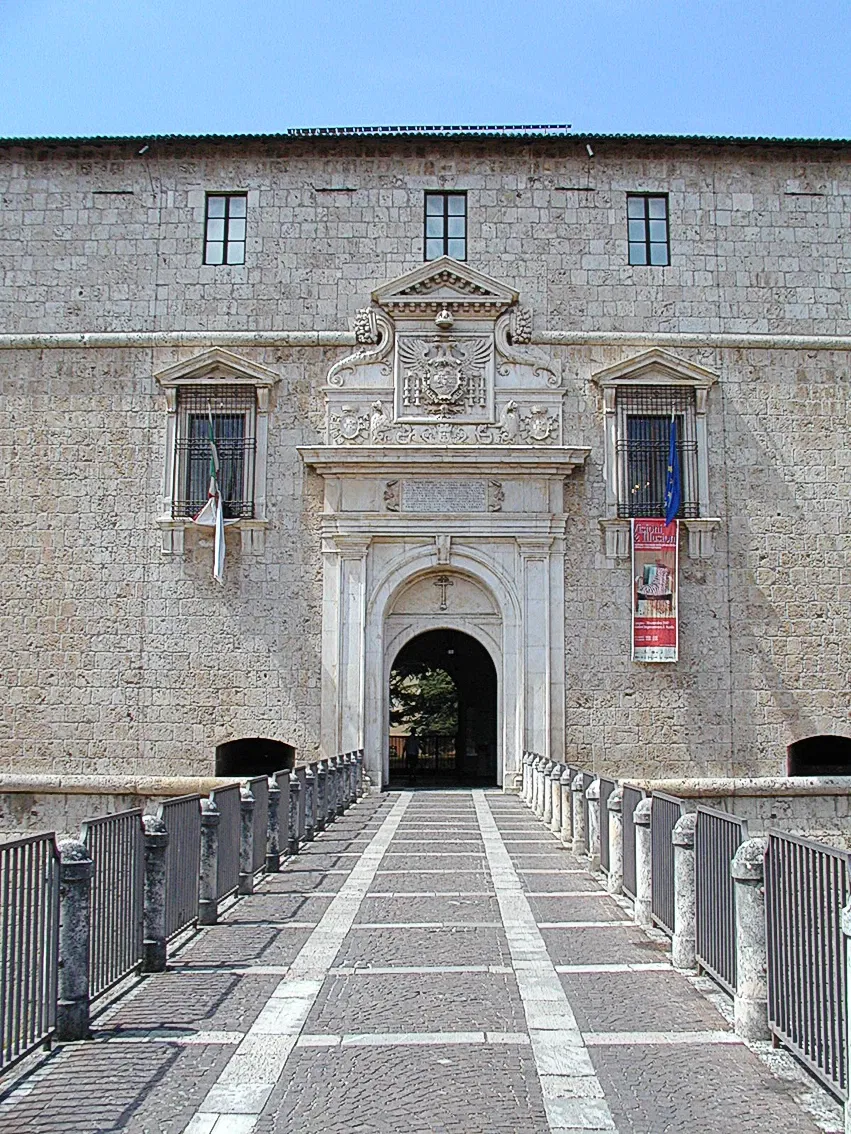
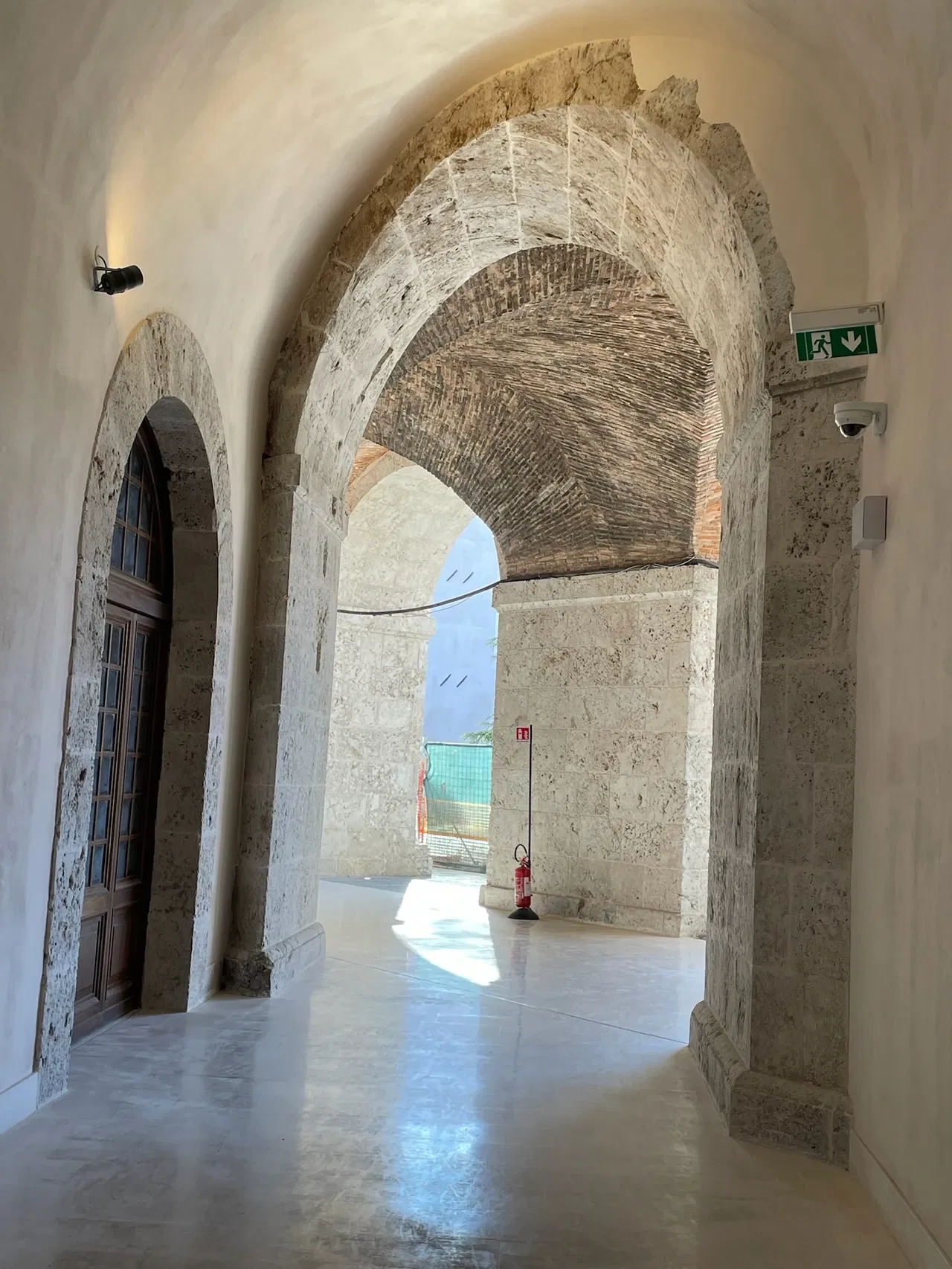
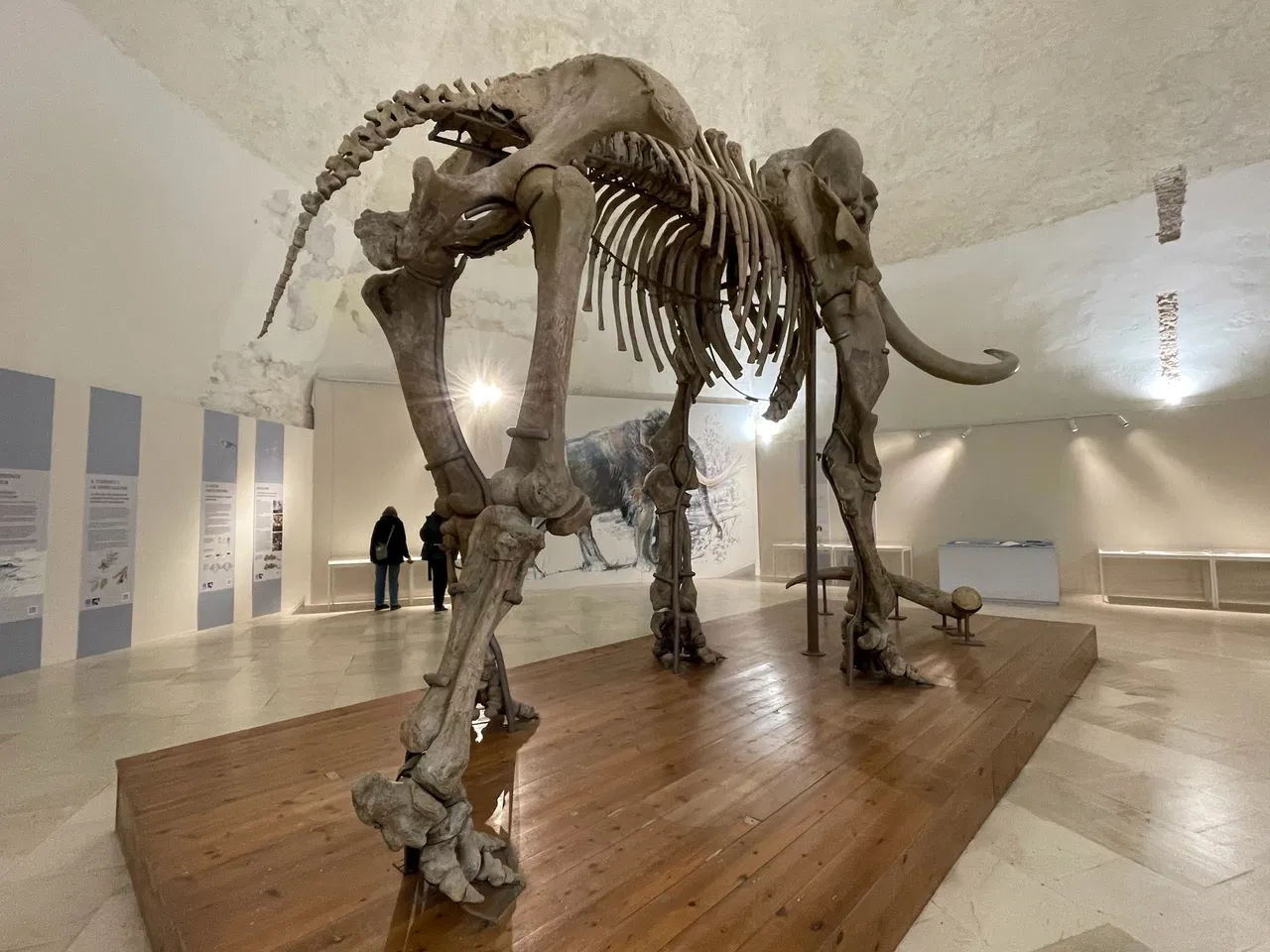
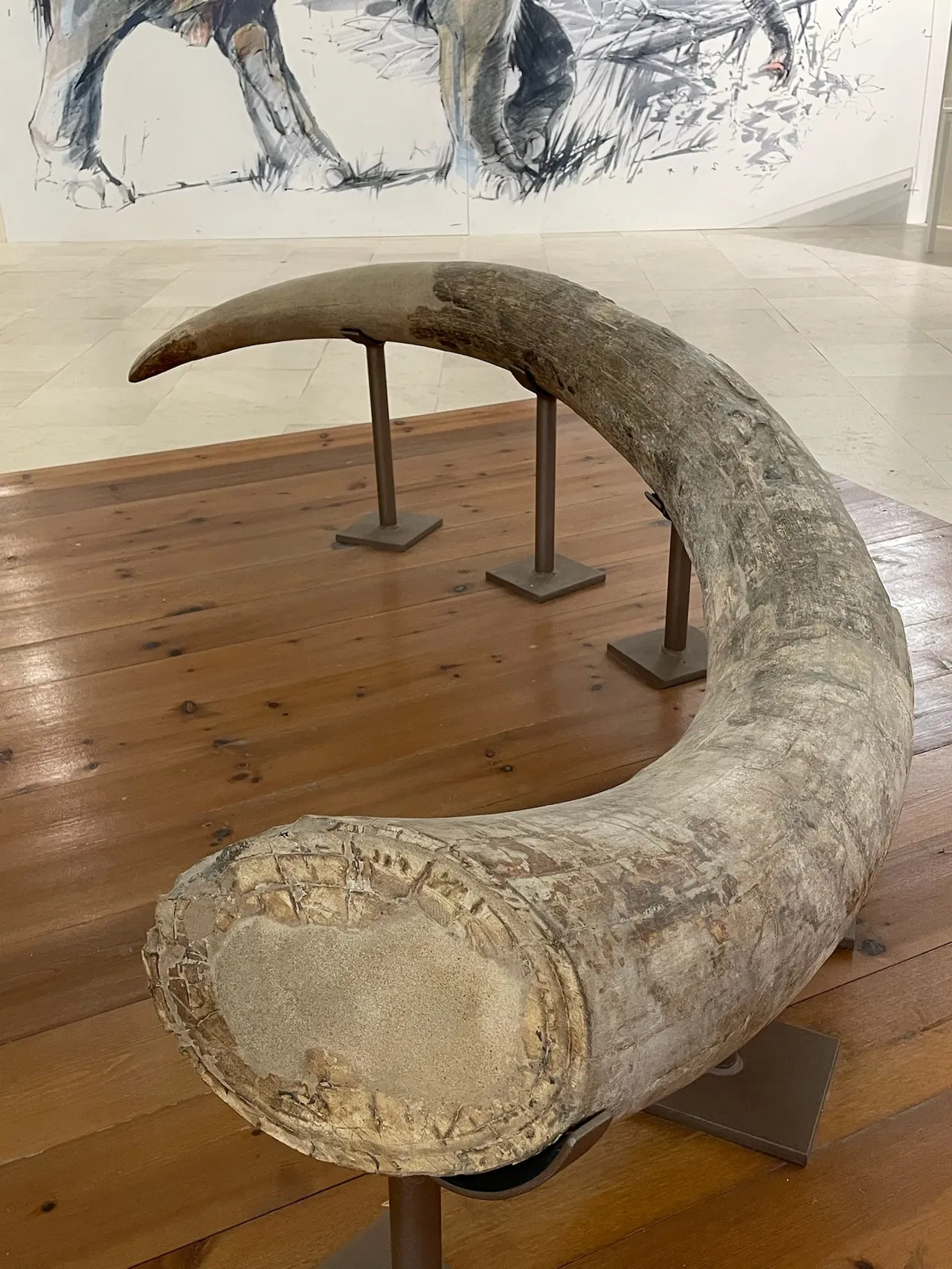
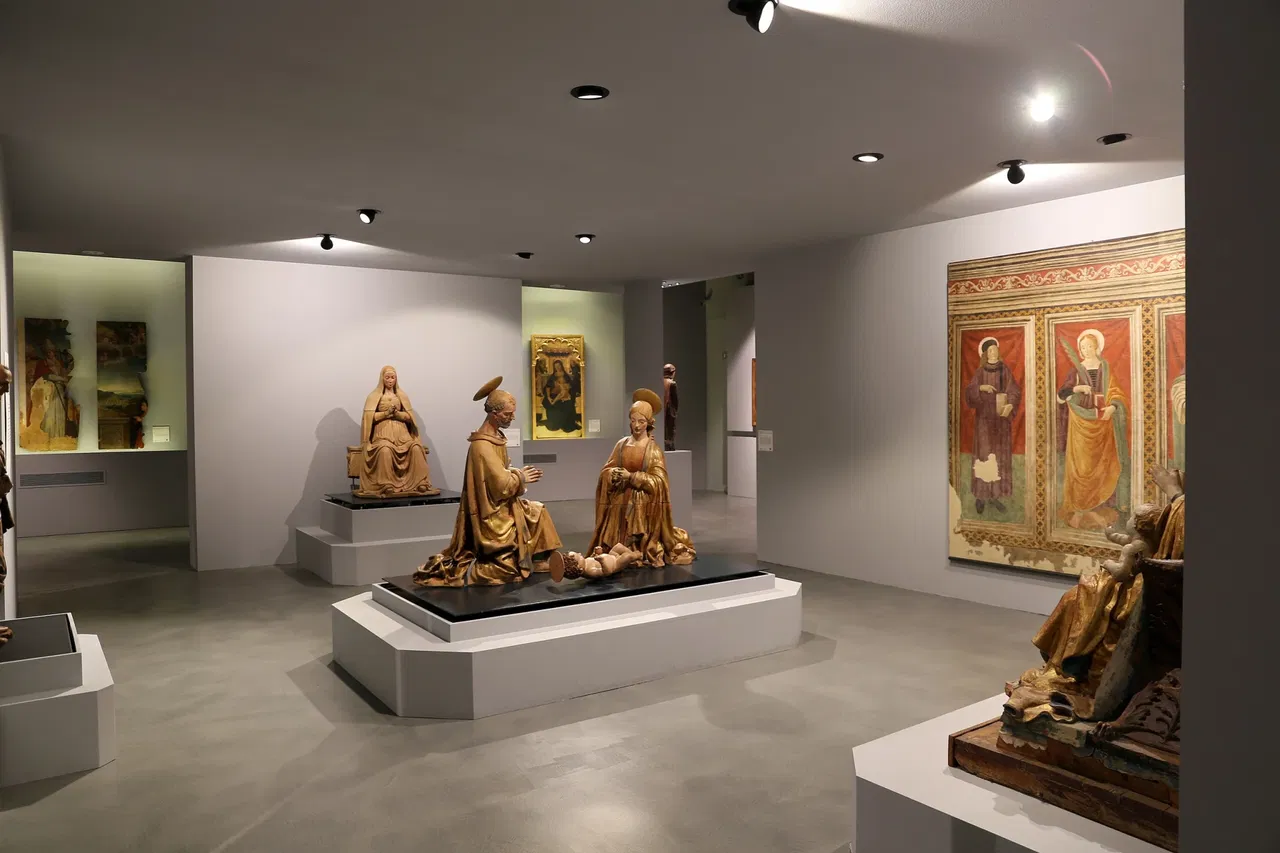
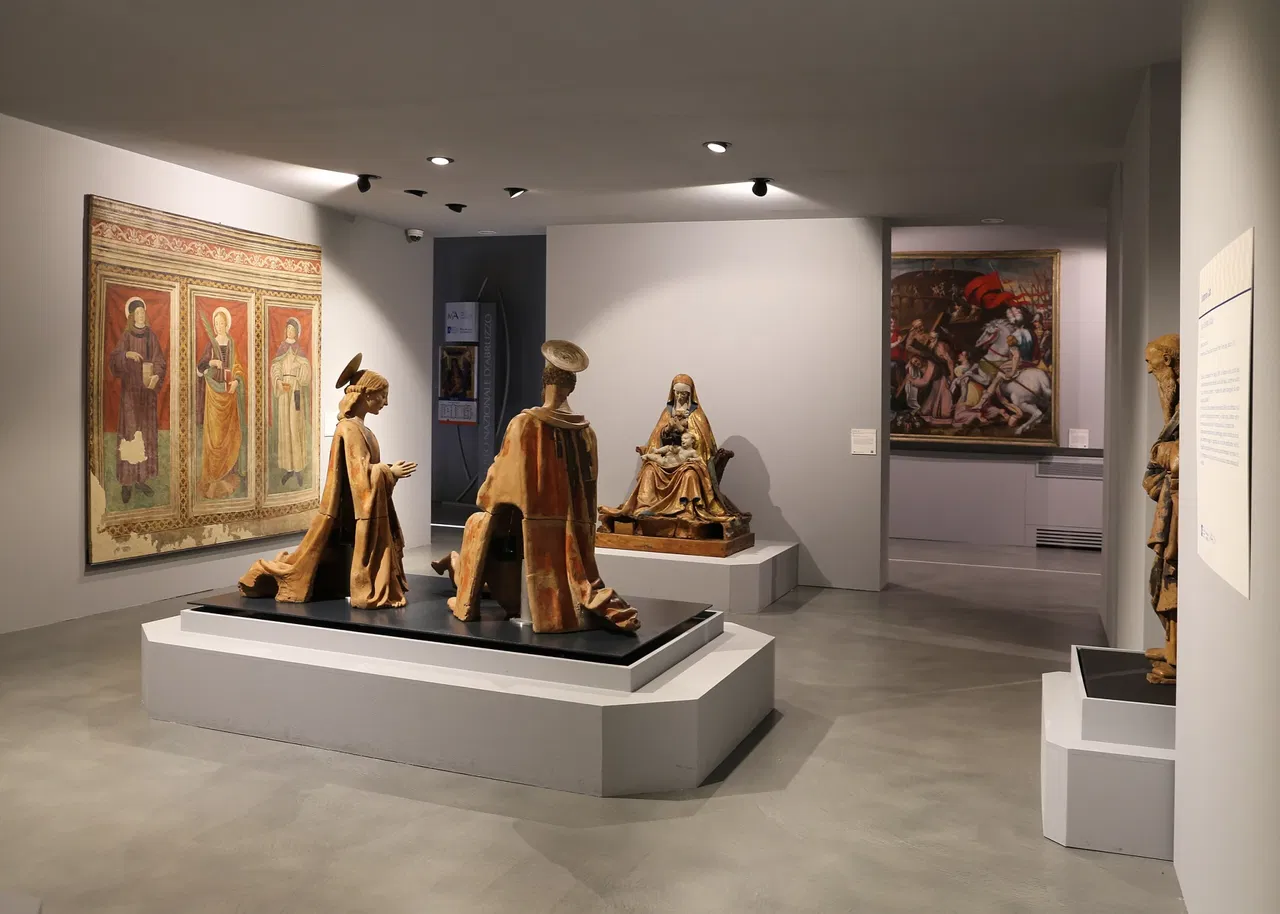
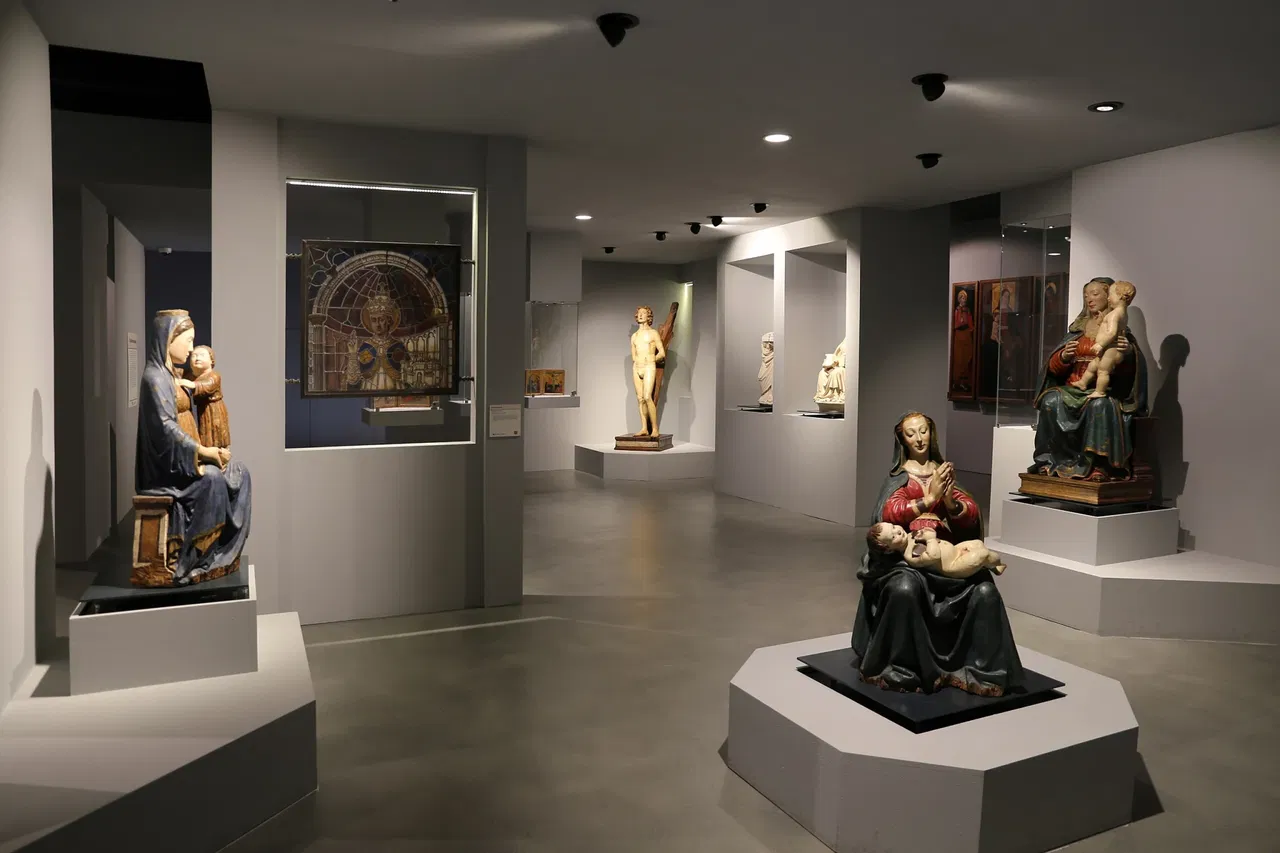
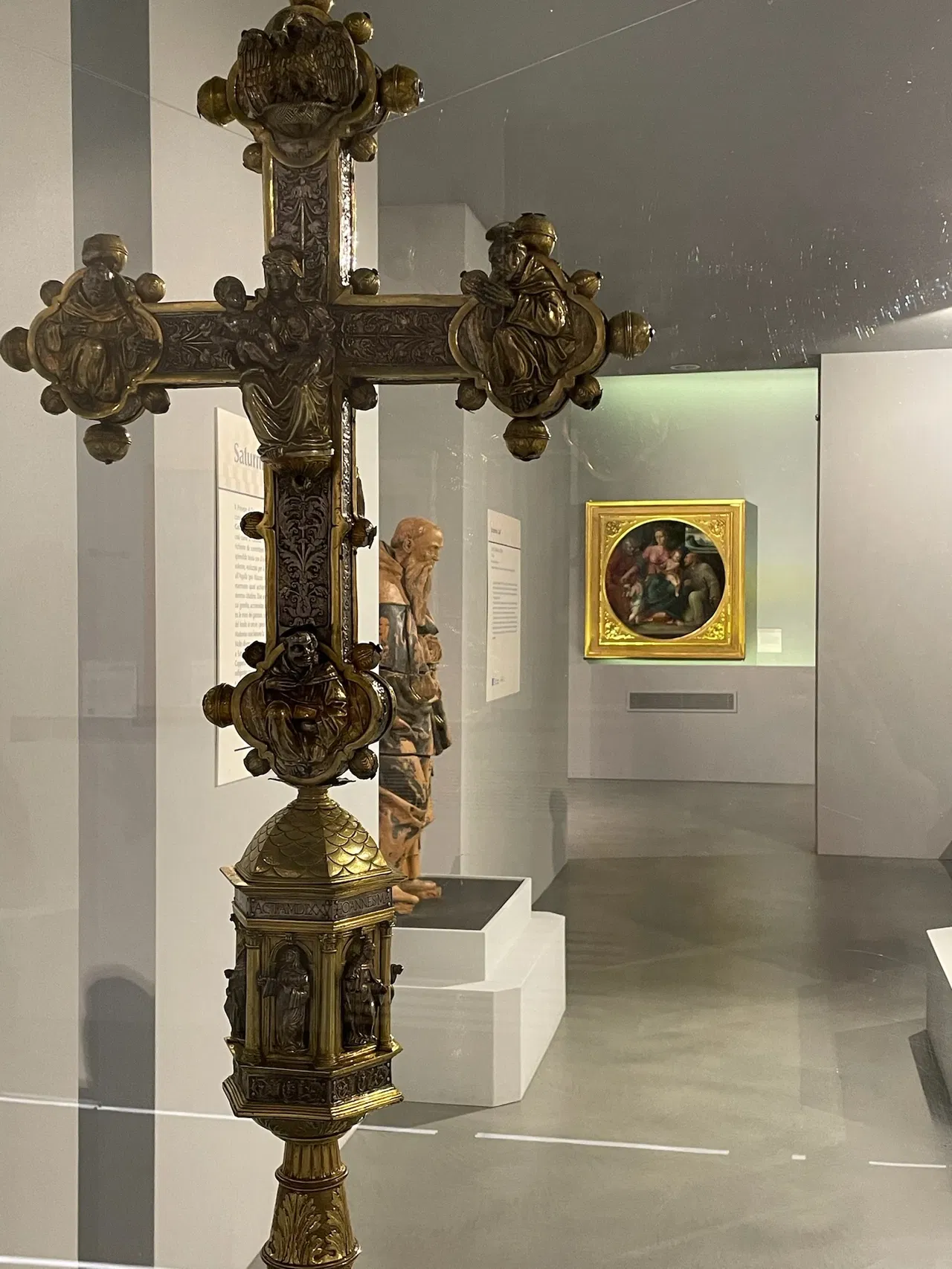
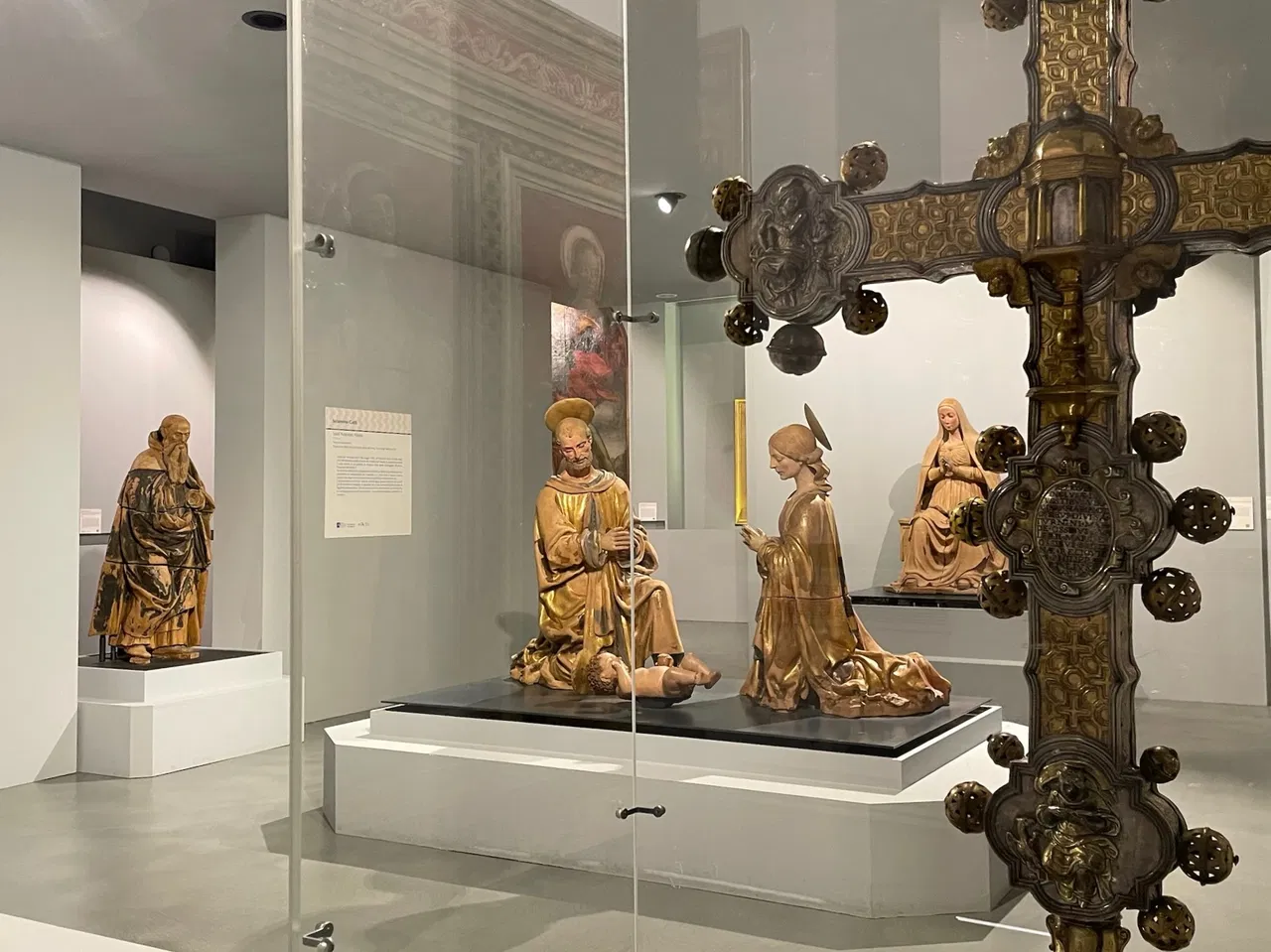
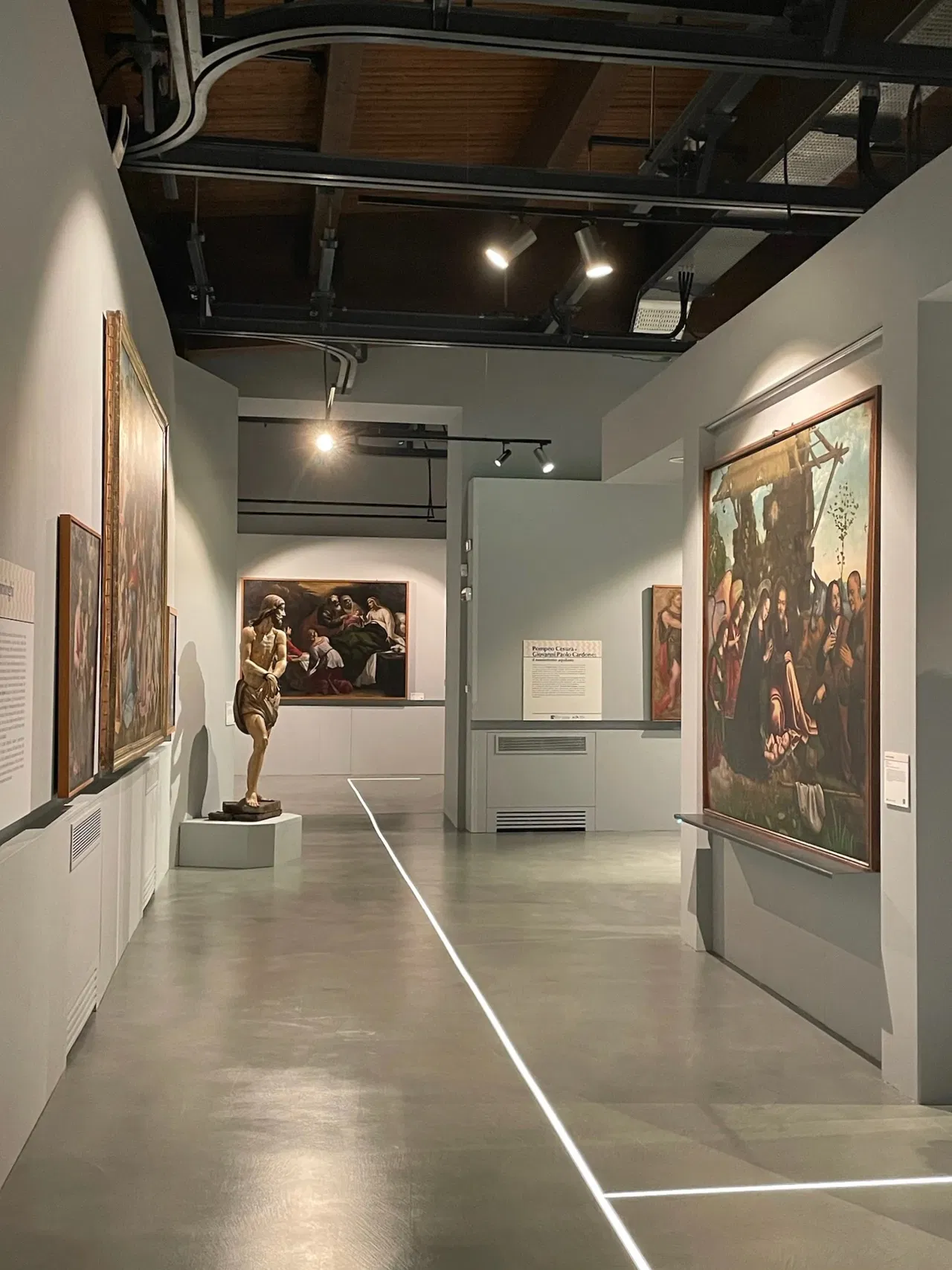
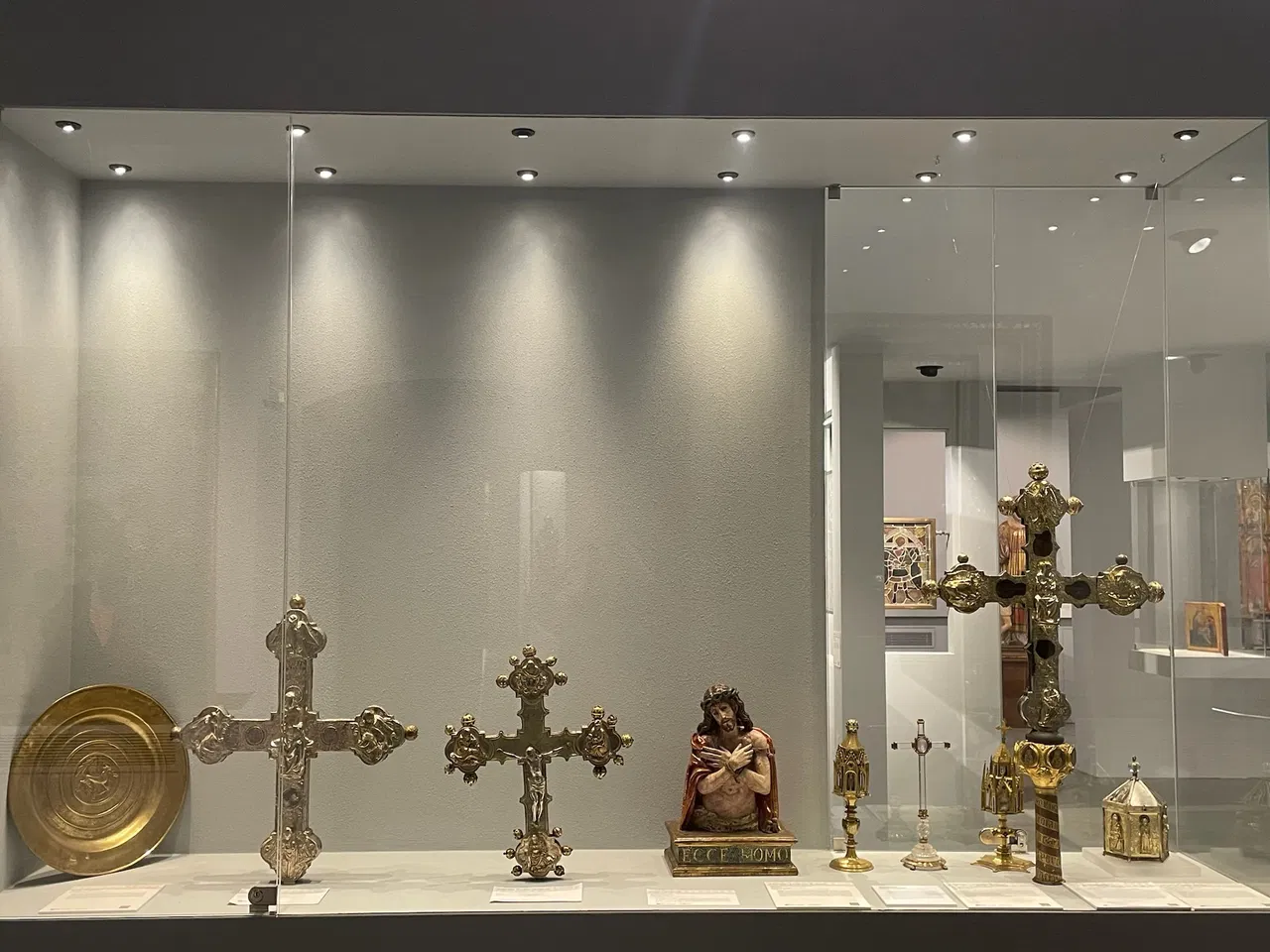
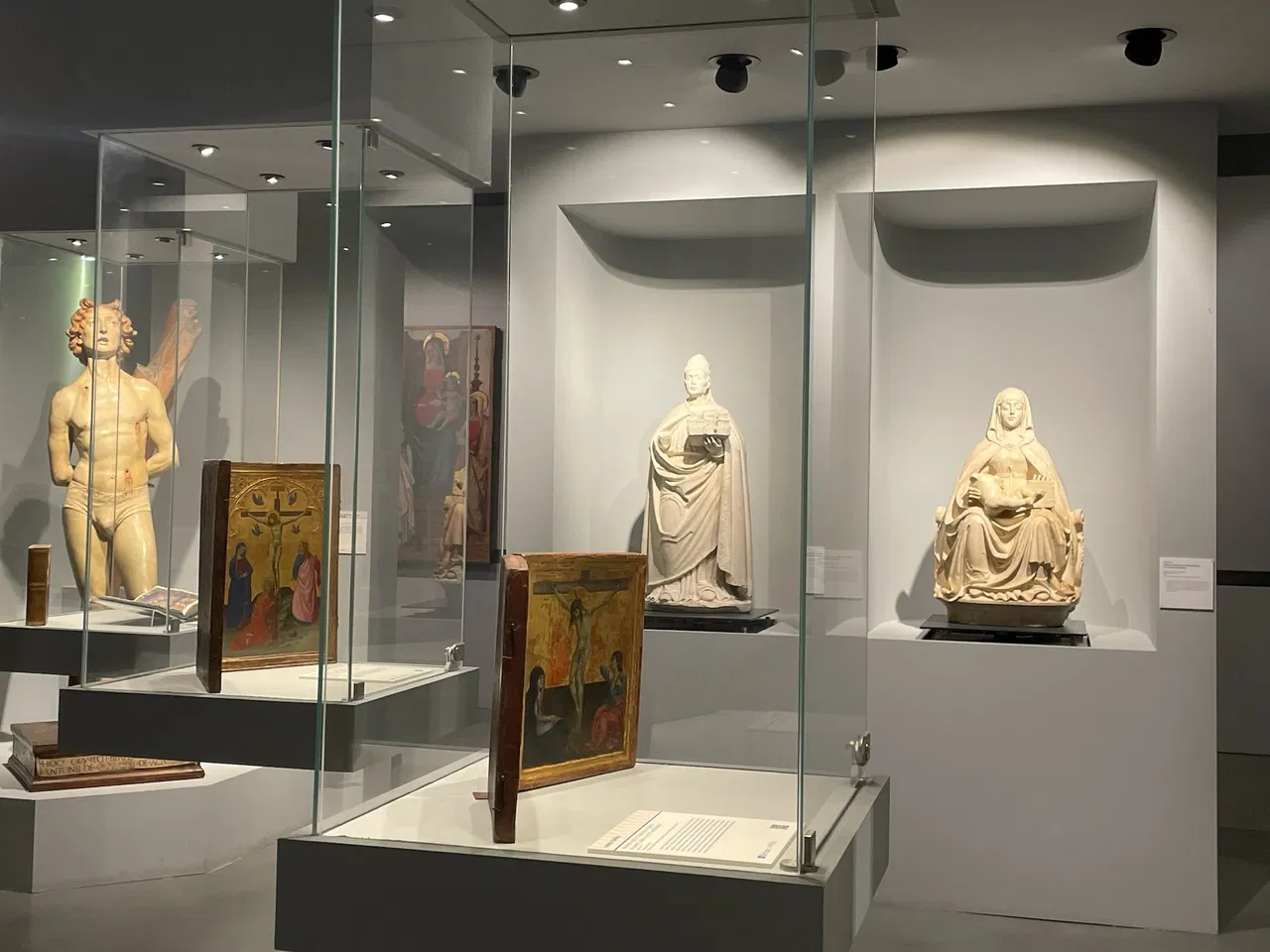
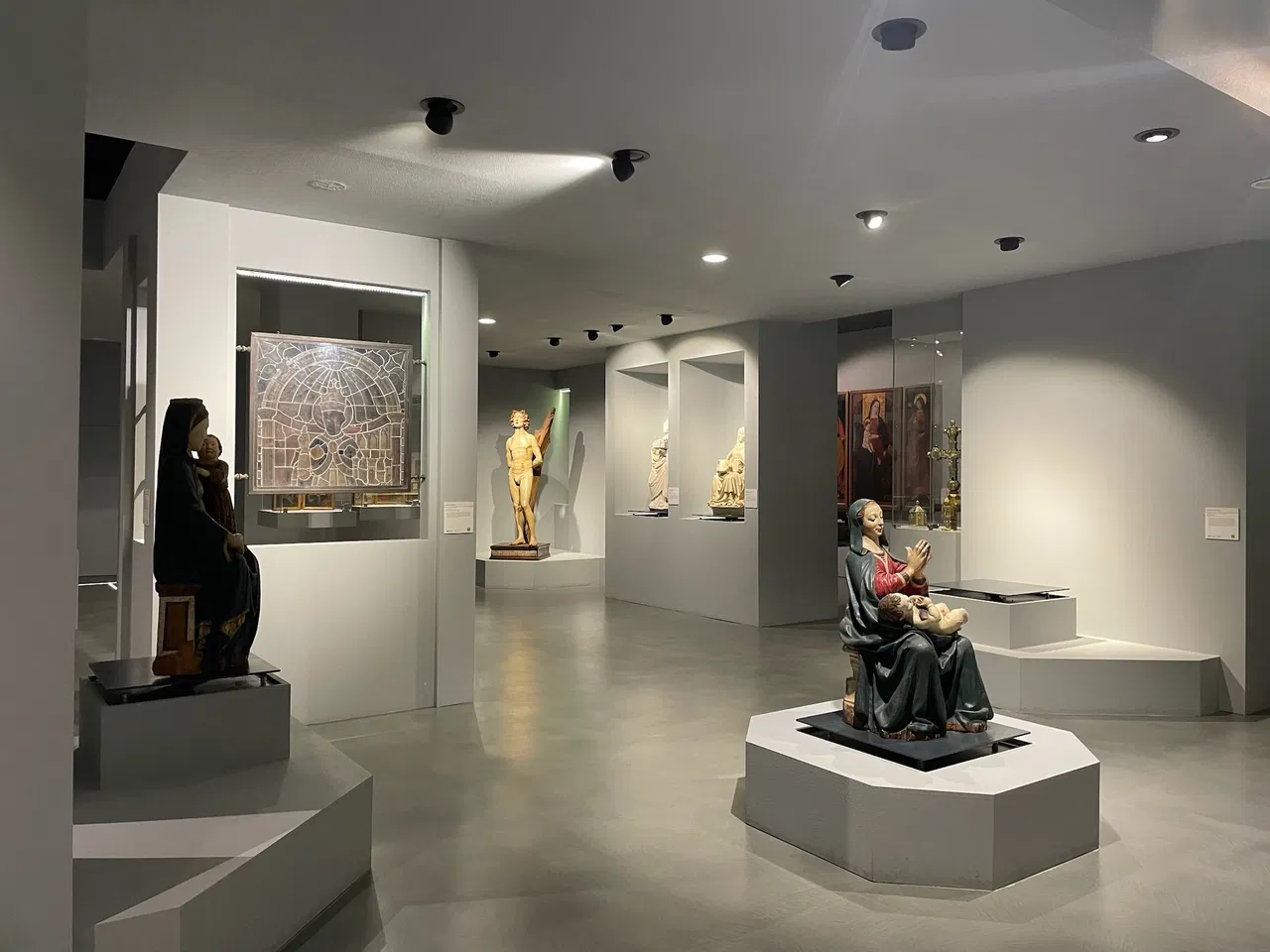
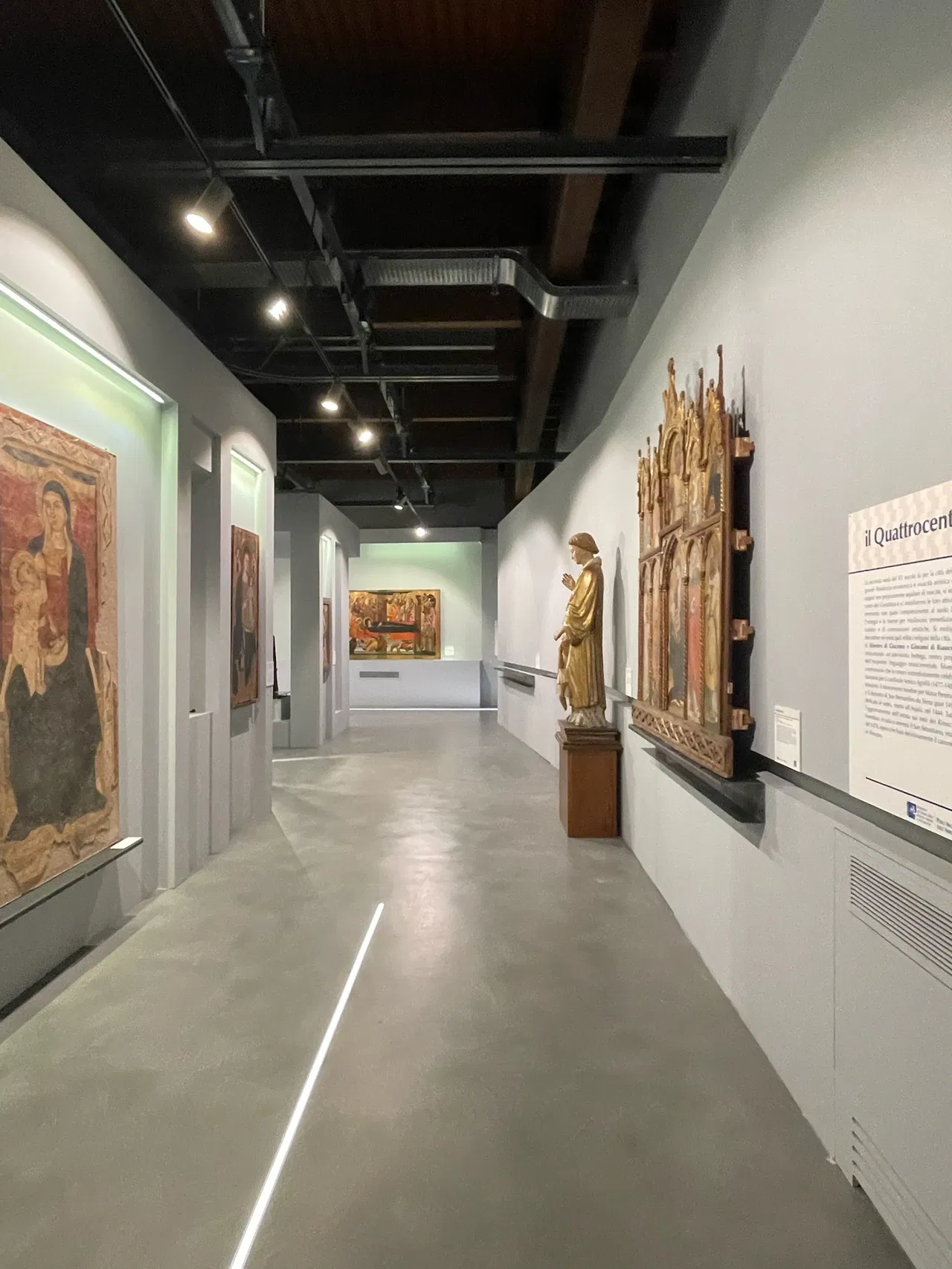
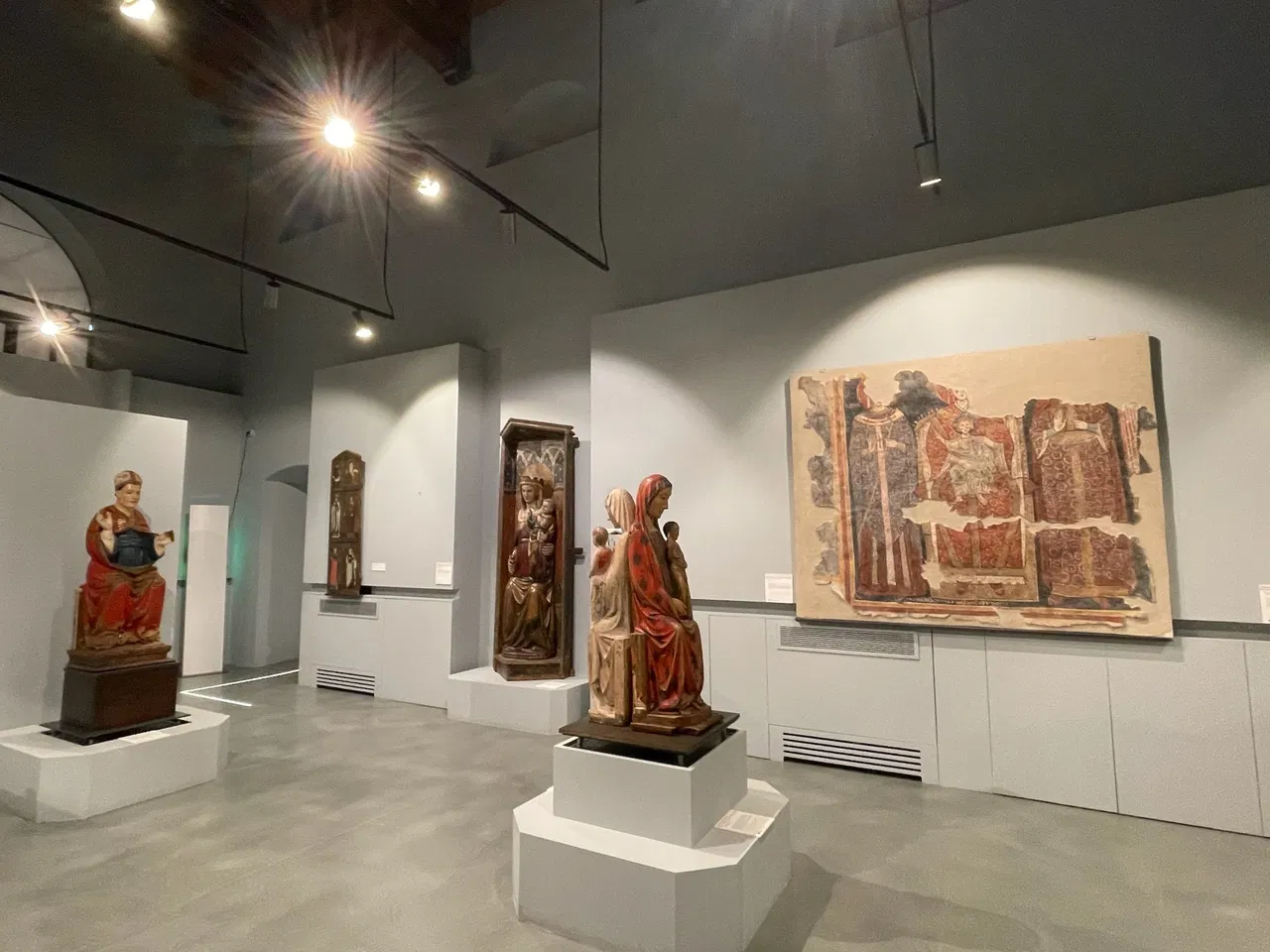
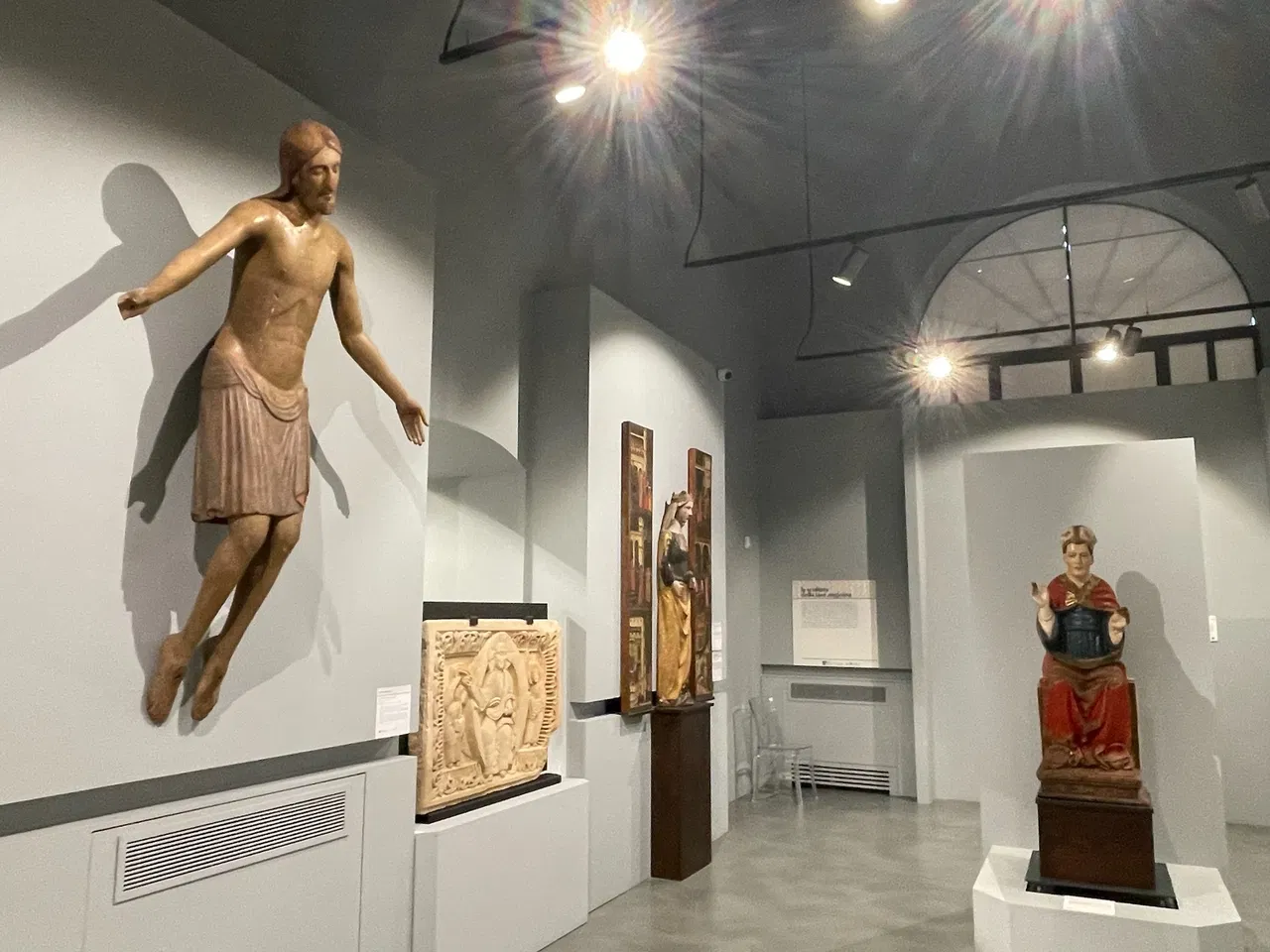
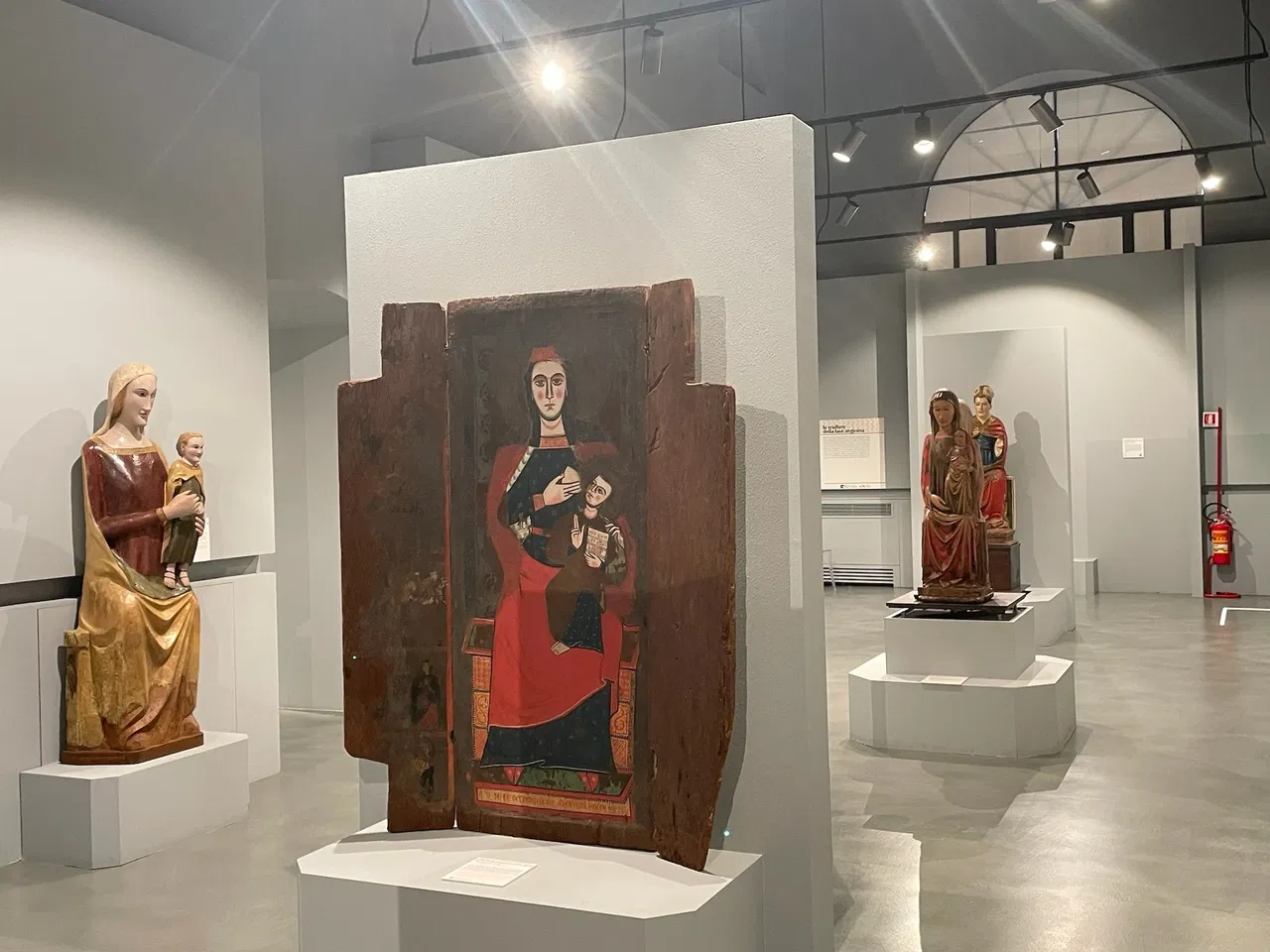
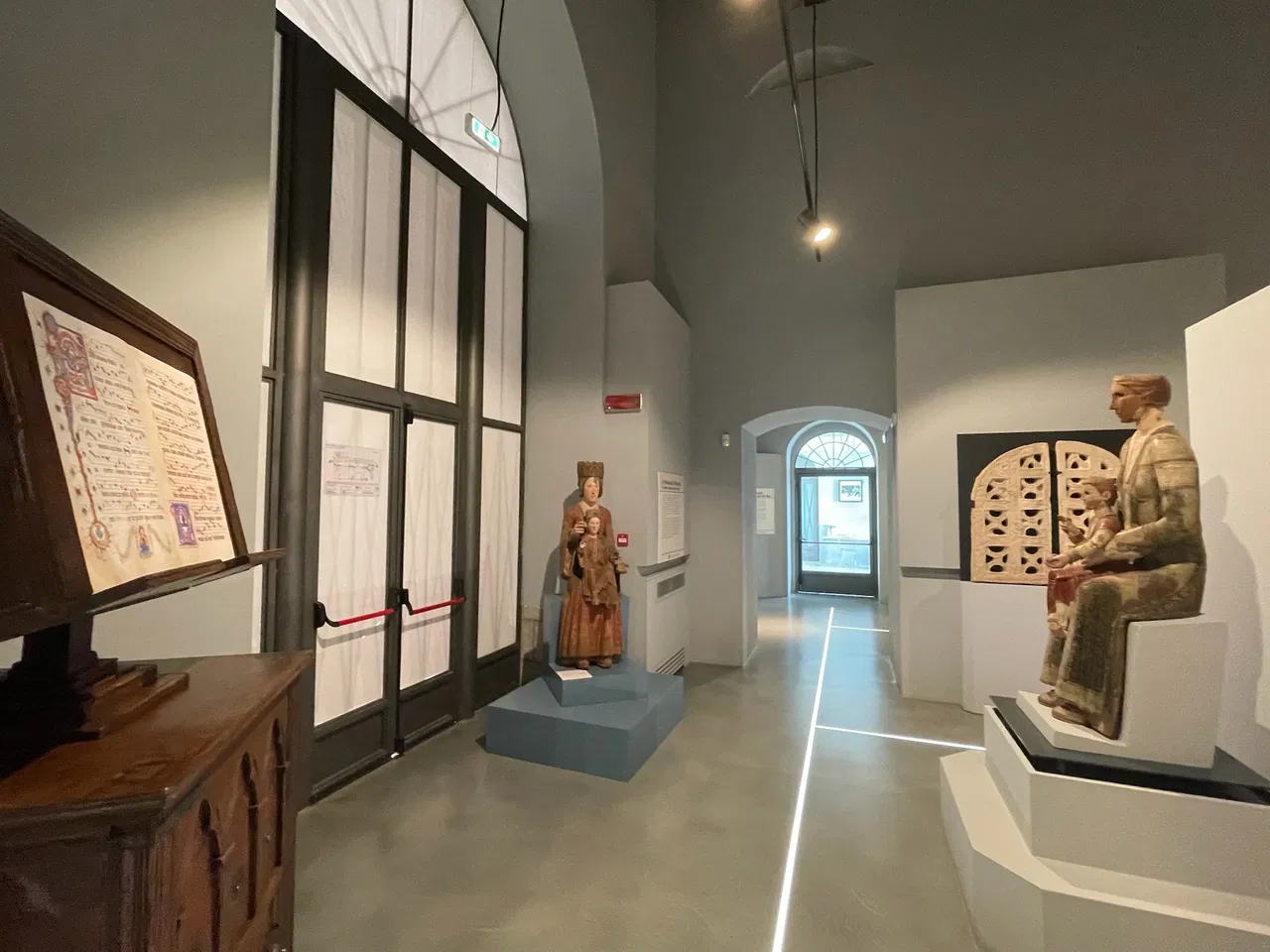
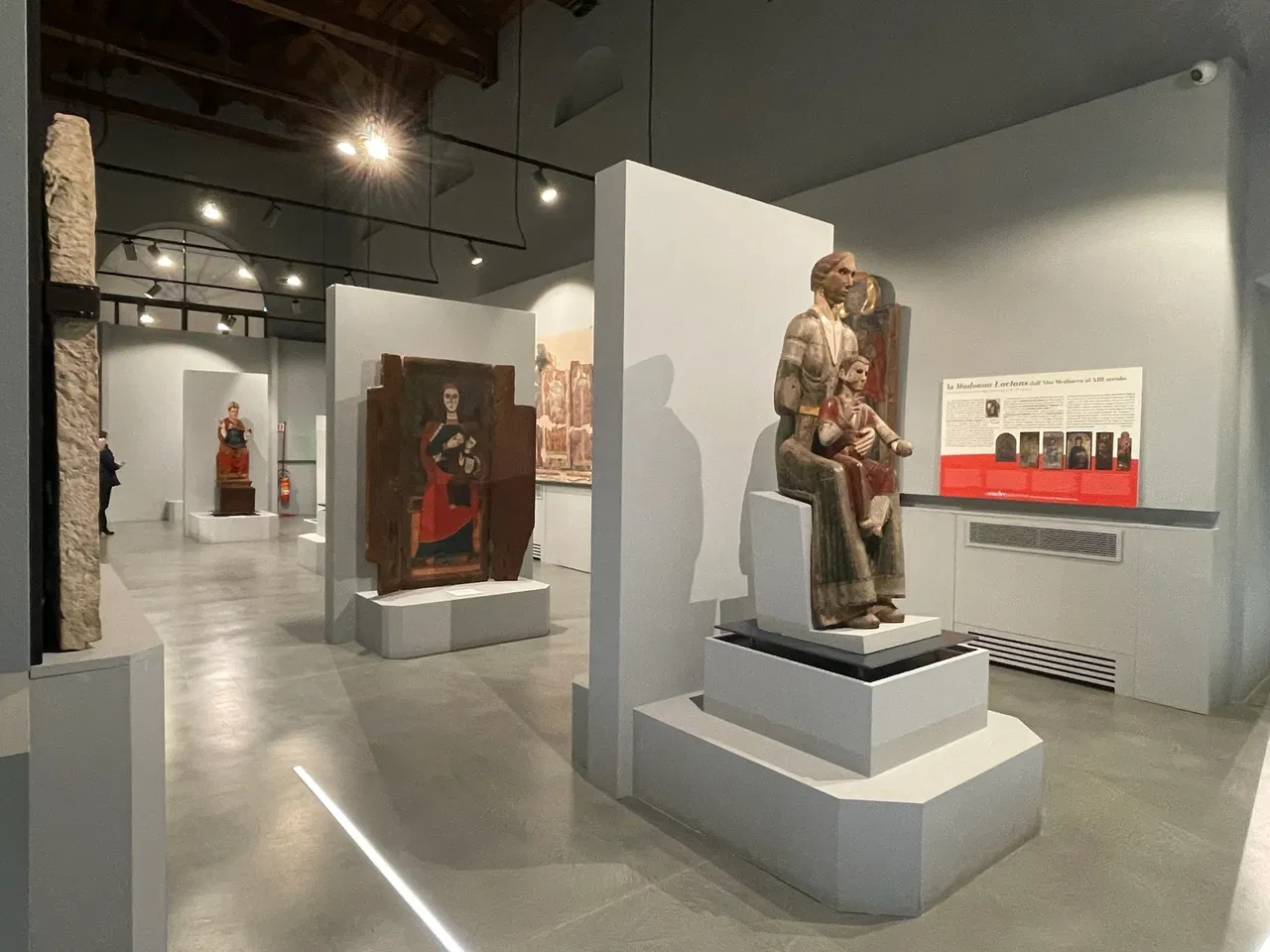
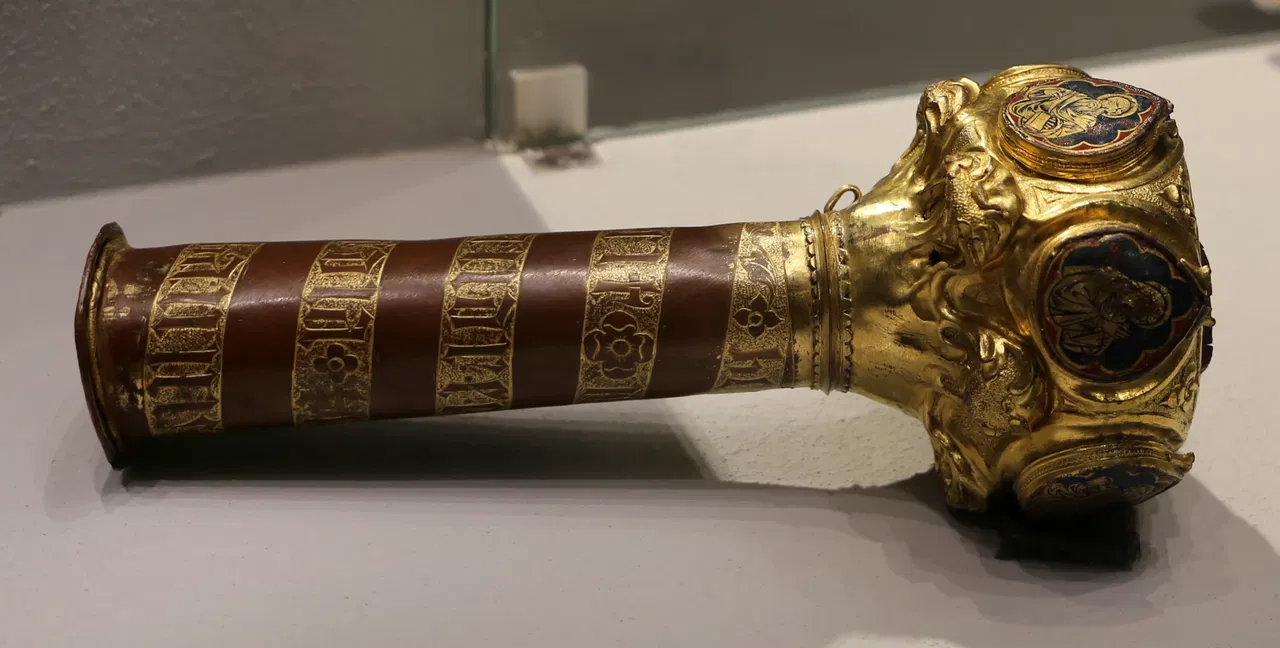
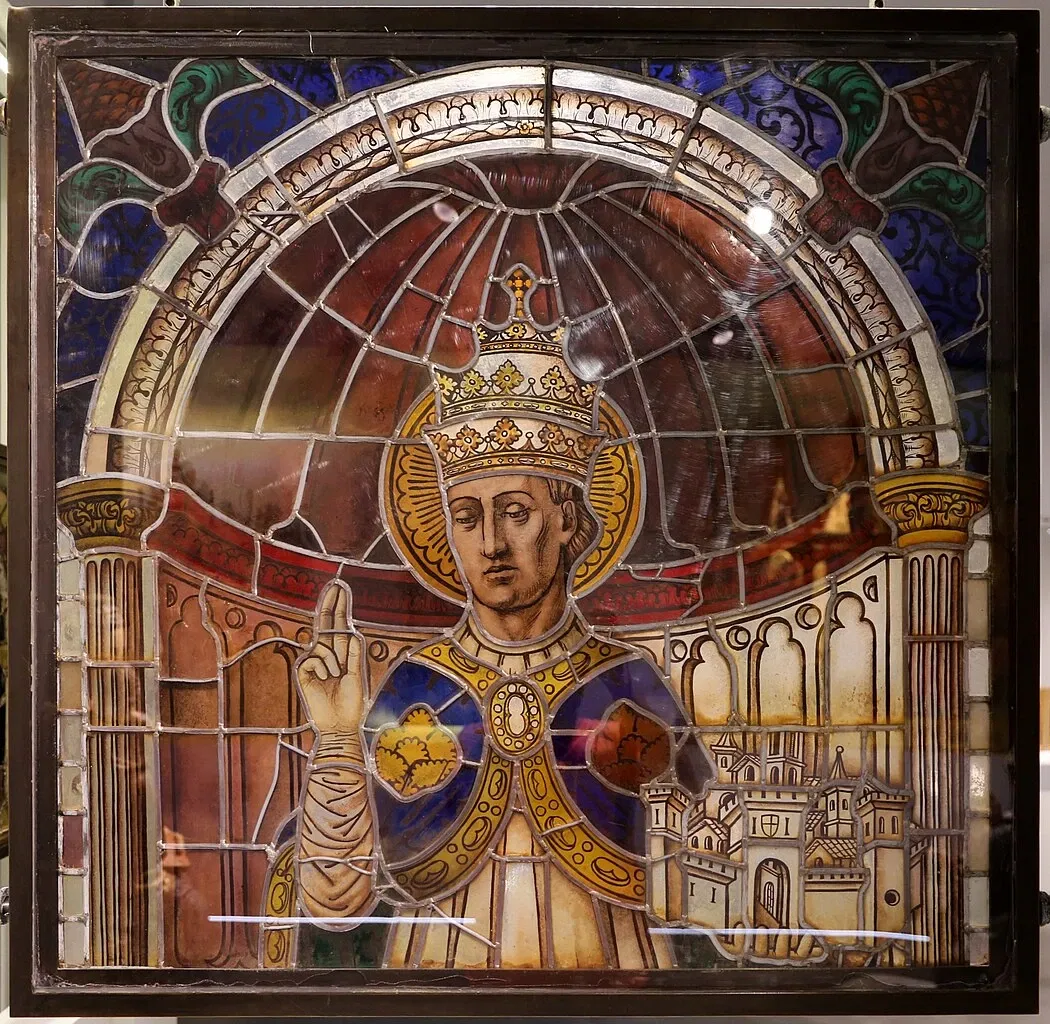
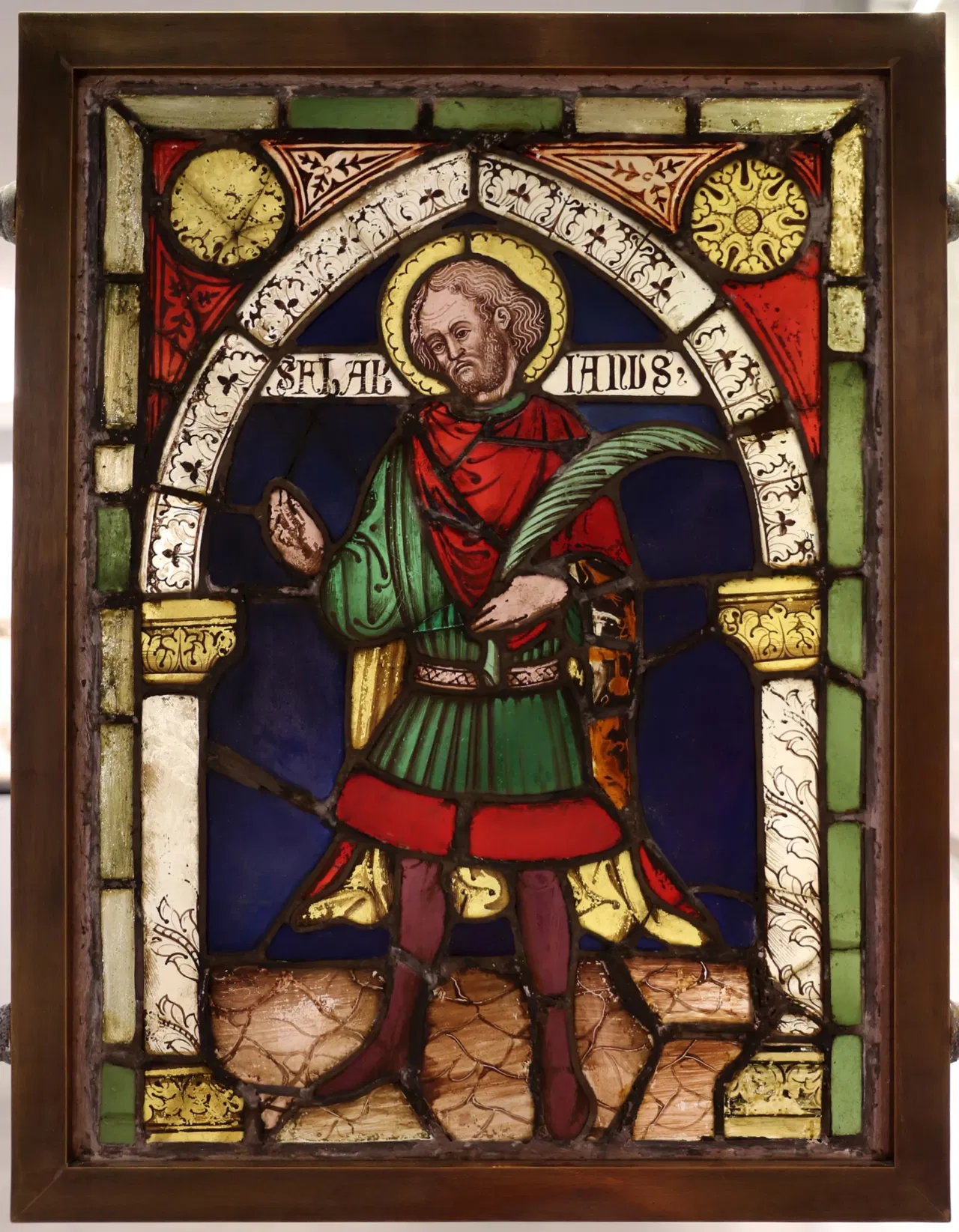
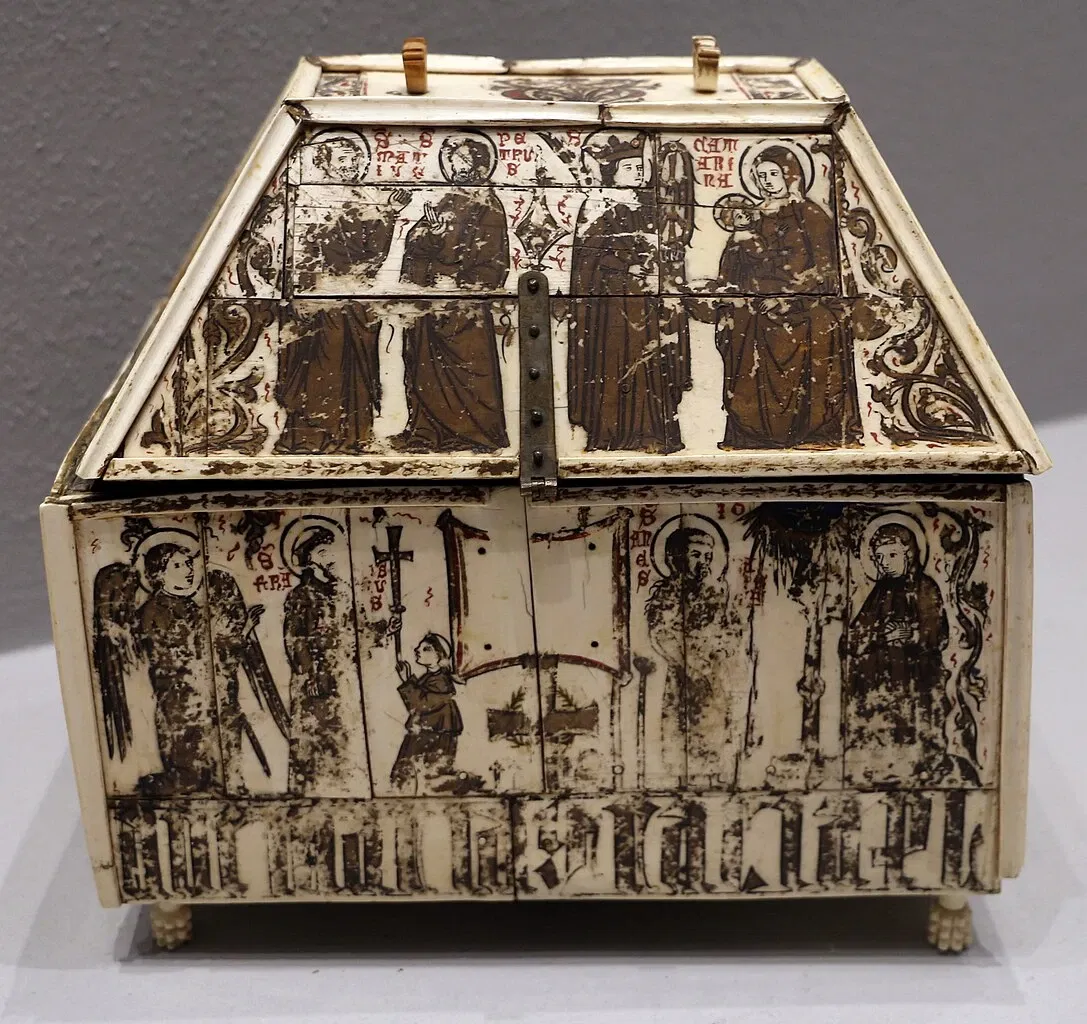
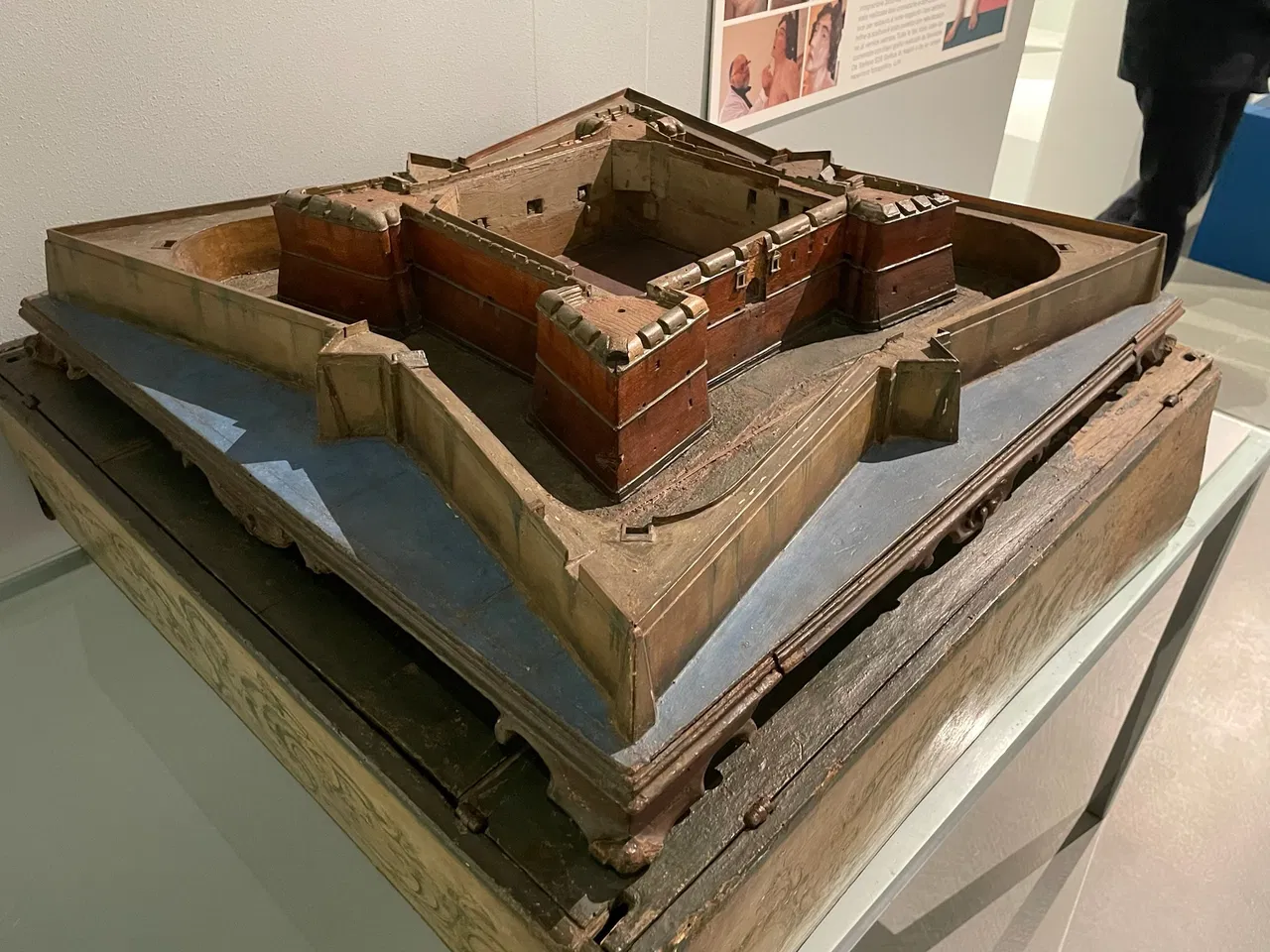
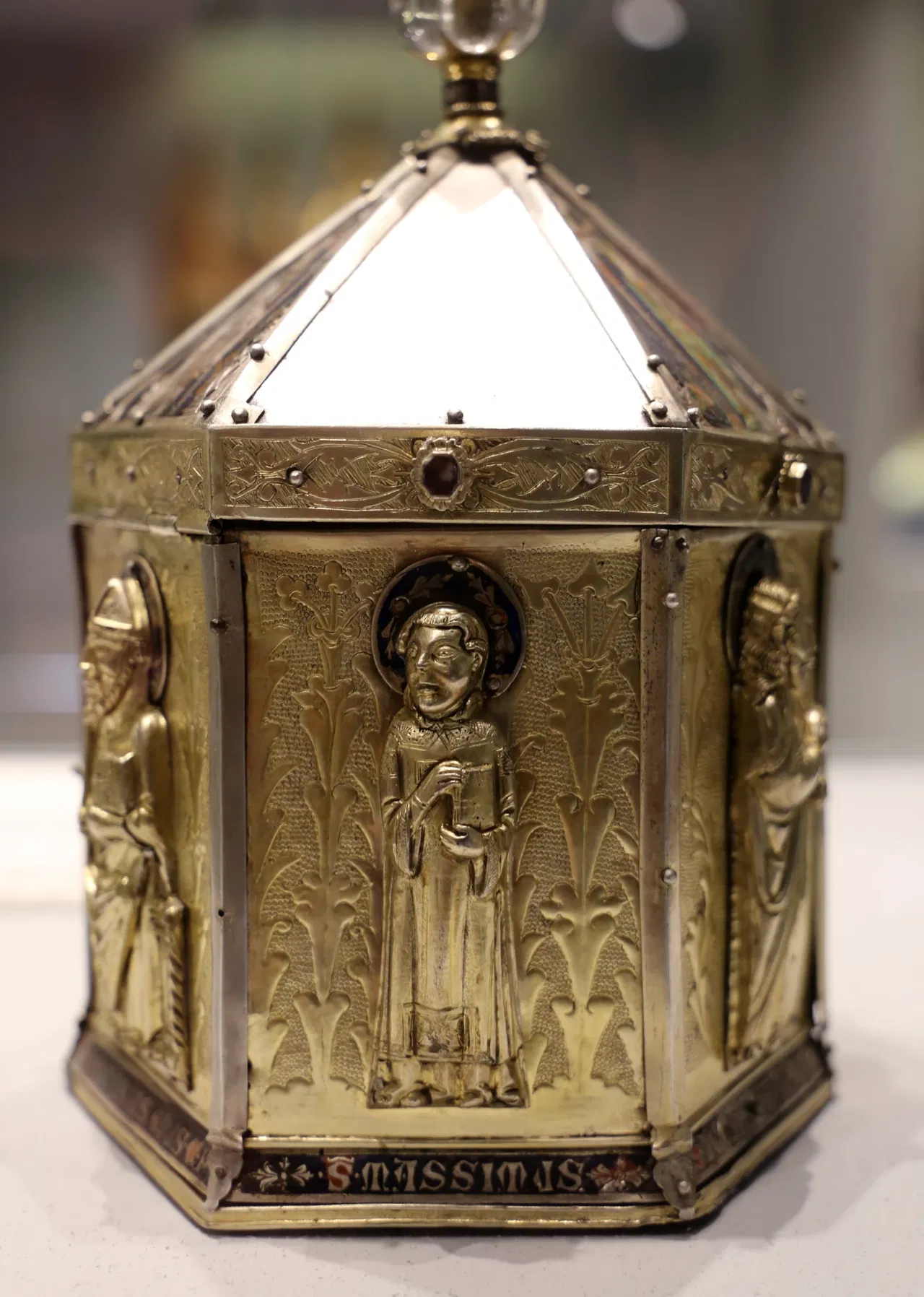
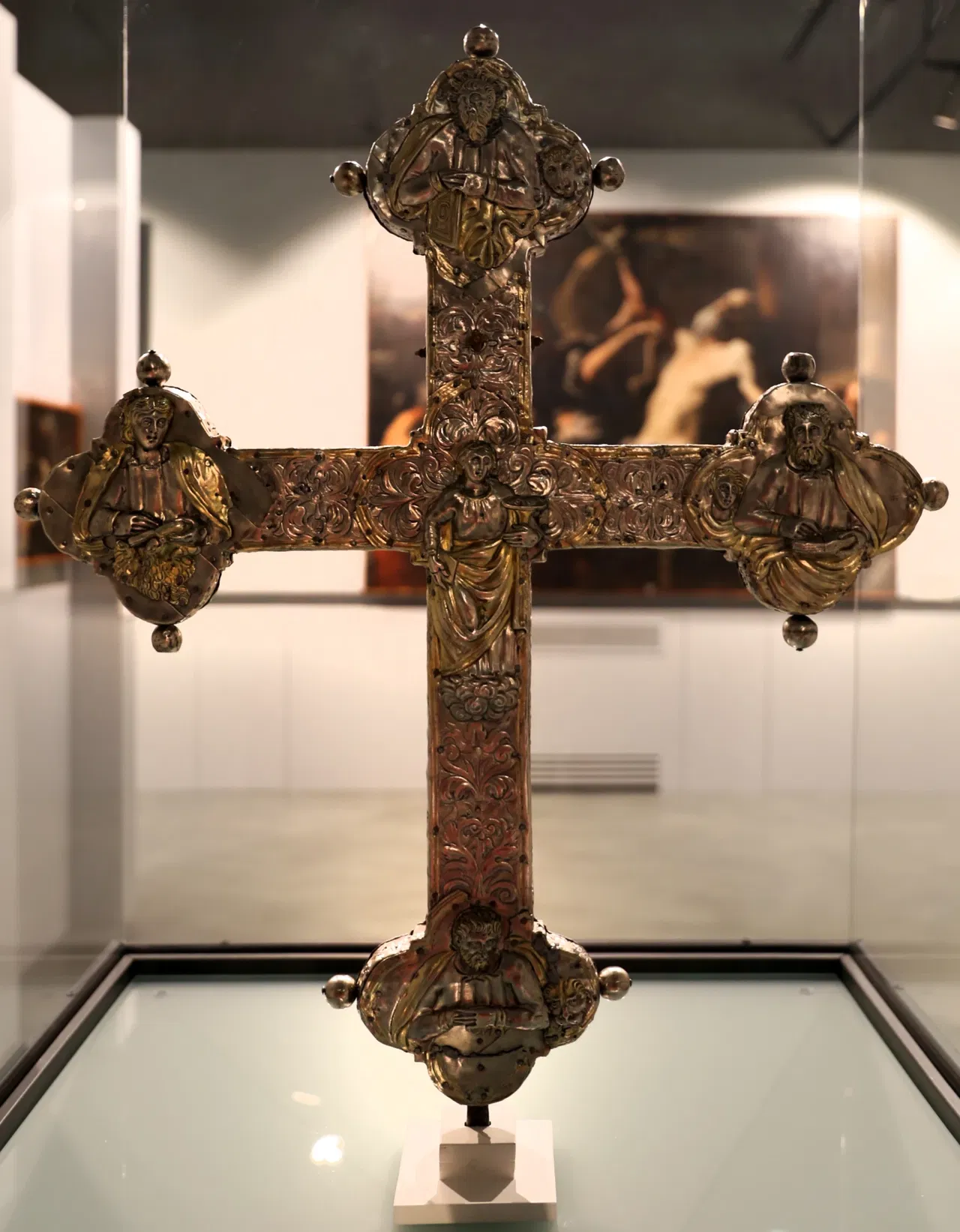
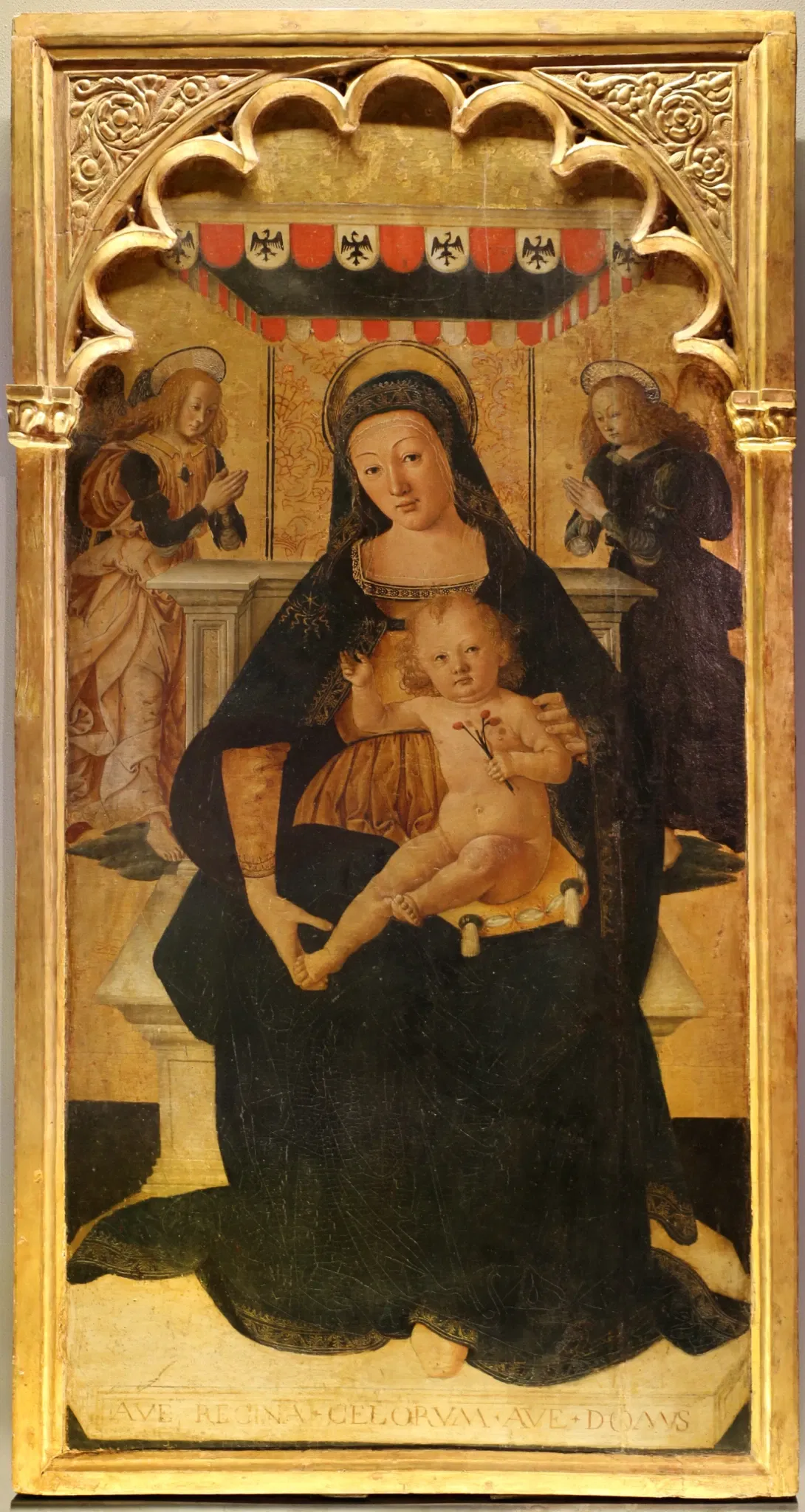
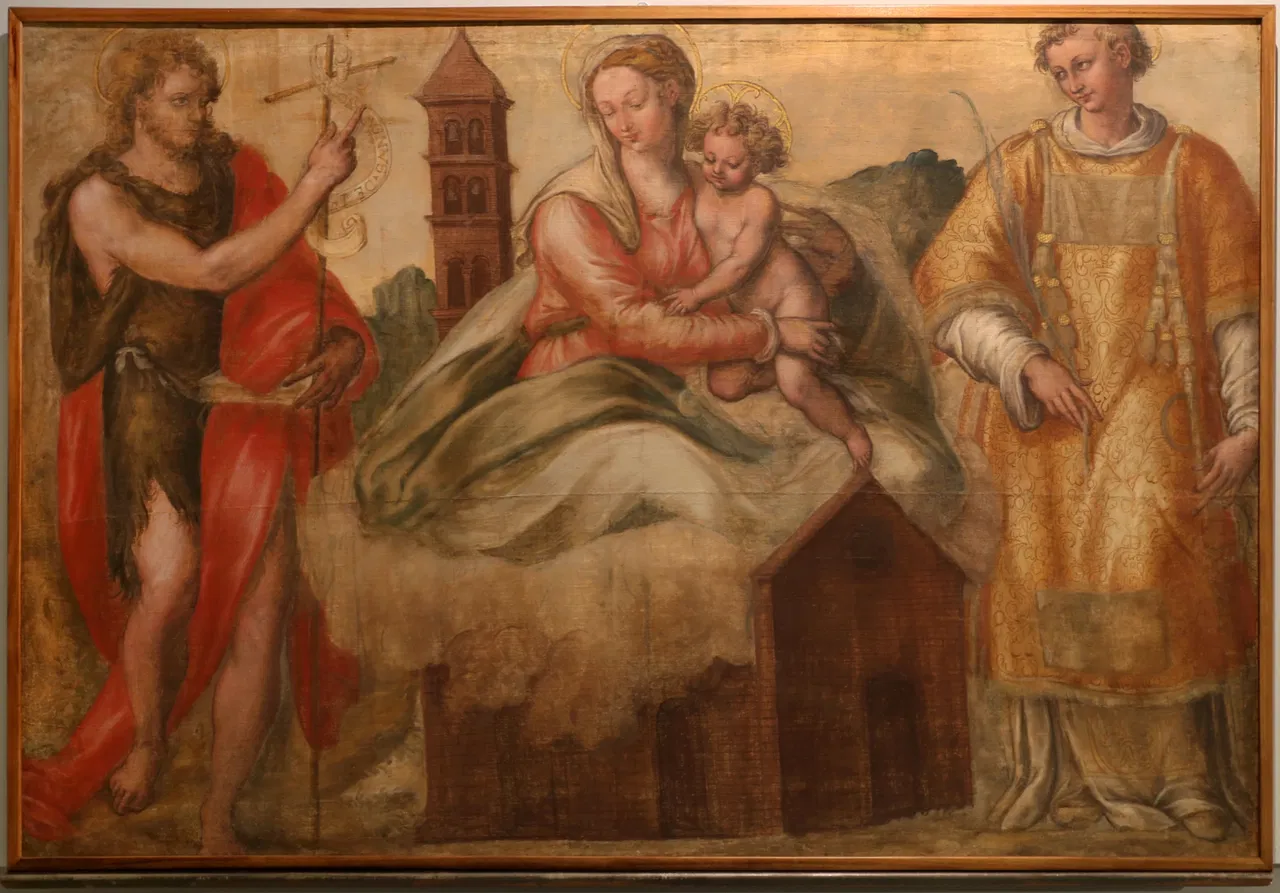
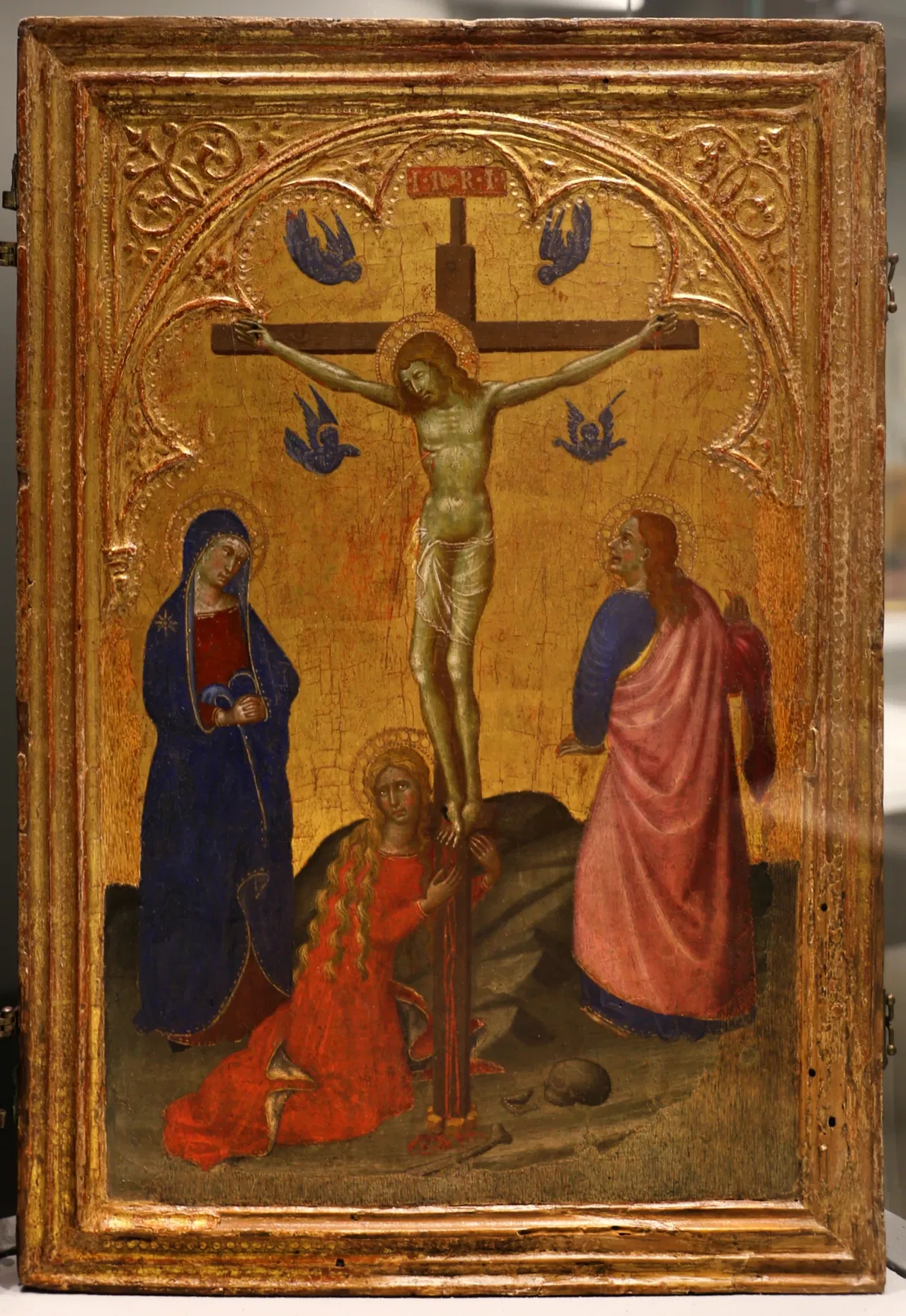
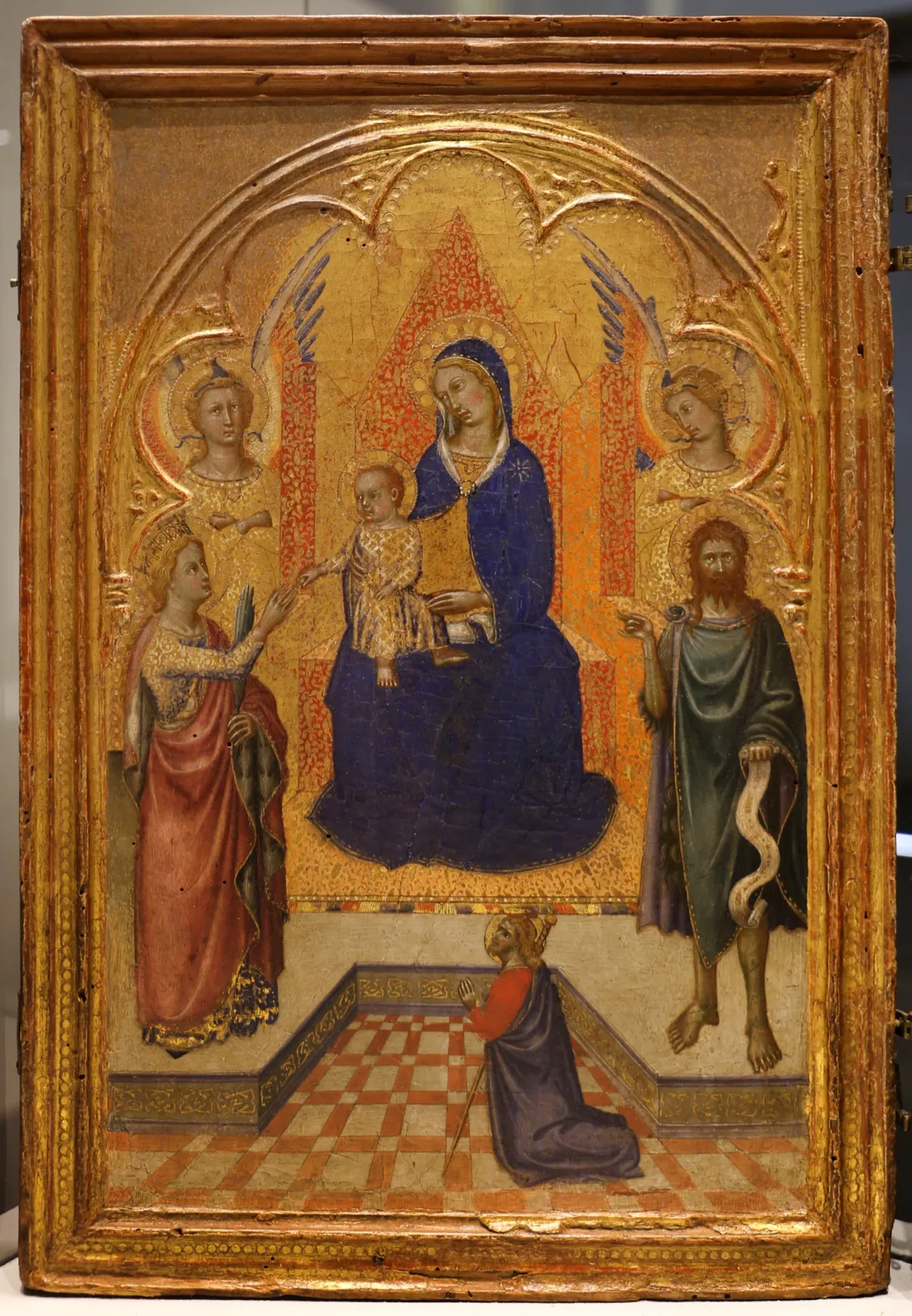
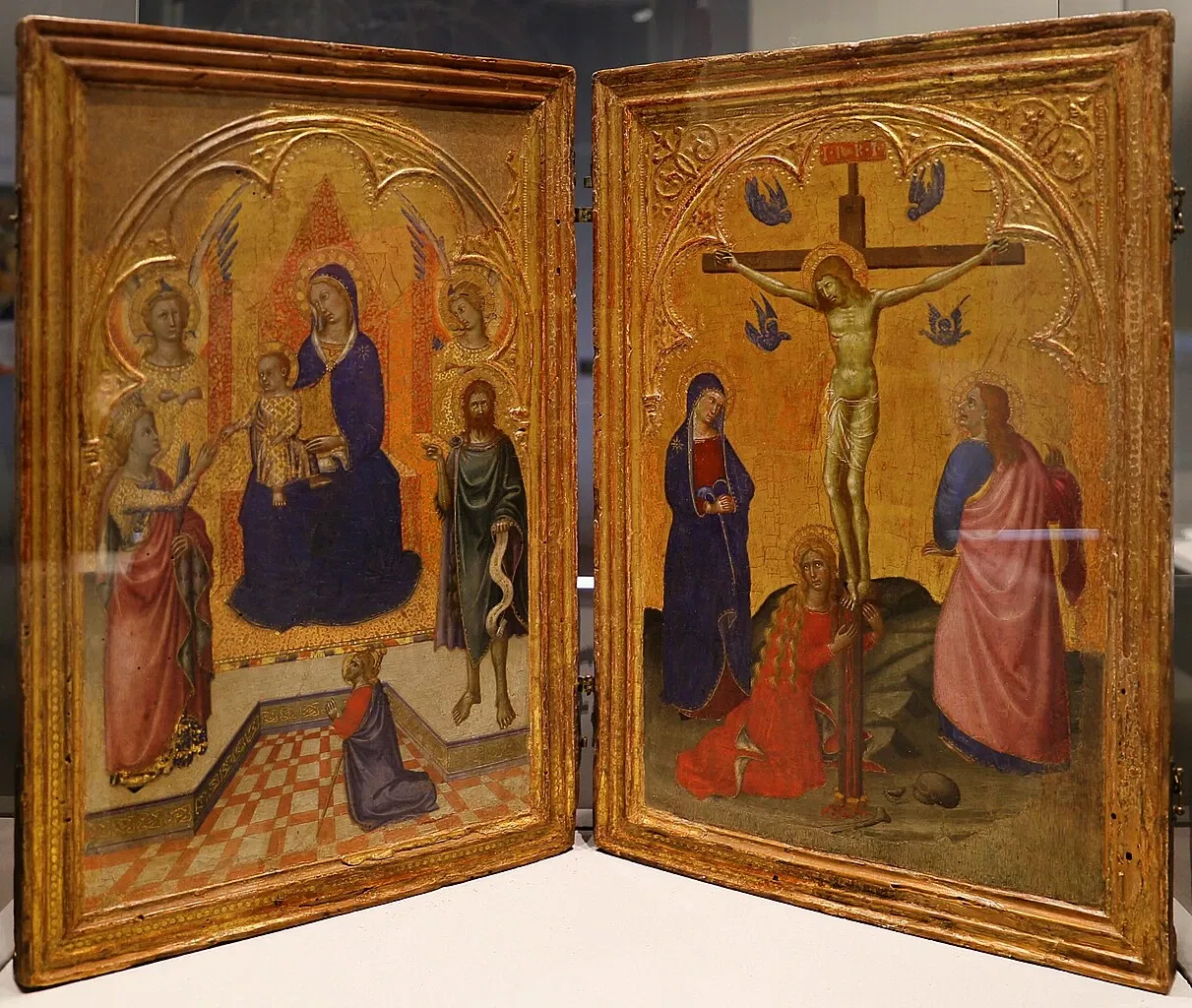




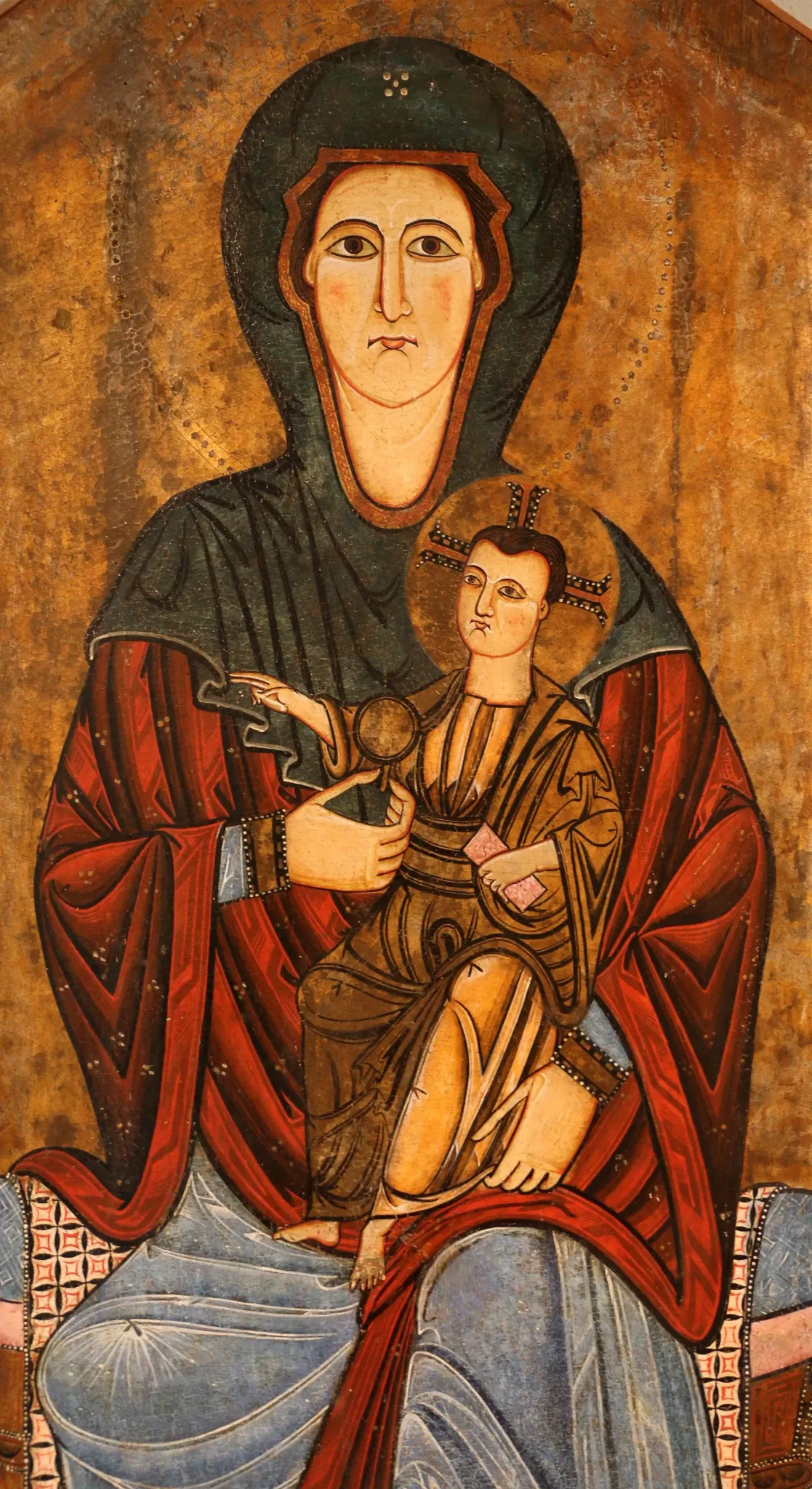
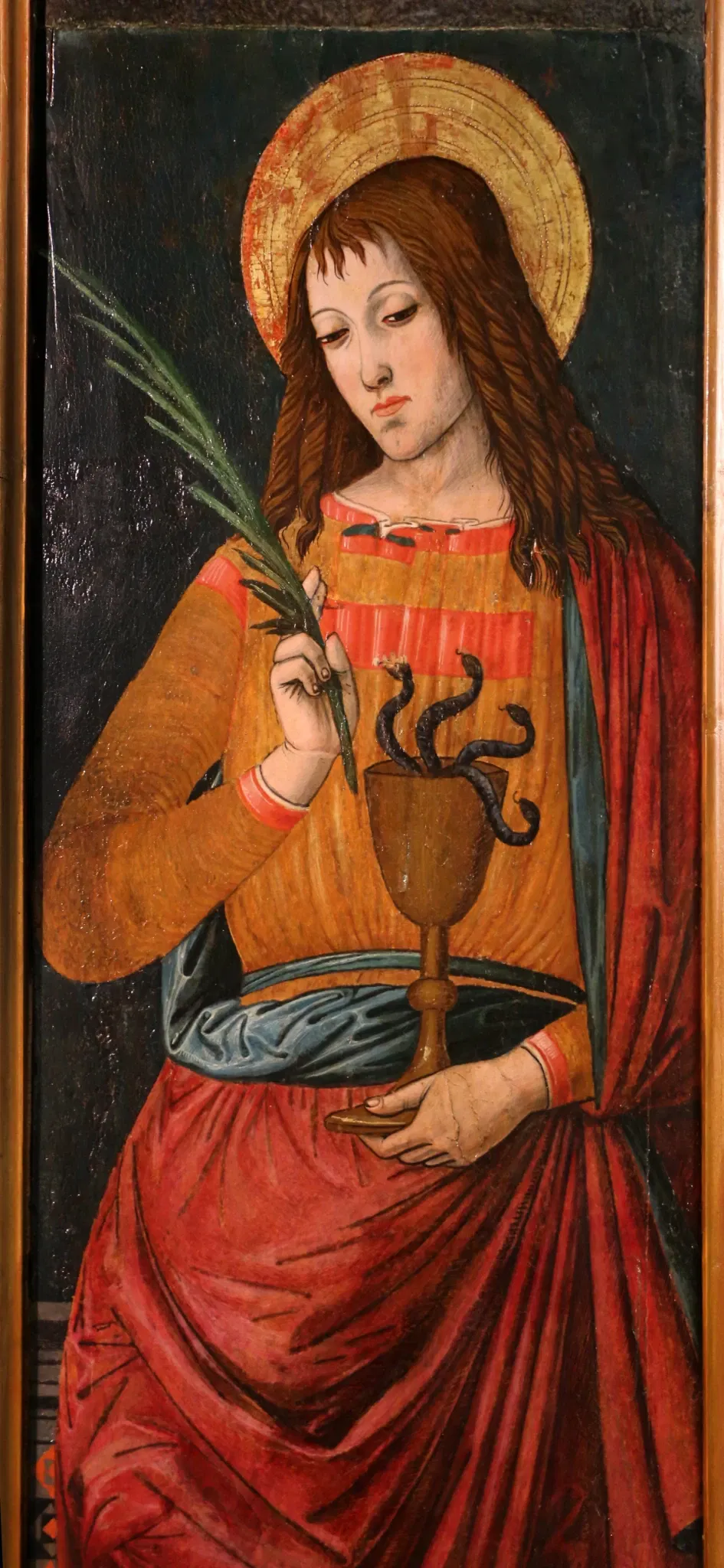

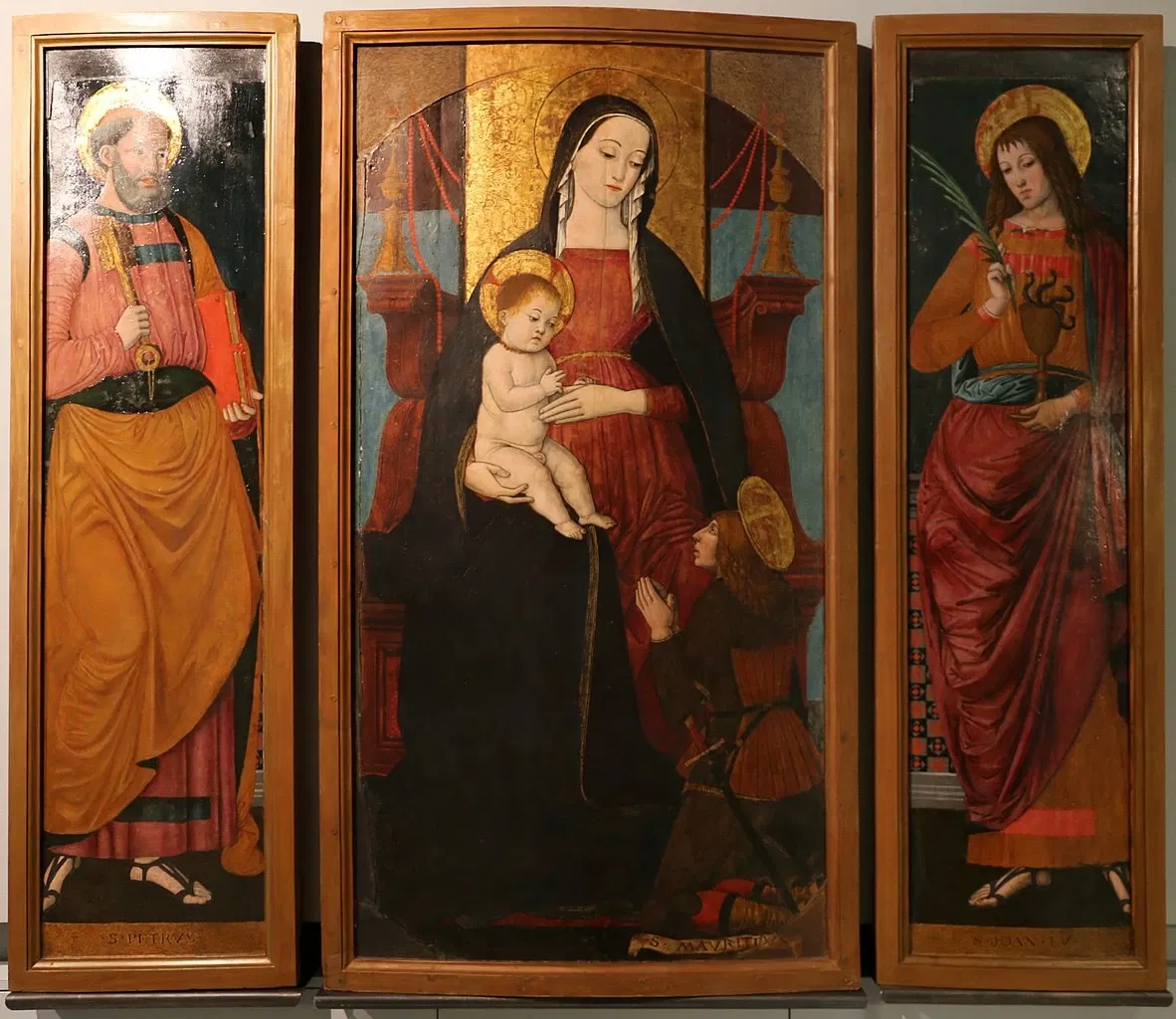
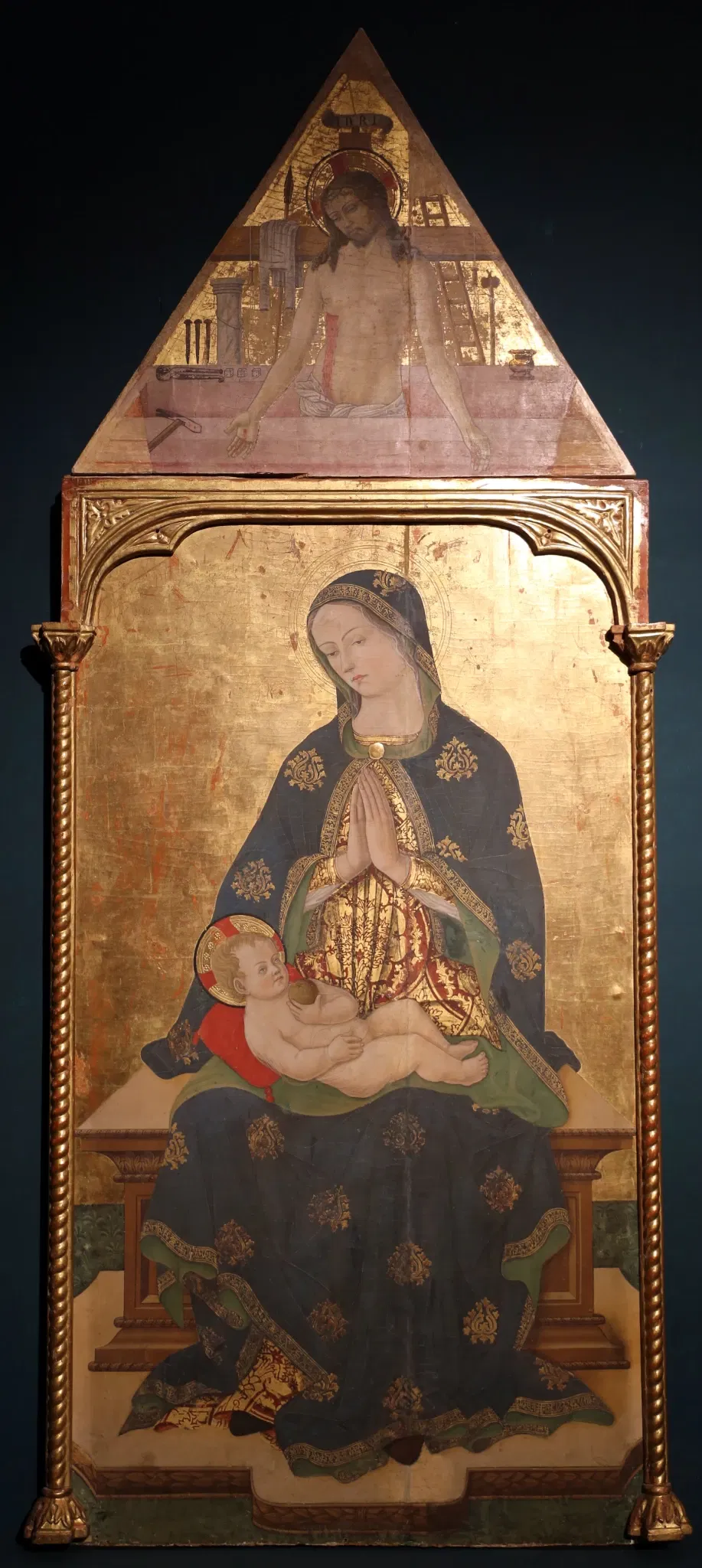
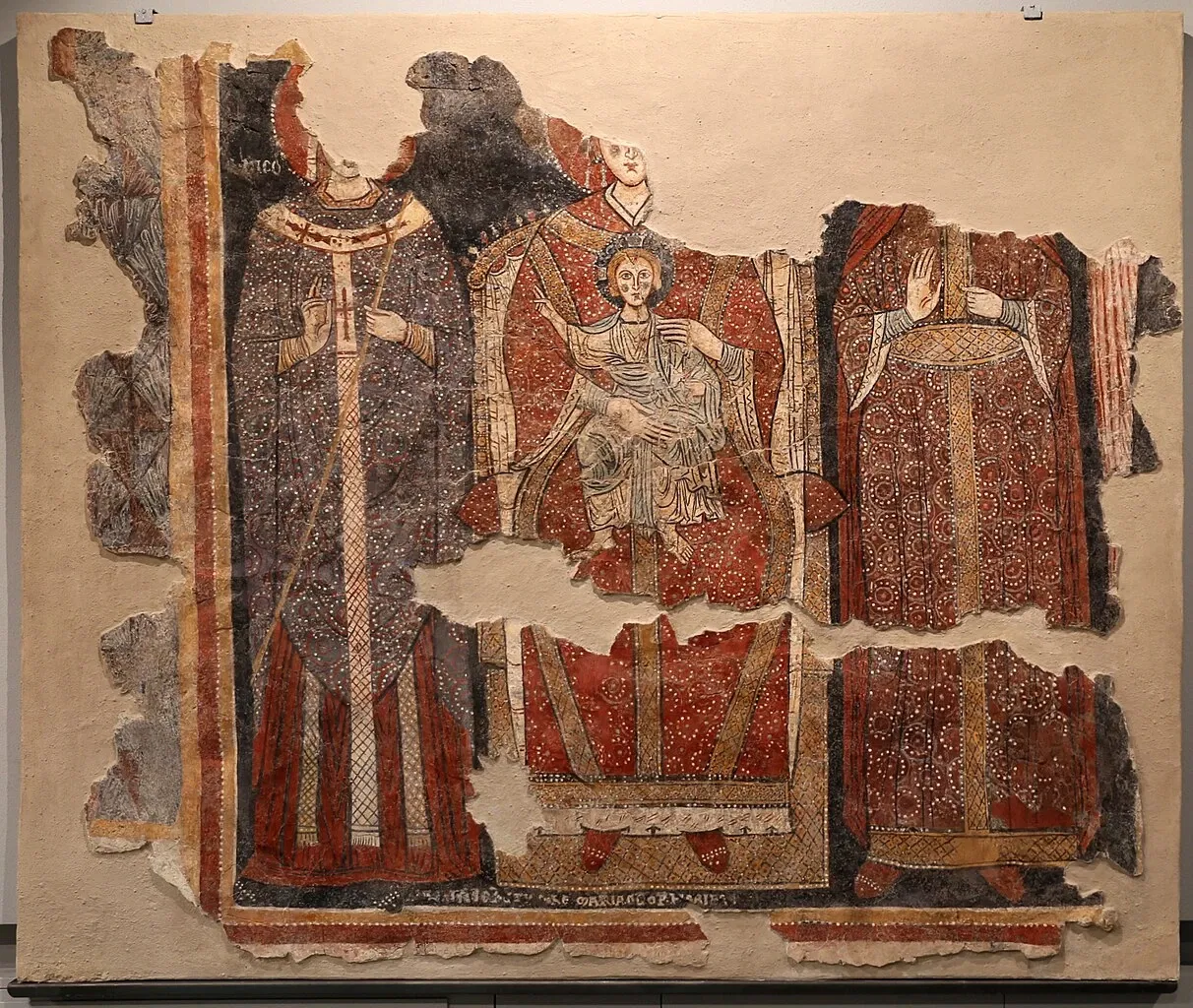
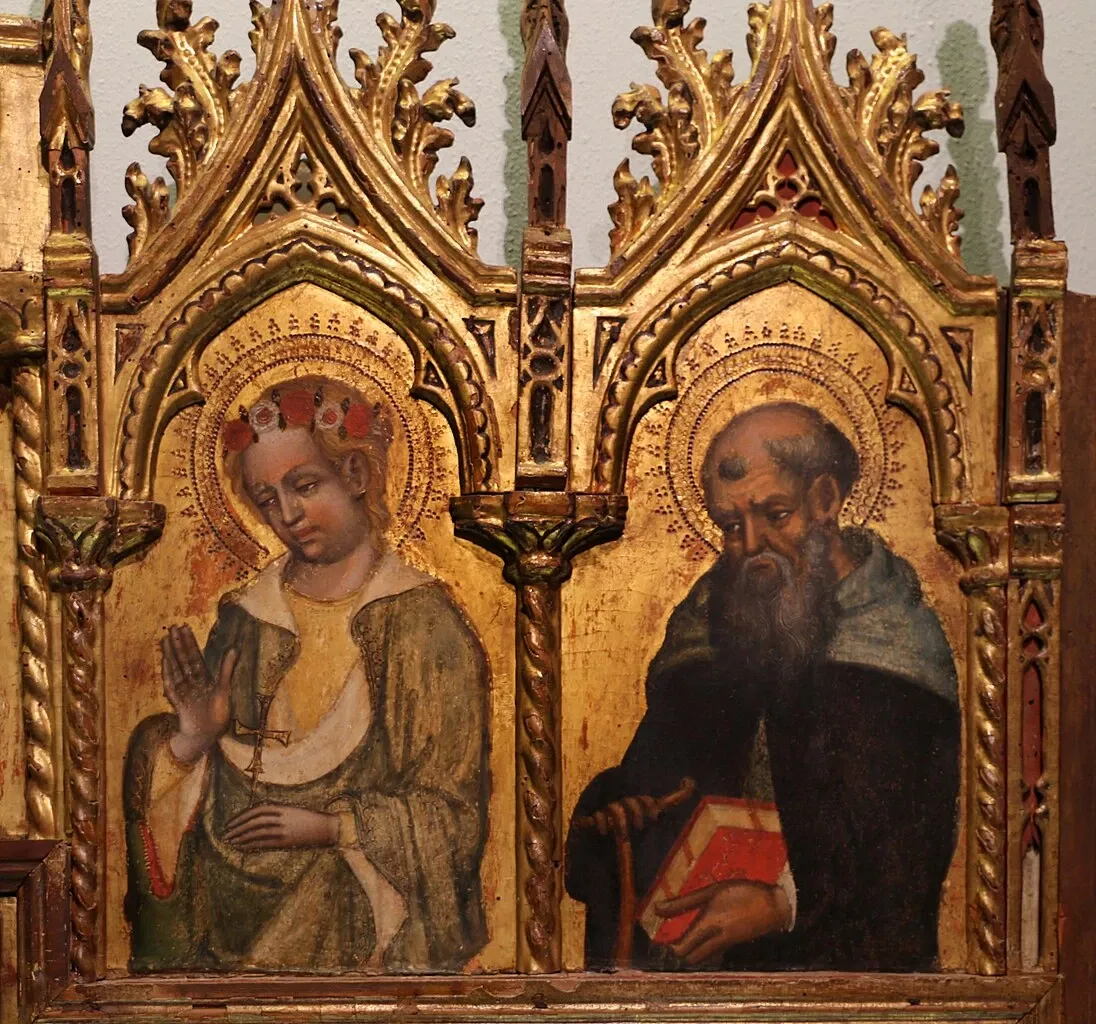
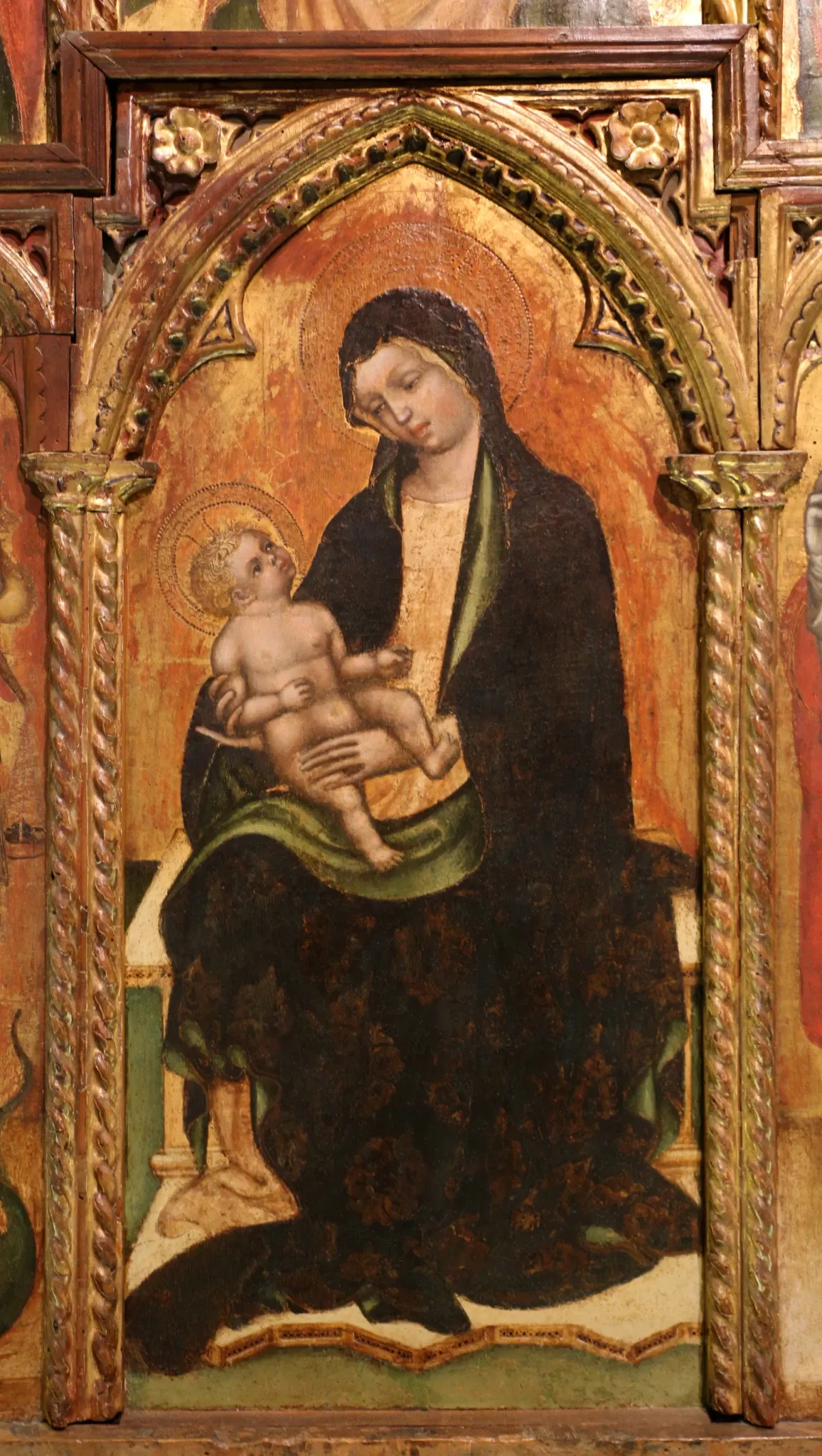
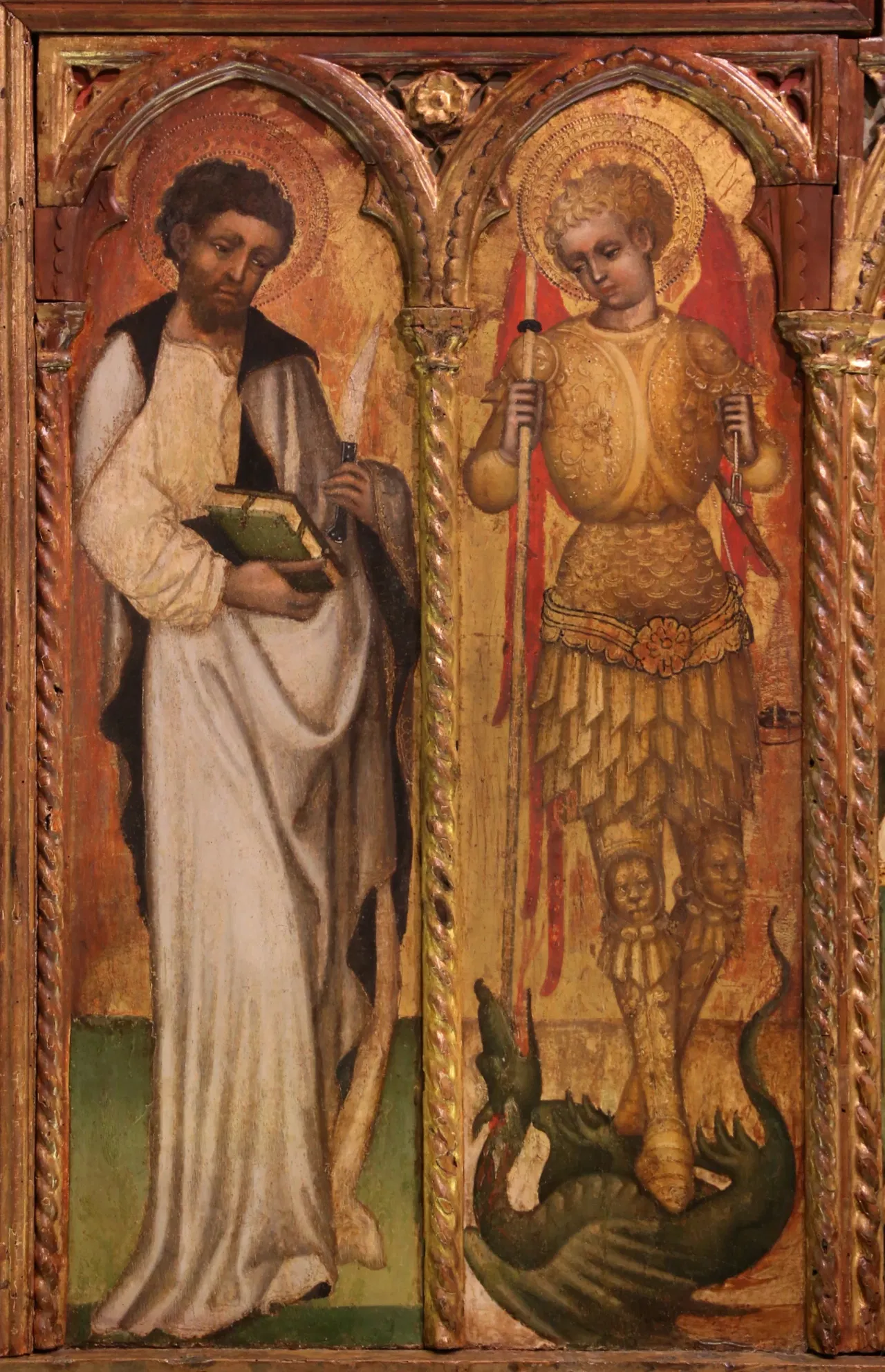
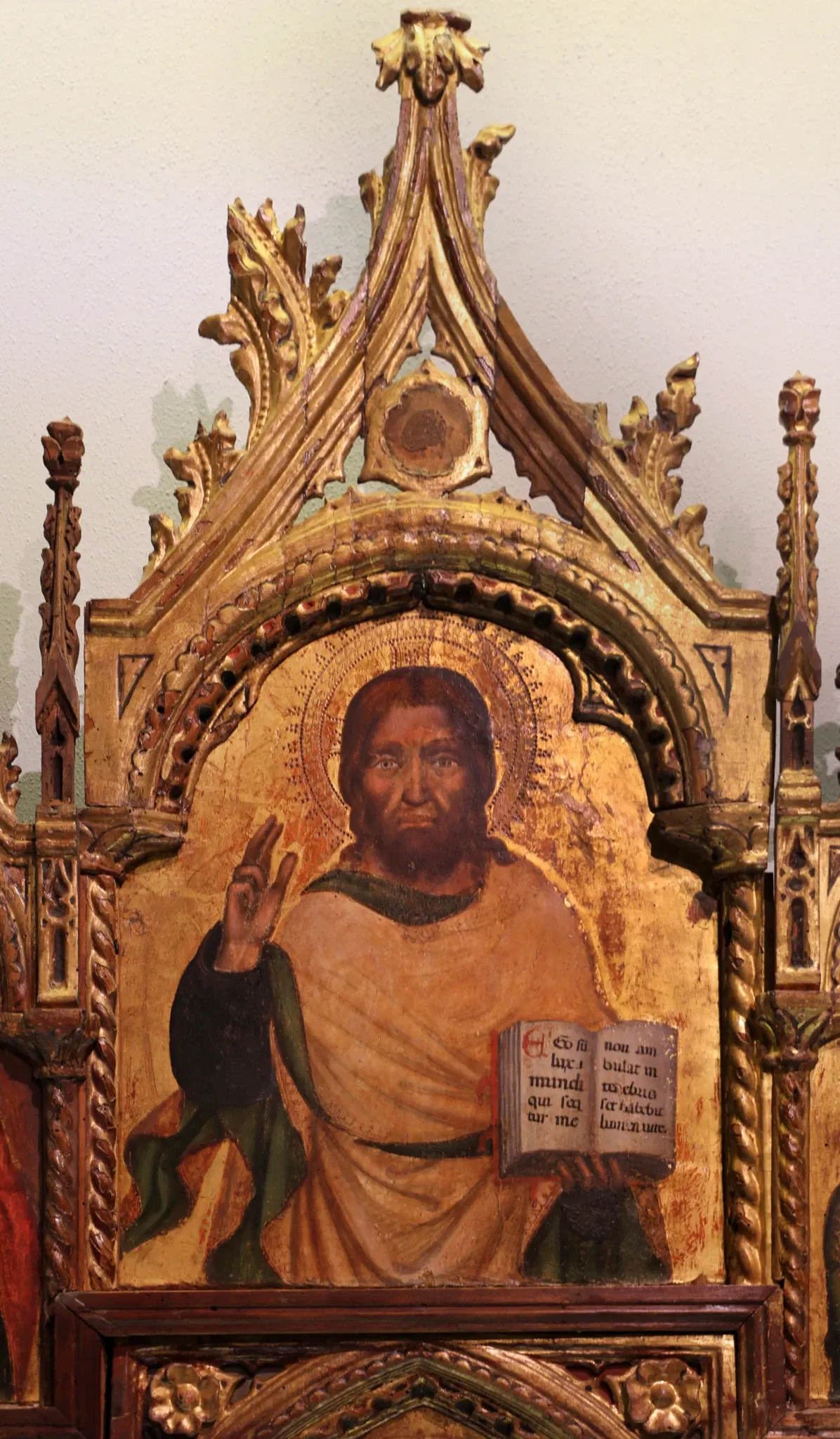
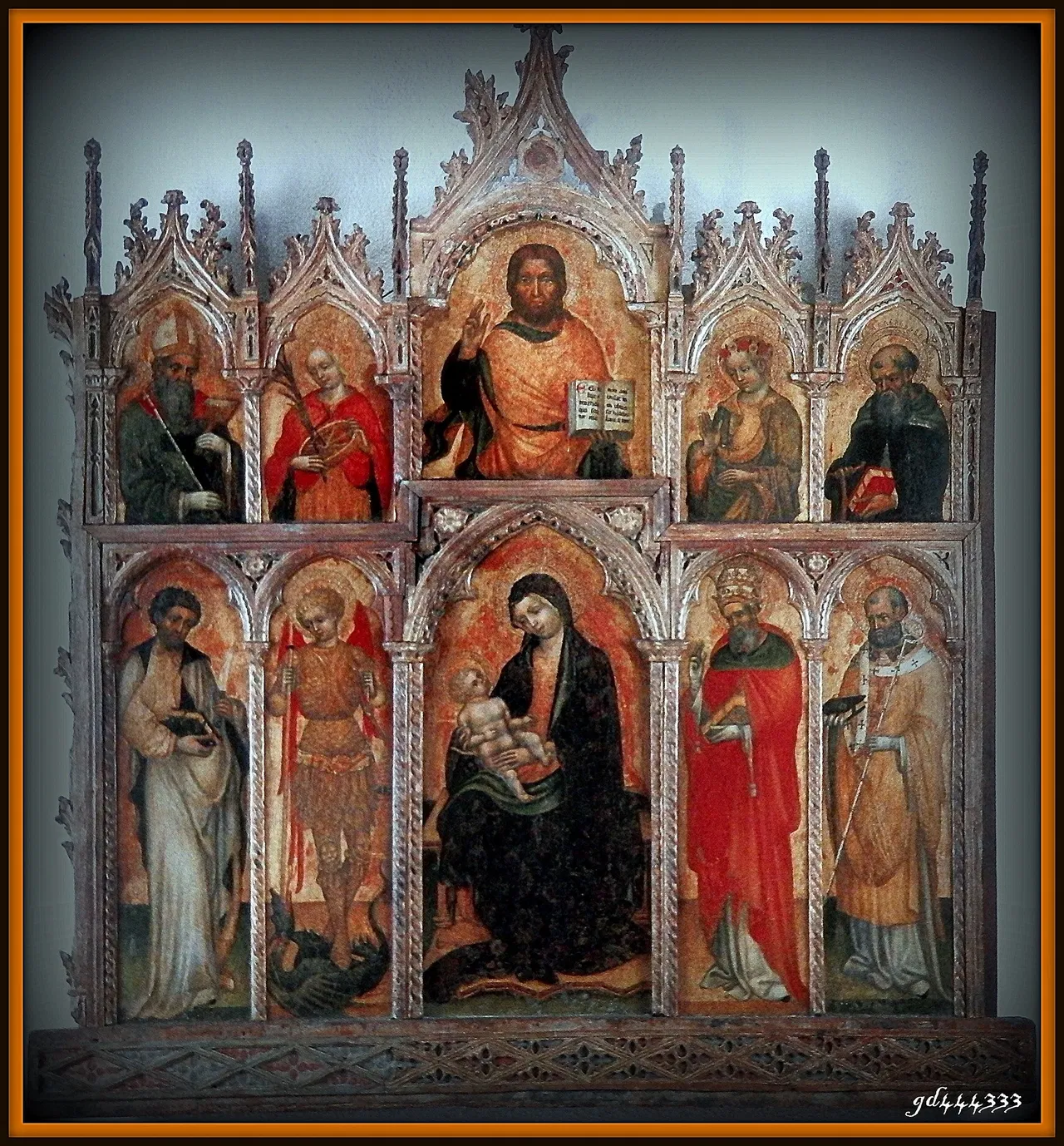

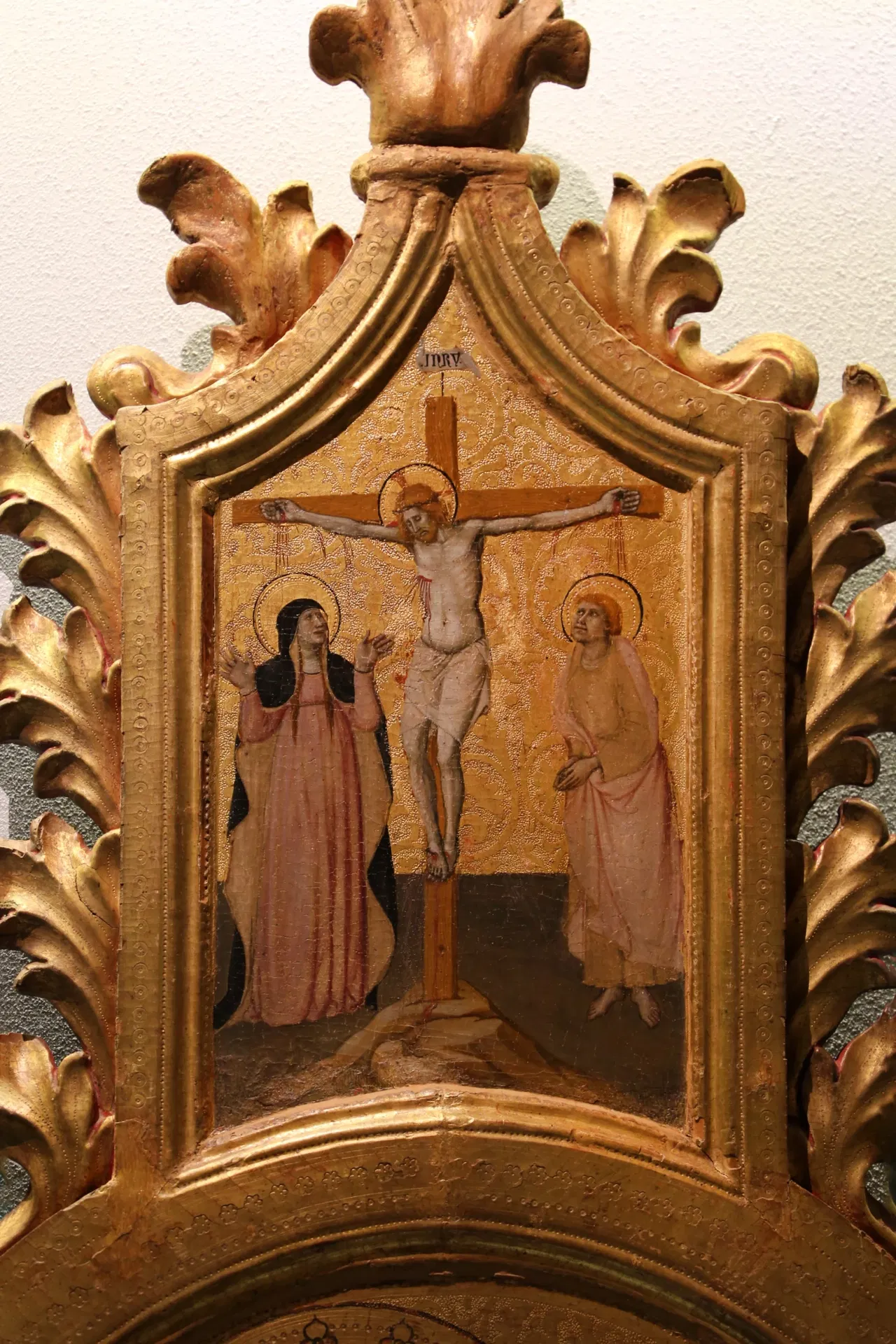
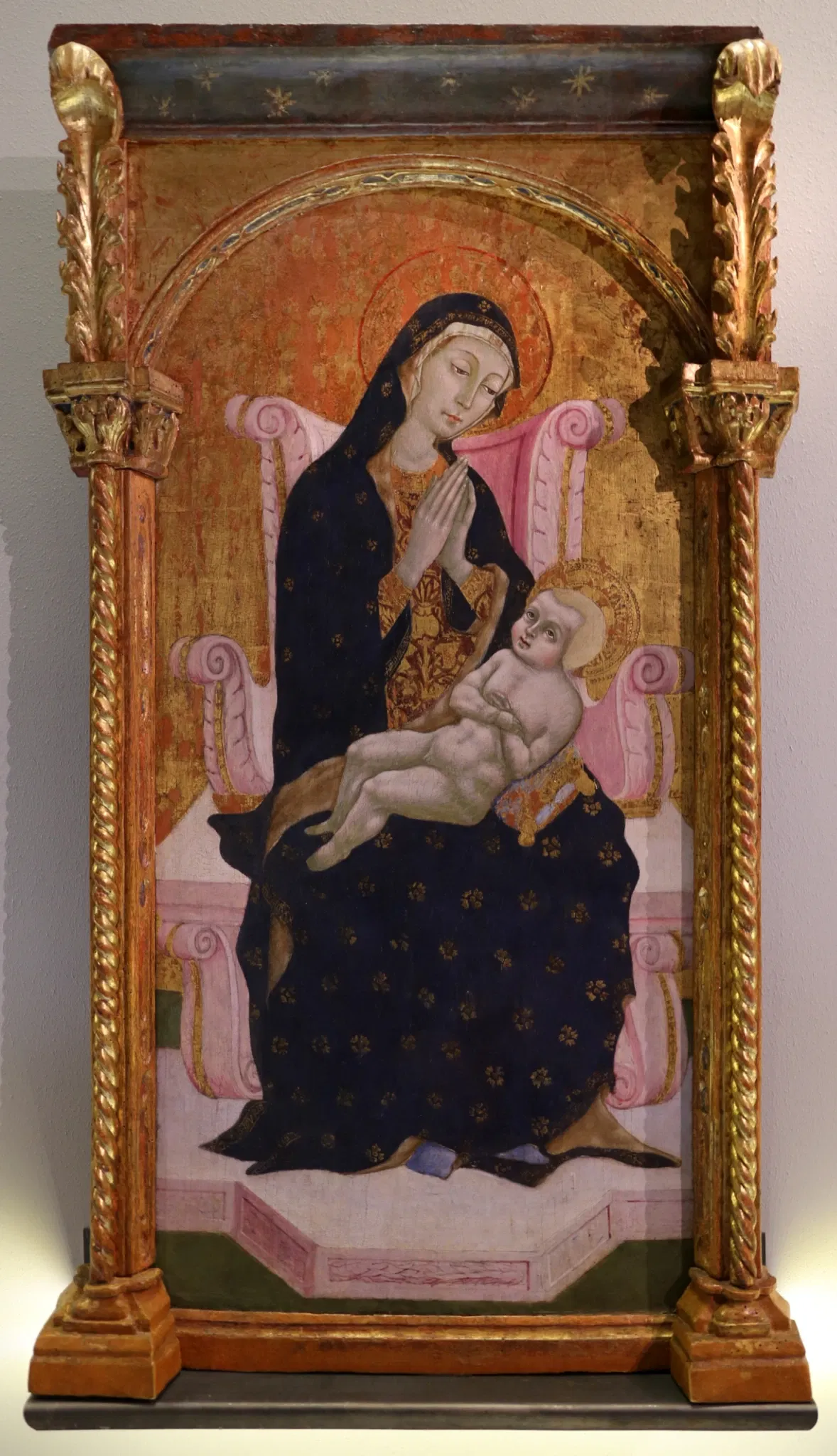



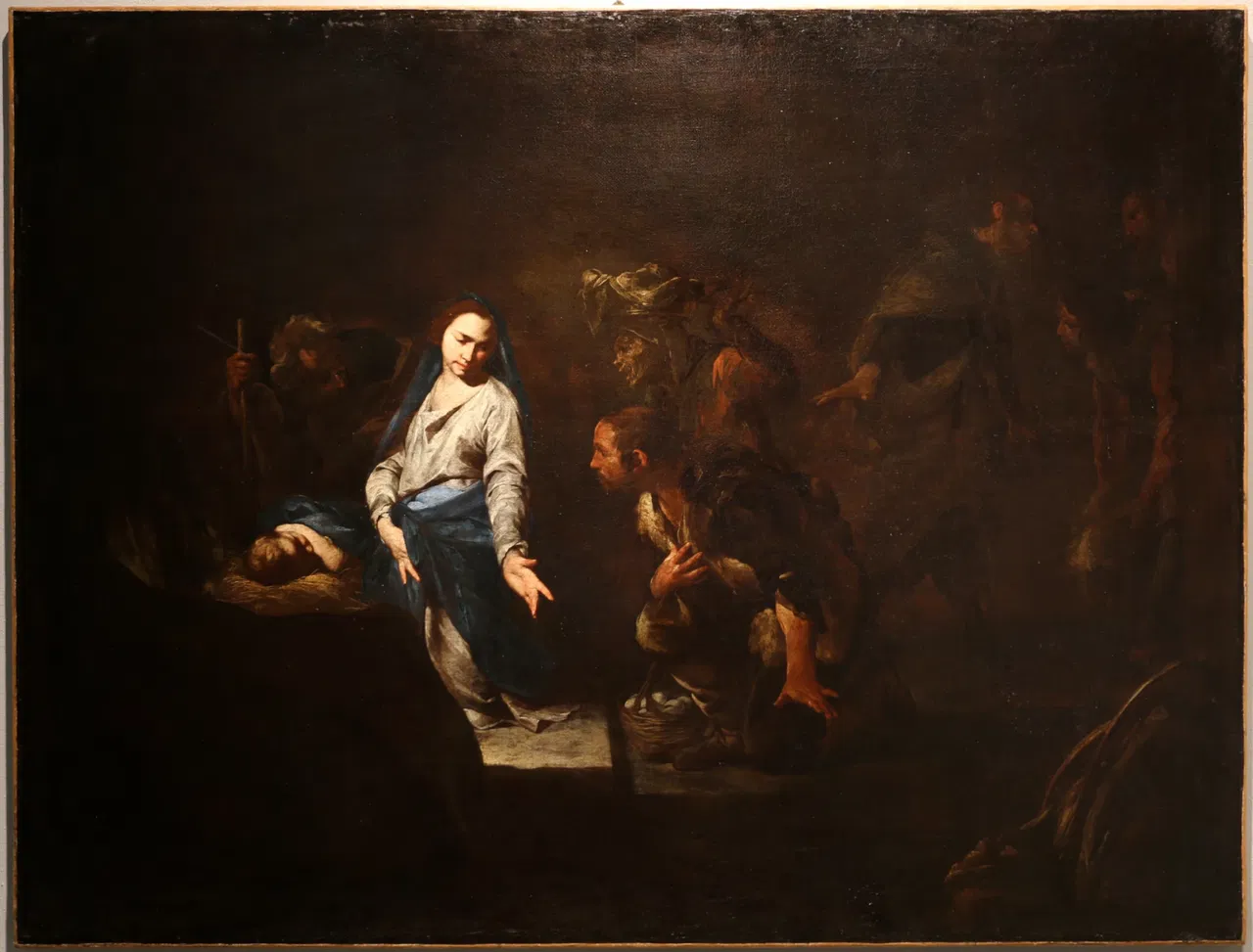



The National Museum of Abruzzo, also known as MuNDA, is a state museum situated in the city of L'Aquila in Italy. It is one of the most significant museums in the country, showcasing a wide range of art works, archaeological findings, and sculptures from the Abruzzo region.
Historically, the museum was housed in the Spanish fort. However, following the earthquake in 2009, it was relocated to an old slaughterhouse. Despite the change in location, the museum continues to serve as a significant cultural hub, preserving and showcasing the rich heritage of the Abruzzo region.
The museum is dedicated to the display of art works, archaeological findings, and sculptures from the Abruzzo region. This makes it one of the most important museums in Italy, offering visitors a comprehensive insight into the region's rich cultural and historical heritage.
The museum's collection is diverse and extensive, including a large skeleton of a mammuthus meridionalis, various paintings and sculptures, and religious artifacts from the 13th century. These exhibits provide a fascinating glimpse into the region's past and its artistic and cultural evolution.
History & Anthropology
Via Tancredi da Pentima, L'Aquila
No exhibitions in National Museum of Abruzzo - MUNDA have been found.
National Museum of Abruzzo - MUNDA has 1 rating.
The National Museum of Abruzzo (MUNDA) in L'Aquila, Italy, offers visitors a comprehensive look at the region's rich history and cultural heritage. Located in a restored 16th-century Spanish fortress, the museum itself is an architectural attraction. The collection spans from prehistoric times to the modern era, featuring archaeological artifacts, medieval art, and contemporary pieces.
Visitors often praise the well-organized exhibits that provide a clear chronological journey through Abruzzo's past. The museum's collection of Roman sculptures and medieval religious art are particularly noteworthy. Many reviewers appreciate the informative displays and the effort to present the region's history in context.
However, some visitors note that not all information is available in English, which can be a drawback for international tourists. Additionally, while the museum's location in the historic center of L'Aquila is convenient, a few reviewers mention limited parking options nearby.
The museum has received positive feedback for its role in preserving and showcasing local heritage, especially following the devastating 2009 earthquake. The restoration and reopening of MUNDA are seen as significant steps in L'Aquila's cultural recovery.
Overall, the National Museum of Abruzzo - MUNDA provides a valuable educational experience for those interested in Italian history and art, though it may not cater equally well to all international visitors due to language barriers.
This rating is based on the rating of this museum on several other platforms.