Images of National Archaeological Museum of Tarquinia
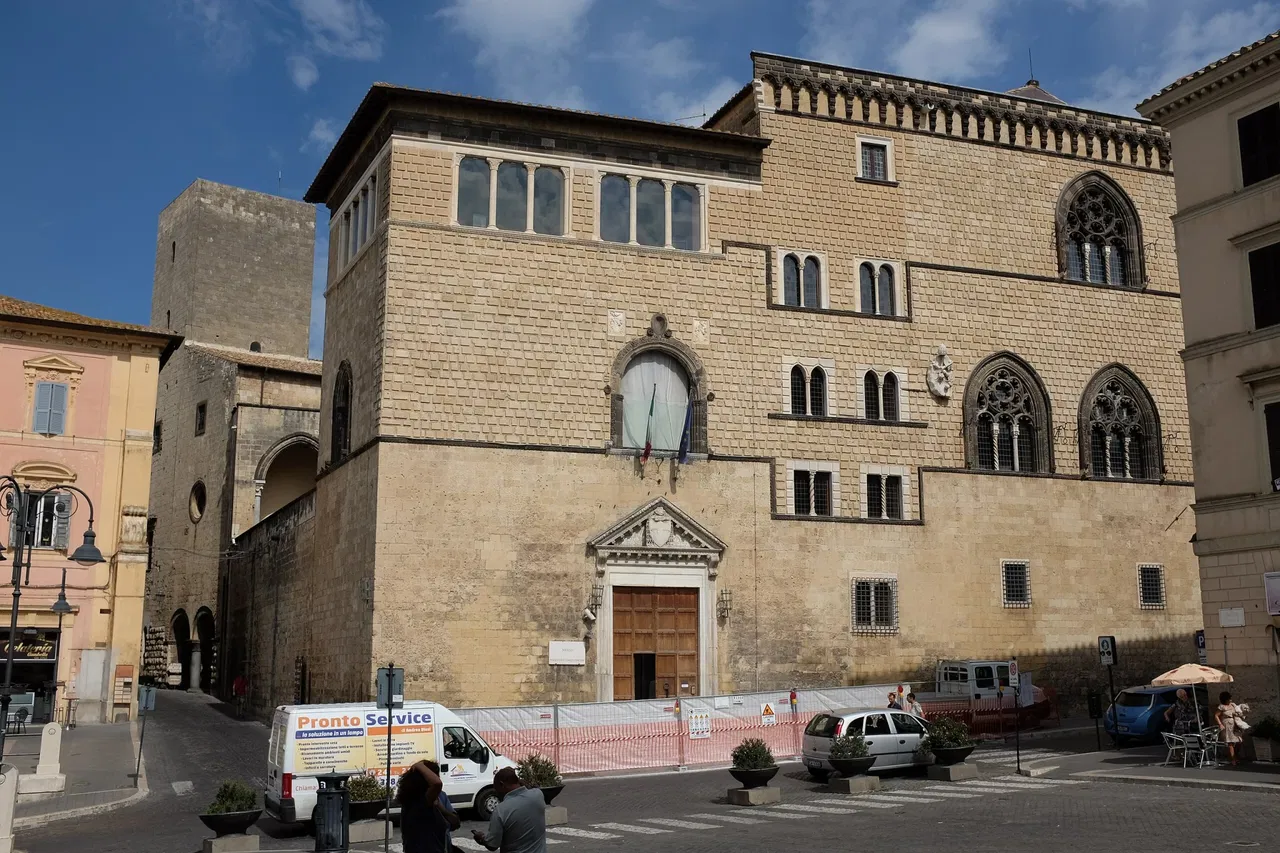
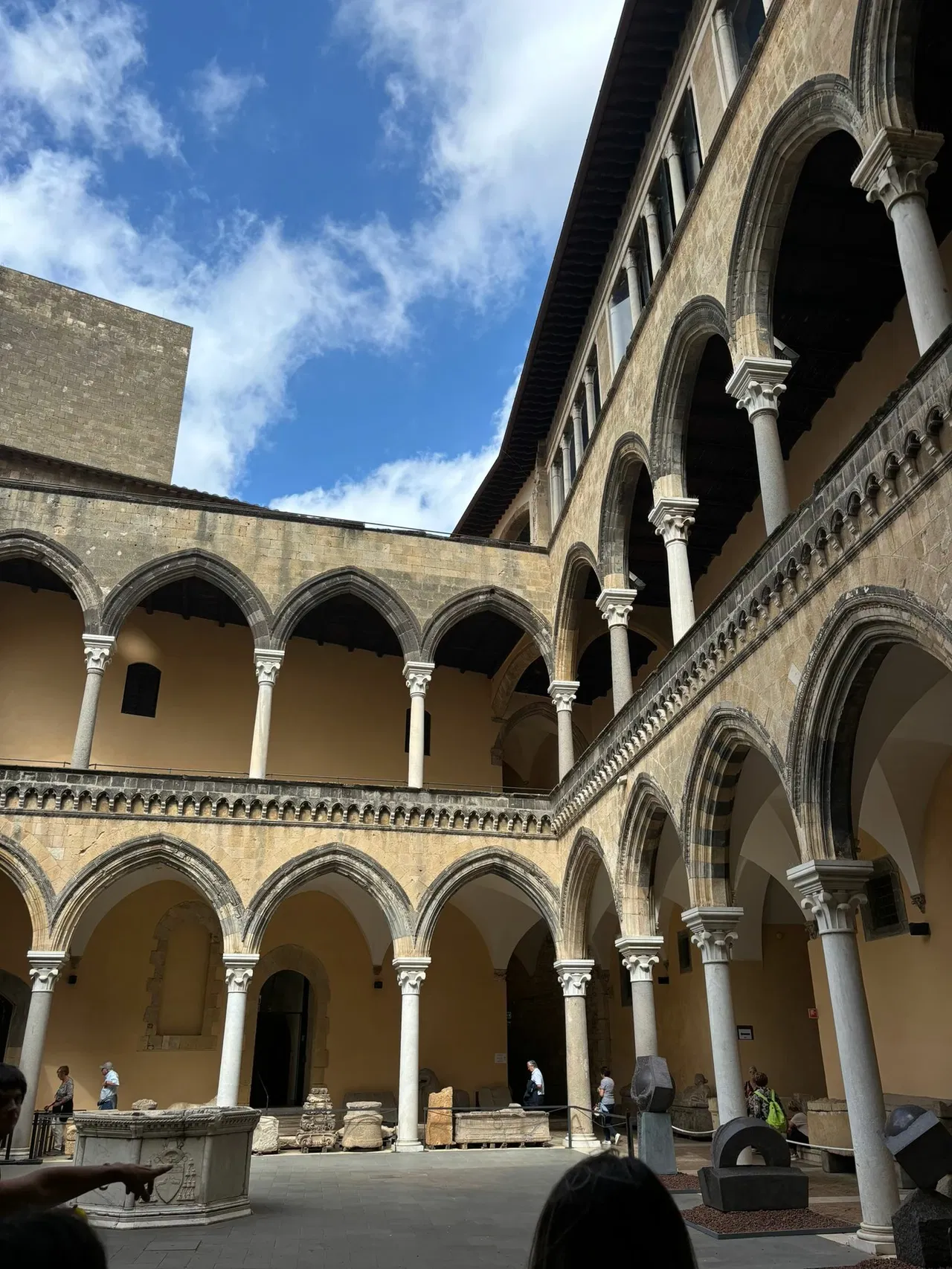
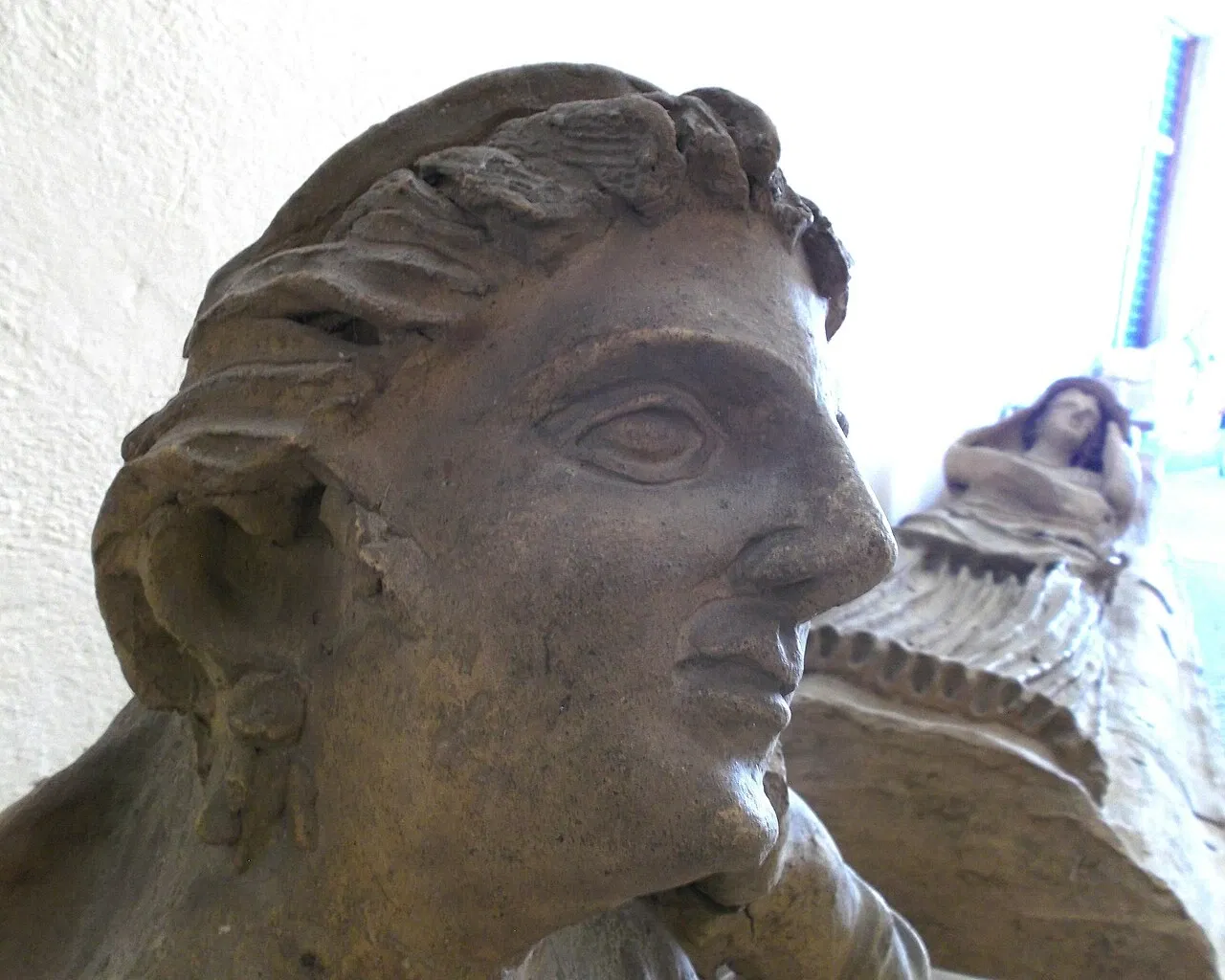
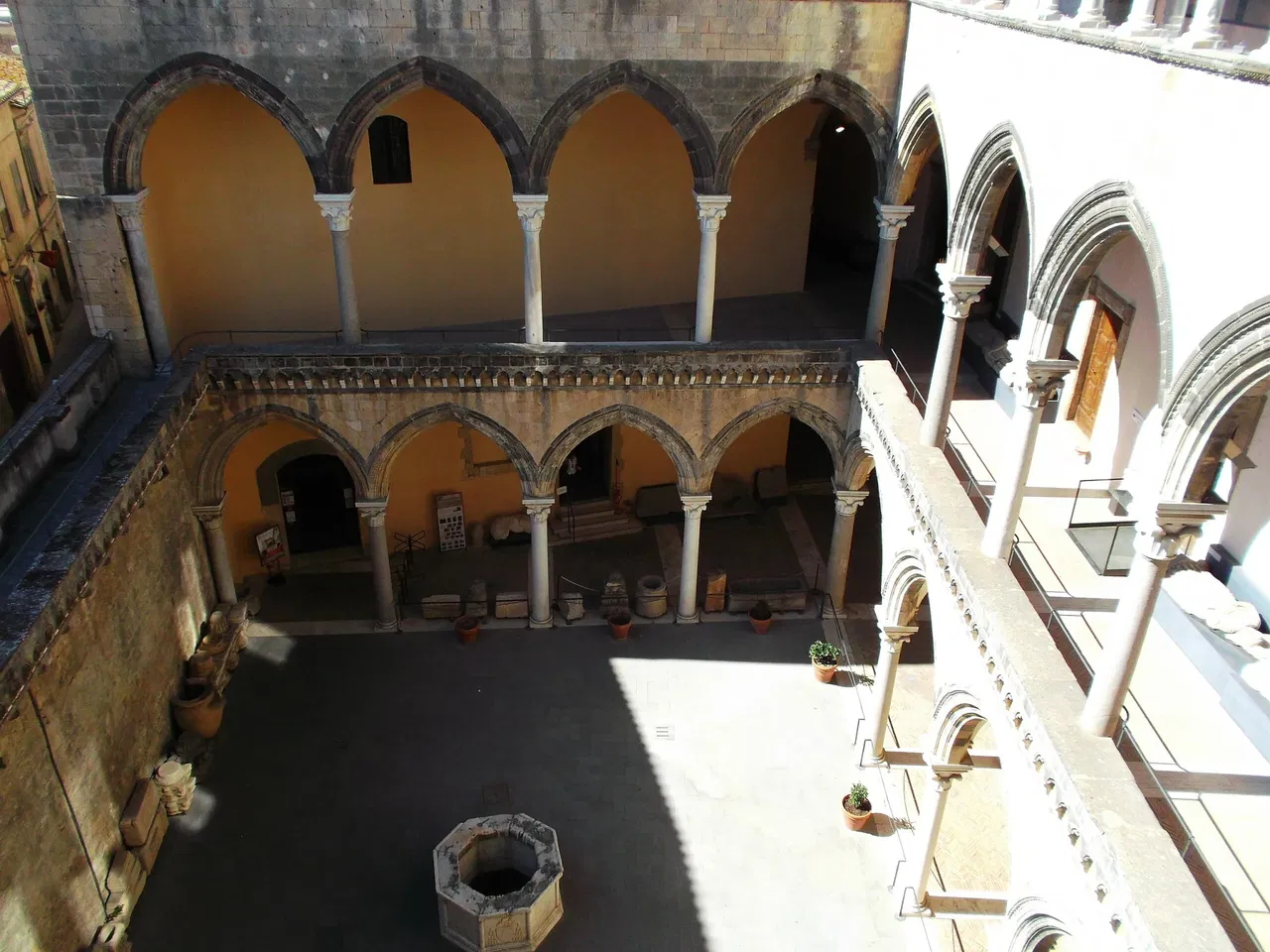
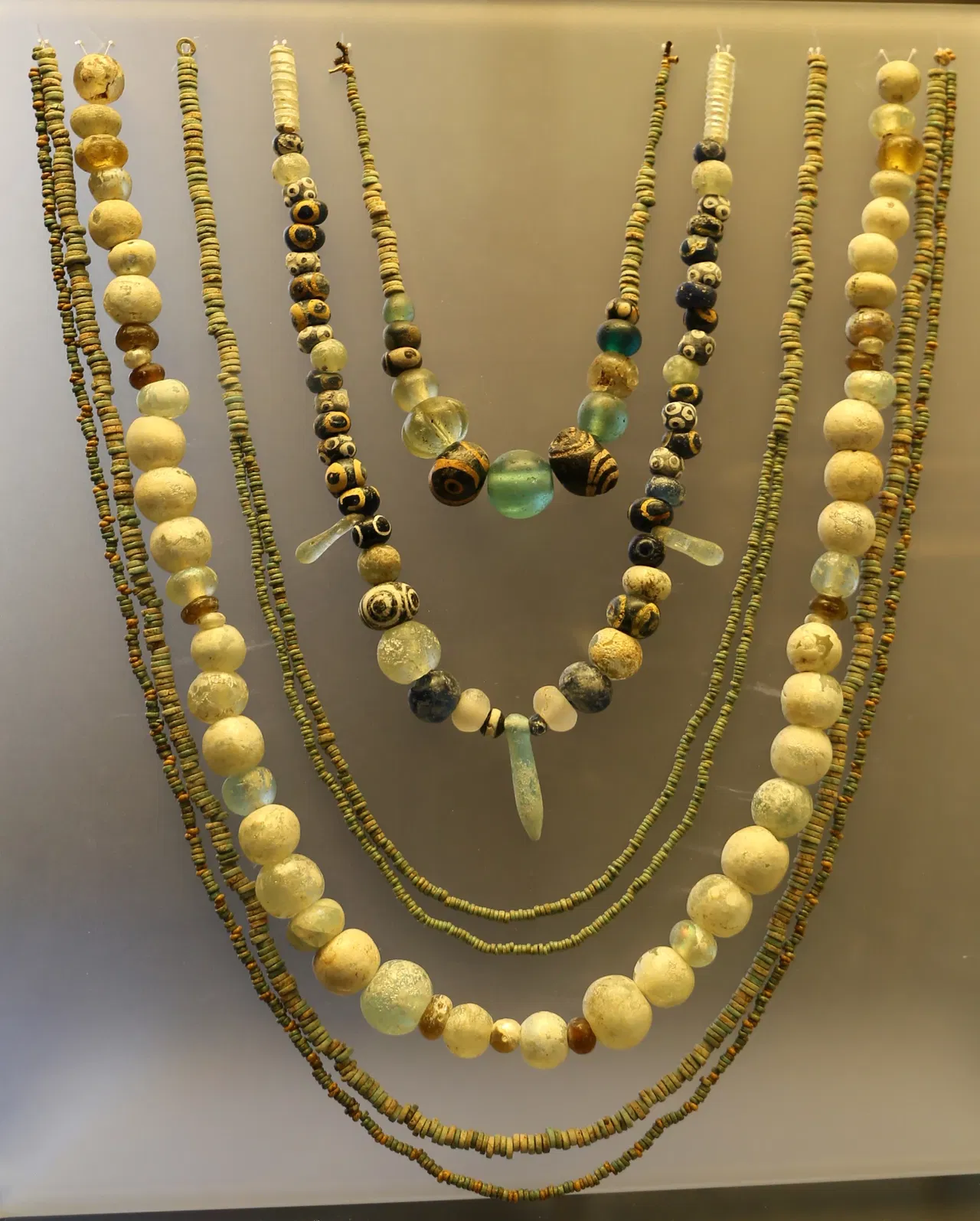
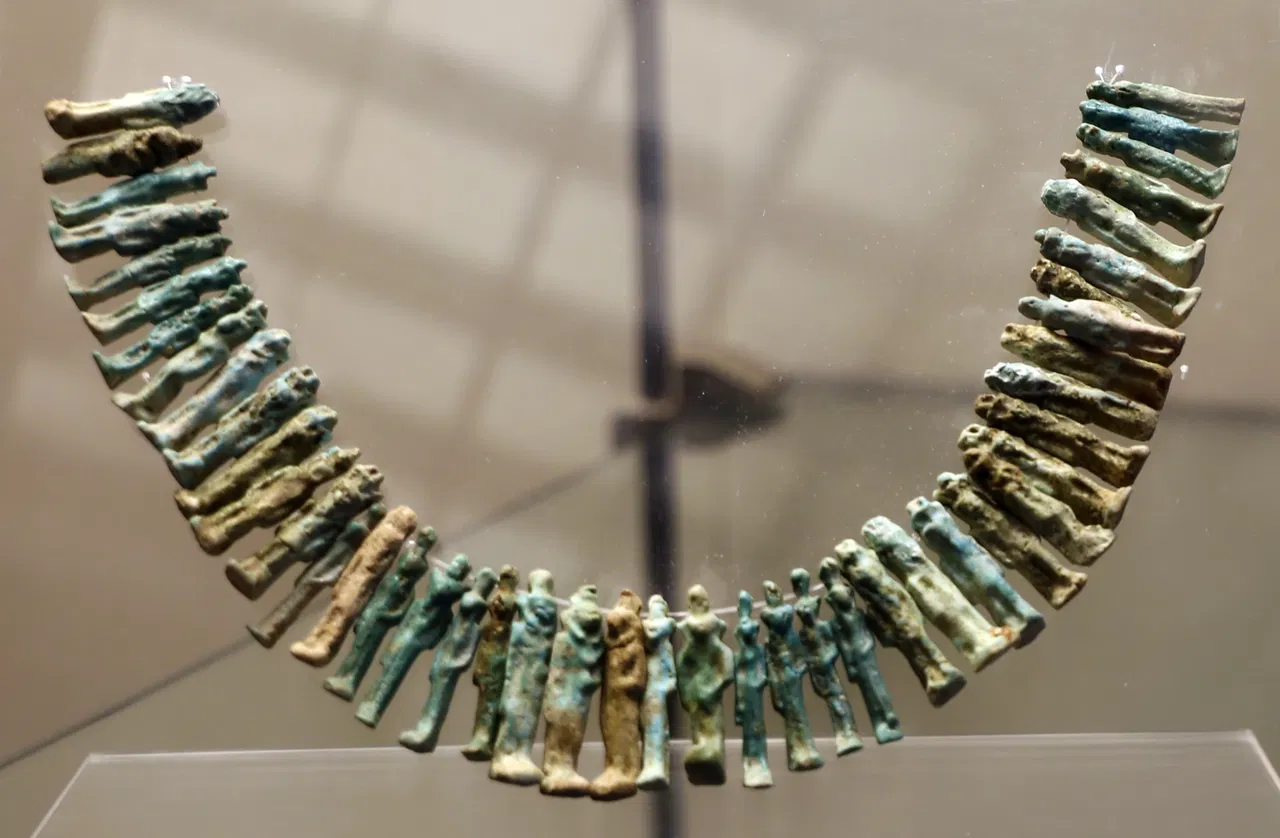
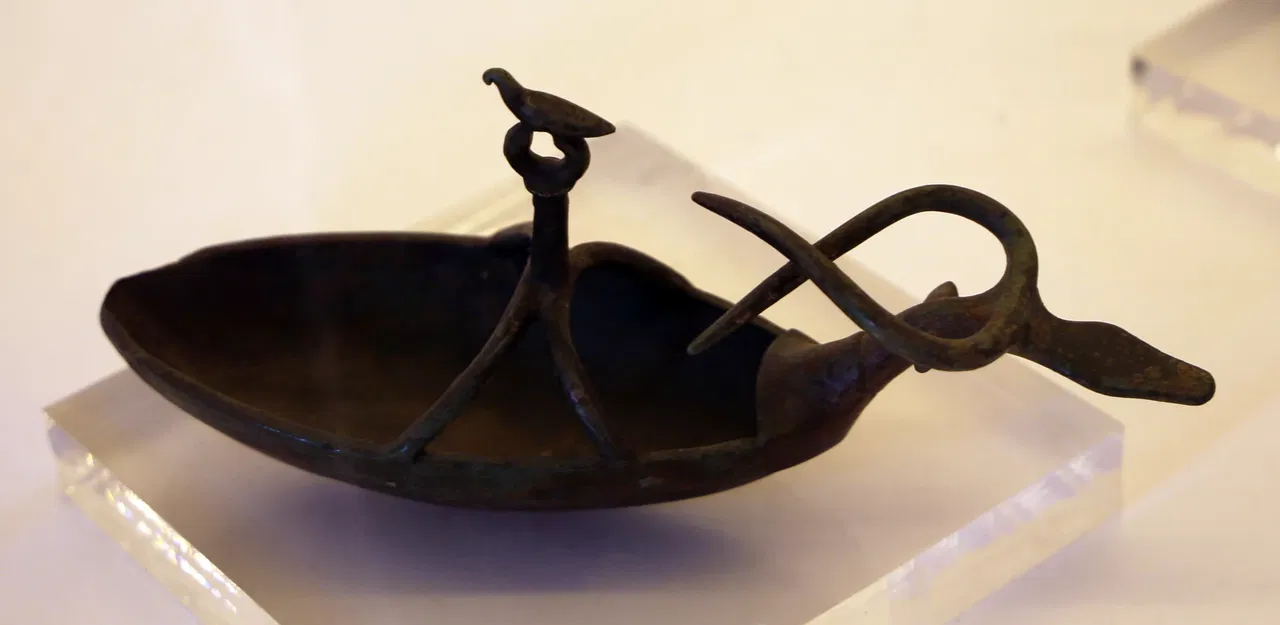
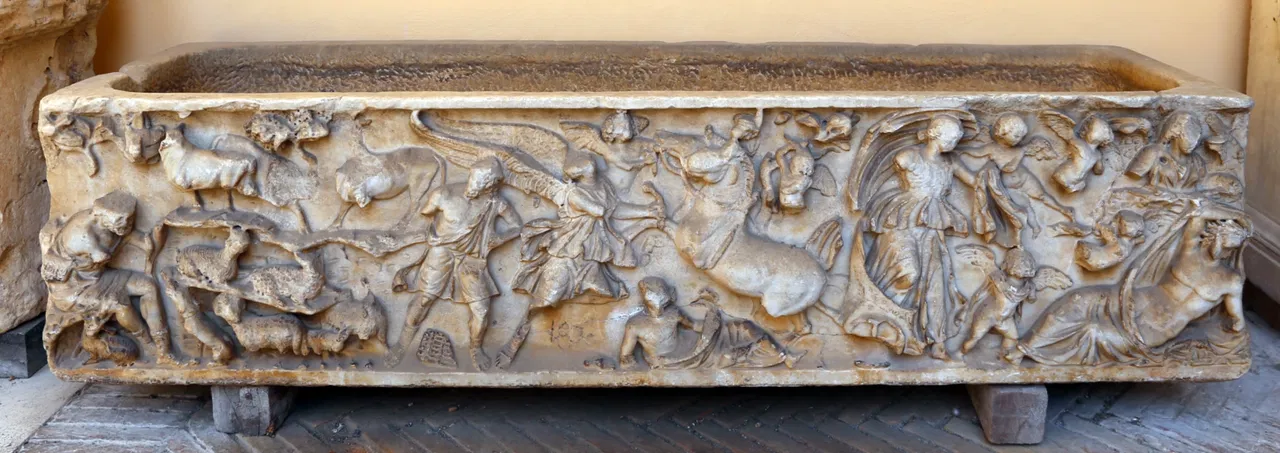
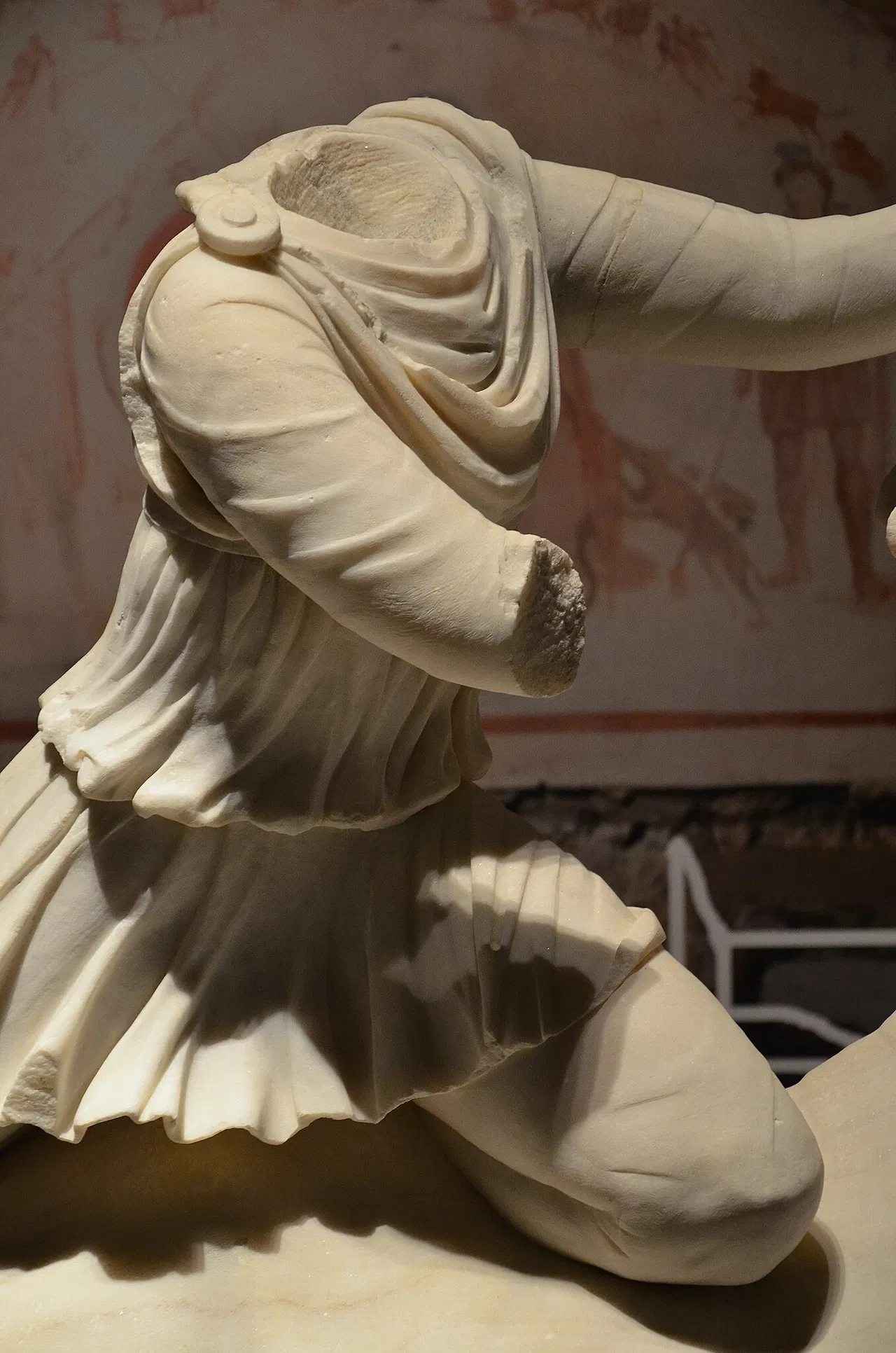
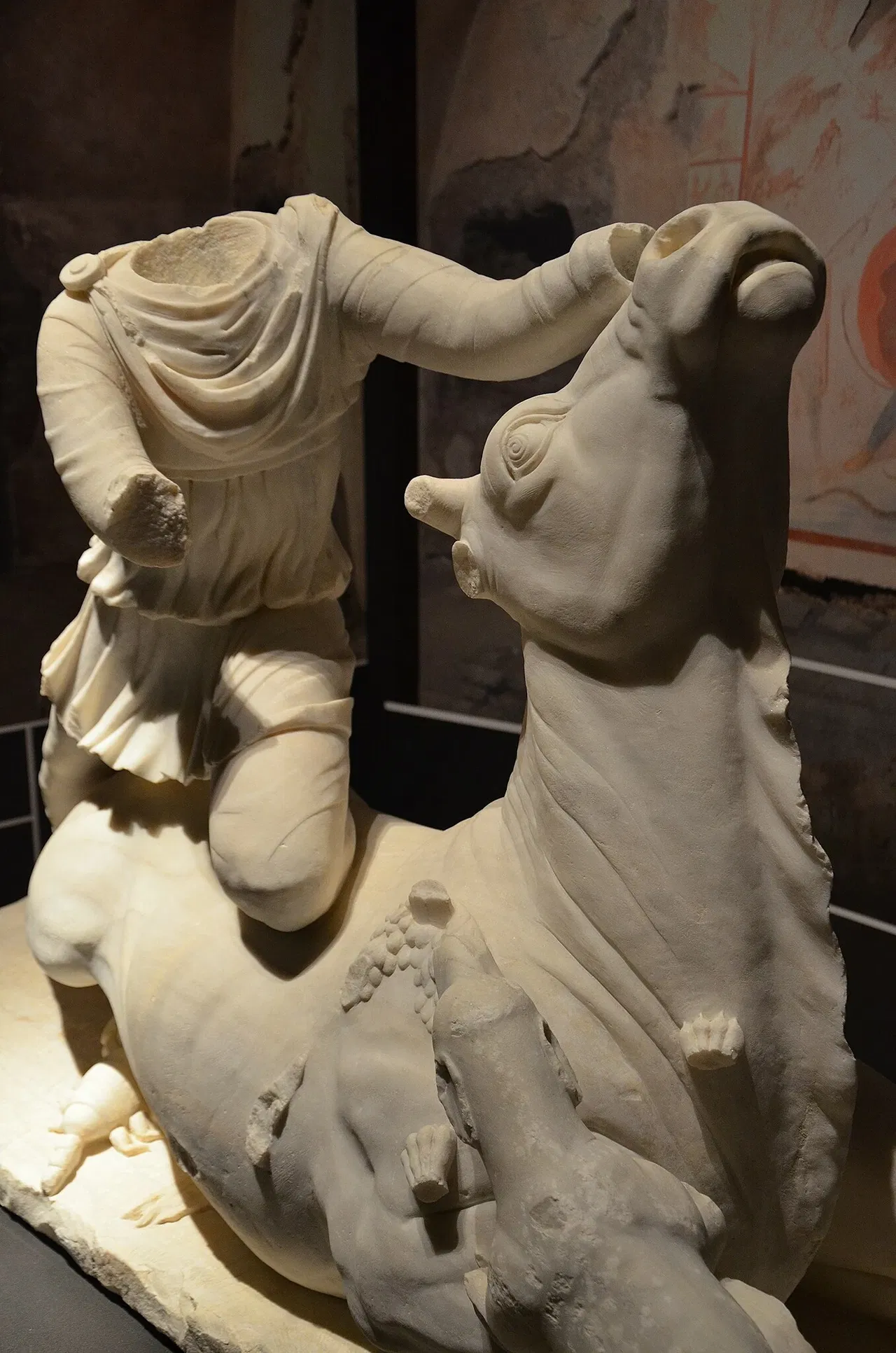
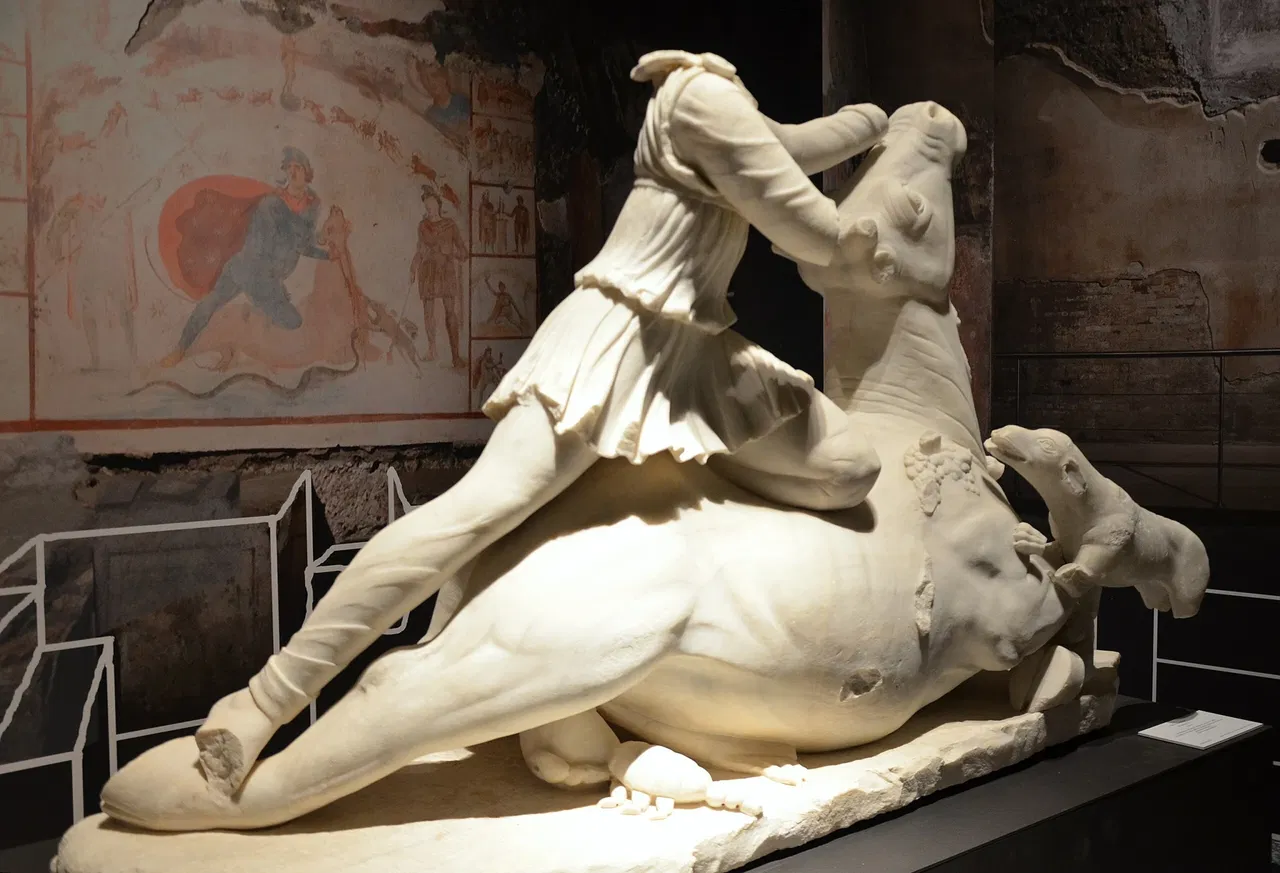
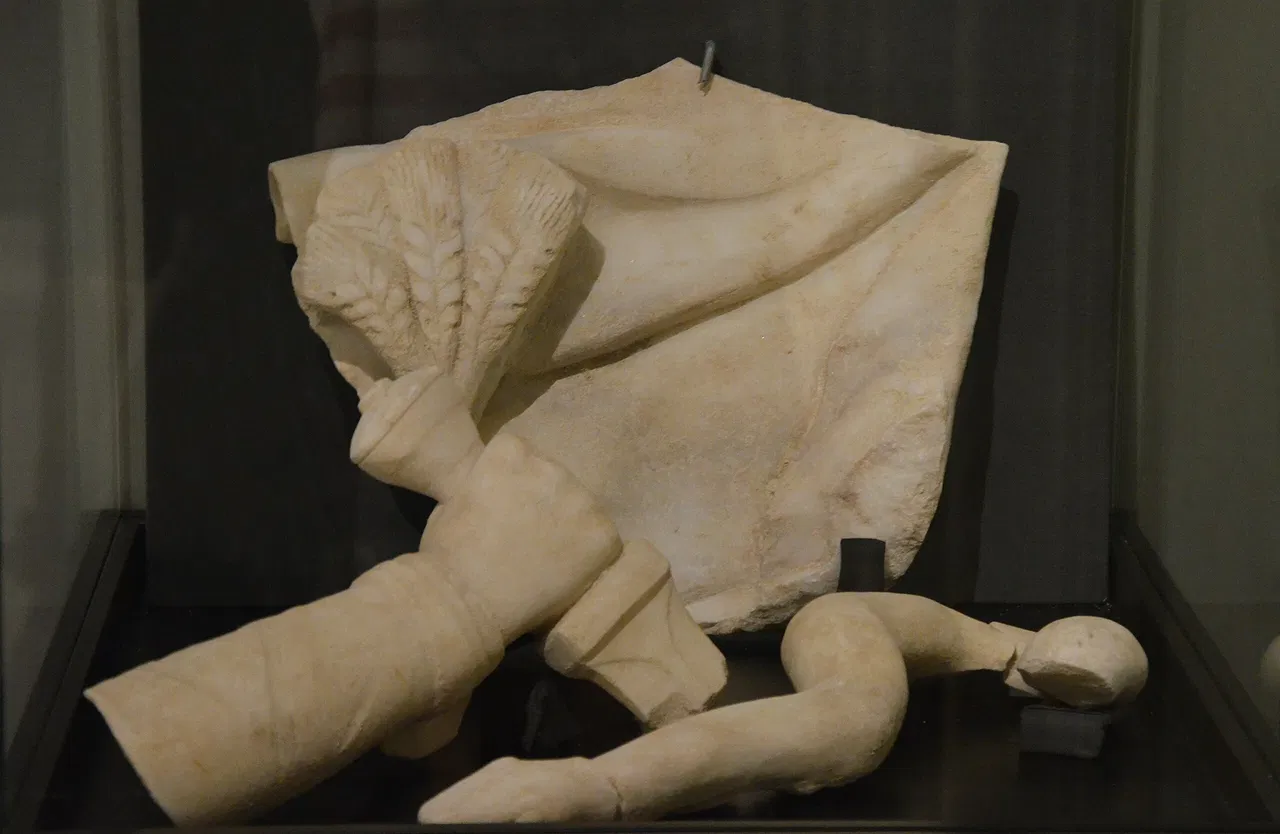
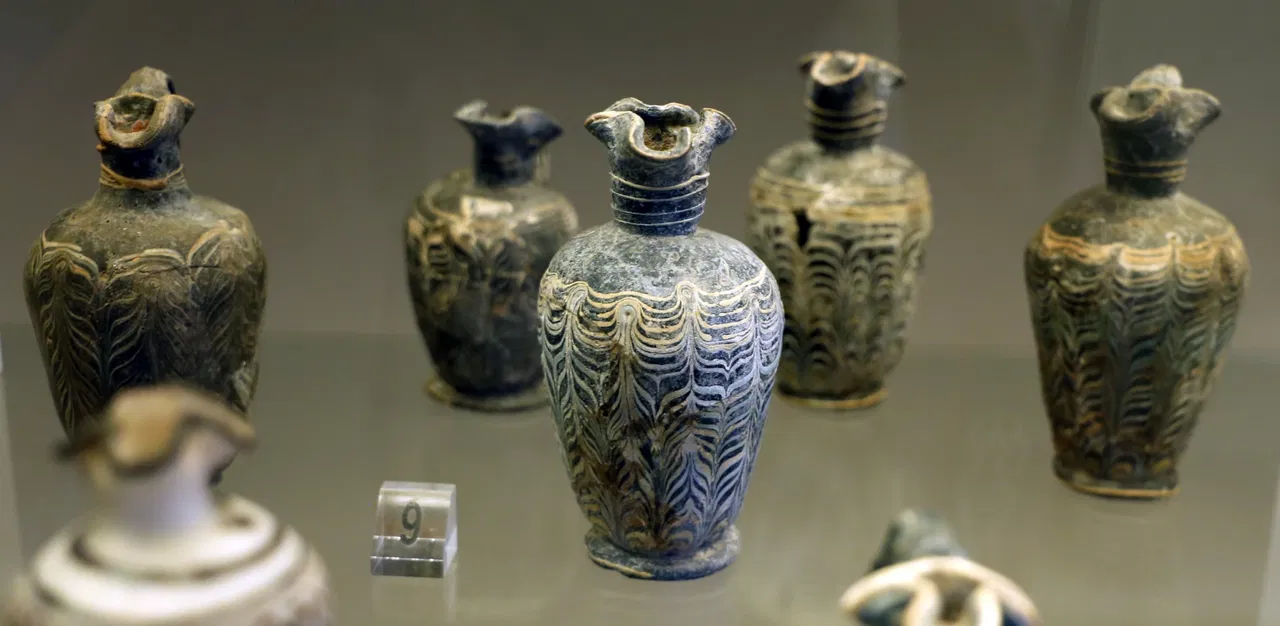
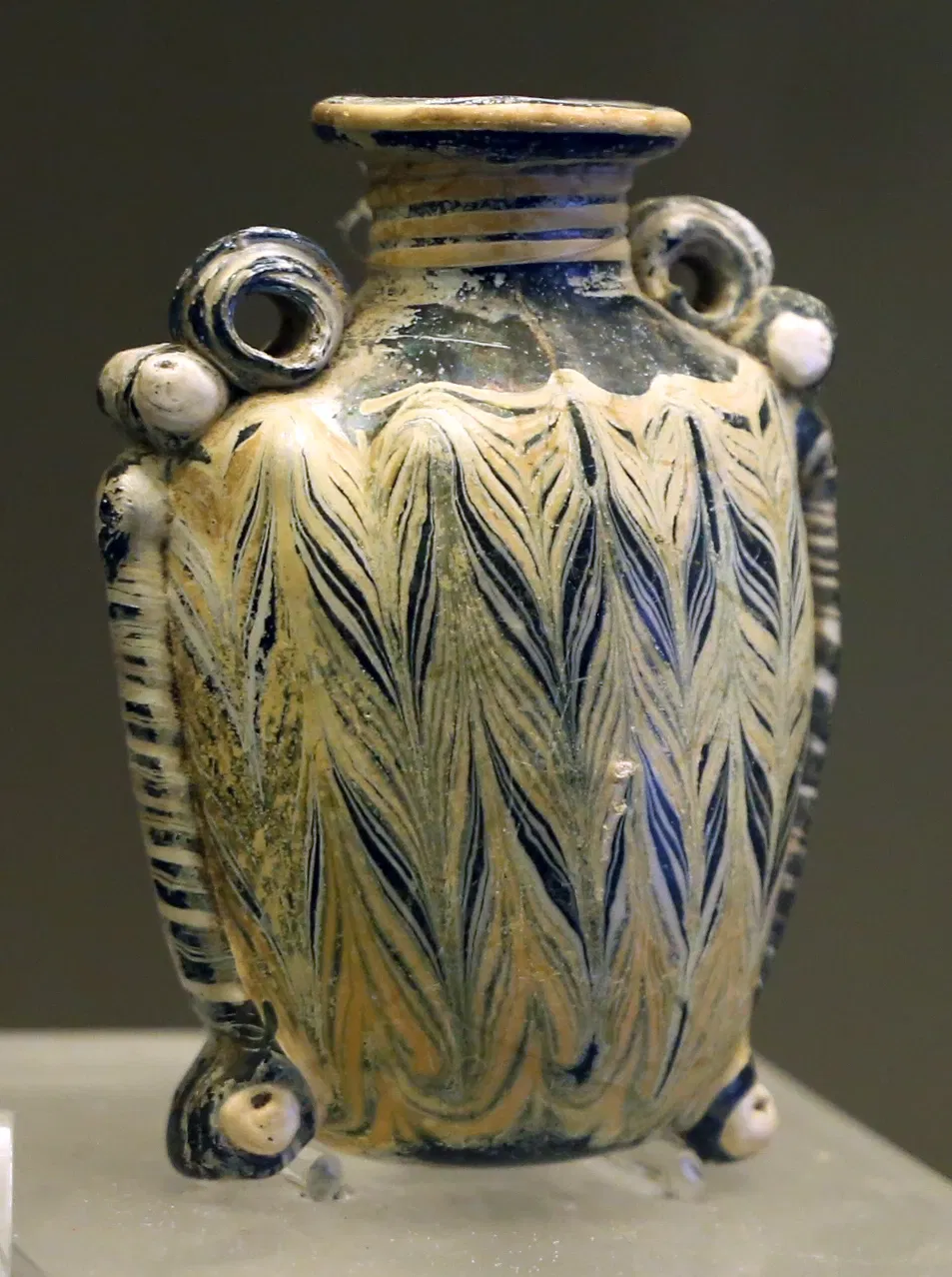
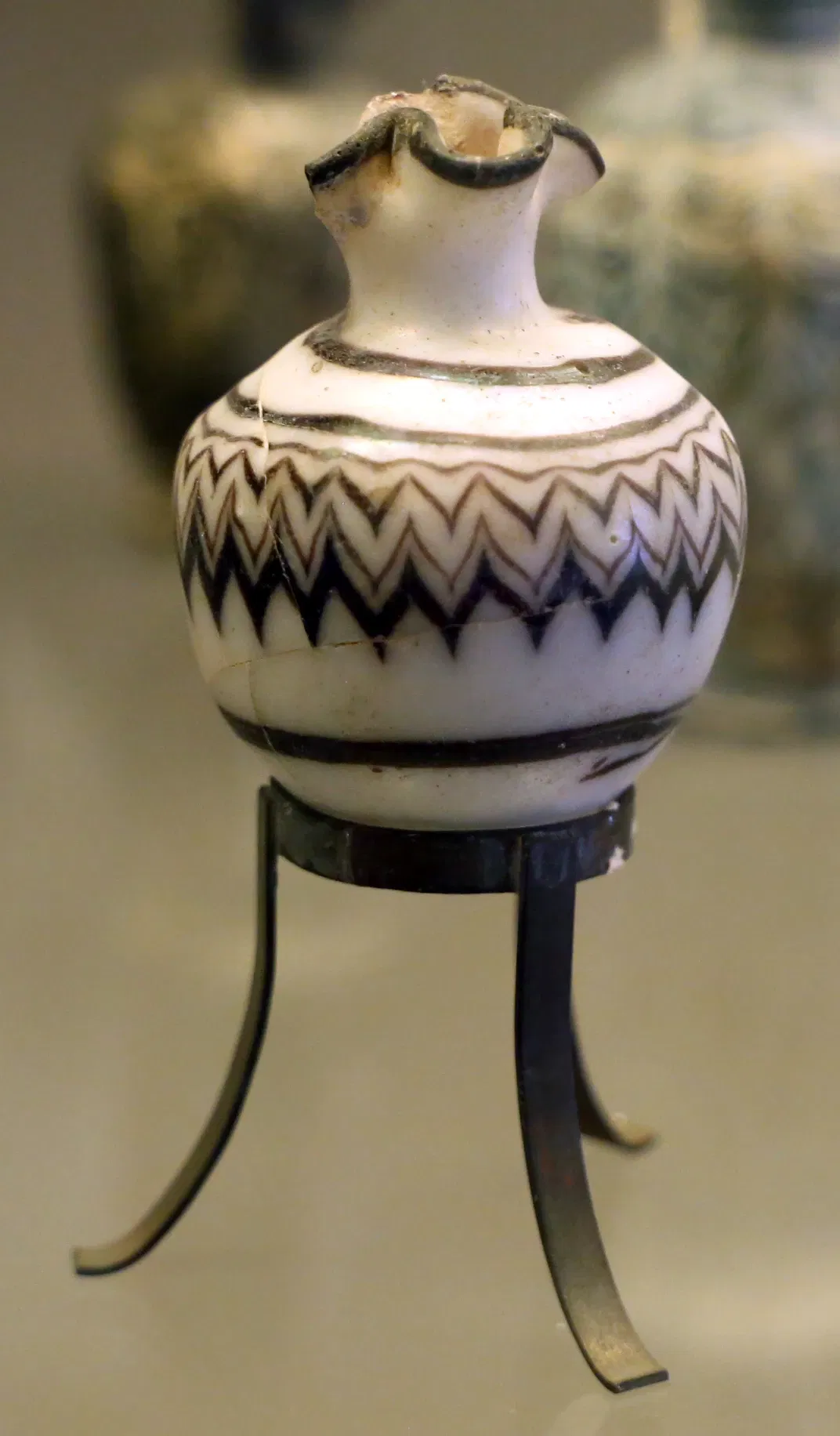
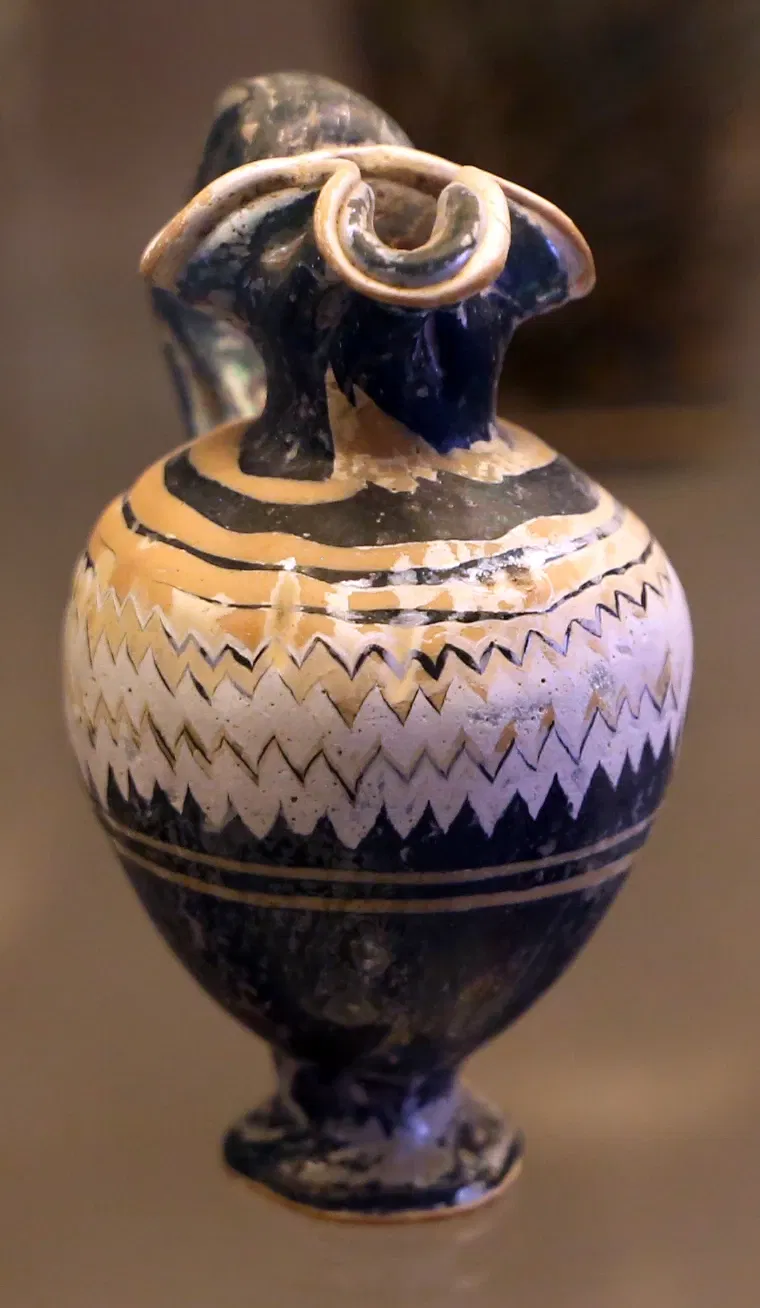
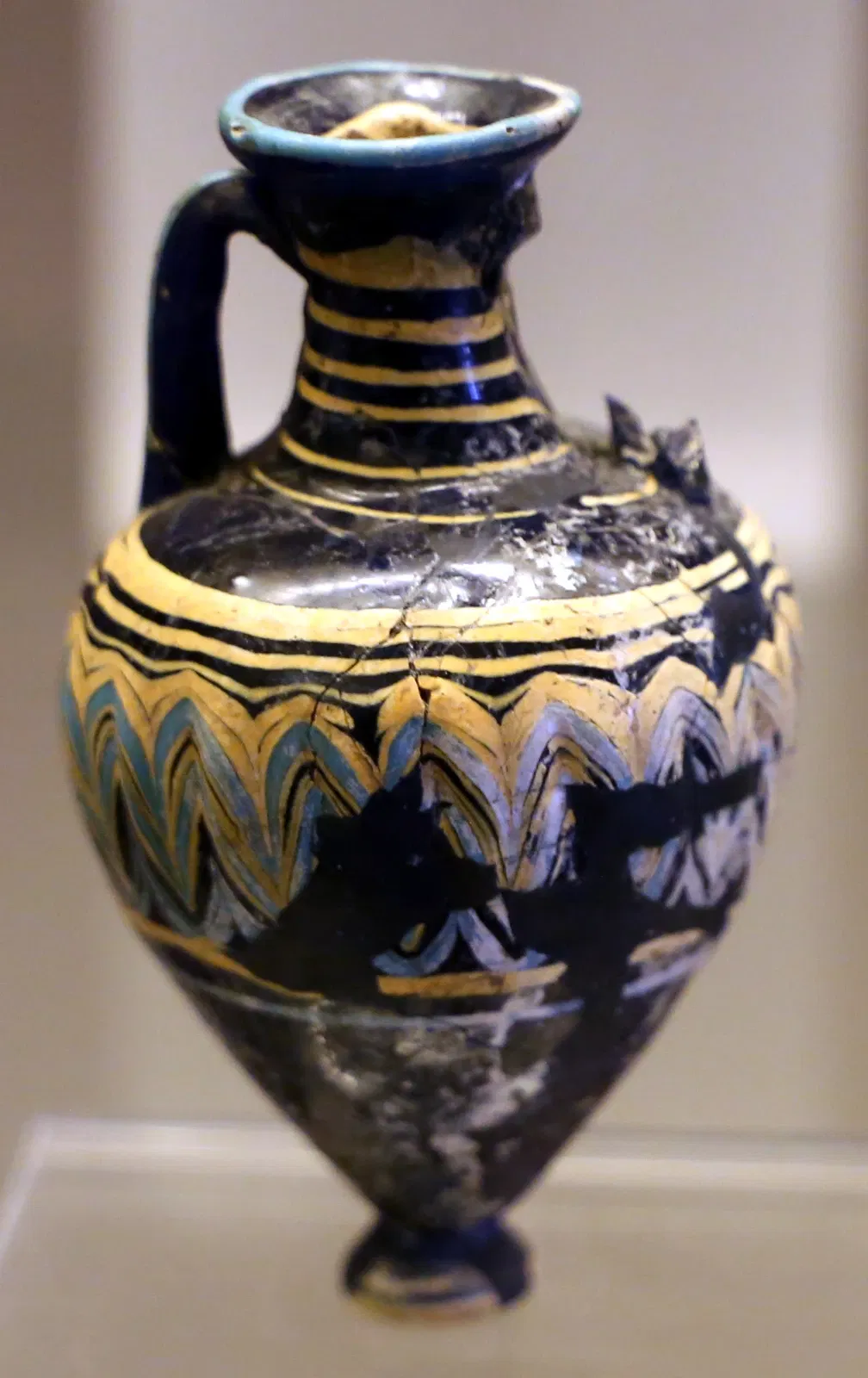
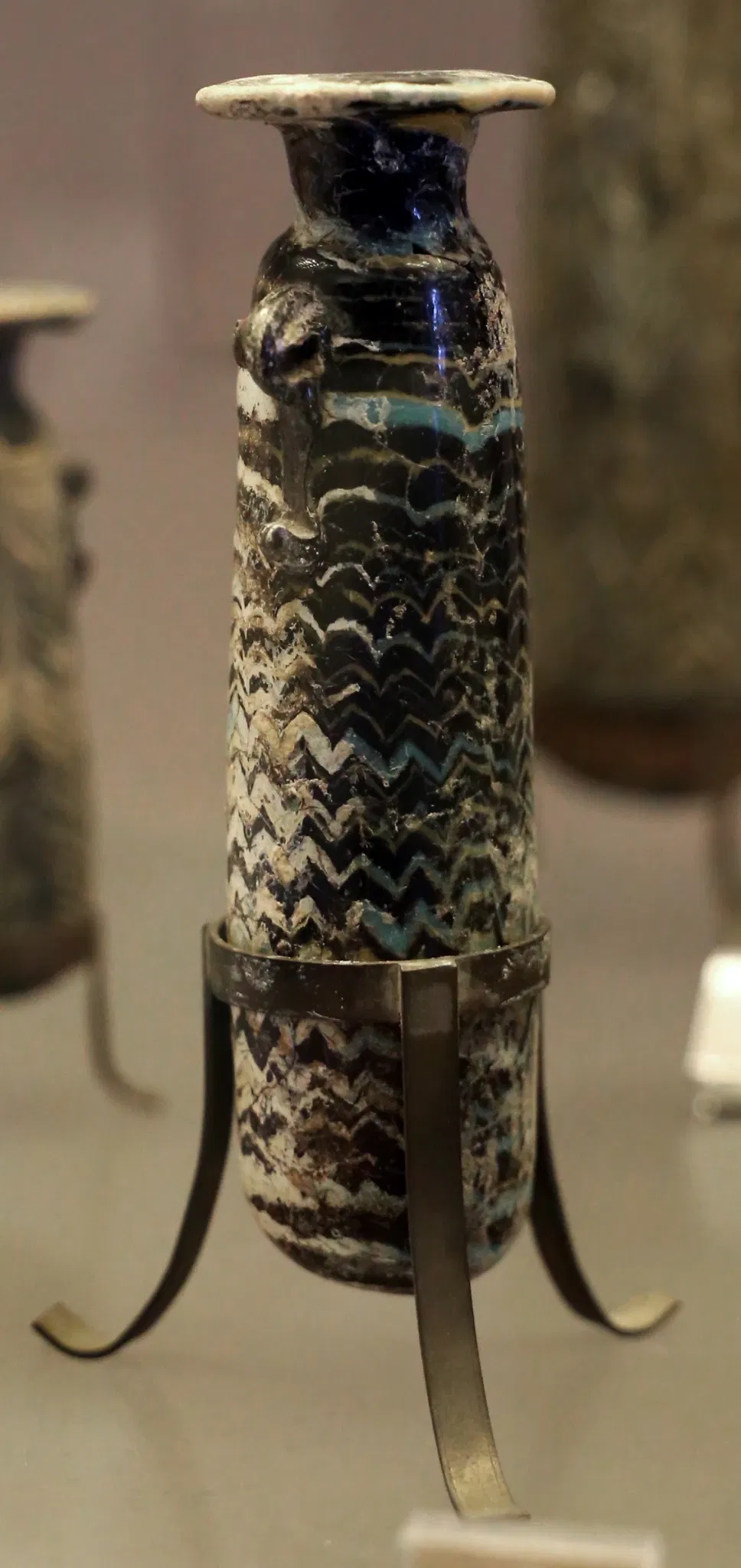
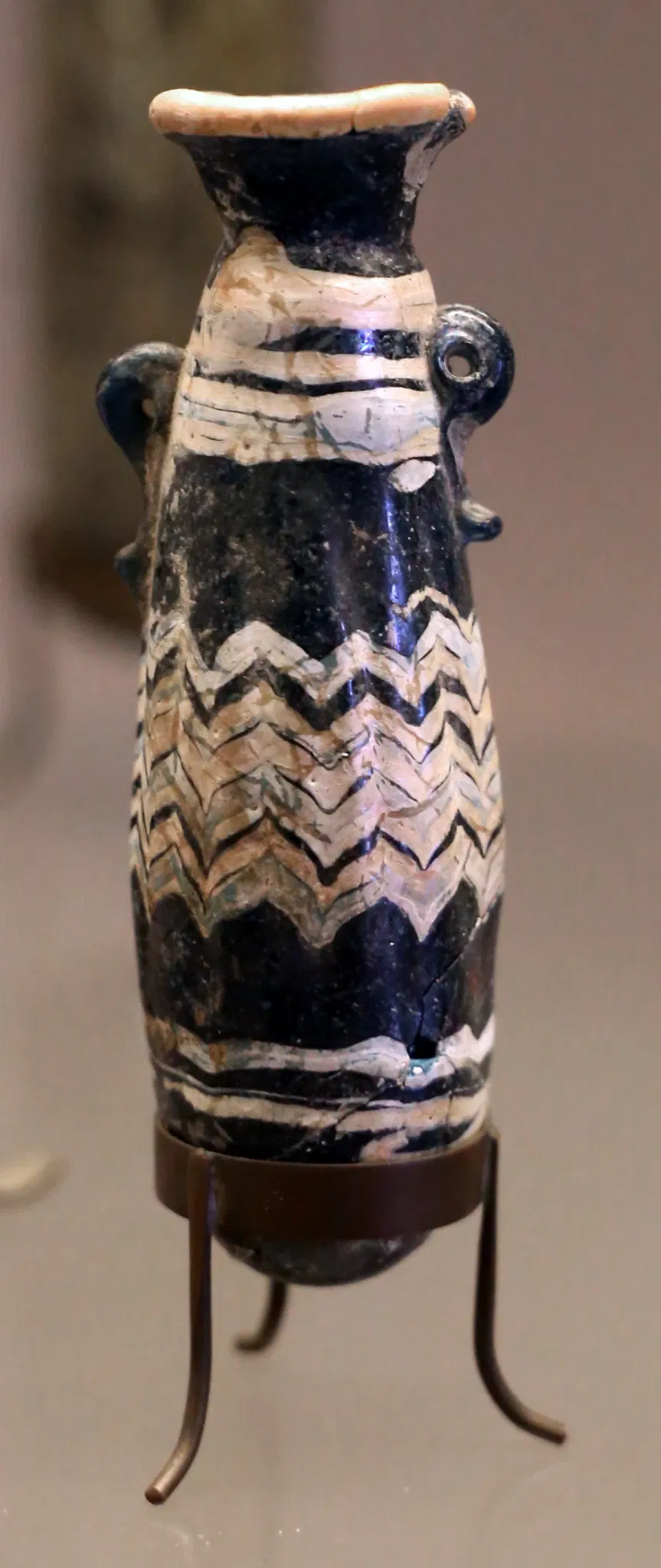
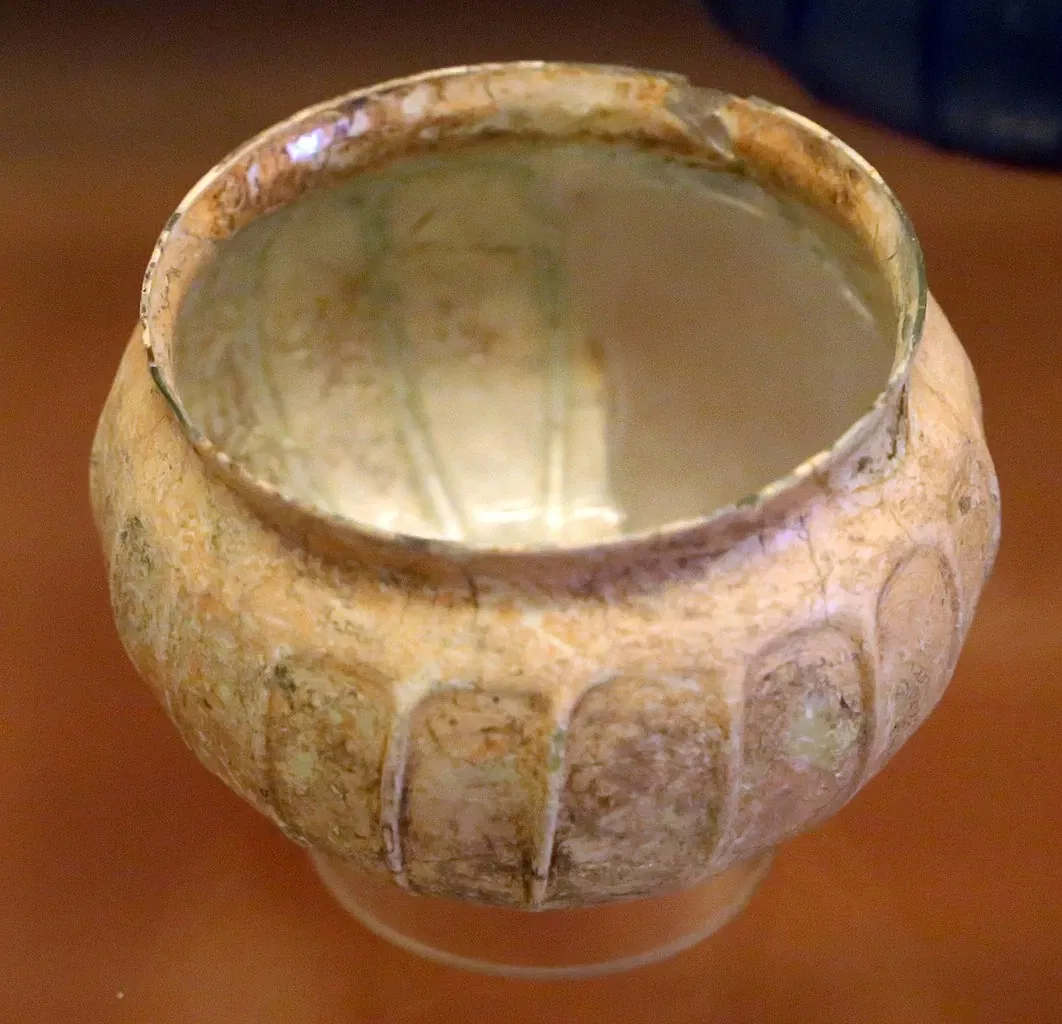
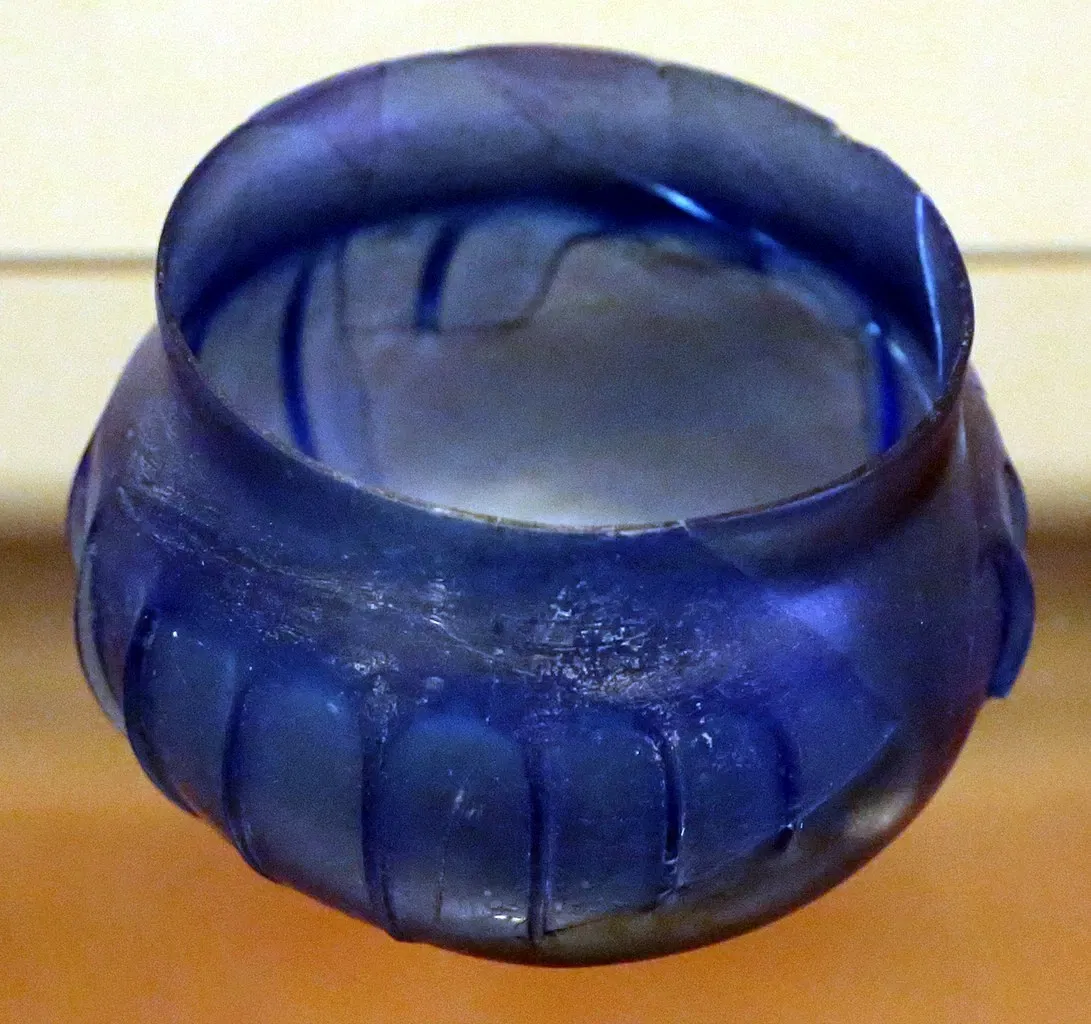
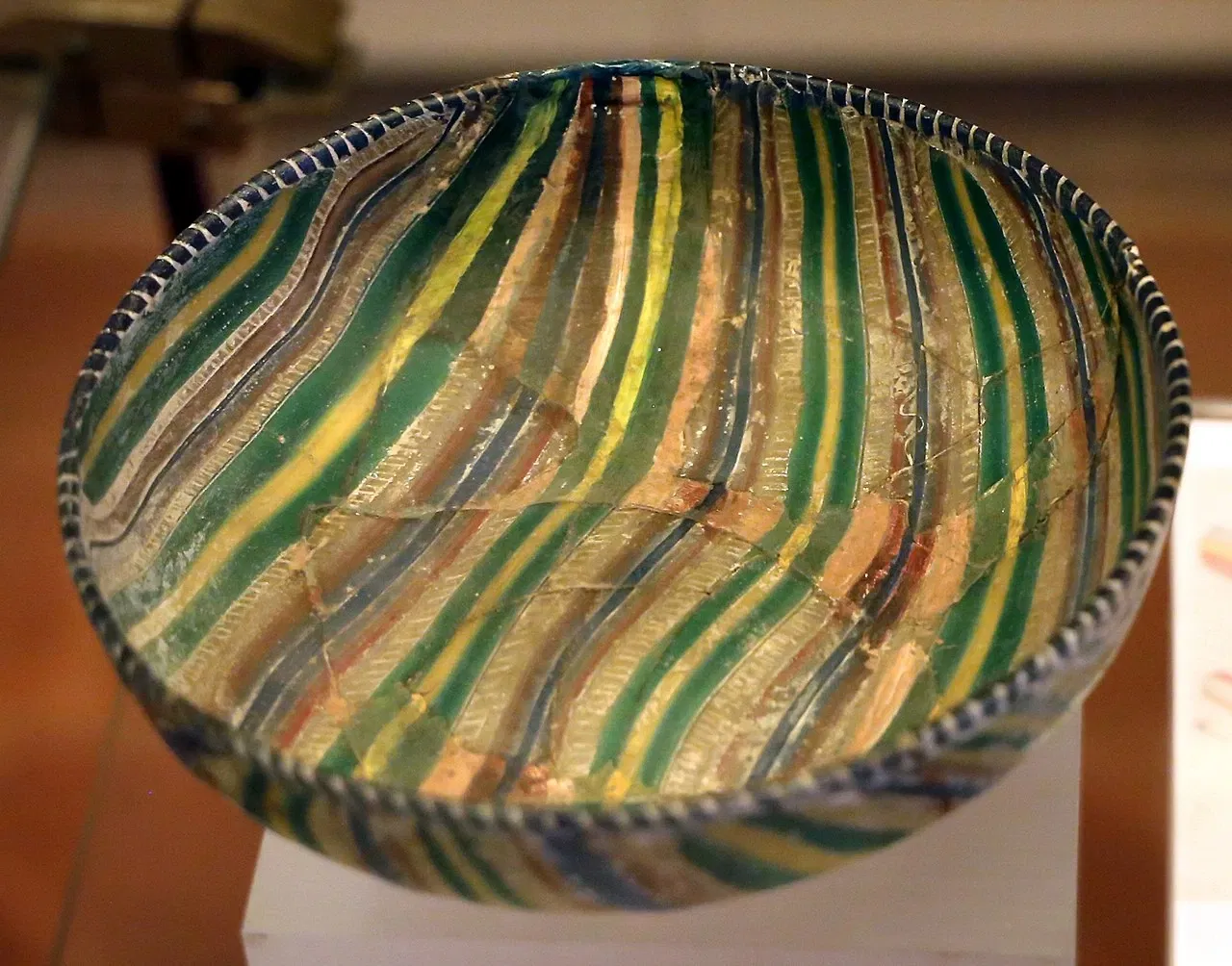
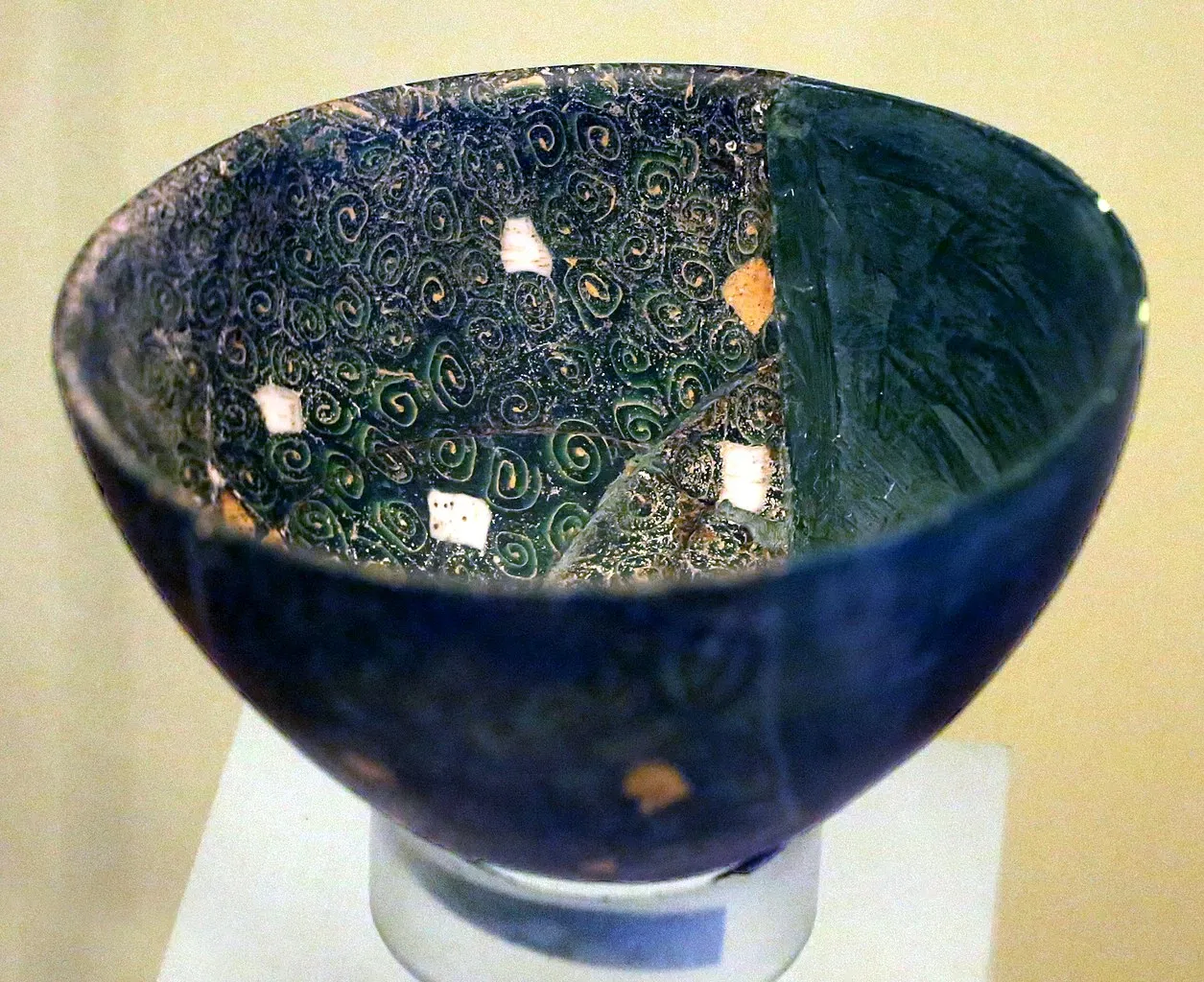
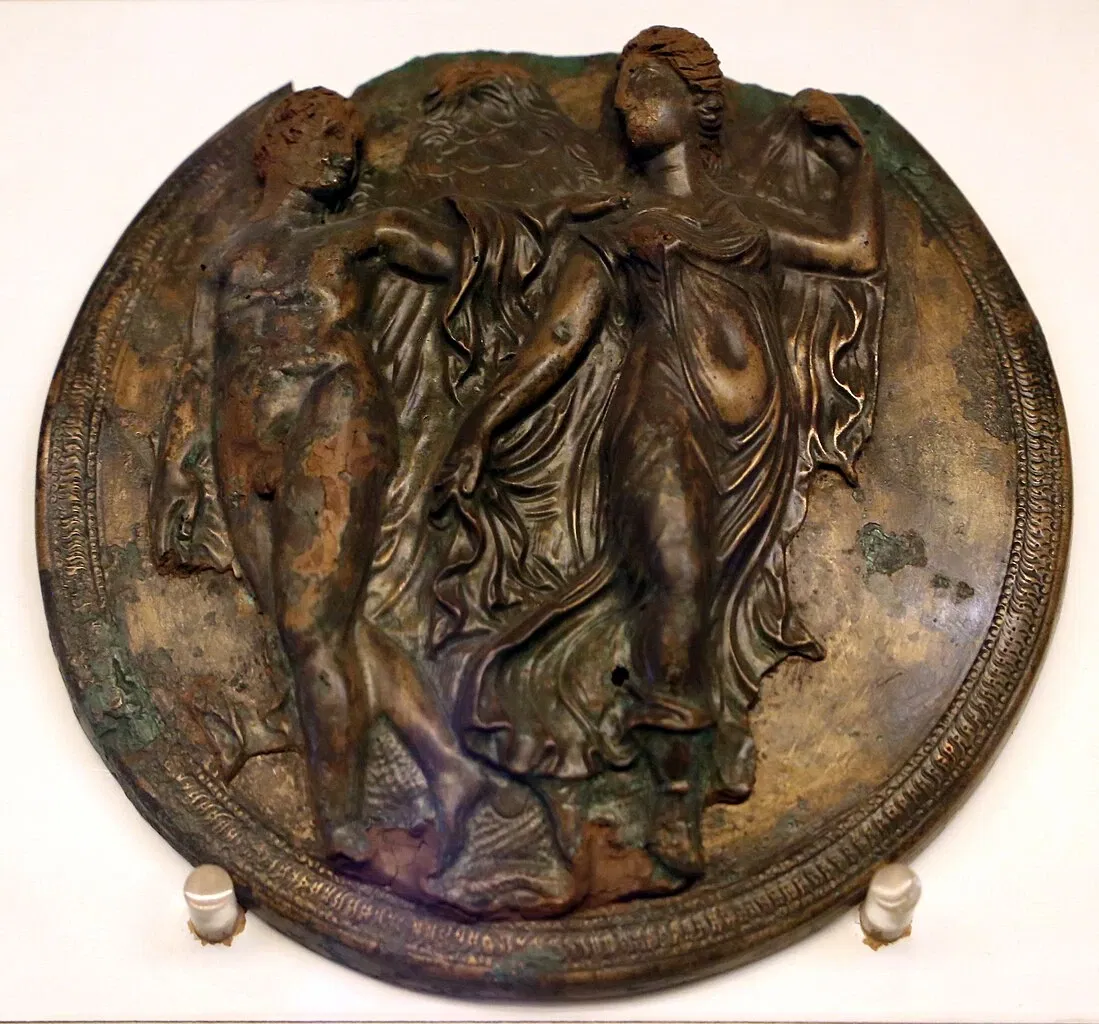
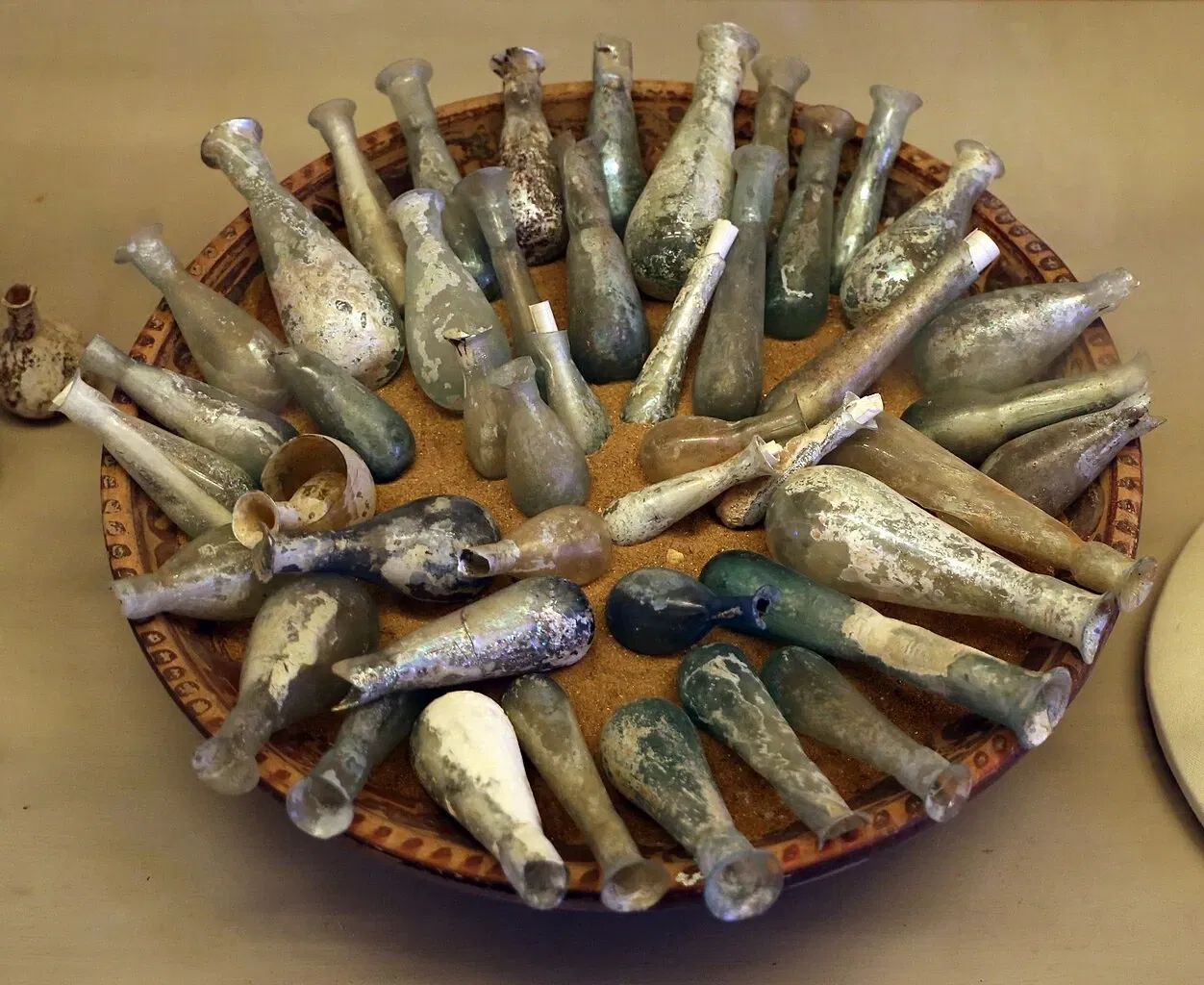
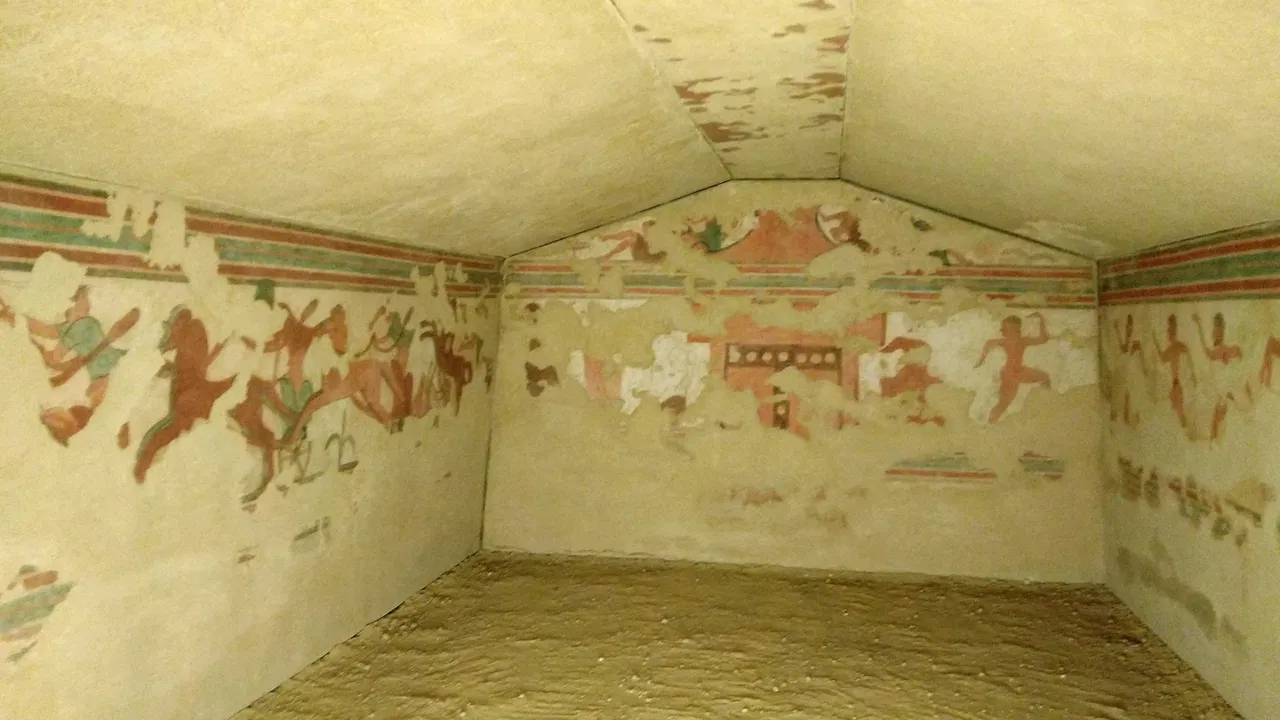
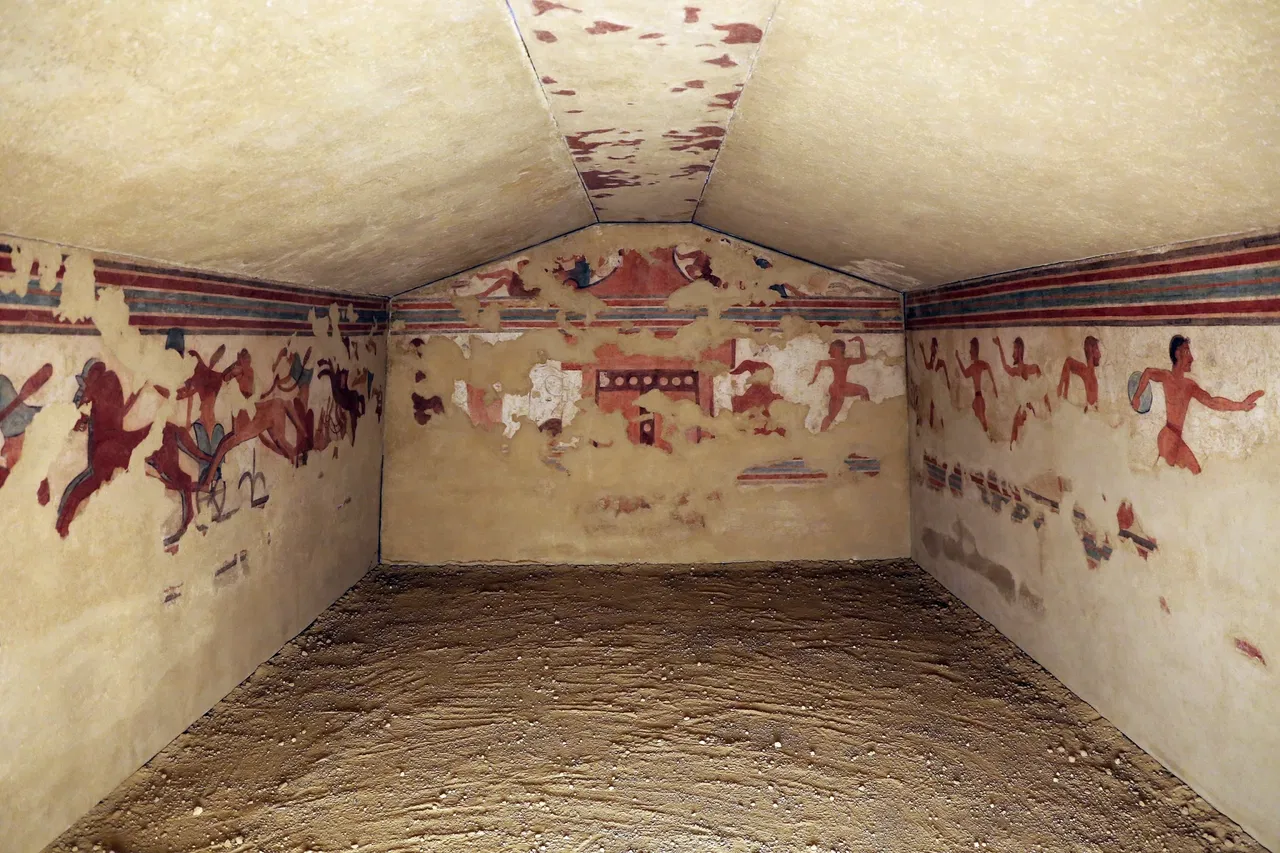
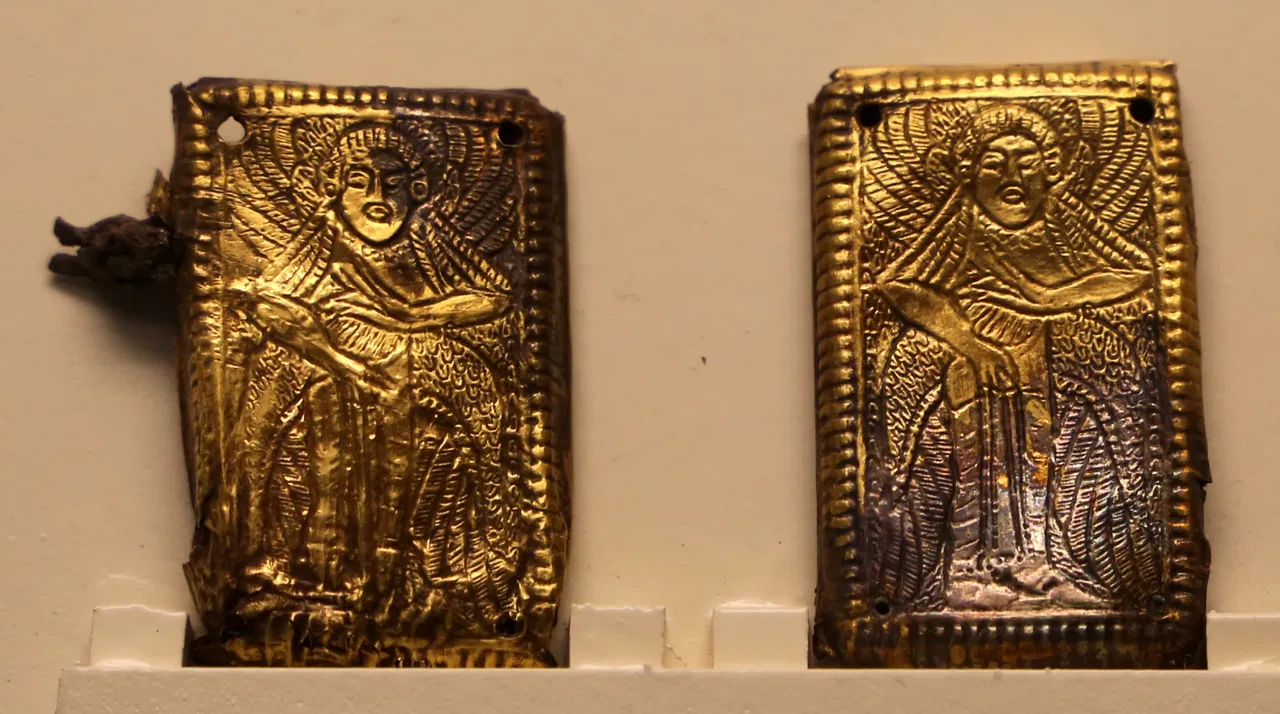
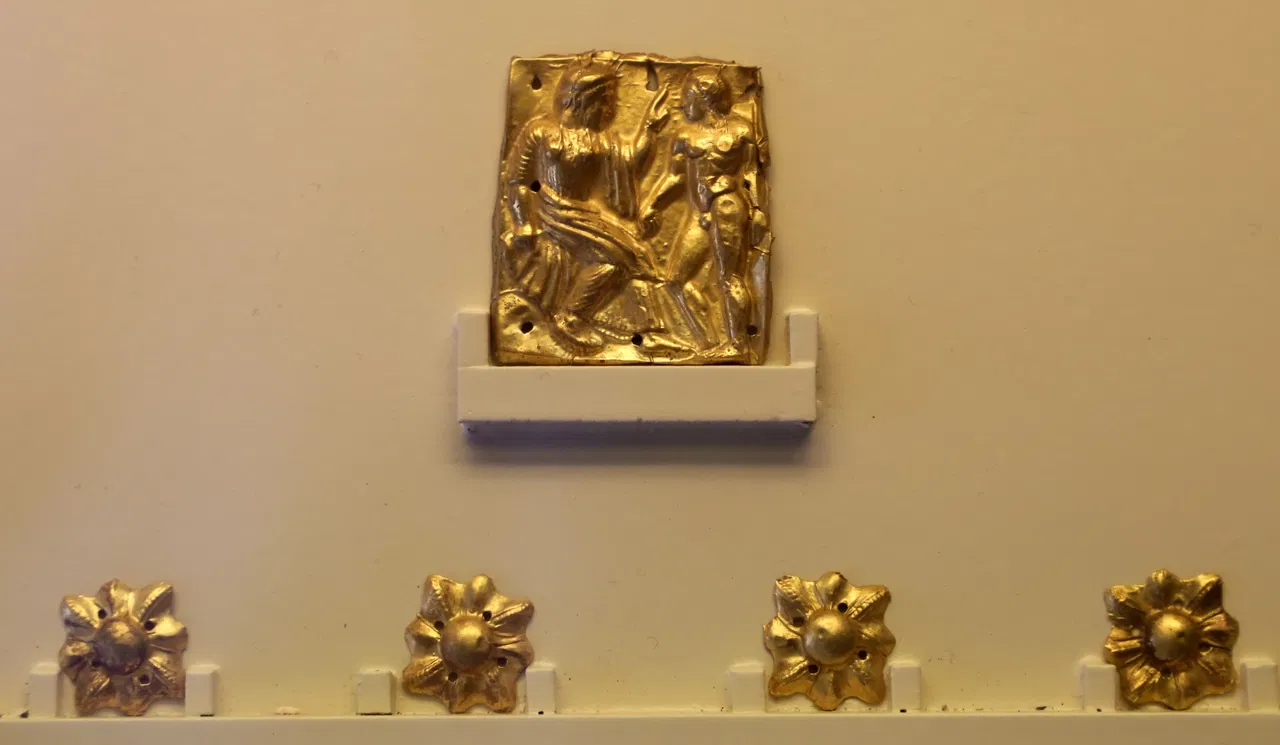
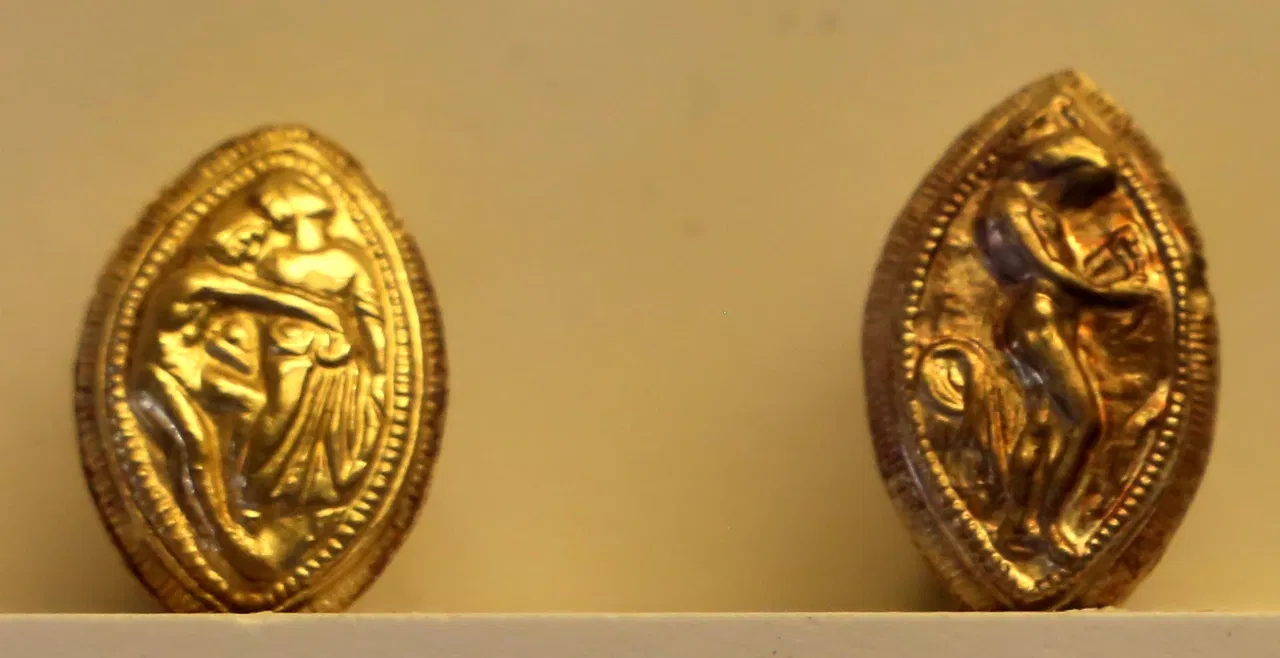
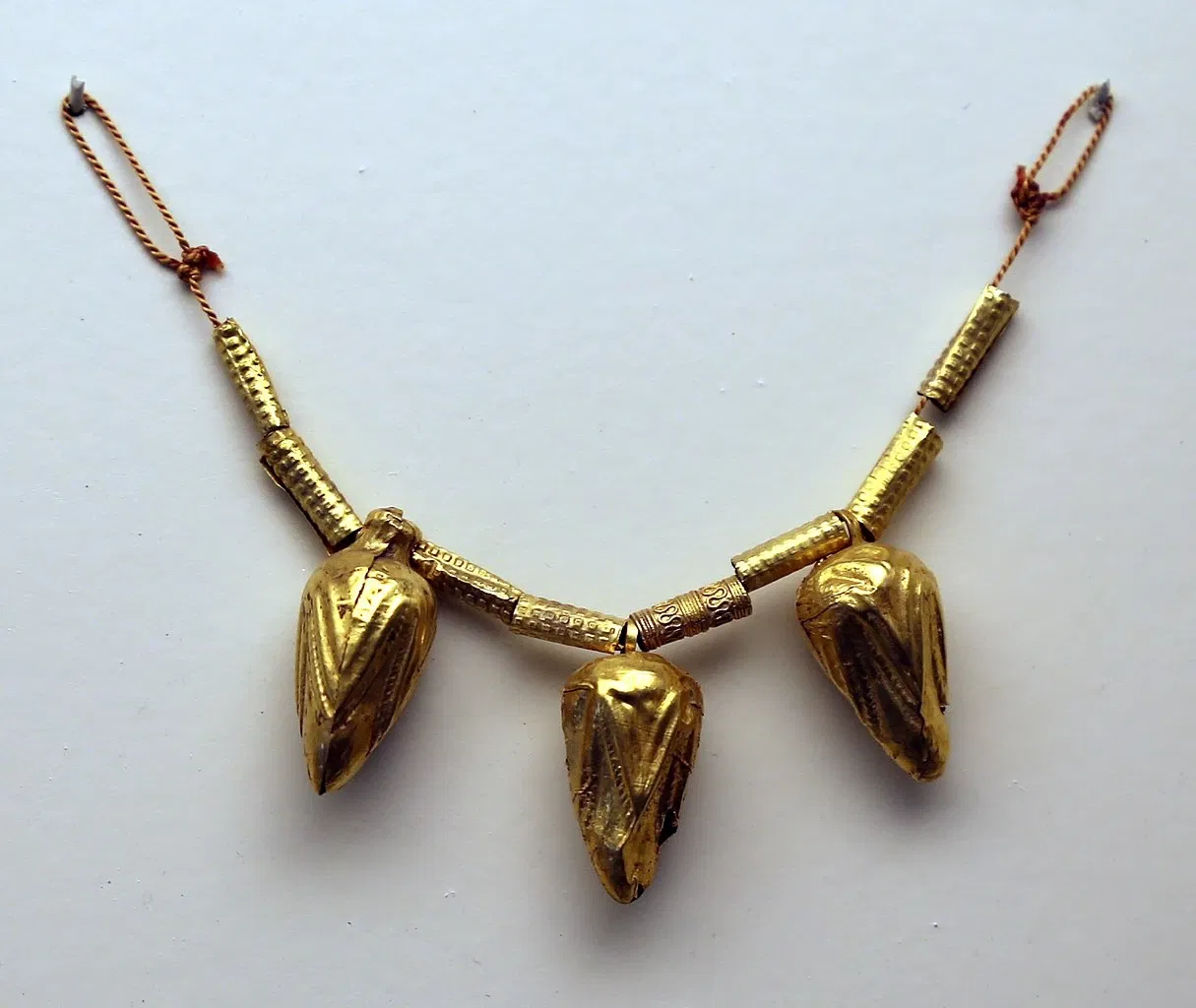
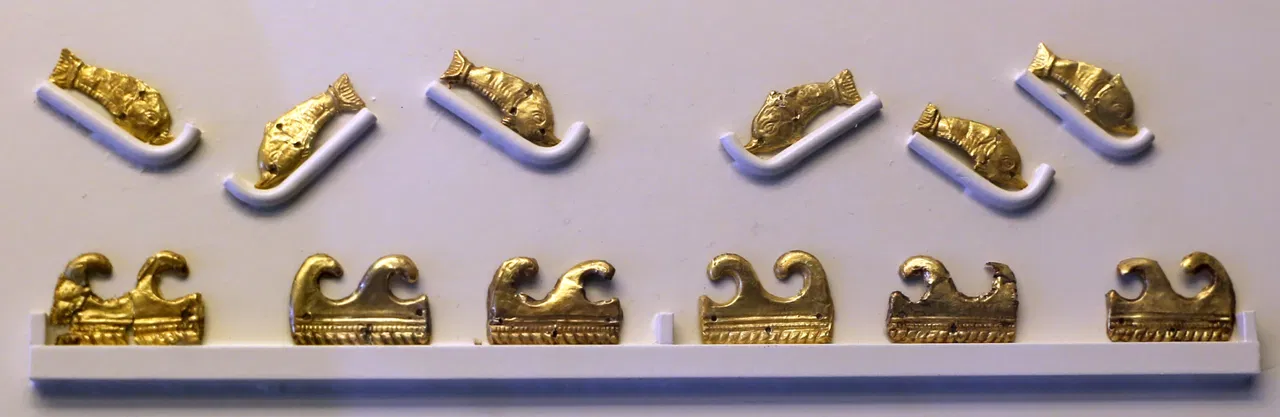
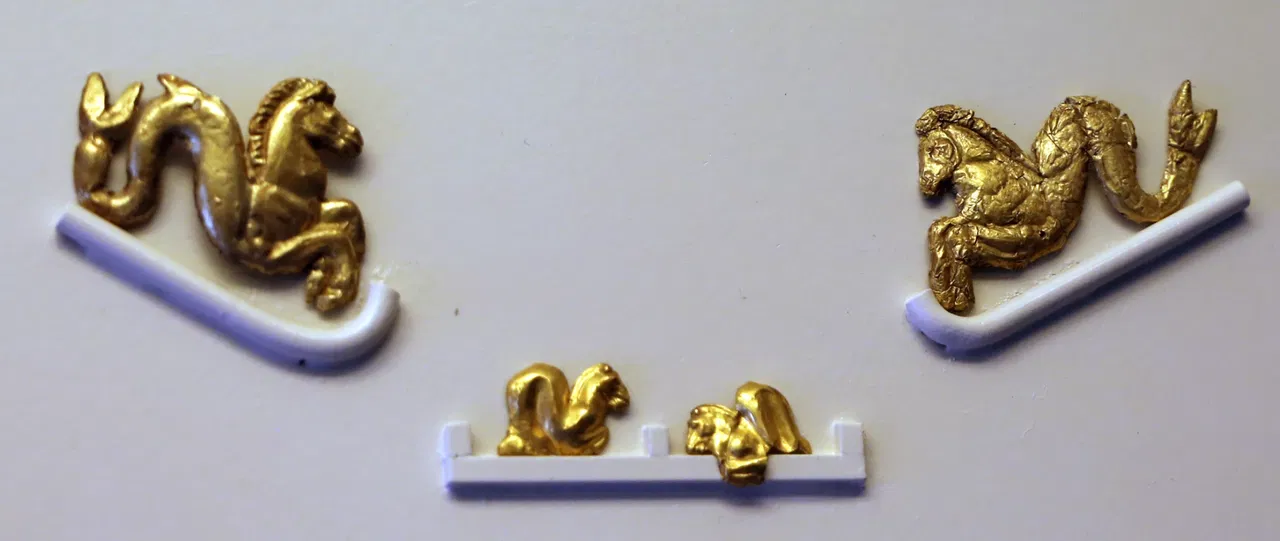
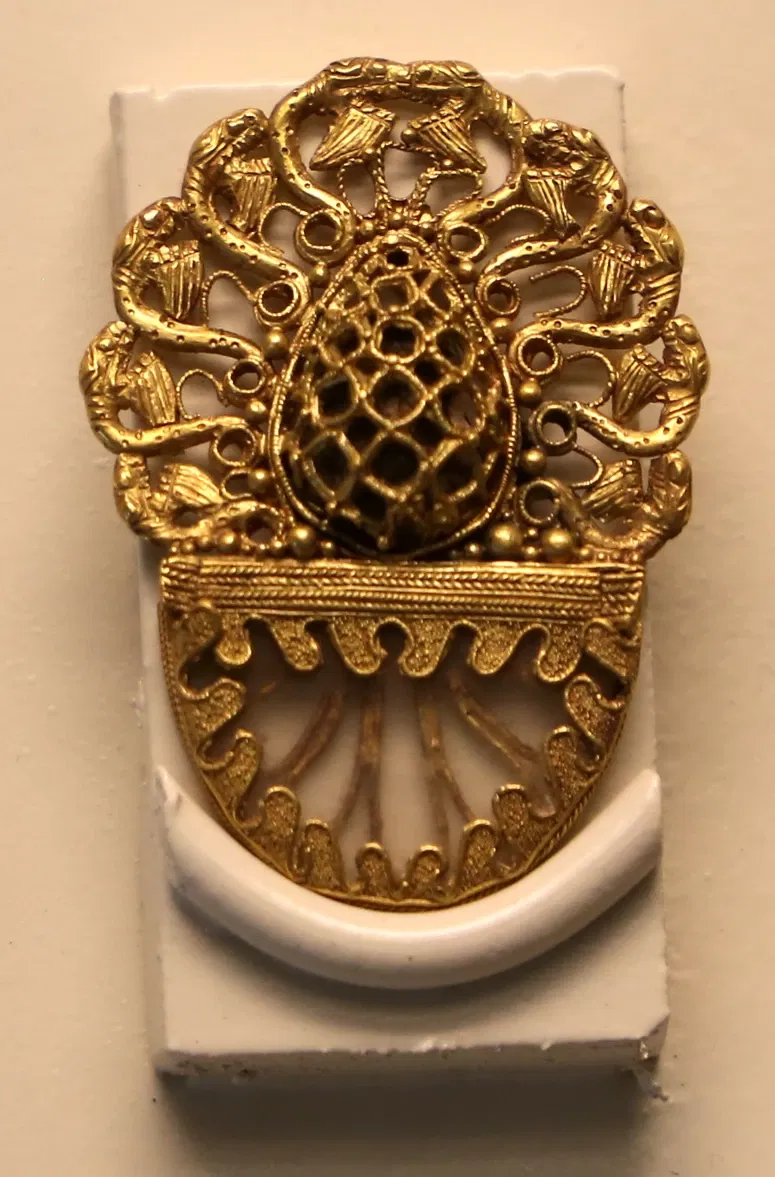

The Tarquinia National Museum, located in Tarquinia, Italy, is an archaeological museum that focuses on the Etruscan civilization. The museum's collection primarily consists of artifacts excavated from the Necropolis of Monterozzi, located to the east of the city. The museum is housed in the historic Palazzo Vitelleschi, a palace built between 1436 and 1439.
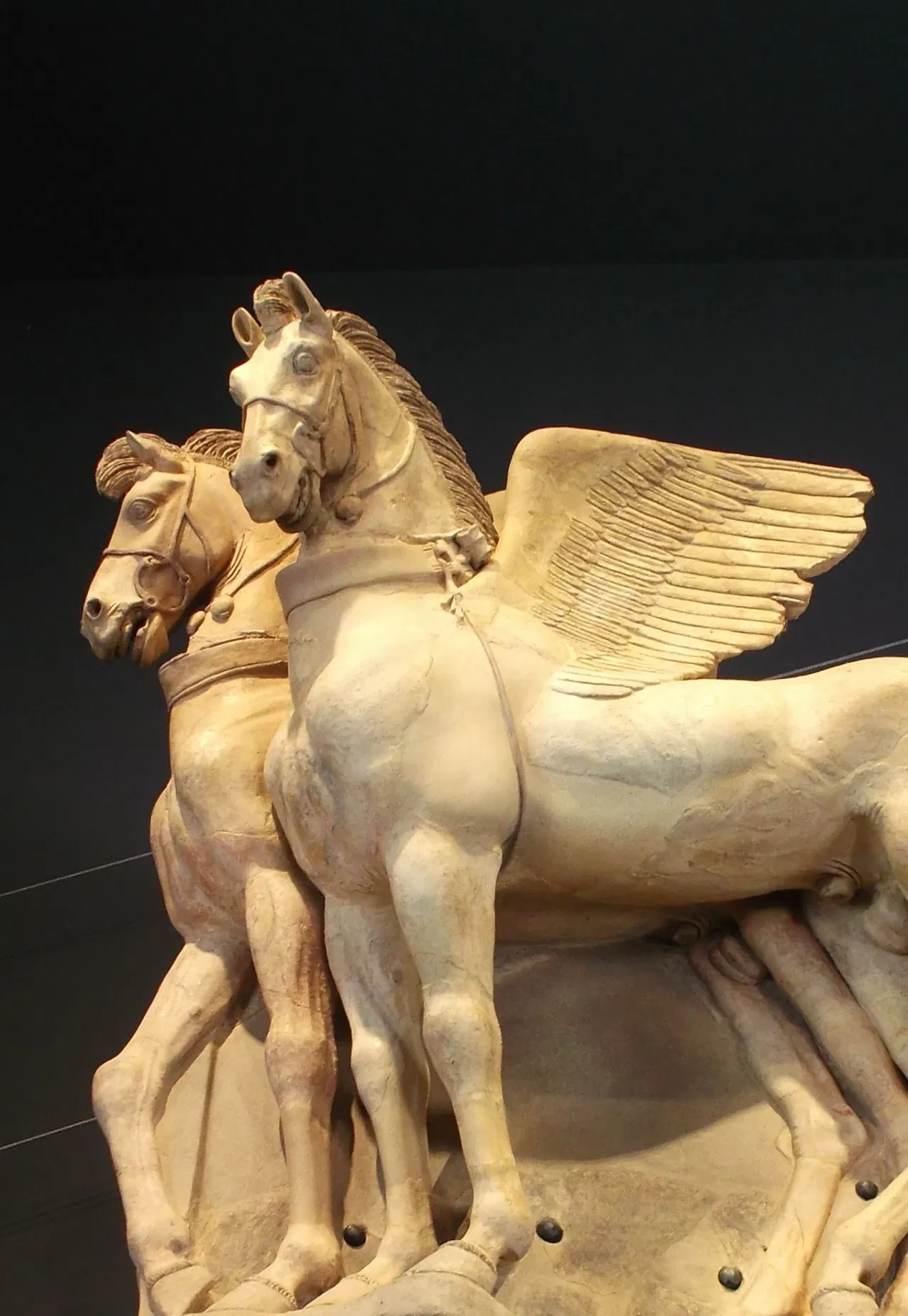
The collection of the Tarquinia National Museum has been significantly enriched by the numerous artifacts discovered in the ancient city of Tarquinia and the Necropolis of Monterozzi. These artifacts provide a deep insight into the Etruscan civilization and its history.
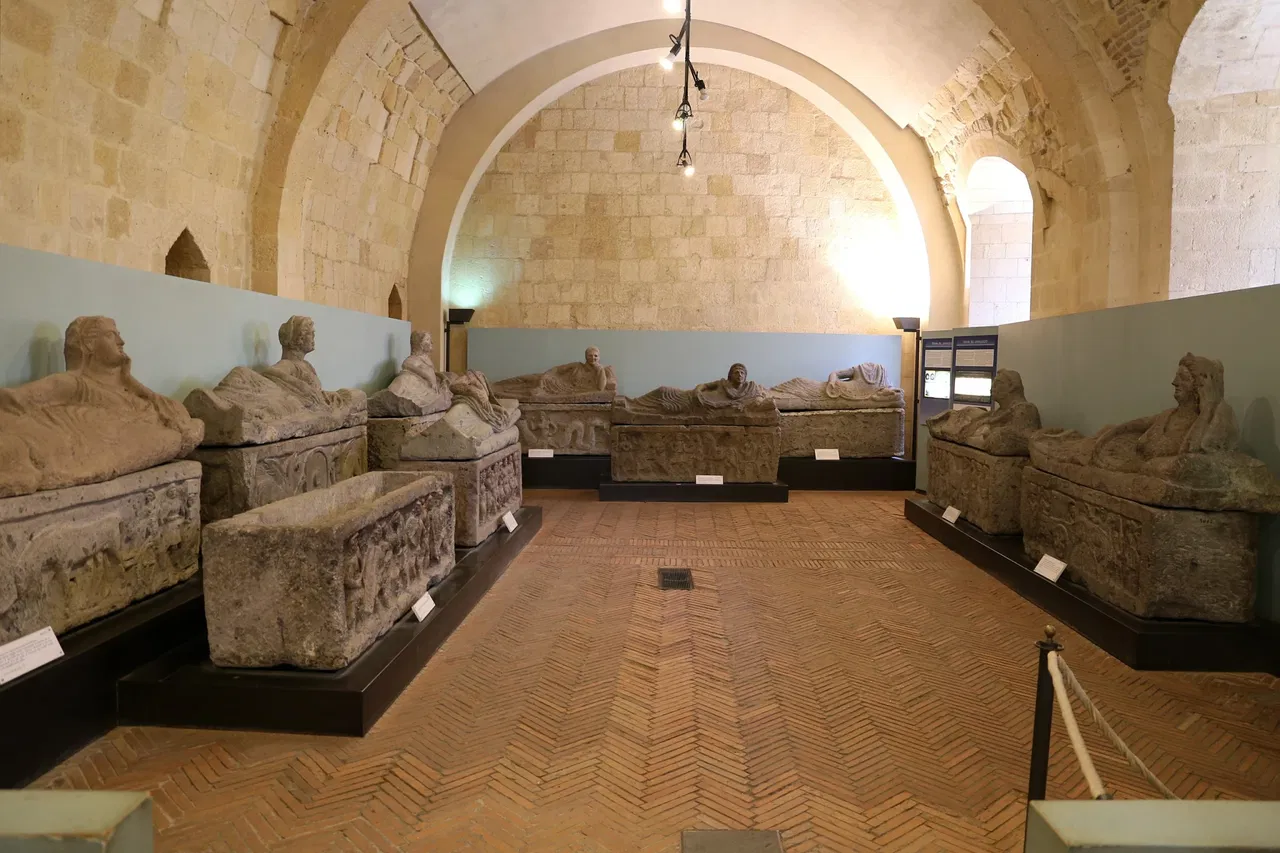
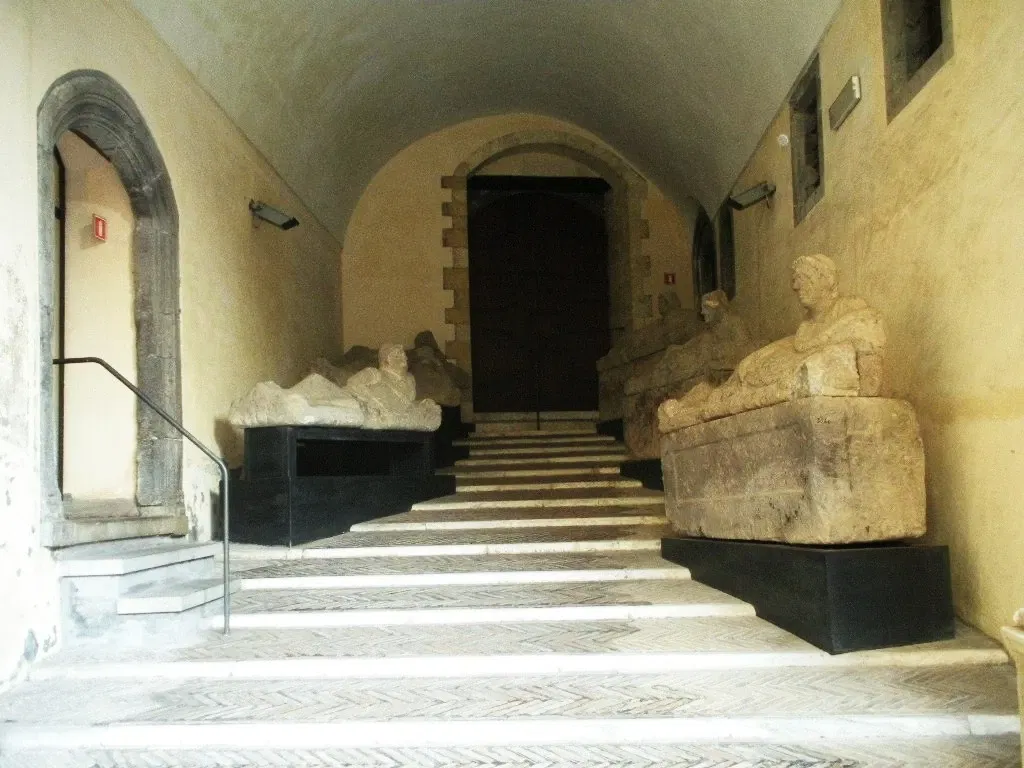
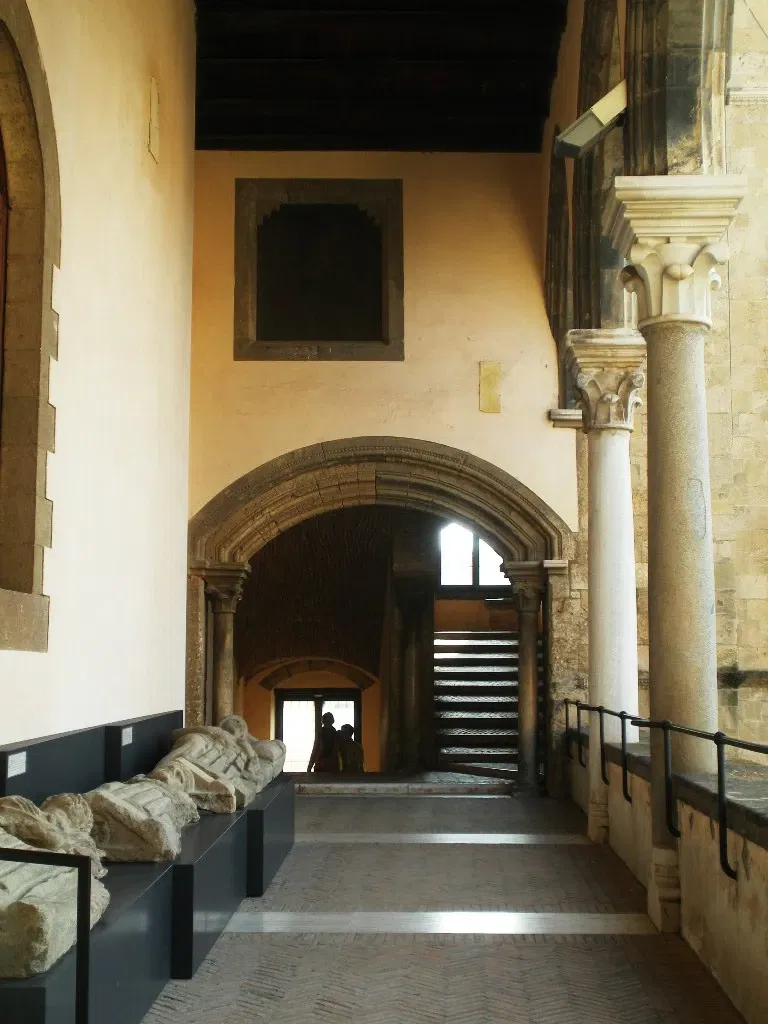
The Palazzo Vitelleschi, which houses the Tarquinia National Museum, spans three floors. On the ground floor, visitors can view a variety of sarcophagi, including the significant Sarcophagus of Laris Pulenas, and other stone artifacts from the middle of the fourth century BC. These items are displayed in chronological order, providing a timeline of the Etruscan civilization.
History & Anthropology
Piazza Cavour 1a, Tarquinia
No exhibitions in National Archaeological Museum of Tarquinia have been found.
National Archaeological Museum of Tarquinia has 1 rating.
The National Archaeological Museum of Tarquinia offers visitors an immersive experience into Etruscan history and culture. Located in the Palazzo Vitelleschi, a 15th-century building, the museum houses an extensive collection of artifacts from the nearby Etruscan necropolis.
The museum's strengths lie in its well-preserved Etruscan artifacts, including sarcophagi, pottery, and jewelry. Many visitors appreciate the famous painted tombs, which are replicated in the museum, allowing for close-up viewing of the intricate frescoes without damaging the originals. The museum's organization is generally praised, with exhibits presented in a logical and informative manner.
However, some visitors note that the museum could benefit from more English translations and interactive displays to enhance the experience for international tourists. The building itself, while historic, can feel a bit dated in places, and some areas might benefit from modernization.
Despite these minor drawbacks, the museum is generally considered a valuable resource for those interested in Etruscan civilization. Its proximity to the actual Etruscan necropolis adds to its appeal, as visitors can combine their museum visit with a tour of the tombs for a more comprehensive understanding of Etruscan culture.
This rating is based on the rating of this museum on several other platforms.