Images of National Ainu Museum
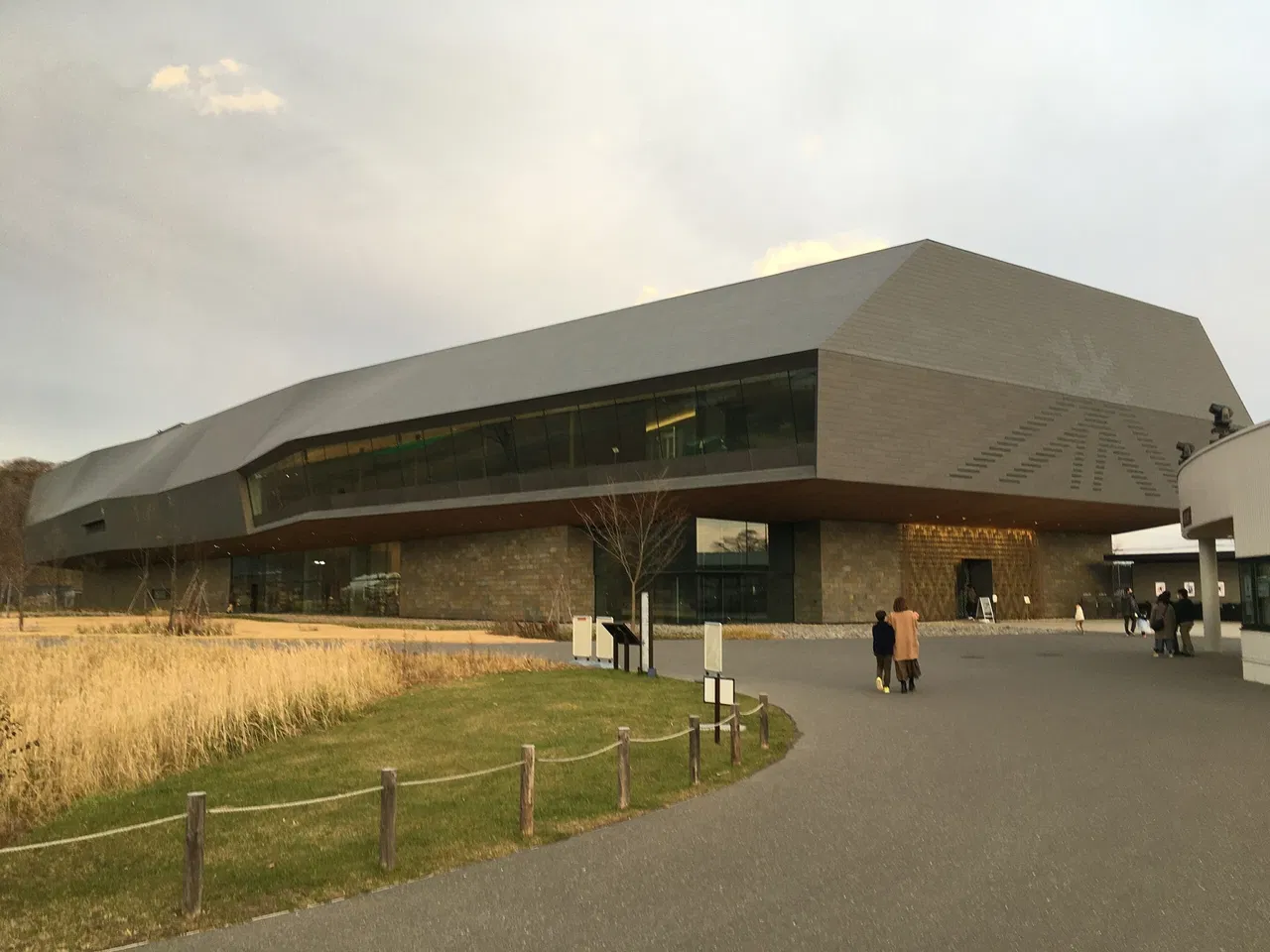
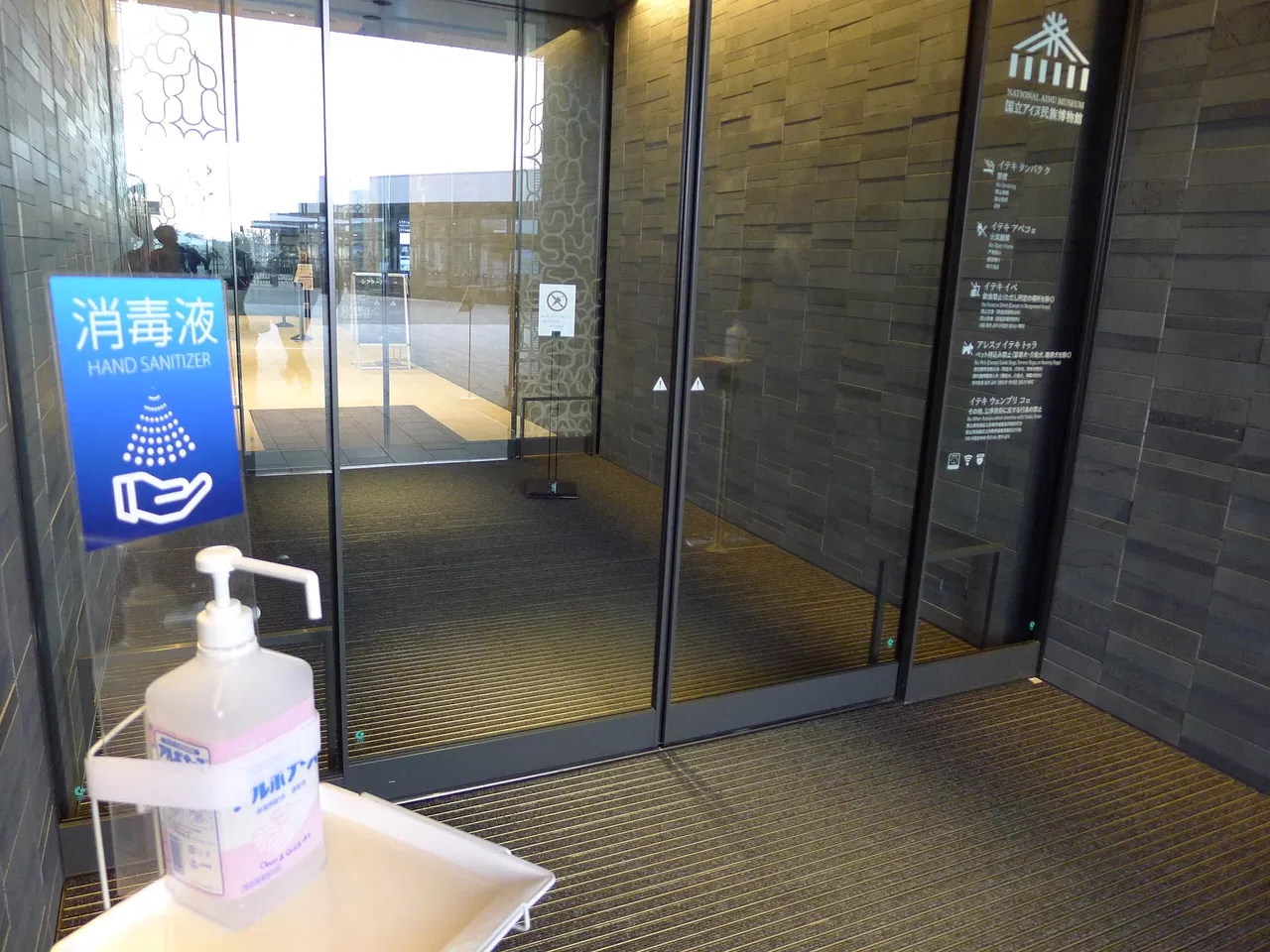
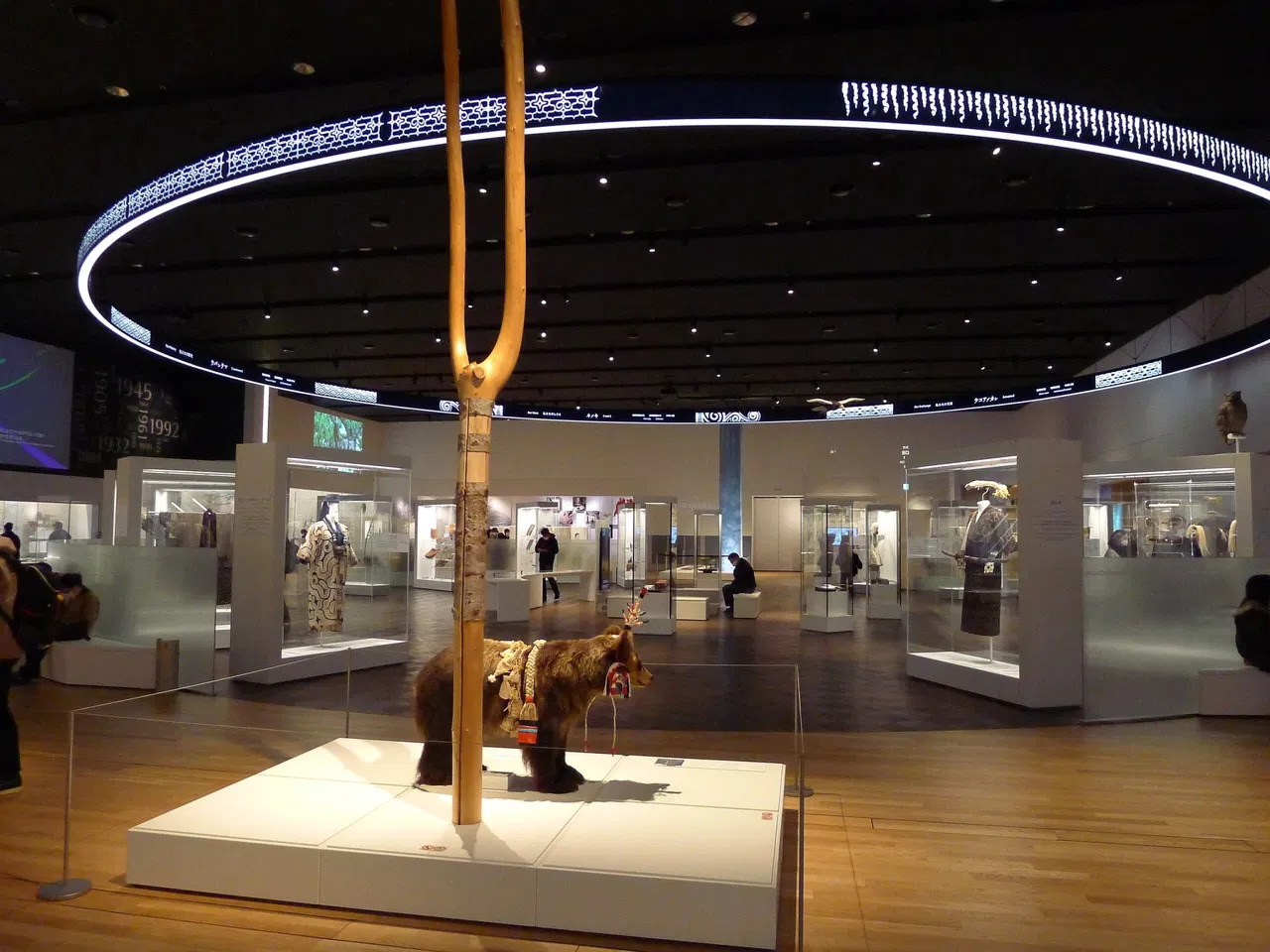
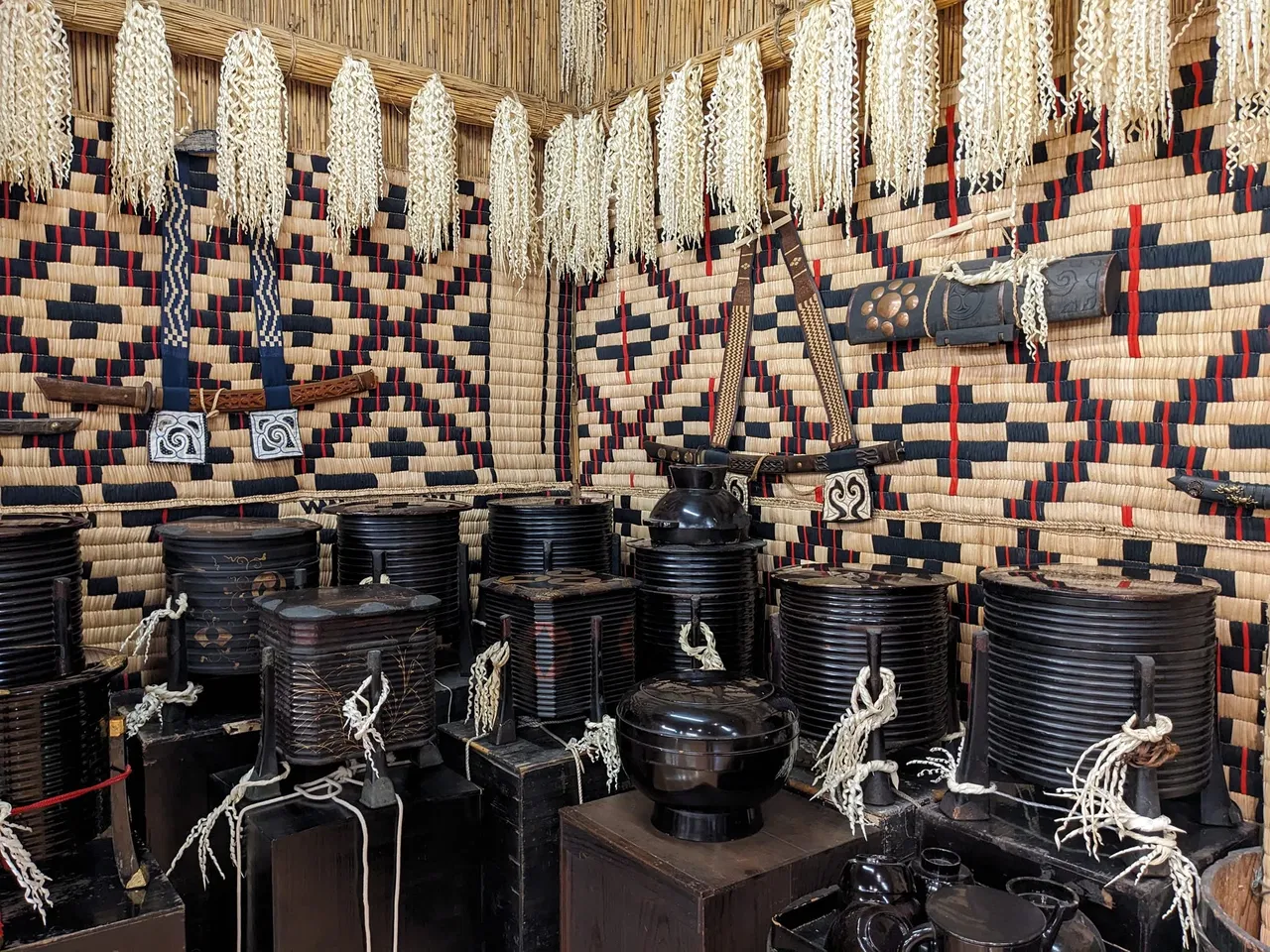
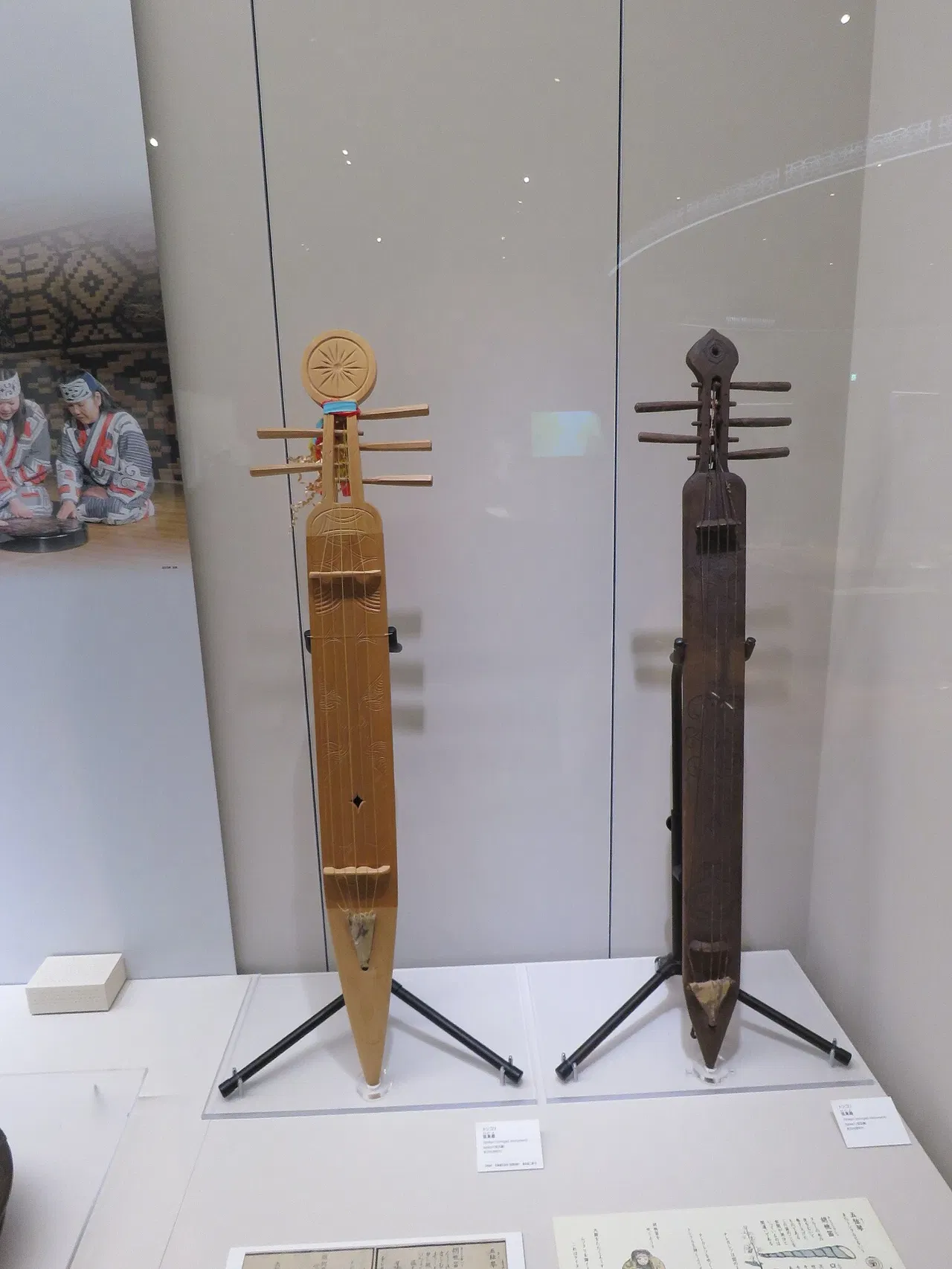
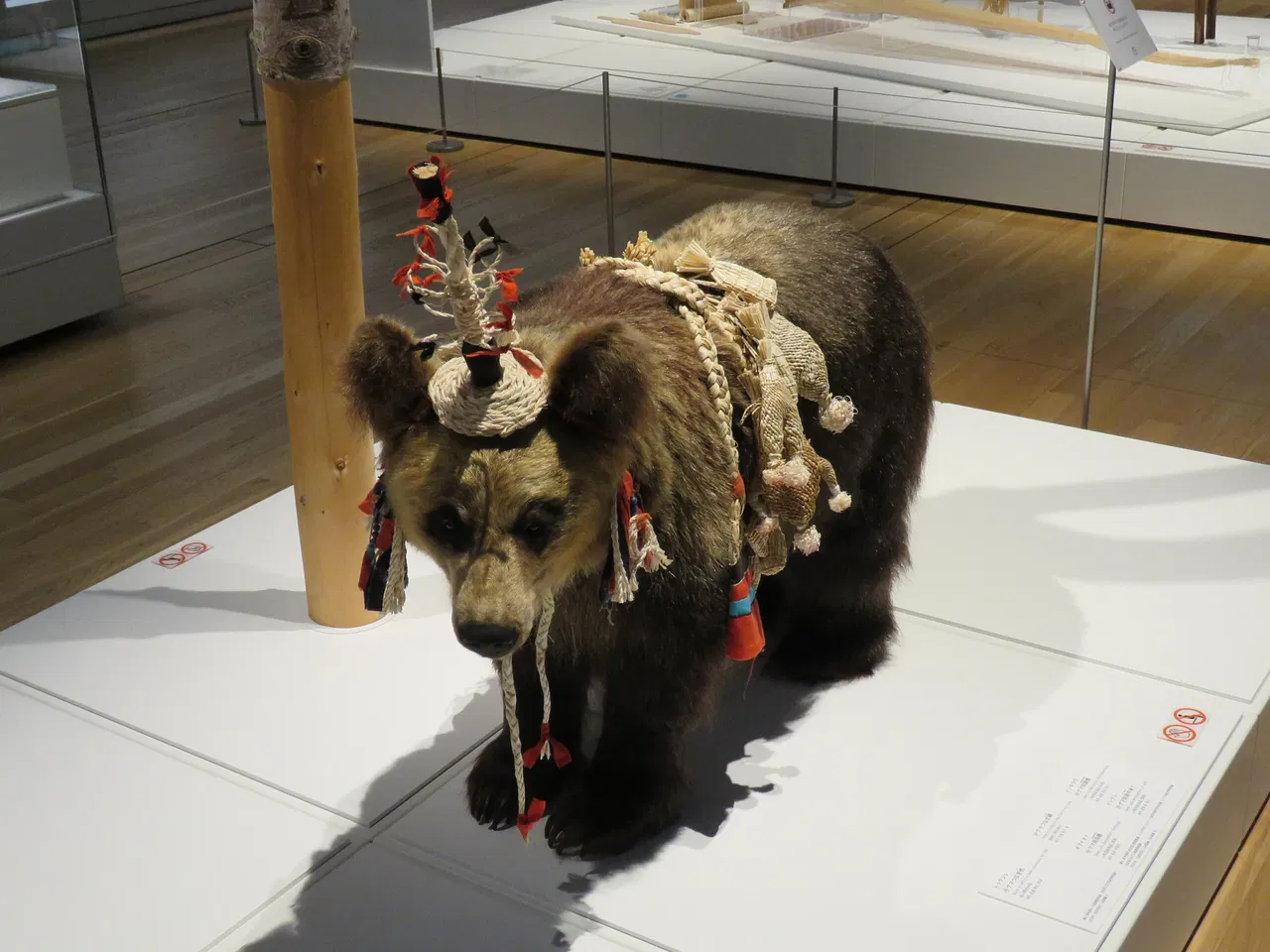
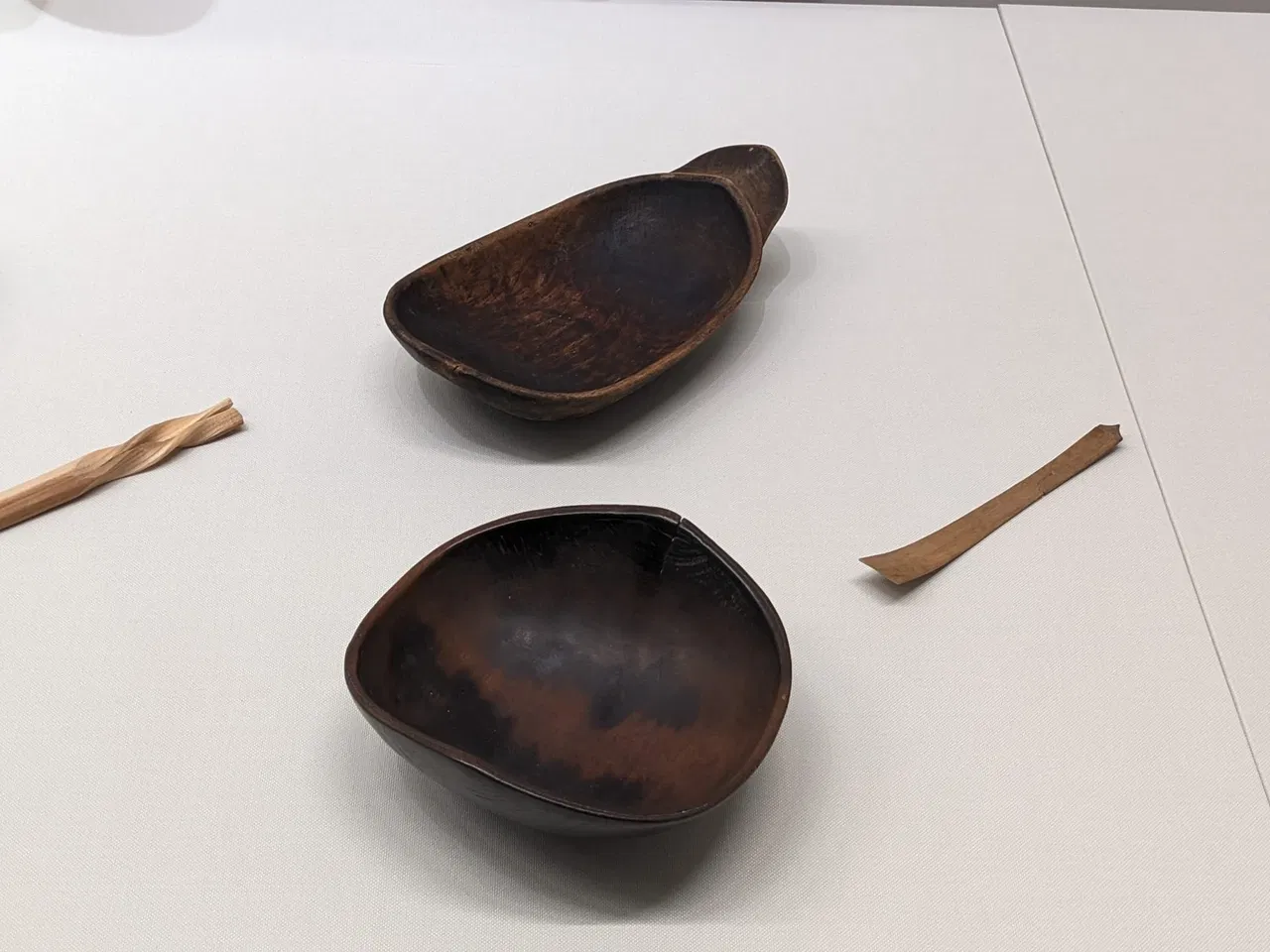
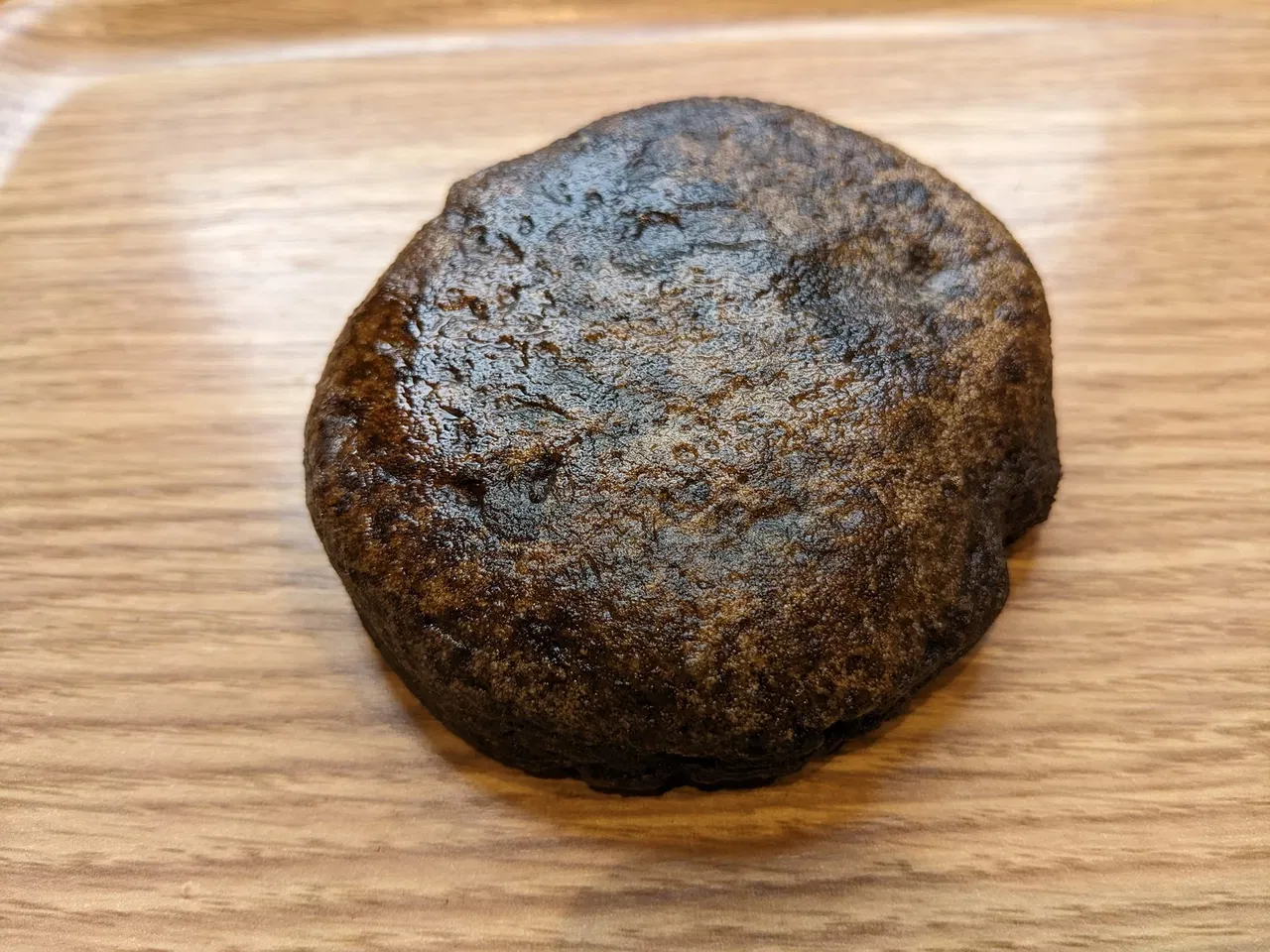
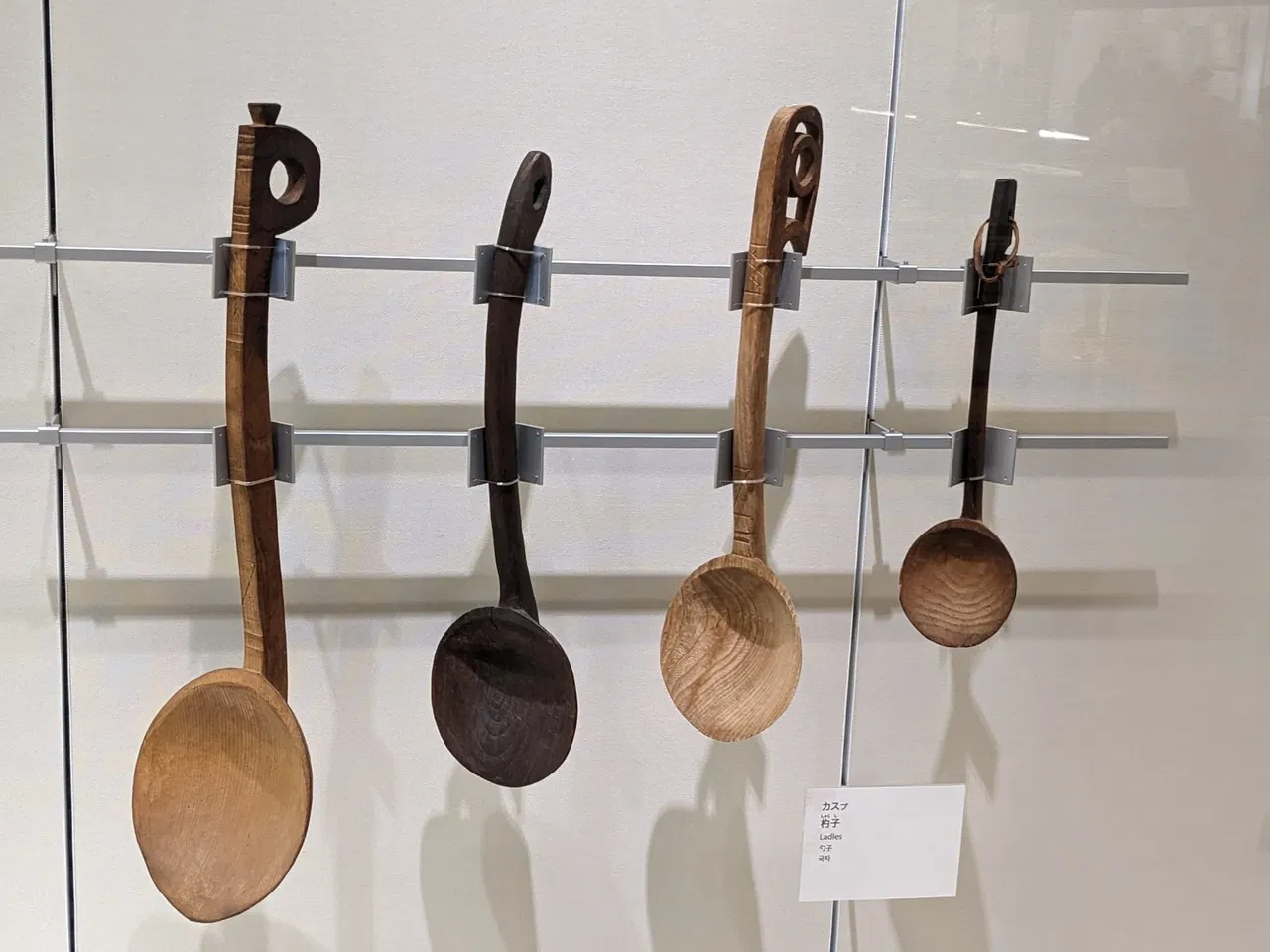
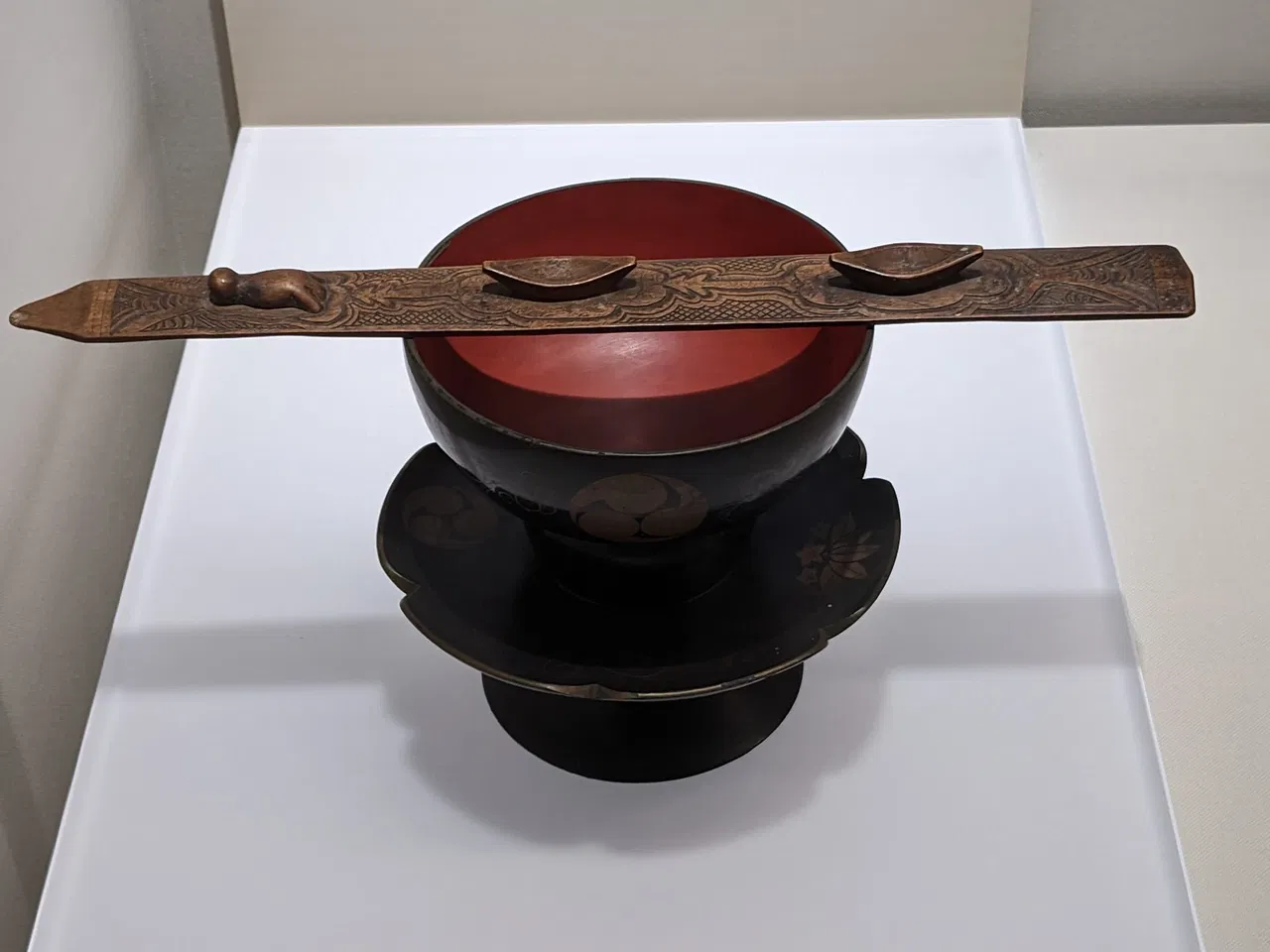
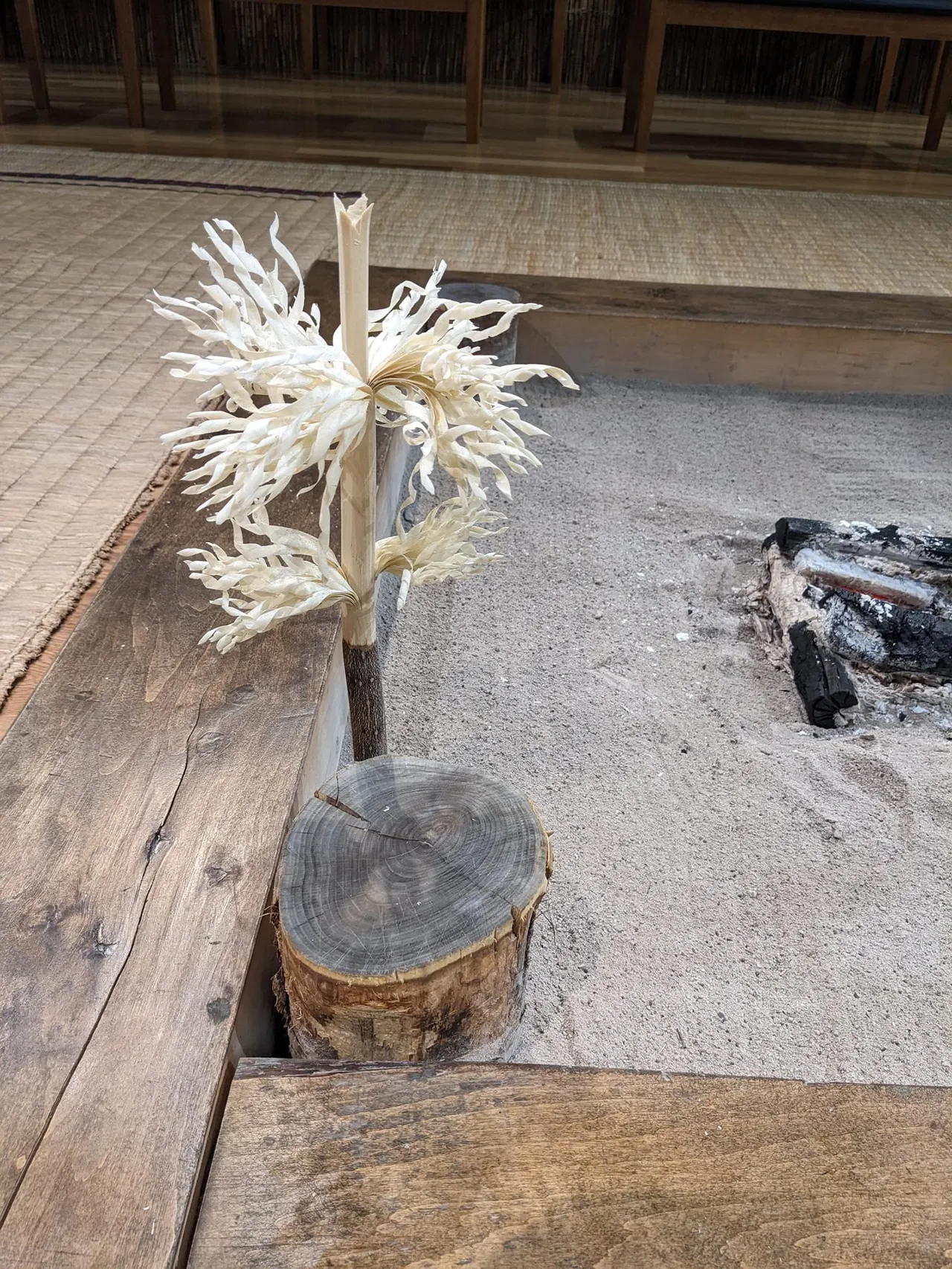
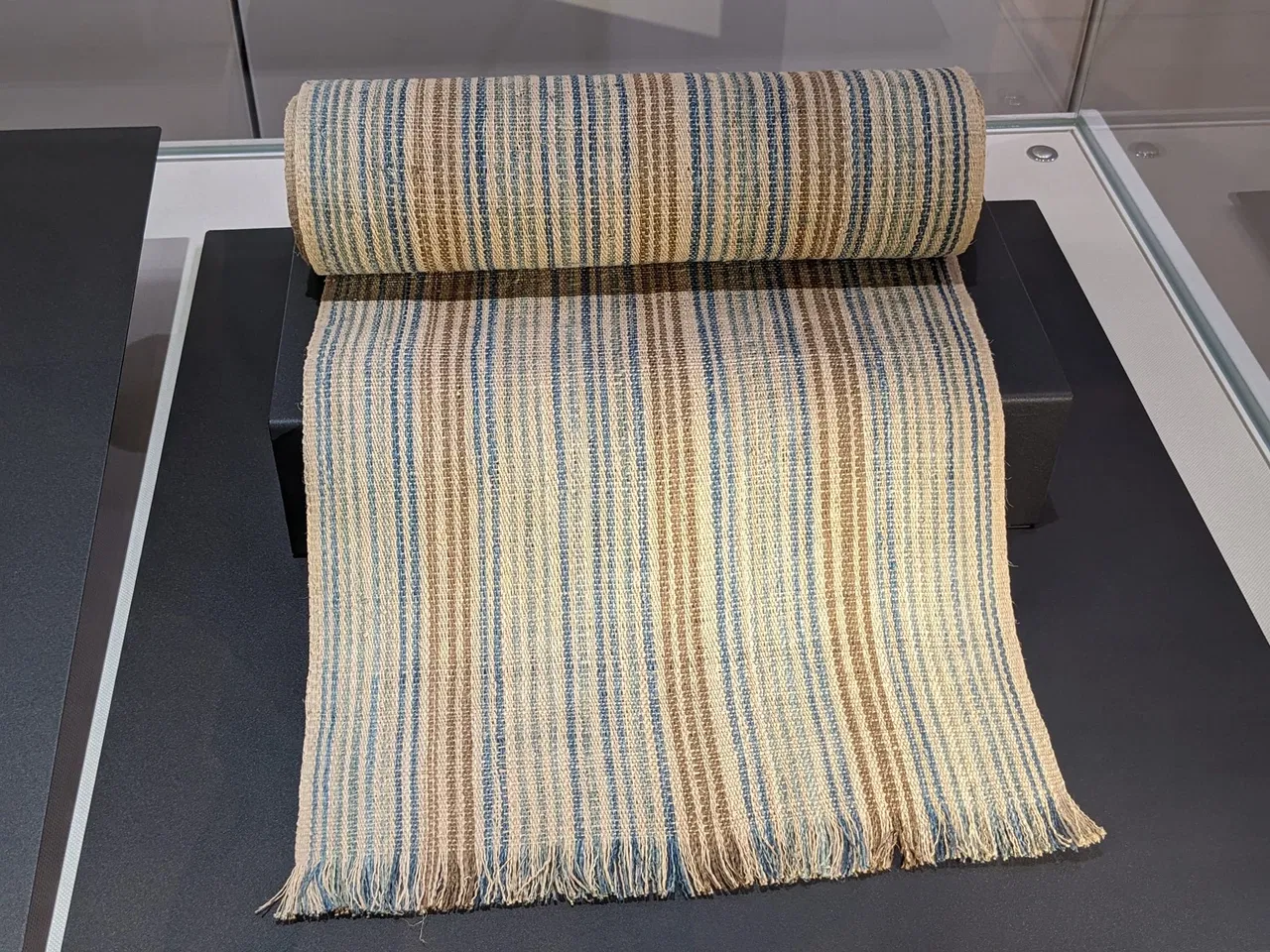
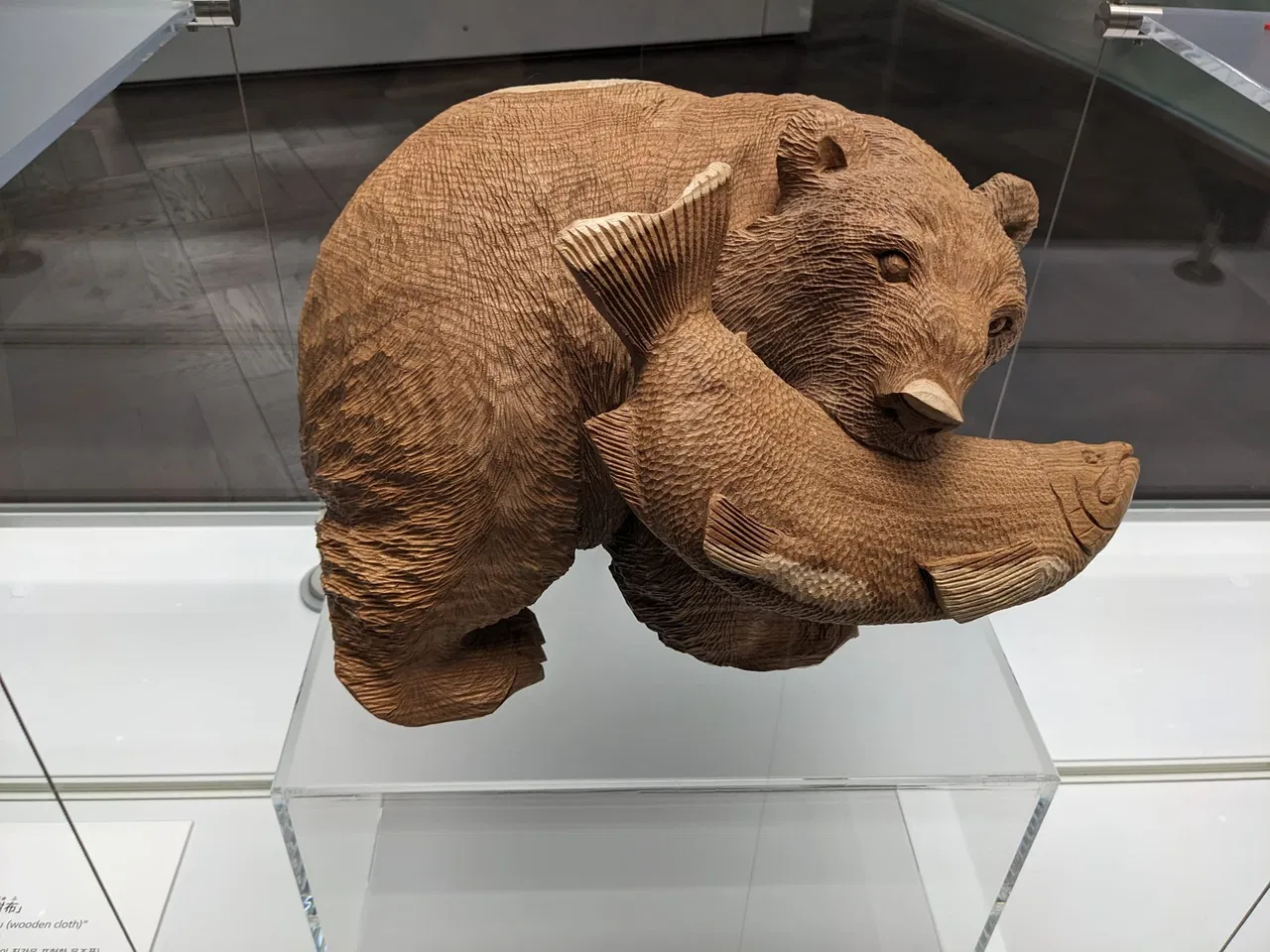
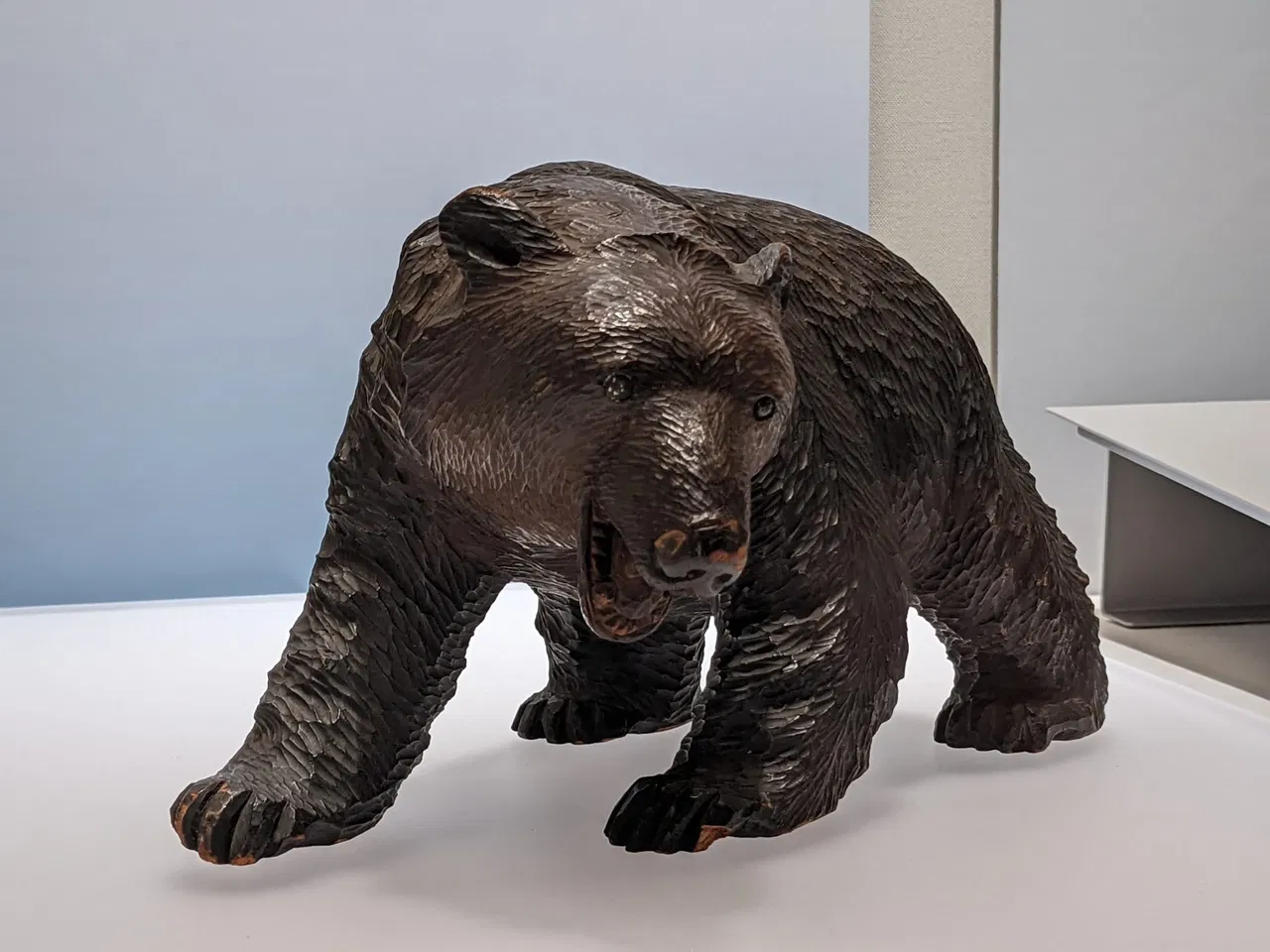
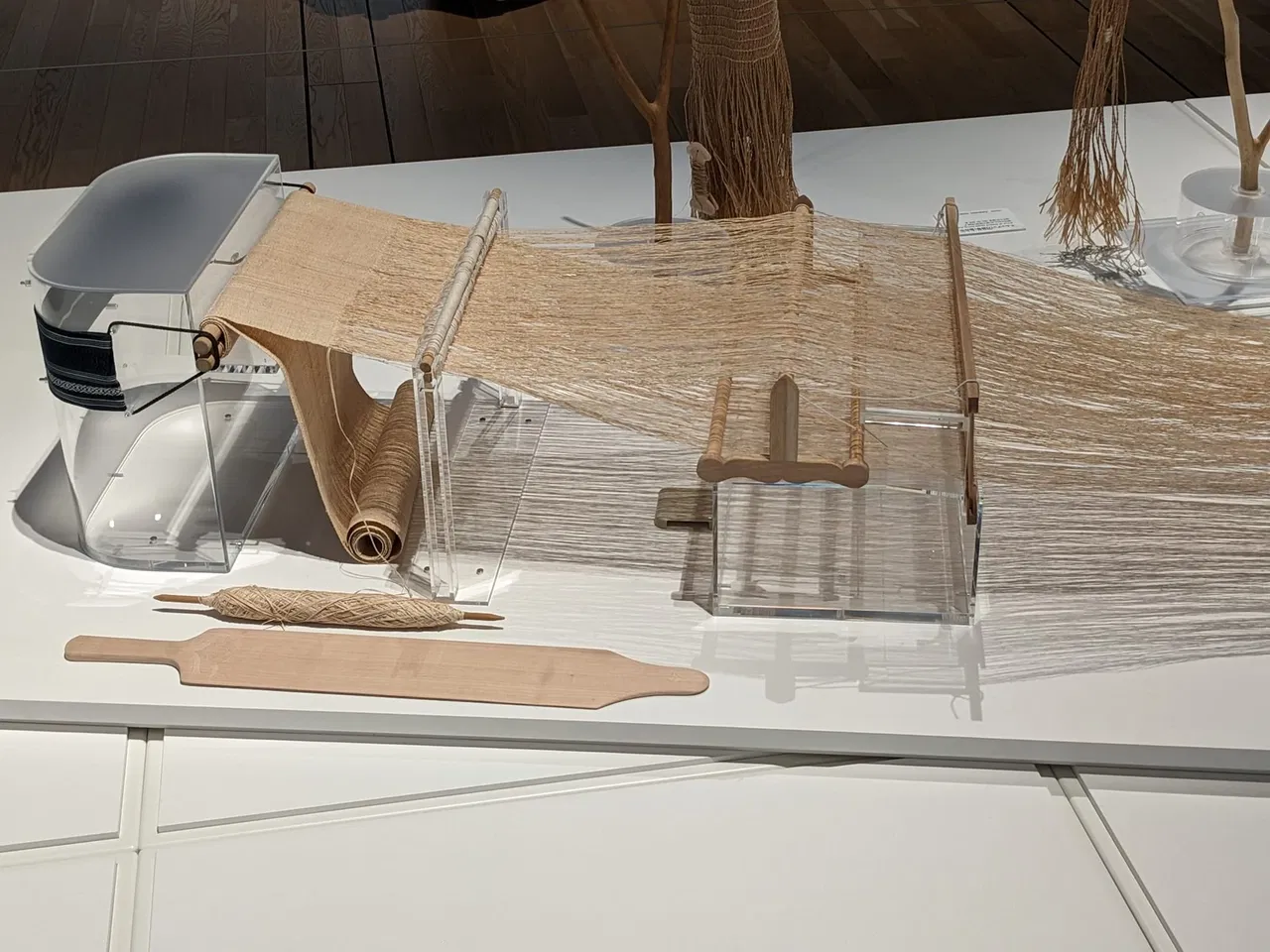
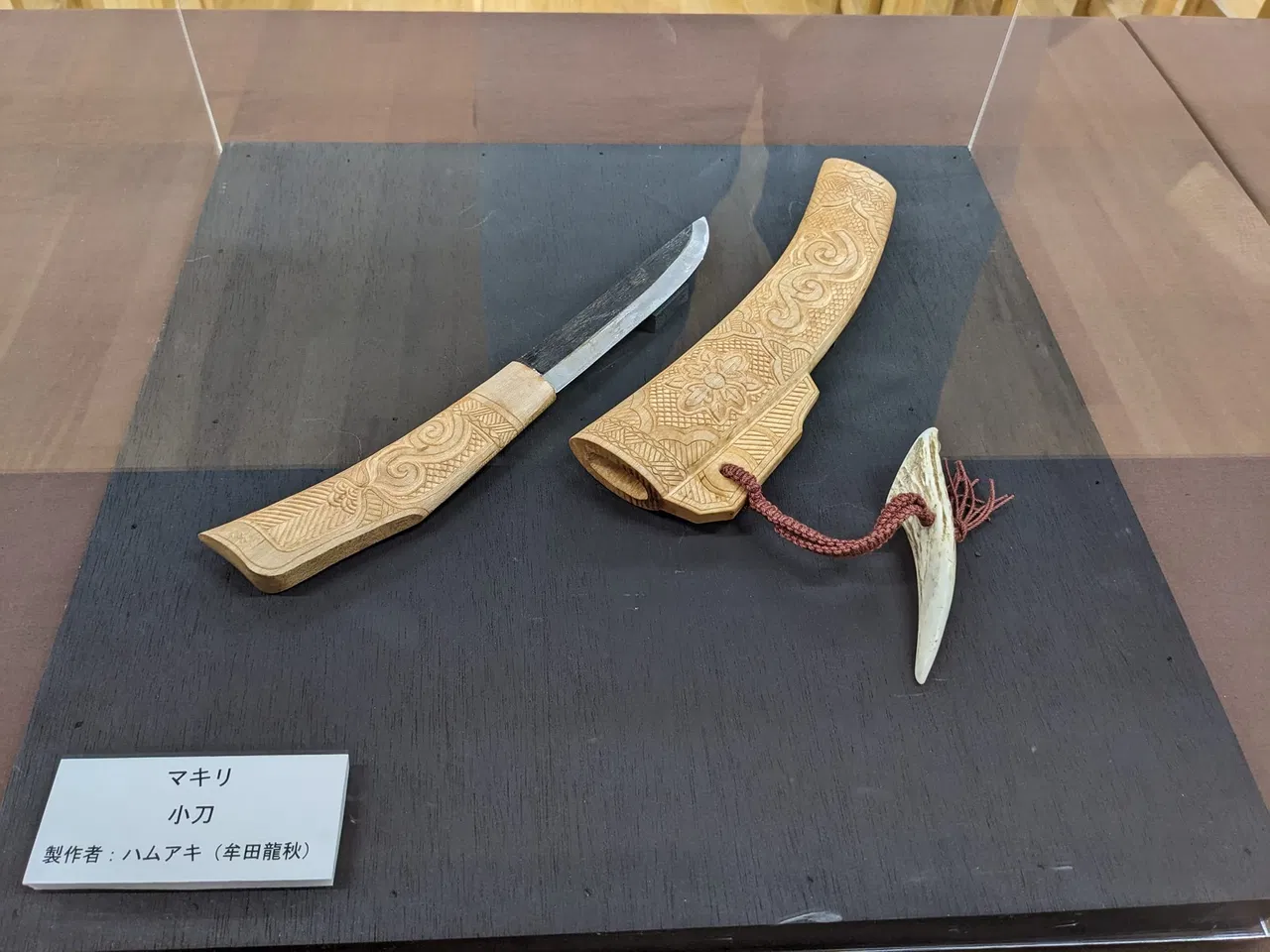
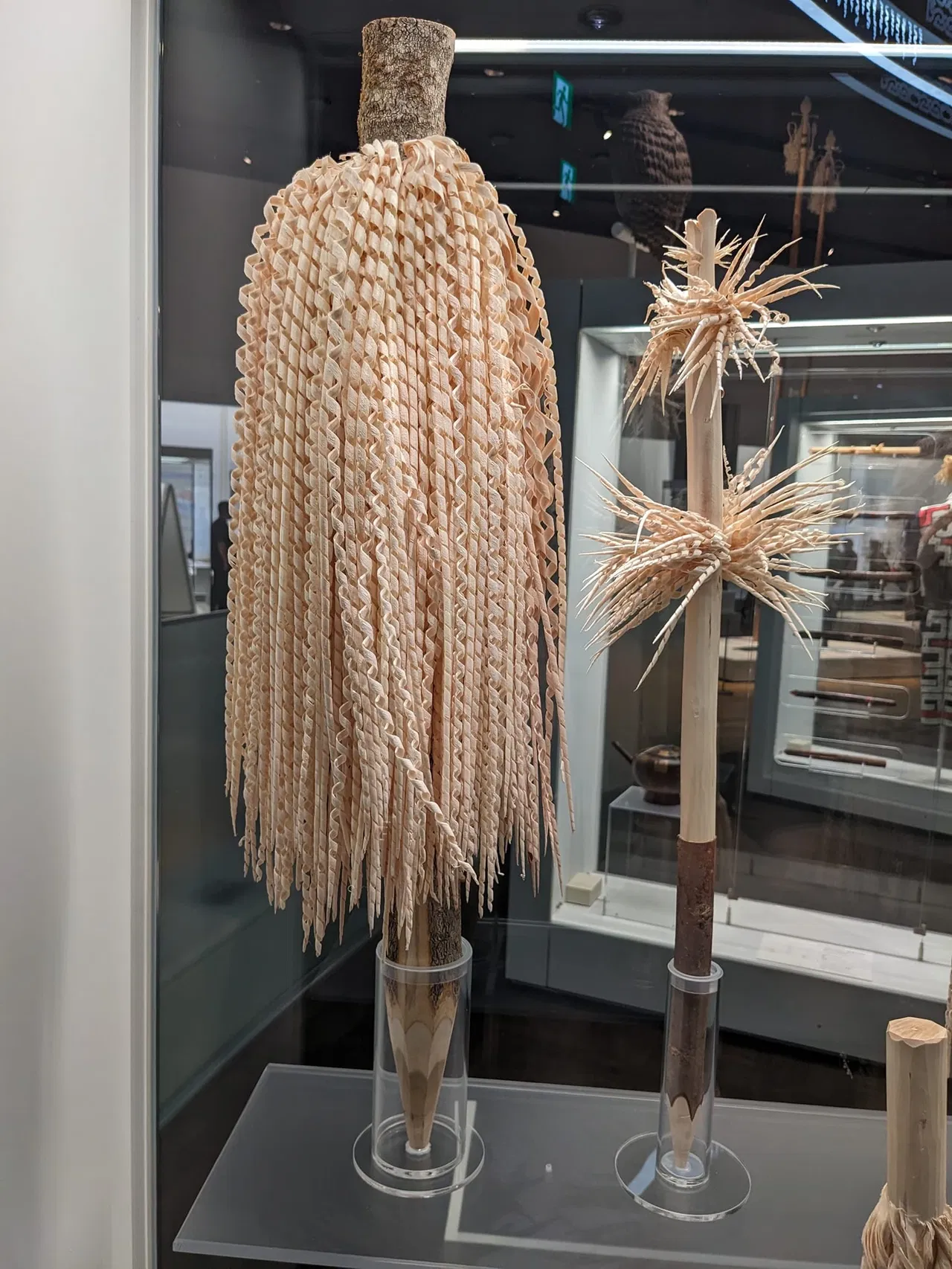
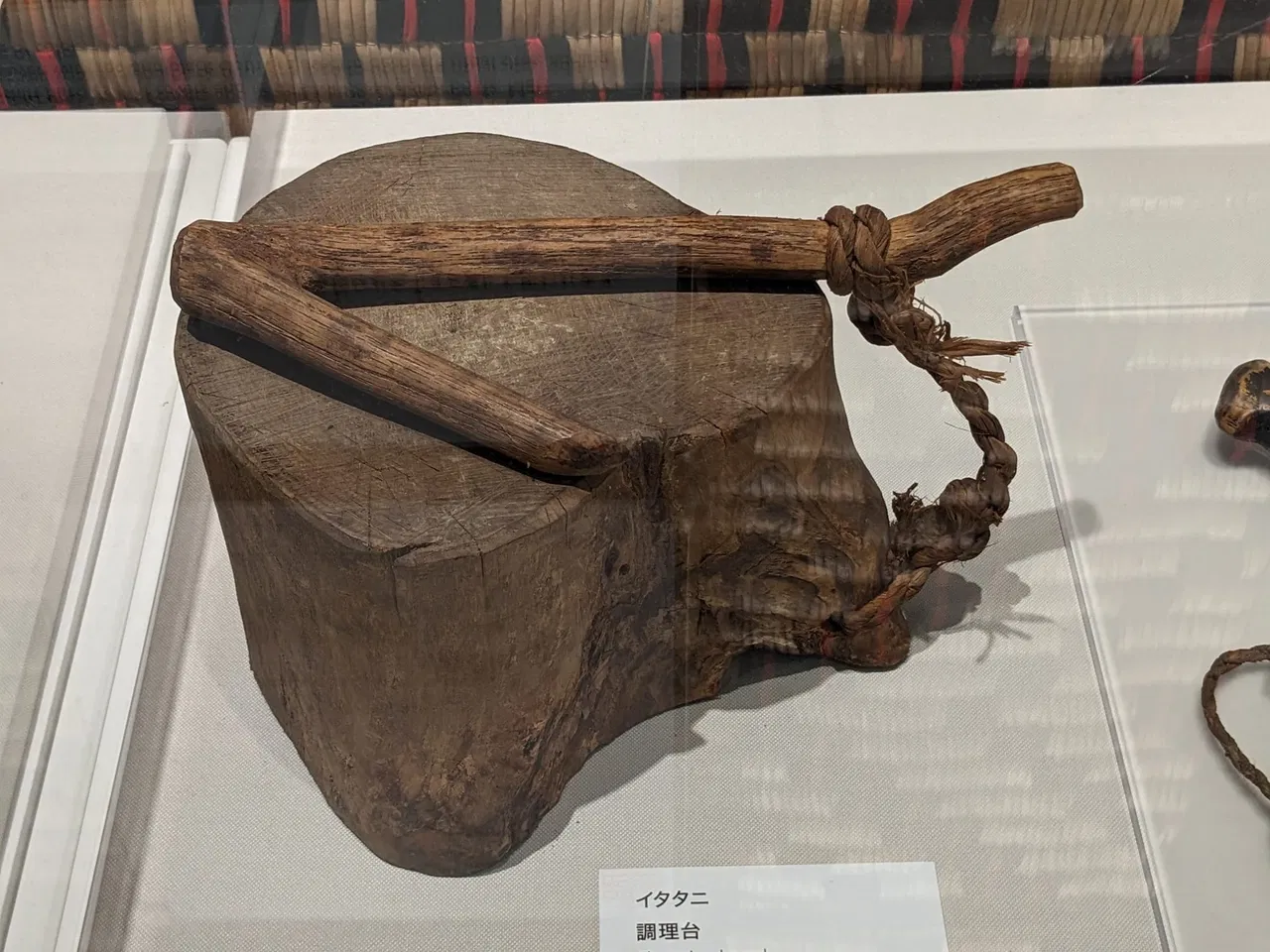
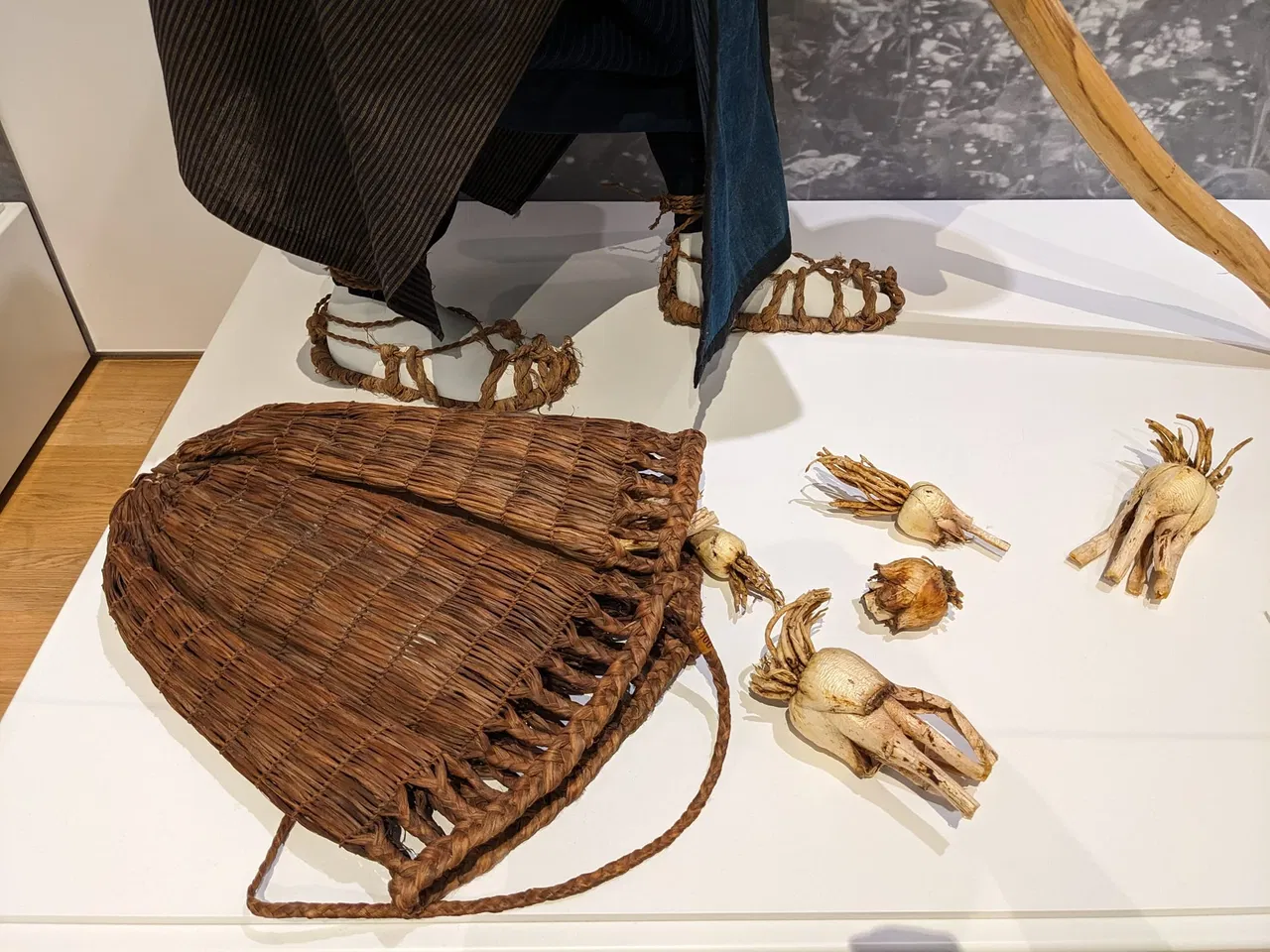
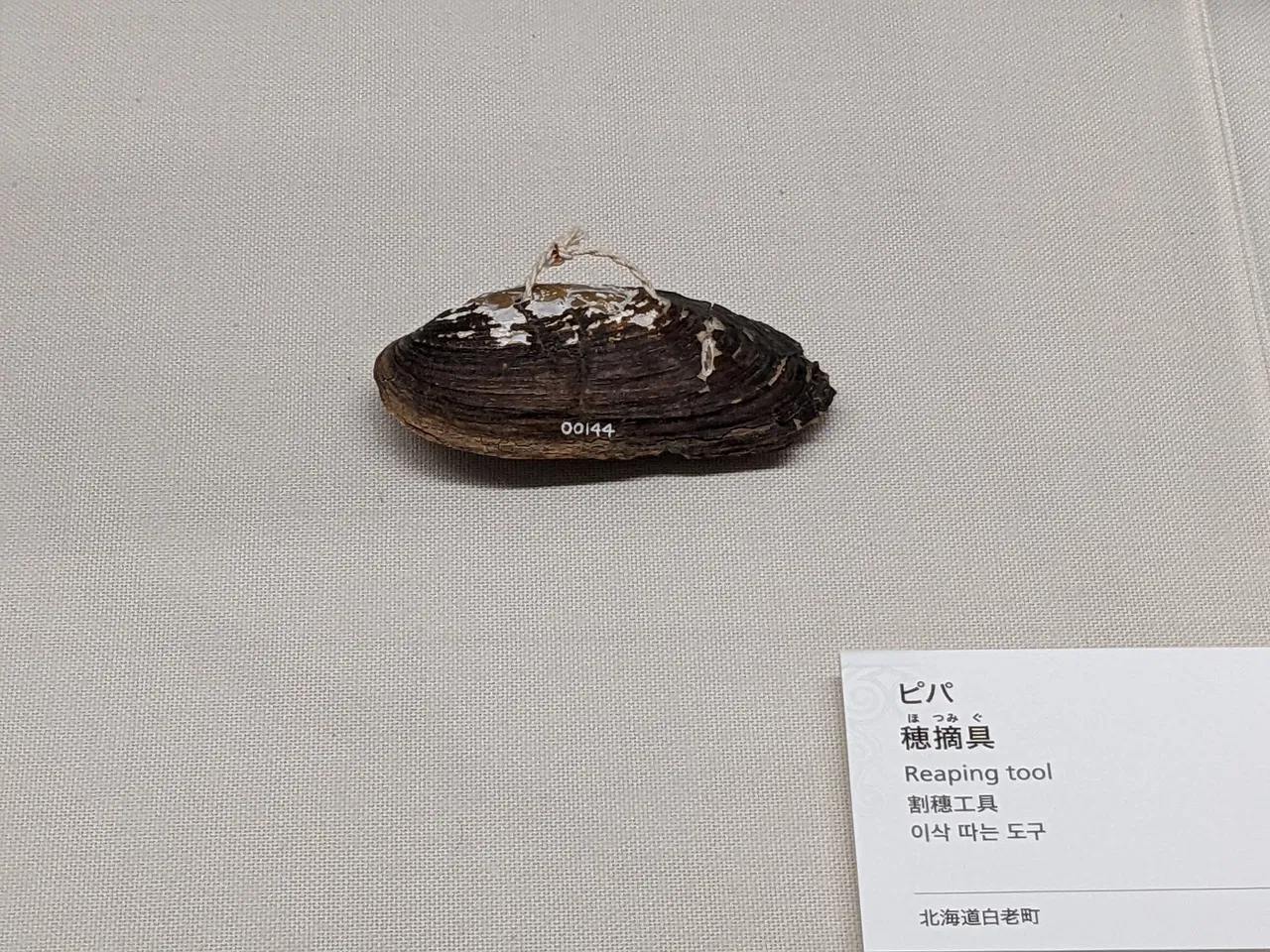
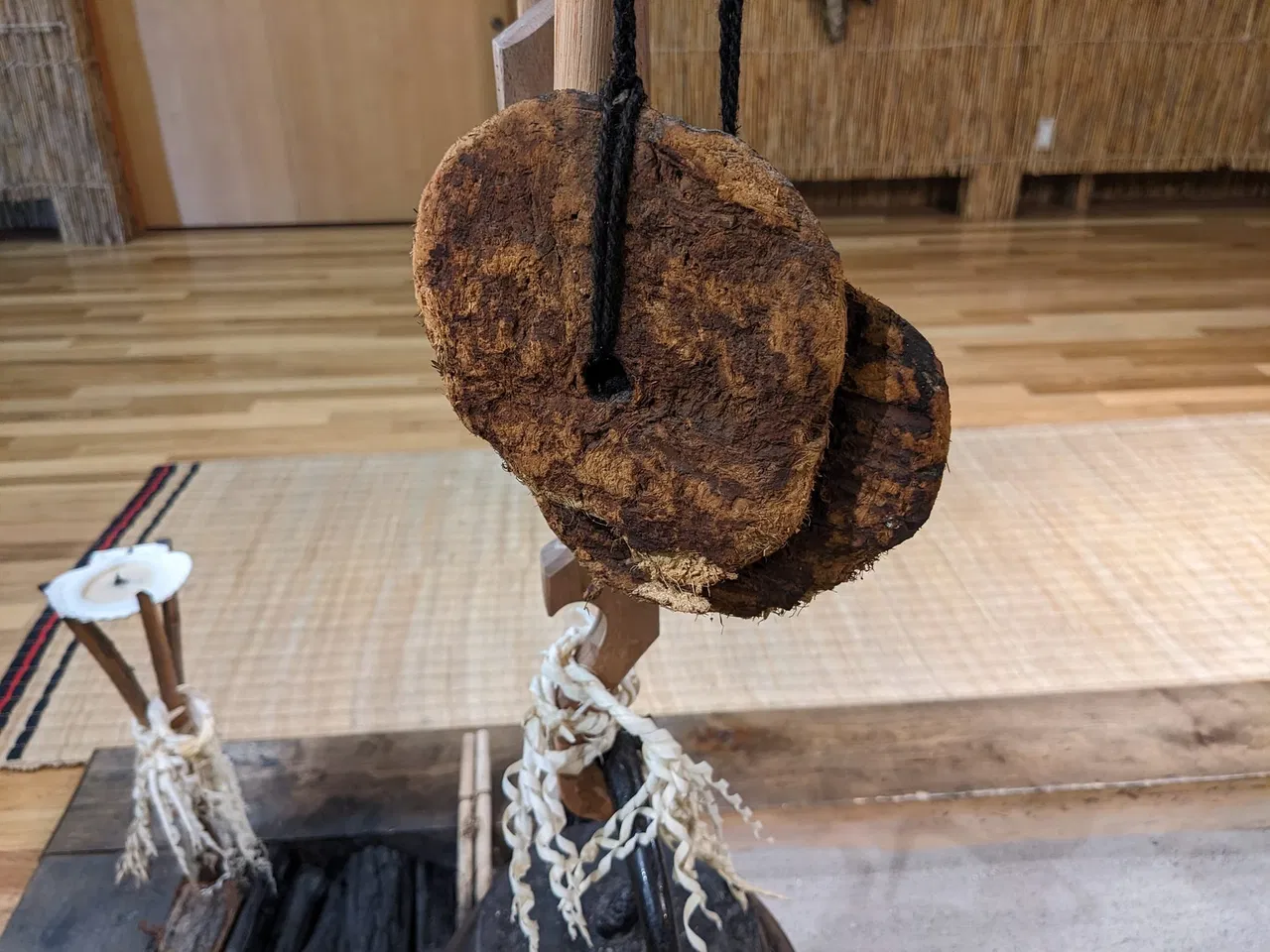

The National Ainu Museum is an ethnographic museum situated in Shiraoi, Hokkaidō, Japan. It is a significant cultural institution that aims to promote a comprehensive understanding and awareness of Ainu history and culture in Japan and elsewhere, respecting the dignity of the indigenous Ainu people.
The National Ainu Museum is conveniently located about an hour's drive from Sapporo and approximately 40 minutes from New Chitose Airport. The museum also provides parking facilities for visitors, making it easily accessible for those traveling by car.
The National Ainu Museum presents exhibits according to six main Ainu themes: language, history, worldviews, livelihoods (hunting, gathering, fishing, farming), lifestyles (food, clothing, housing, music, dance) and trade and exchange with neighboring peoples. This comprehensive approach provides visitors with a deep understanding of the Ainu culture and its projected multicultural coexistence in future Japan.
2 Chome-3-1 Wakakusacho, Shiraoi
No exhibitions in National Ainu Museum have been found.
National Ainu Museum has 1 rating.
The National Ainu Museum in Shiraoi, Japan, offers visitors an insightful look into the culture and history of the Ainu people, the indigenous inhabitants of Hokkaido. The museum, which opened in 2020, is part of the larger Upopoy National Ainu Museum and Park complex.
Visitors generally appreciate the museum's modern and interactive exhibits, which effectively showcase Ainu art, crafts, and traditional lifestyle. The displays are well-curated and provide informative content in multiple languages, making it accessible to international tourists. Many reviewers highlight the importance of this institution in preserving and promoting Ainu heritage.
The museum's architecture and design receive praise for their contemporary aesthetic that still incorporates traditional Ainu elements. The surrounding park area, which includes reconstructed traditional Ainu houses and a performance hall, adds value to the overall experience.
However, some visitors note that the museum could benefit from more in-depth information on certain aspects of Ainu history, particularly regarding their struggles and the complexities of their relationship with the Japanese government. A few reviewers mention that the museum experience can feel somewhat brief, suggesting that it might be enhanced by additional exhibits or content.
Despite these minor critiques, the National Ainu Museum is generally regarded as an important cultural institution that provides a valuable educational experience. It successfully balances entertainment with information, making it suitable for visitors of all ages and backgrounds interested in learning about Japan's indigenous culture.
This rating is based on the rating of this museum on several other platforms.