Images of Museum Marcel Proust
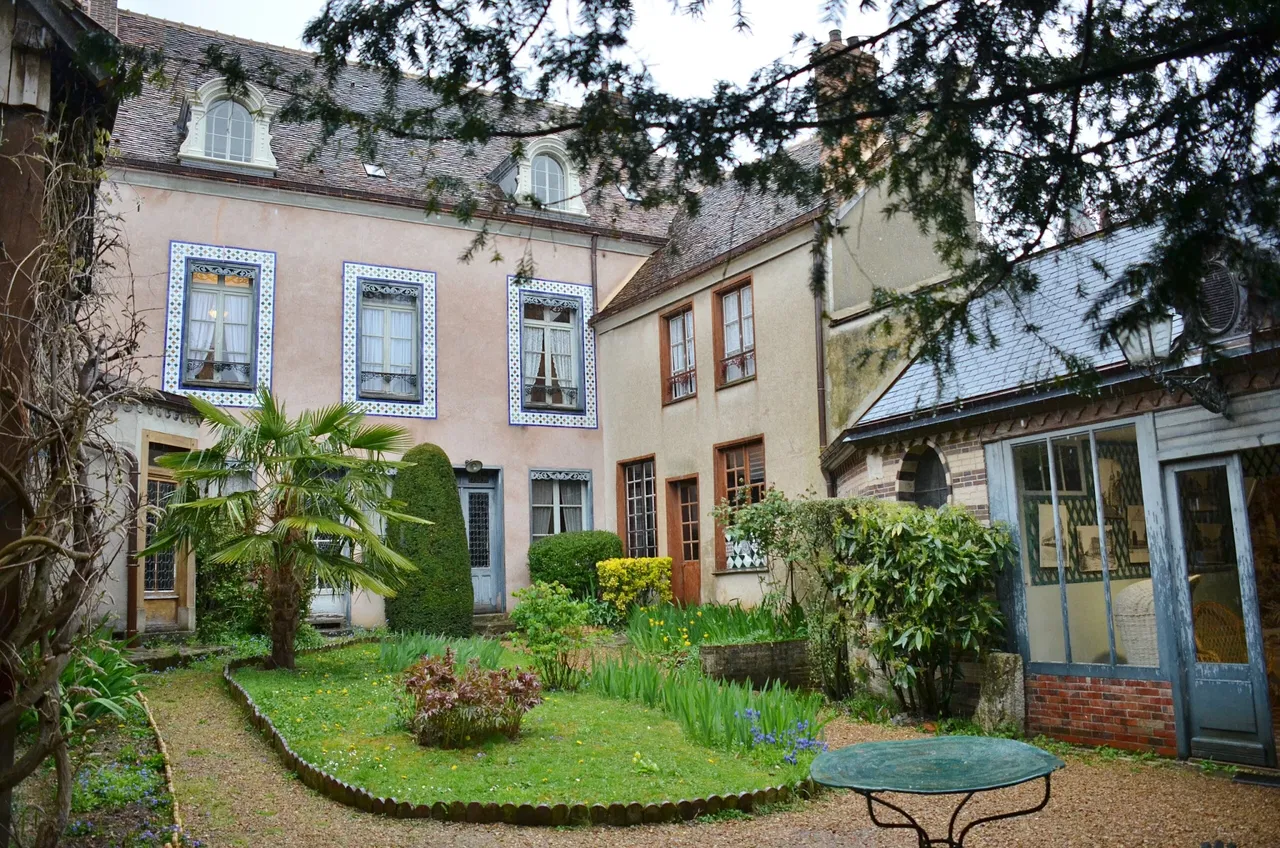
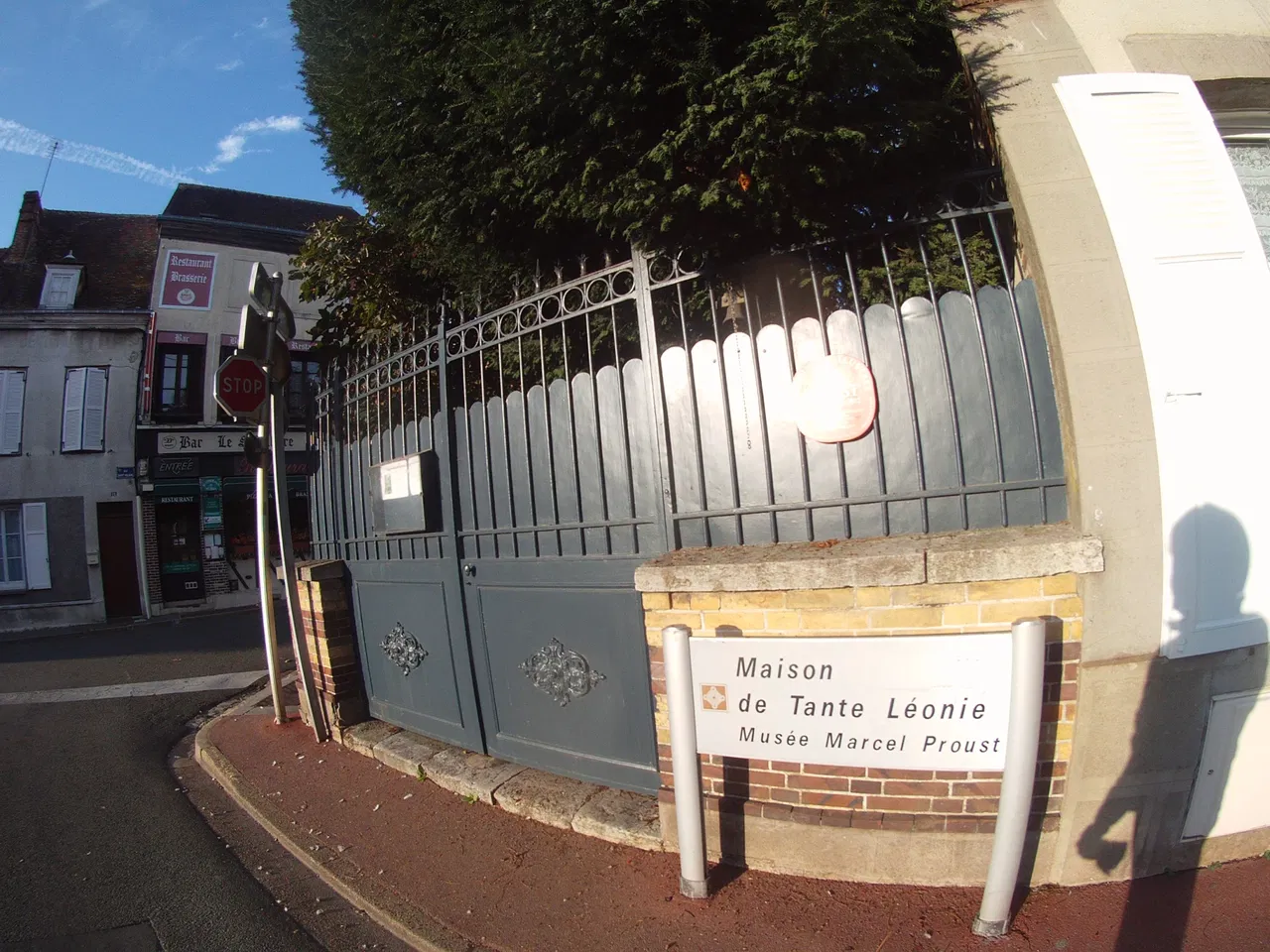
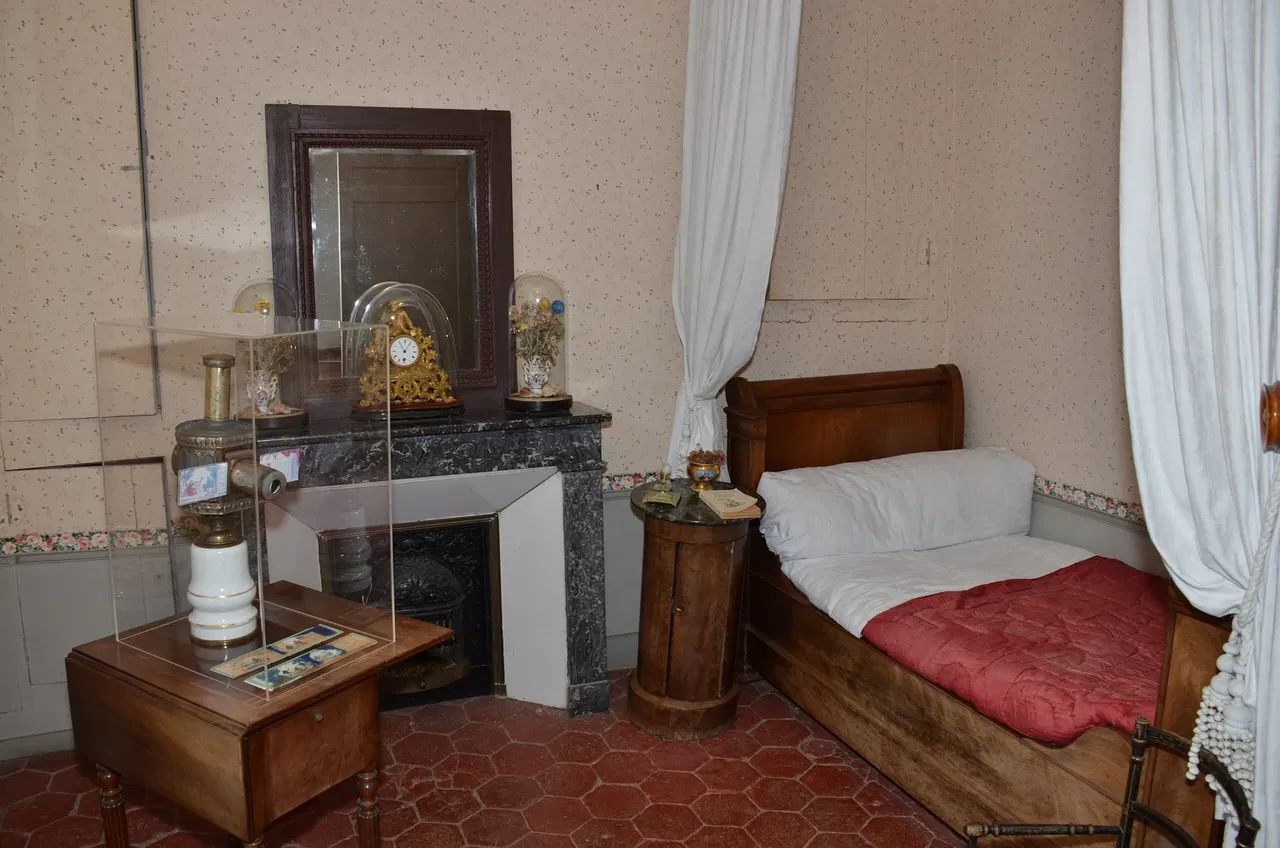

The Marcel Proust Museum, also known as Aunt Léonie's house, is a significant location in Illiers-Combray, Eure-et-Loir. This is where the renowned writer Marcel Proust spent his childhood holidays from 1877 to 1880. The house and its surroundings served as a major inspiration for Proust's work, 'In Search of Lost Time'.
The Marcel Proust Museum, owned by the Society of Friends of Marcel Proust, holds significant historical value. It has been classified as a historical monument since 1961 and was labeled 'Maisons des Illustres' in 2011. Additionally, the museum has received the prestigious 'Musée de France' label, further emphasizing its cultural importance.
The Marcel Proust Museum offers a variety of spaces for visitors to explore. These include the house and its garden, the kitchen, the oriental living room, the bedrooms of Marcel and Aunt Léonie, the Weil rooms, the Nadar photography room, and the "Pré-Catelan garden". The latter is an exotic garden near the house, created by Proust's uncle out of a passion for the Orient.
History & Anthropology
| Monday | Closed |
| Tuesday | 11:00 – 17:30 |
| Wednesday | 11:00 – 17:30 |
| Thursday | 11:00 – 17:30 |
| Friday | 11:00 – 17:30 |
| Saturday | 11:00 – 17:30 |
| Sunday | 11:00 – 17:30 |
Rue de Chartres 19, Illiers-Combray
No exhibitions in Museum Marcel Proust have been found.
Museum Marcel Proust has no ratings yet 😢
The Museum Marcel Proust in Illiers-Combray, France, offers visitors an intimate look into the life and work of the renowned French author. Located in the house of Proust's aunt, which inspired settings in his famous novel "In Search of Lost Time," the museum provides a tangible connection to the writer's world.
Visitors appreciate the well-preserved period furnishings and personal artifacts that offer insight into Proust's life and the society of his time. The museum's small size allows for a focused and personal experience, though some may find it limits the depth of information provided.
Many reviewers highlight the garden as a particular highlight, noting its resemblance to descriptions in Proust's work. The staff is generally described as knowledgeable and helpful, enhancing the visit with their insights.
However, some visitors mention that the museum might be more engaging for those already familiar with Proust's work. A few reviewers note that more extensive English translations would be helpful for international visitors.
Overall, the Museum Marcel Proust offers a quietly evocative experience that resonates strongly with literature enthusiasts and those interested in French cultural history. While it may not appeal to everyone, it provides a meaningful connection to one of France's most influential writers.