Images of Museum de la Visitation
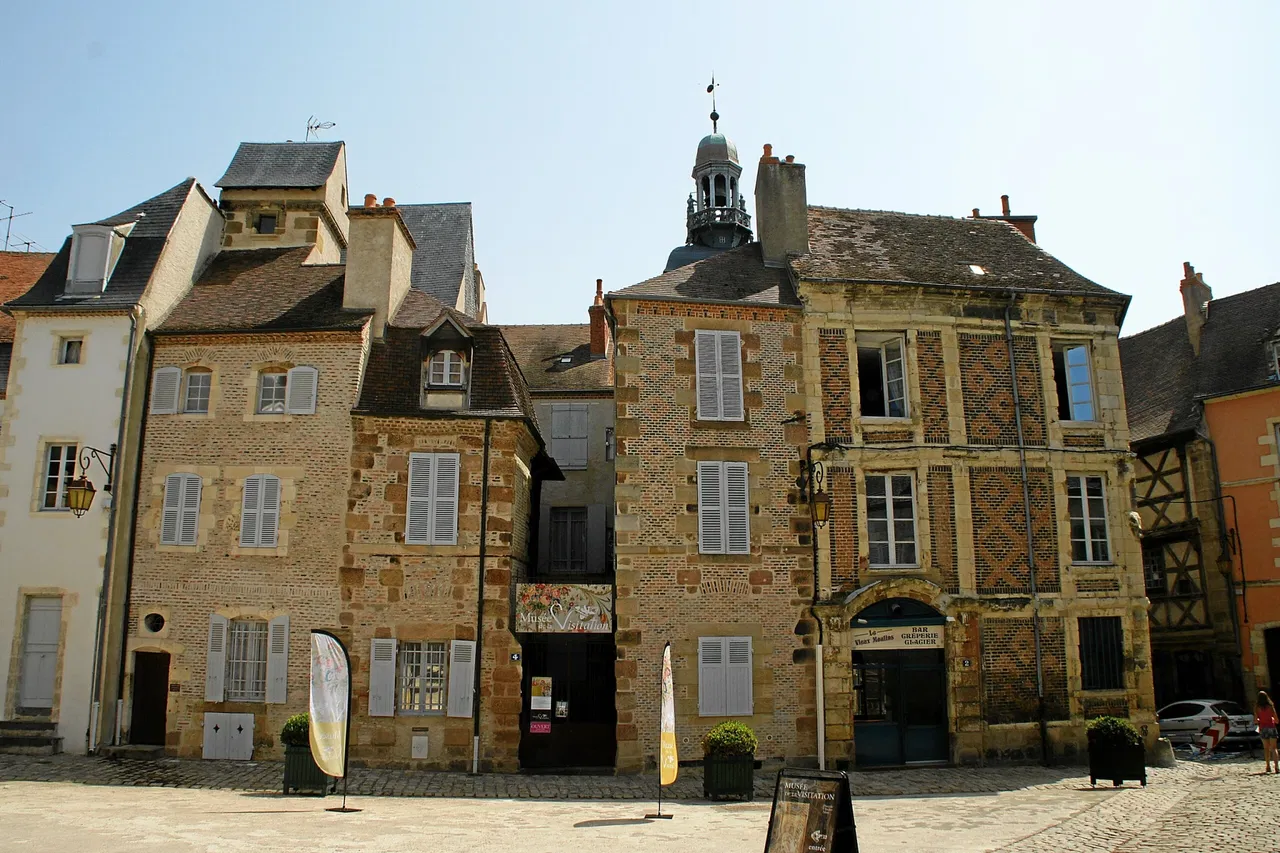
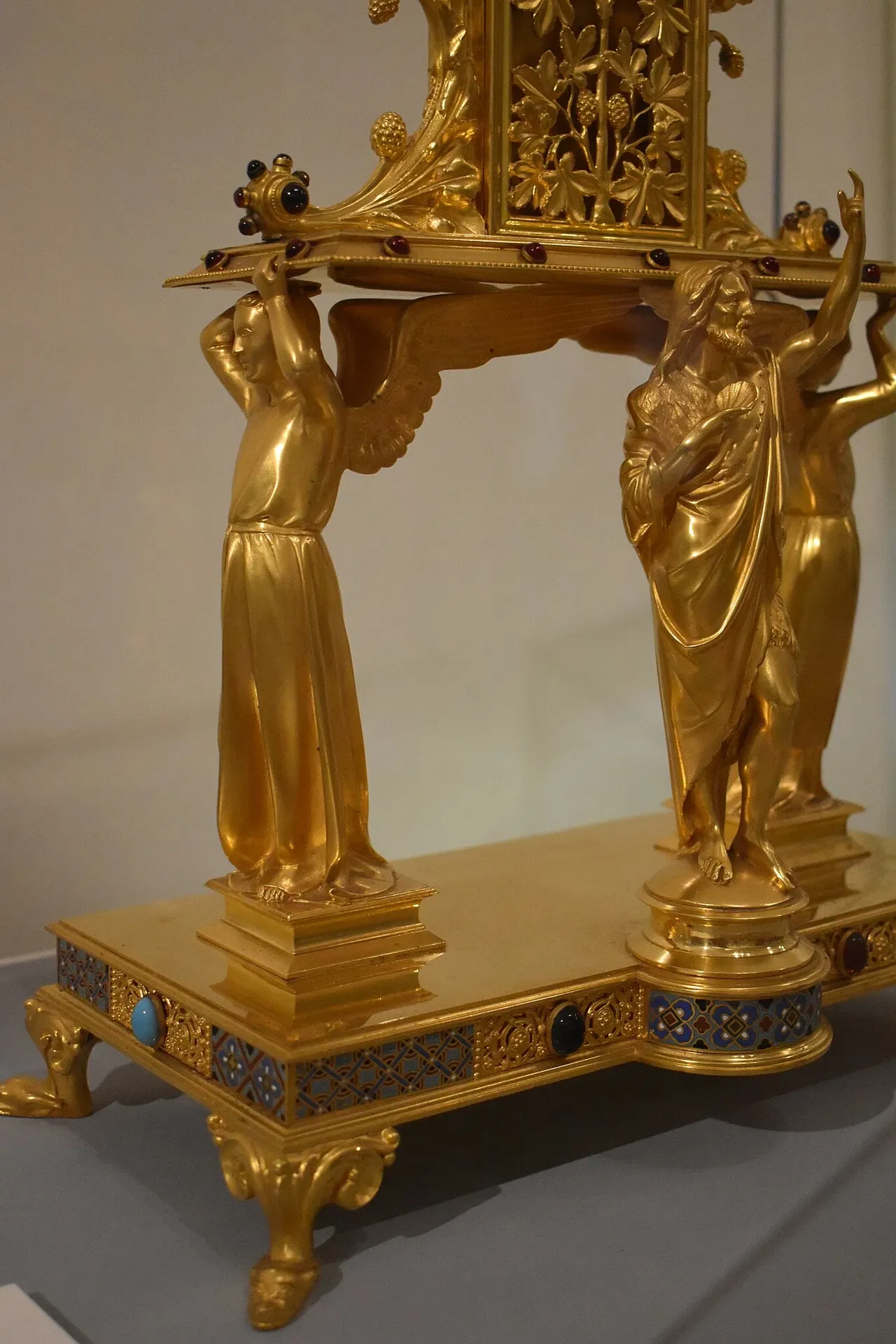
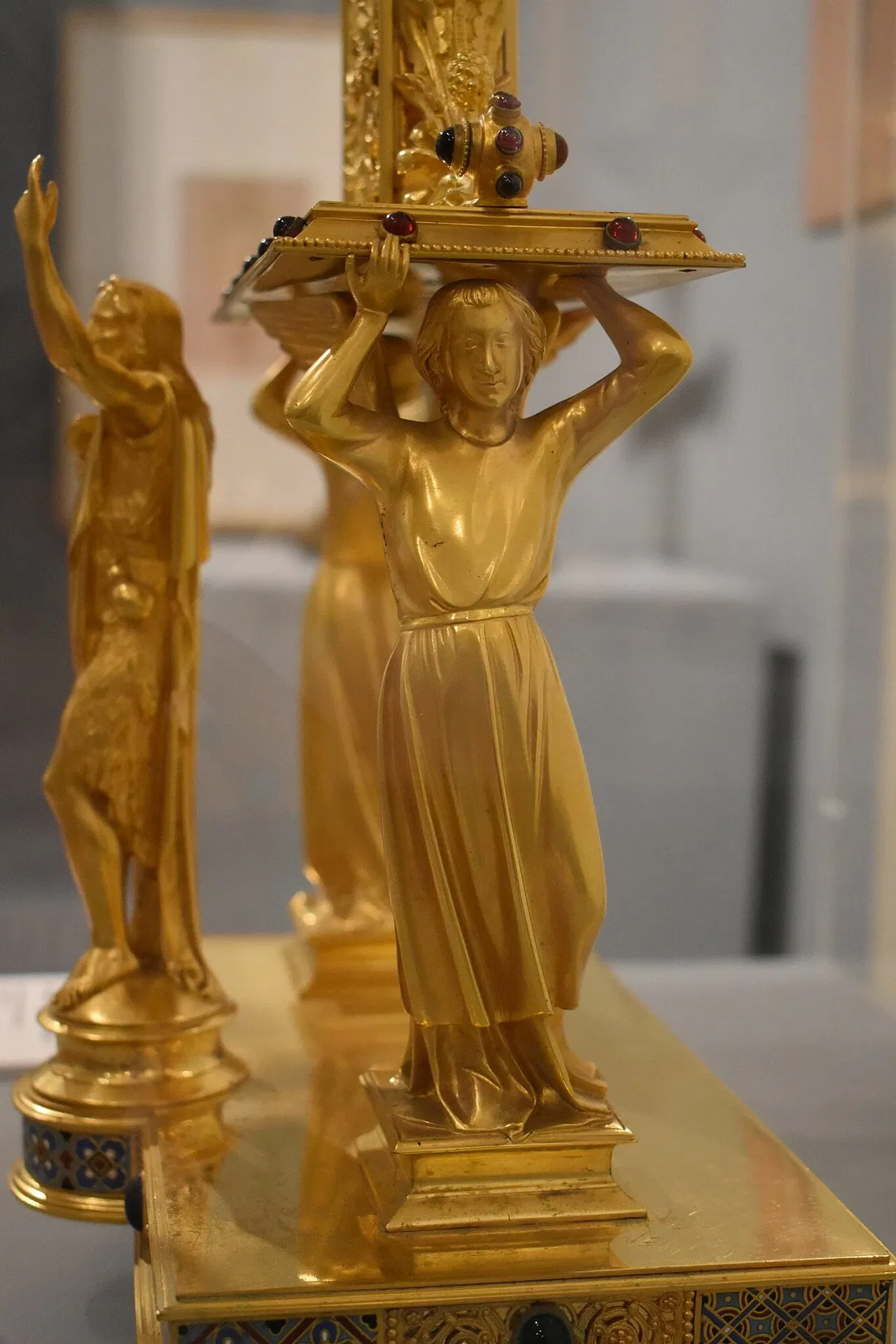
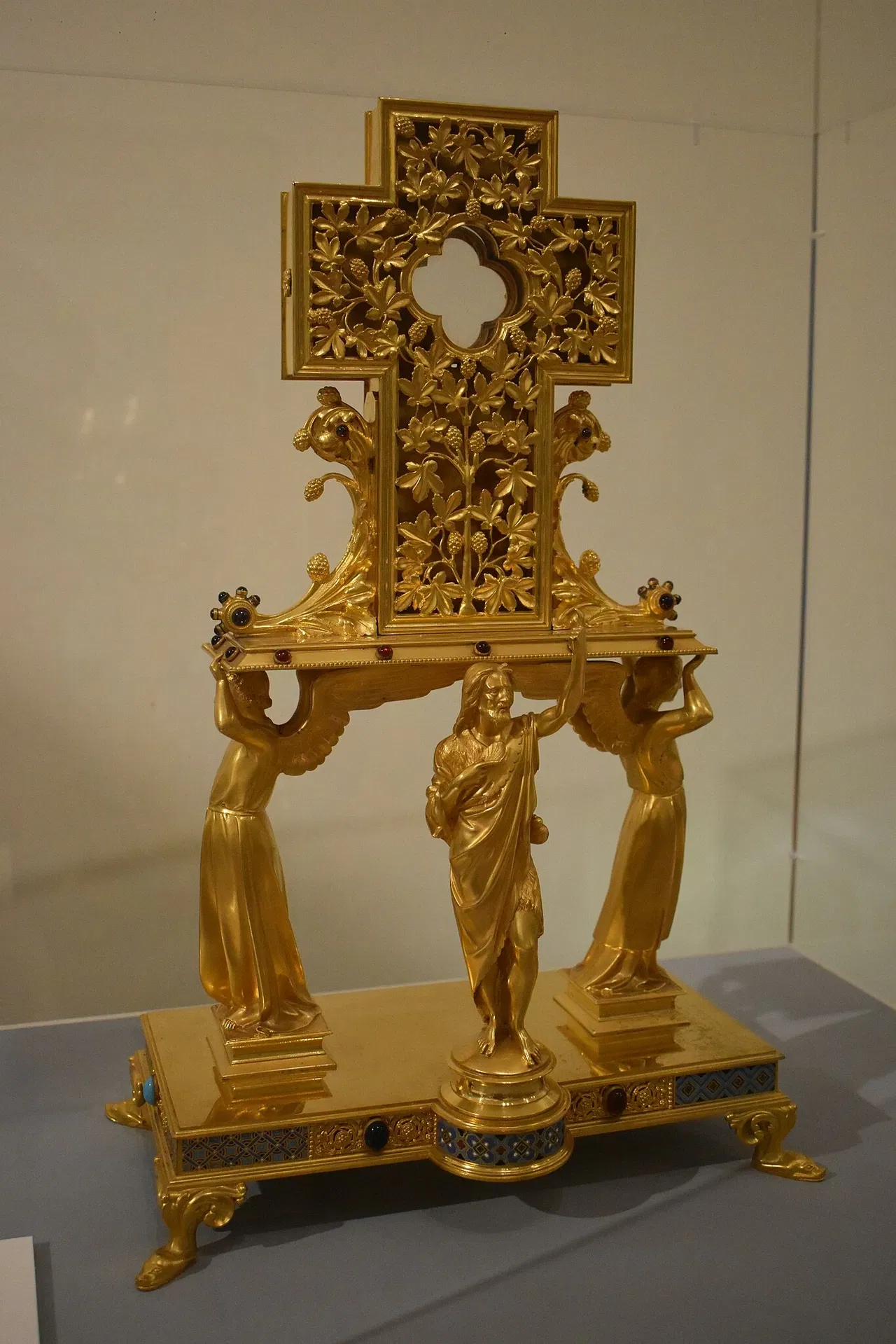

The European Museum of the Visitation, situated in Moulins, is a unique institution dedicated to the Order of the Visitation and its rich artistic heritage. The museum offers a deep dive into the history and art of this religious order, providing visitors with a unique perspective on its influence and contributions to the world of art and culture.
Every year, the Museum of the Visitation organizes thematic exhibitions at the Demoret Hotel and Babute Chapel, located at 71 Allier Street. These exhibitions have attracted more than 100,000 visitors since 2007, showcasing a variety of themes and artworks related to the Order of the Visitation. These exhibitions provide a fresh and dynamic perspective on the order's artistic heritage, making each visit to the museum a unique experience.
The Museum of the Visitation boasts a vast collection of more than 19,000 works. These works span a wide range of mediums and styles, reflecting the diverse artistic contributions of the Order of the Visitation. Visitors to the museum can expect to see a variety of artworks, from paintings and sculptures to textiles and other artifacts, each telling a unique story about the order and its history.
| Monday | 10:00 – 12:00 14:00 – 18:00 |
| Tuesday | 10:00 – 12:00 14:00 – 18:00 |
| Wednesday | 10:00 – 12:00 14:00 – 18:00 |
| Thursday | 10:00 – 12:00 14:00 – 18:00 |
| Friday | 10:00 – 12:00 14:00 – 18:00 |
| Saturday | 10:00 – 12:00 14:00 – 18:00 |
| Sunday | Closed |
Place de l'Ancien Palais 4, Moulins
No exhibitions in Museum de la Visitation have been found.
Museum de la Visitation has no ratings yet 😢
The Museum de la Visitation in Moulins, France, offers a focused exploration of the history and culture of the Visitation Order. Visitors appreciate the well-curated collection of religious artifacts, particularly the intricate embroidery work and historical vestments. The museum provides informative displays that offer insights into the lives of the Visitation nuns and their contributions to art and spirituality. While some find the subject matter niche, many praise the museum for its attention to detail and the quality of its exhibits. The intimate setting allows for a close examination of the artifacts, though some visitors note that the space can feel somewhat confined. The staff is often described as knowledgeable and helpful, enhancing the overall experience. However, a few reviewers mention that more context or English translations would be beneficial for international visitors. Despite its specialized focus, the Museum de la Visitation is generally regarded as a worthwhile stop for those interested in religious history or textile arts, offering a quiet and contemplative environment to explore this aspect of French cultural heritage.