Images of Museu de História Natural e da Ciência da Universidade
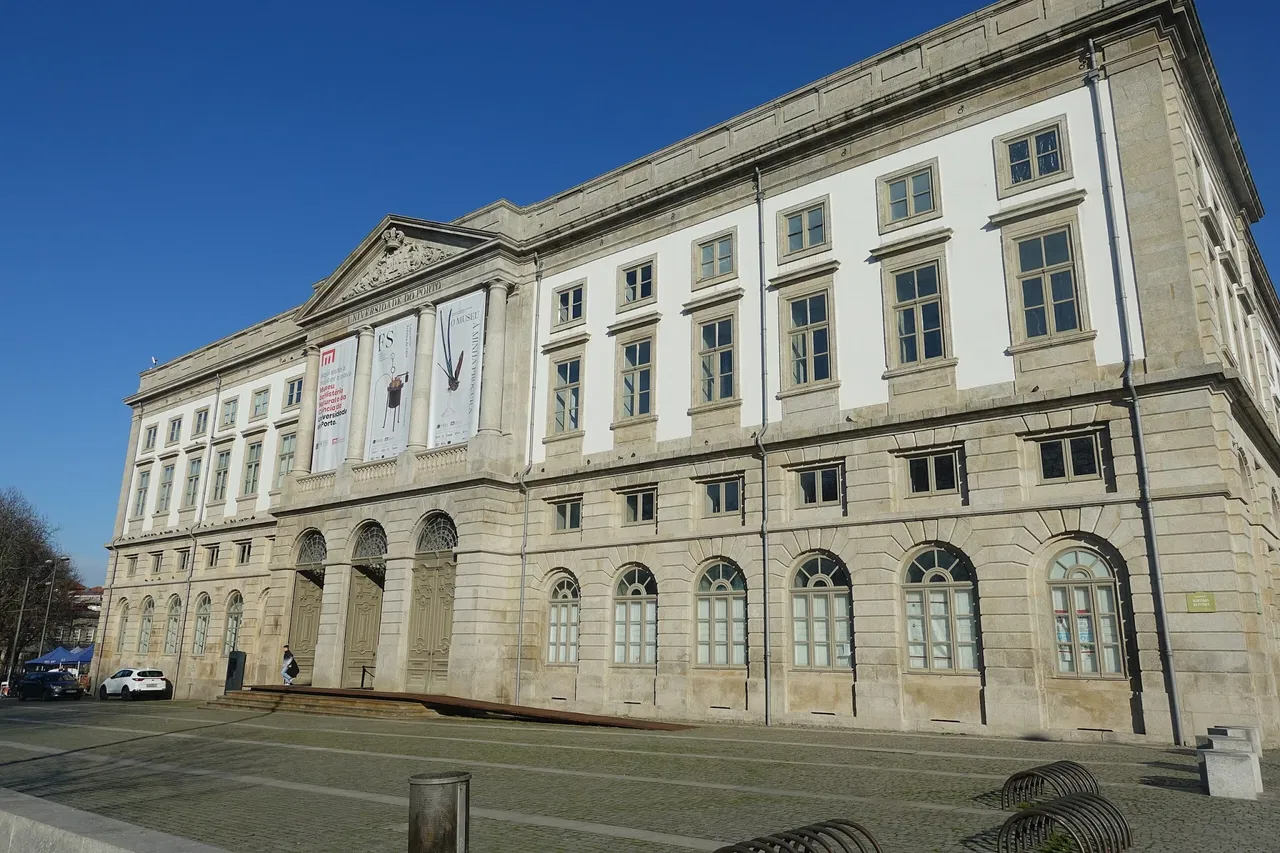
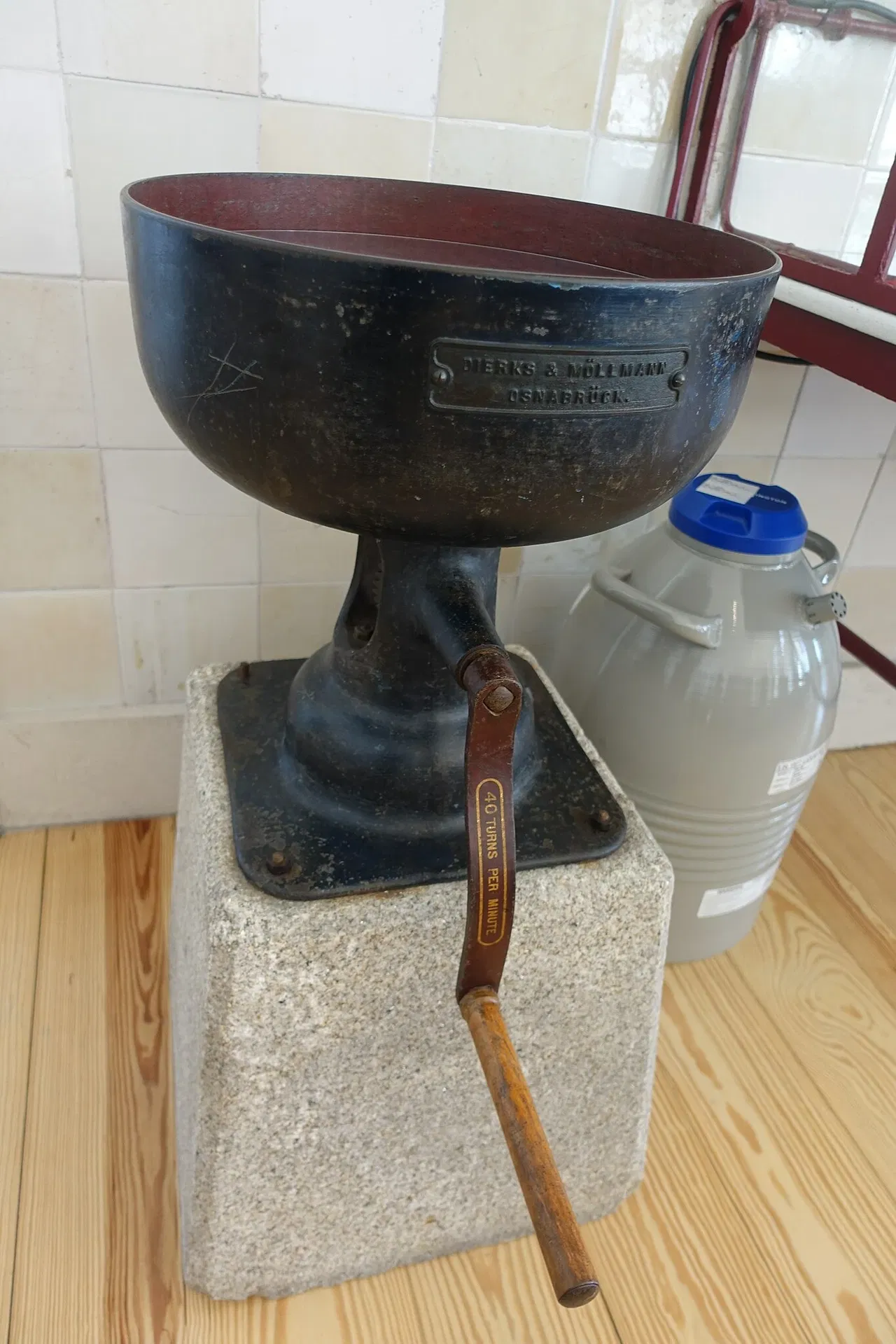
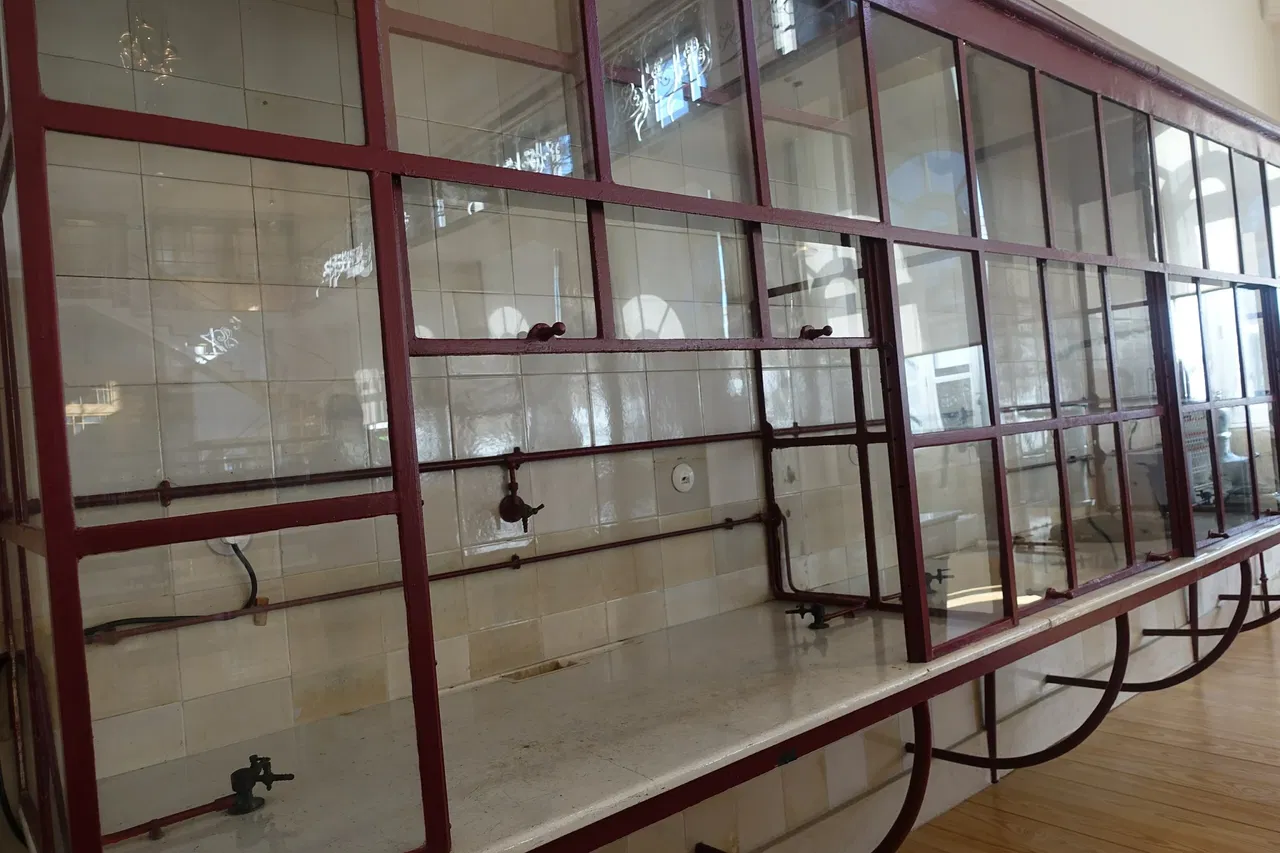
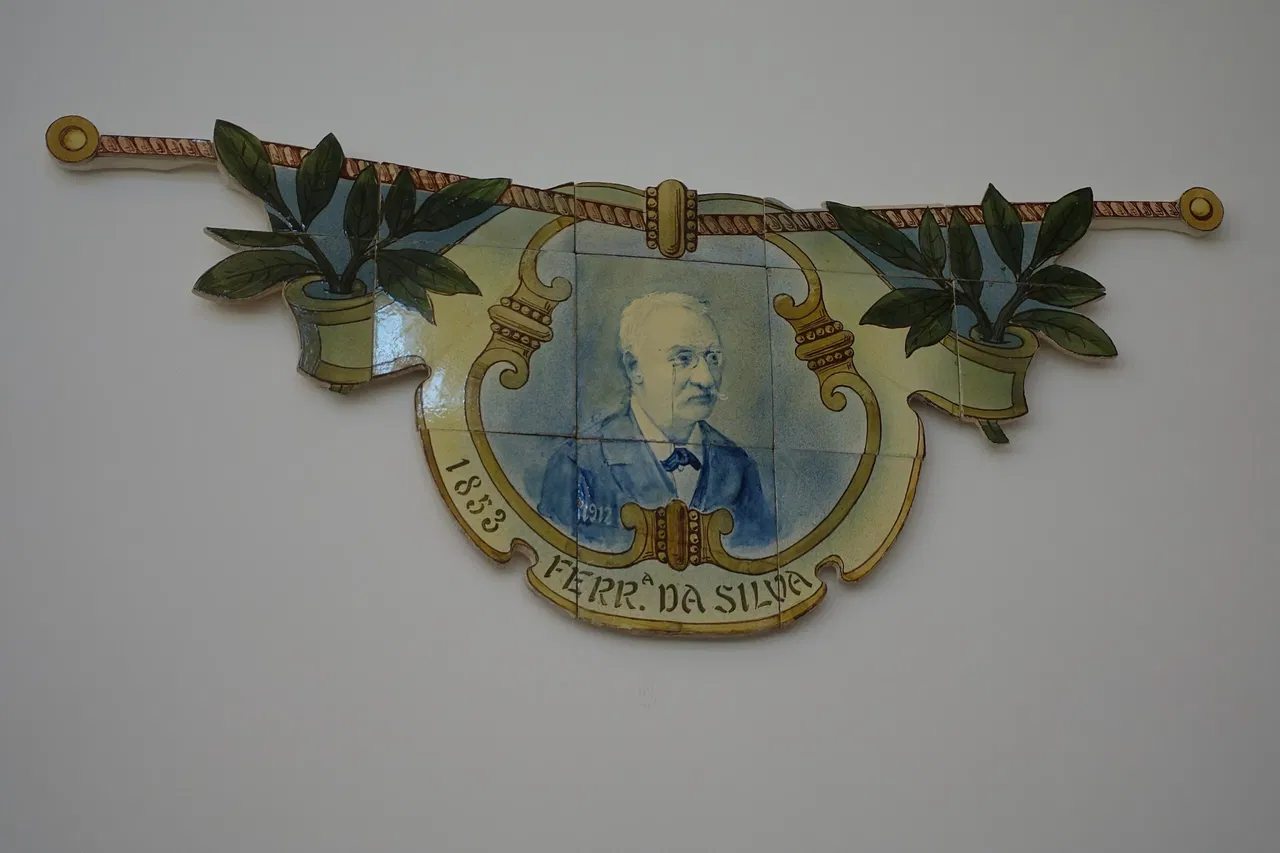
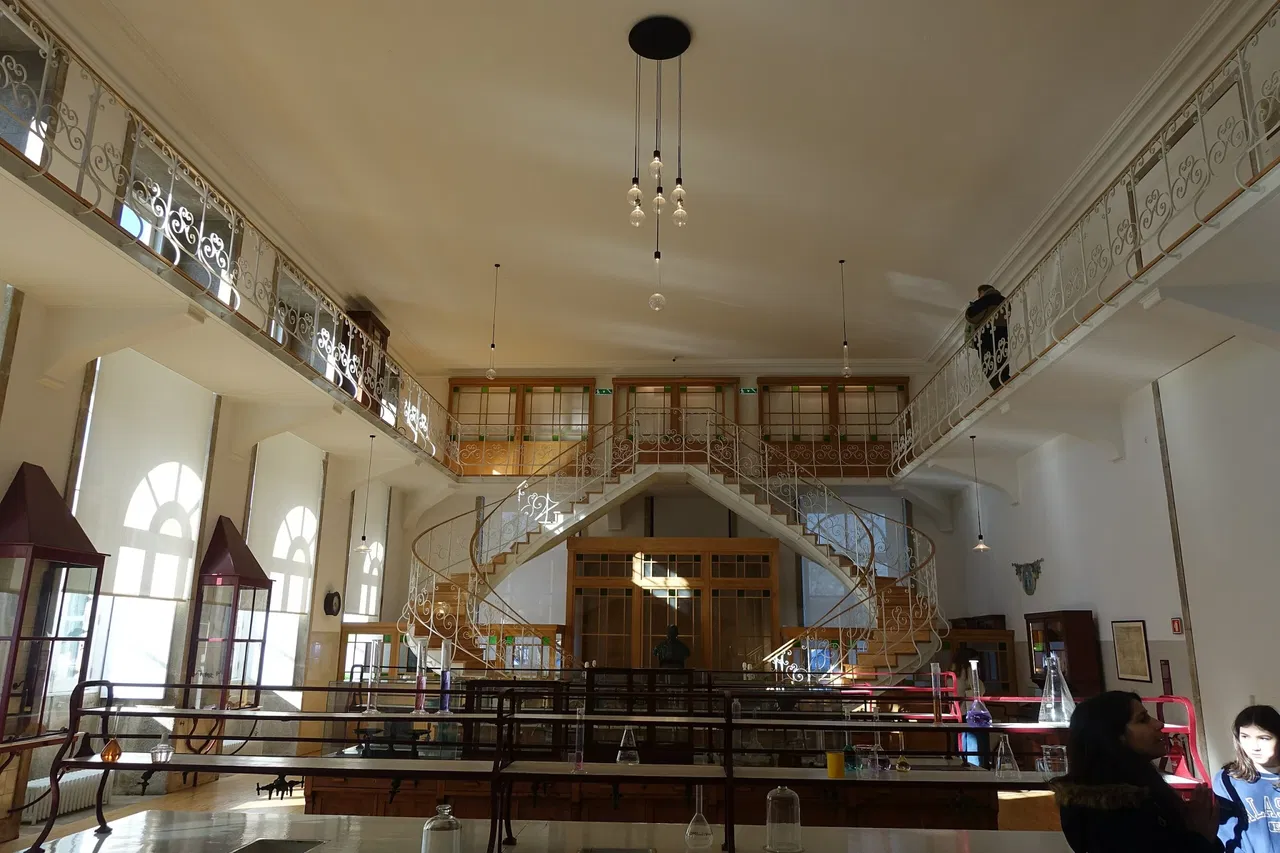
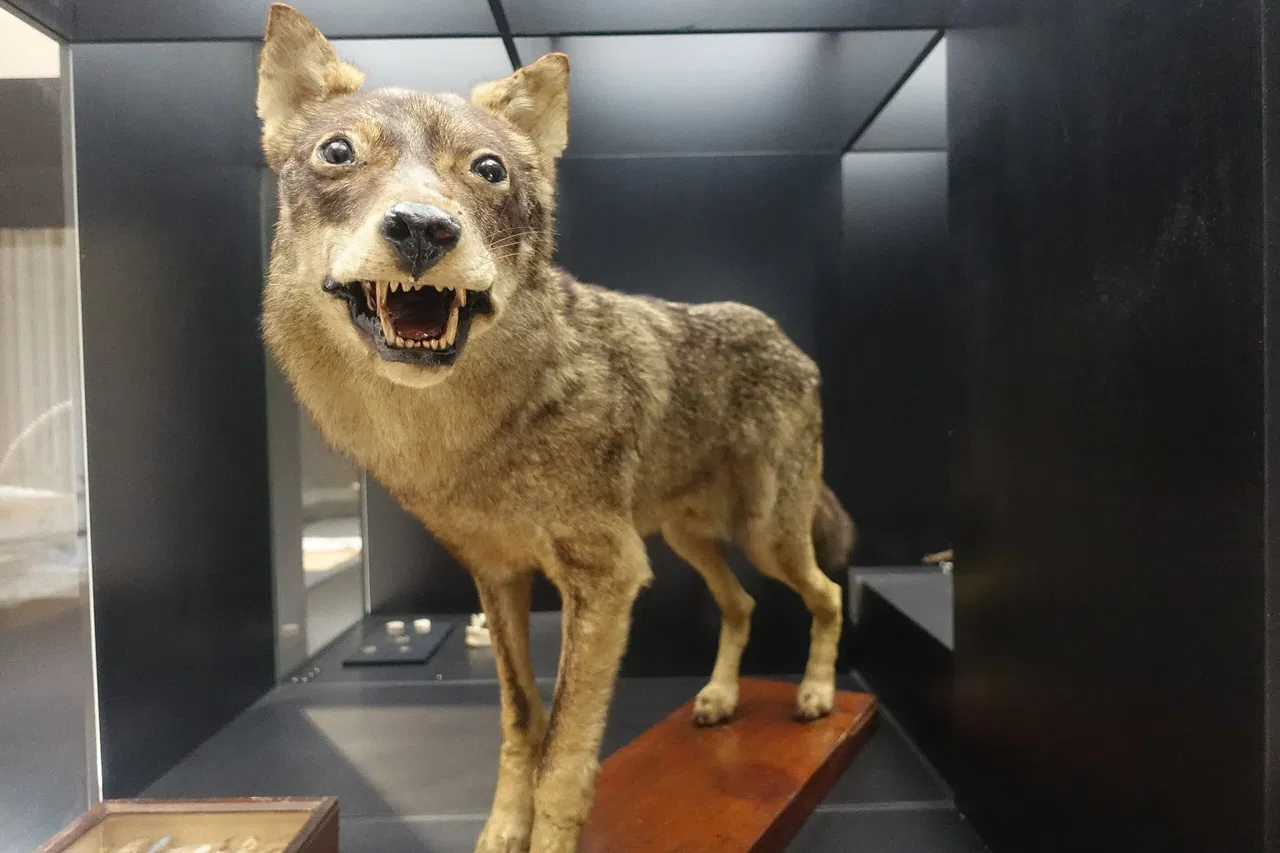
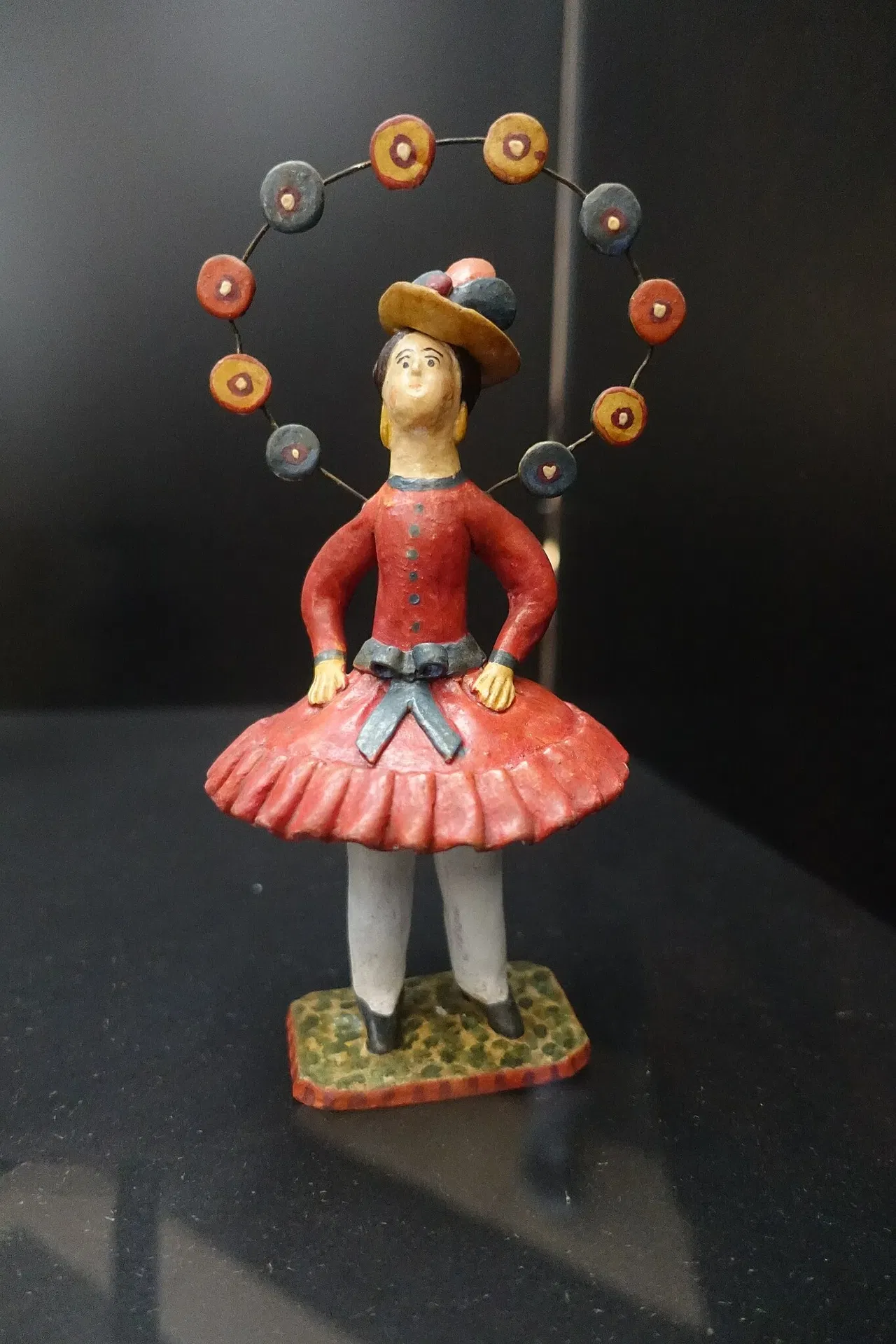
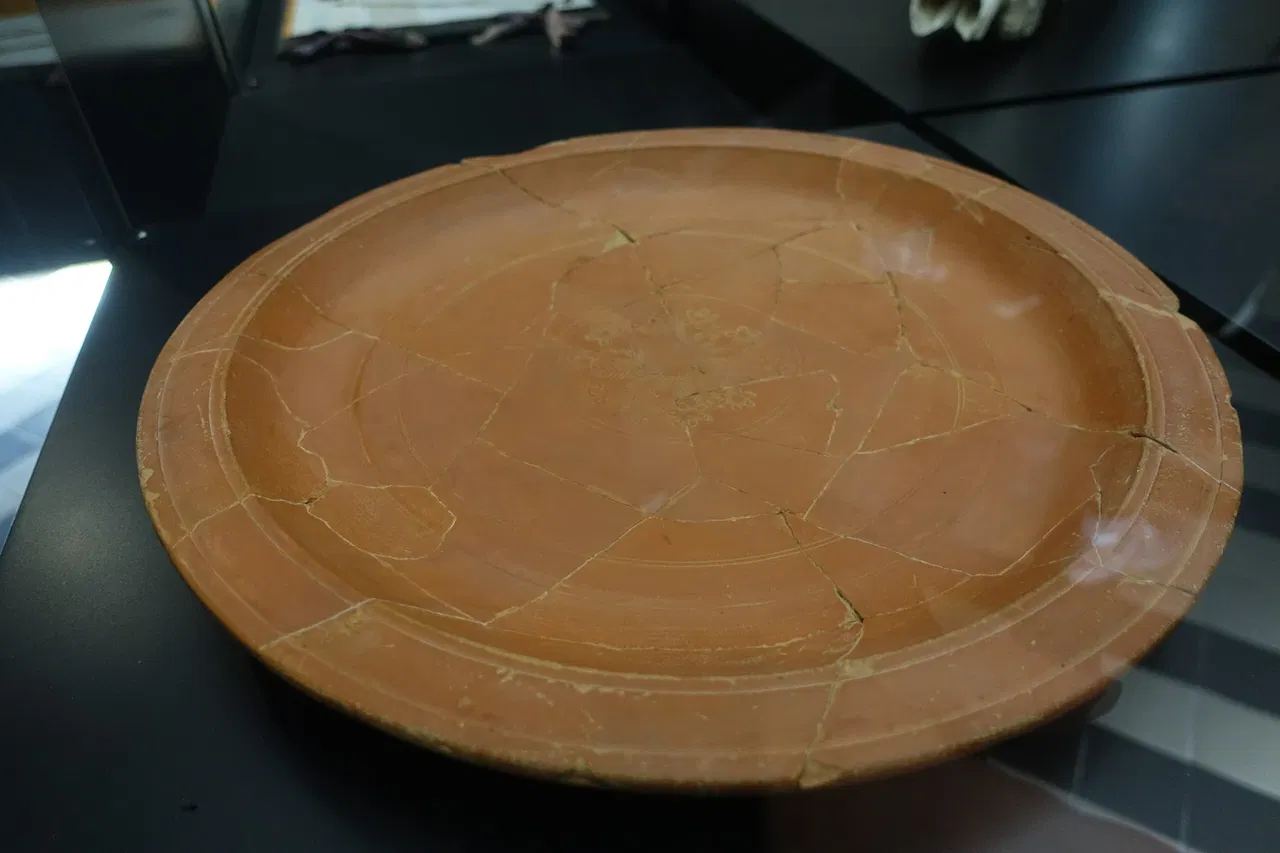
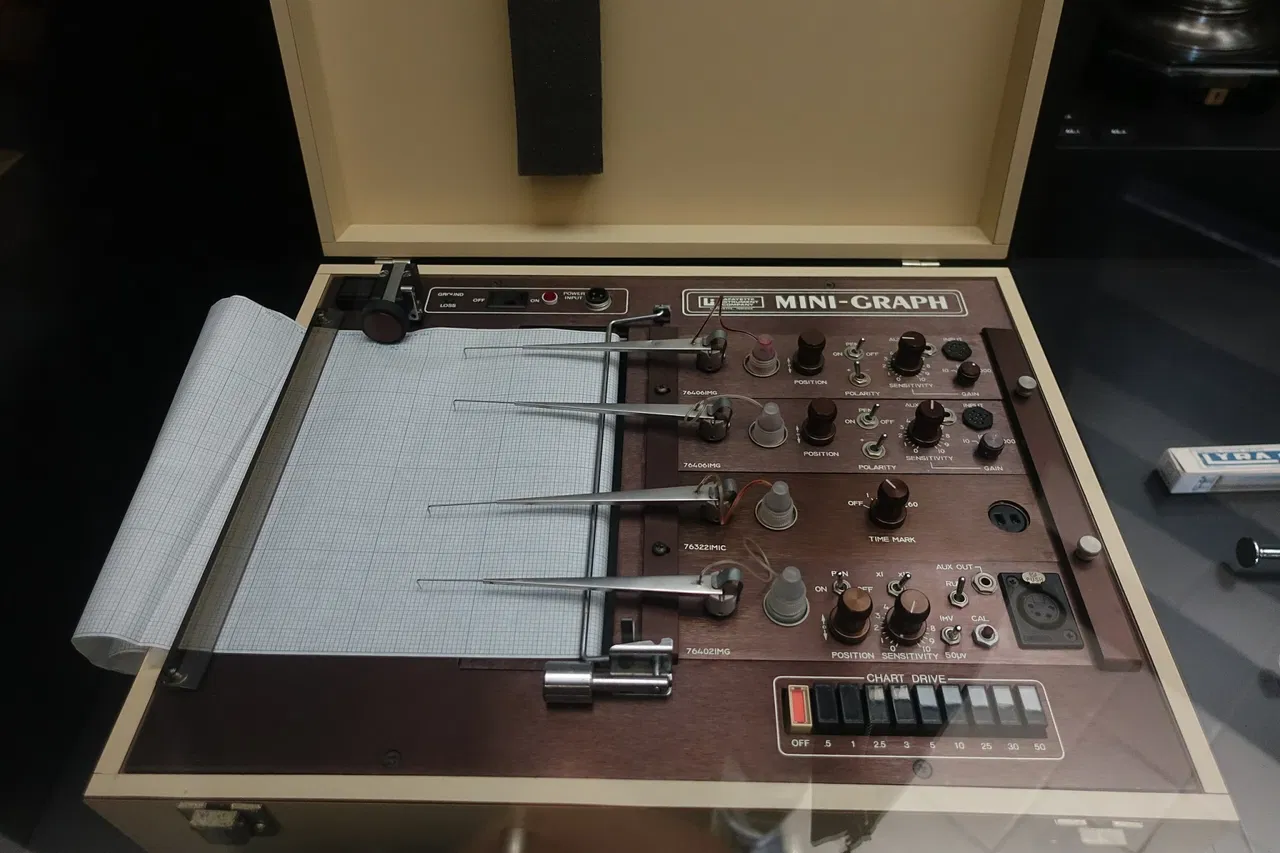
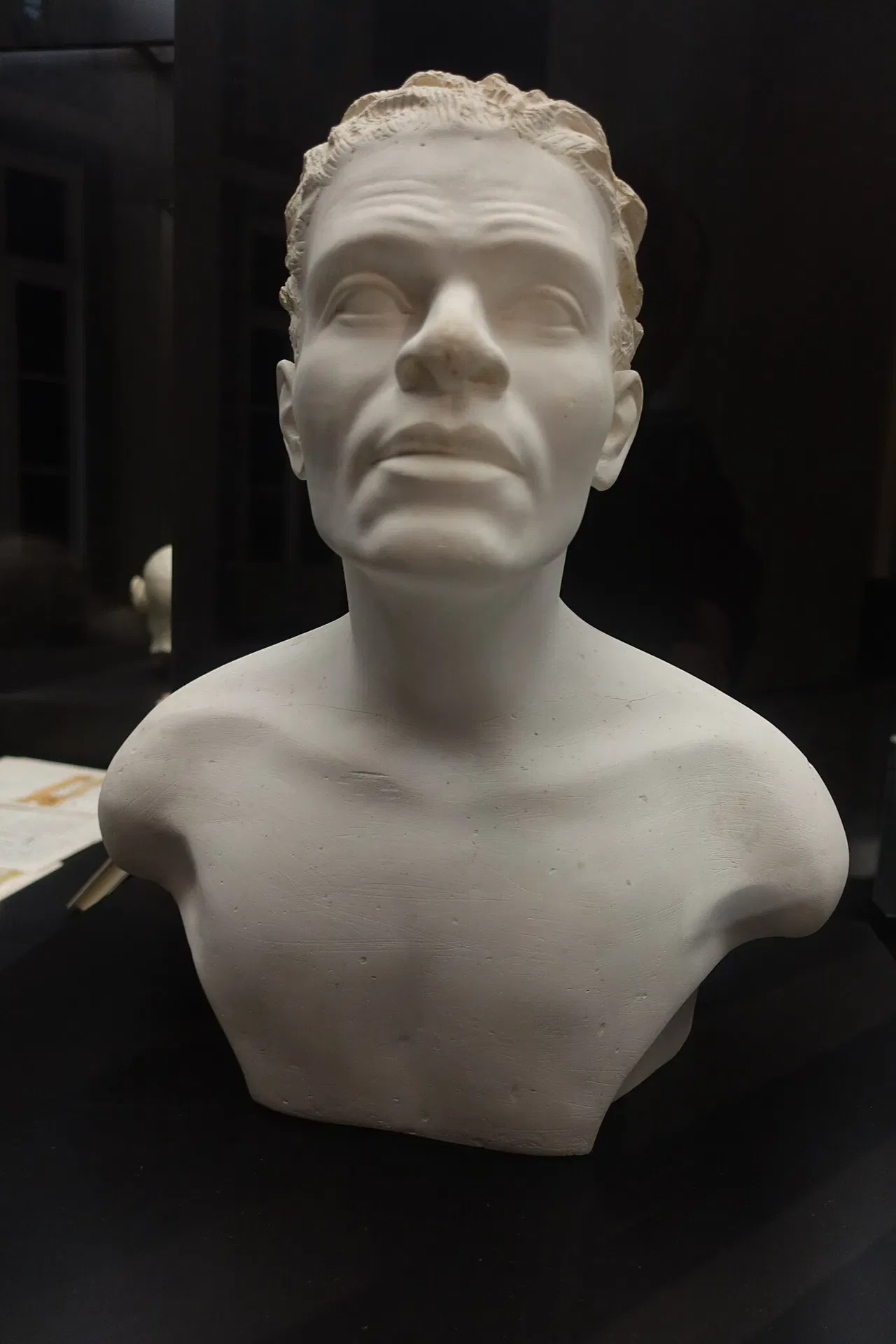
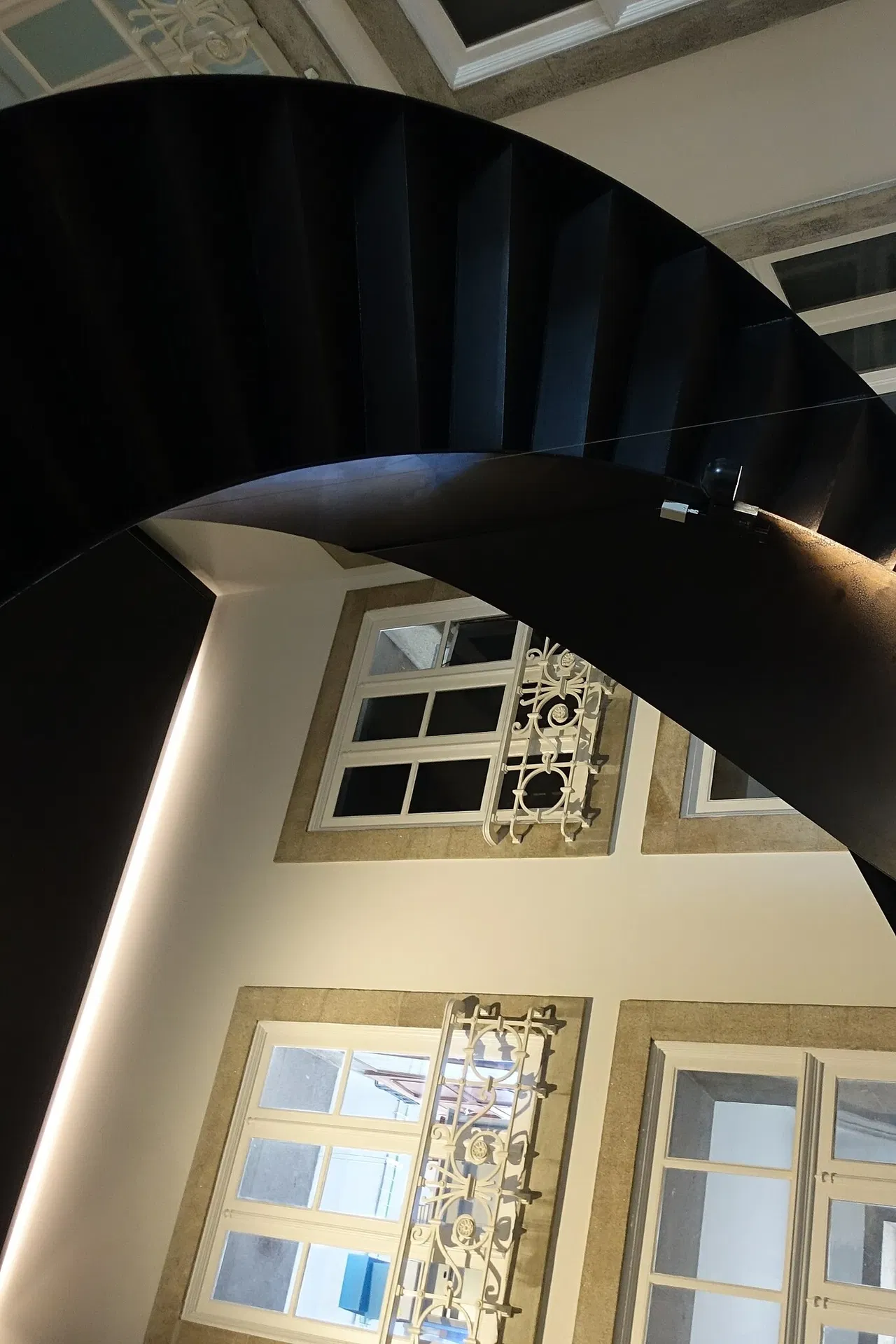
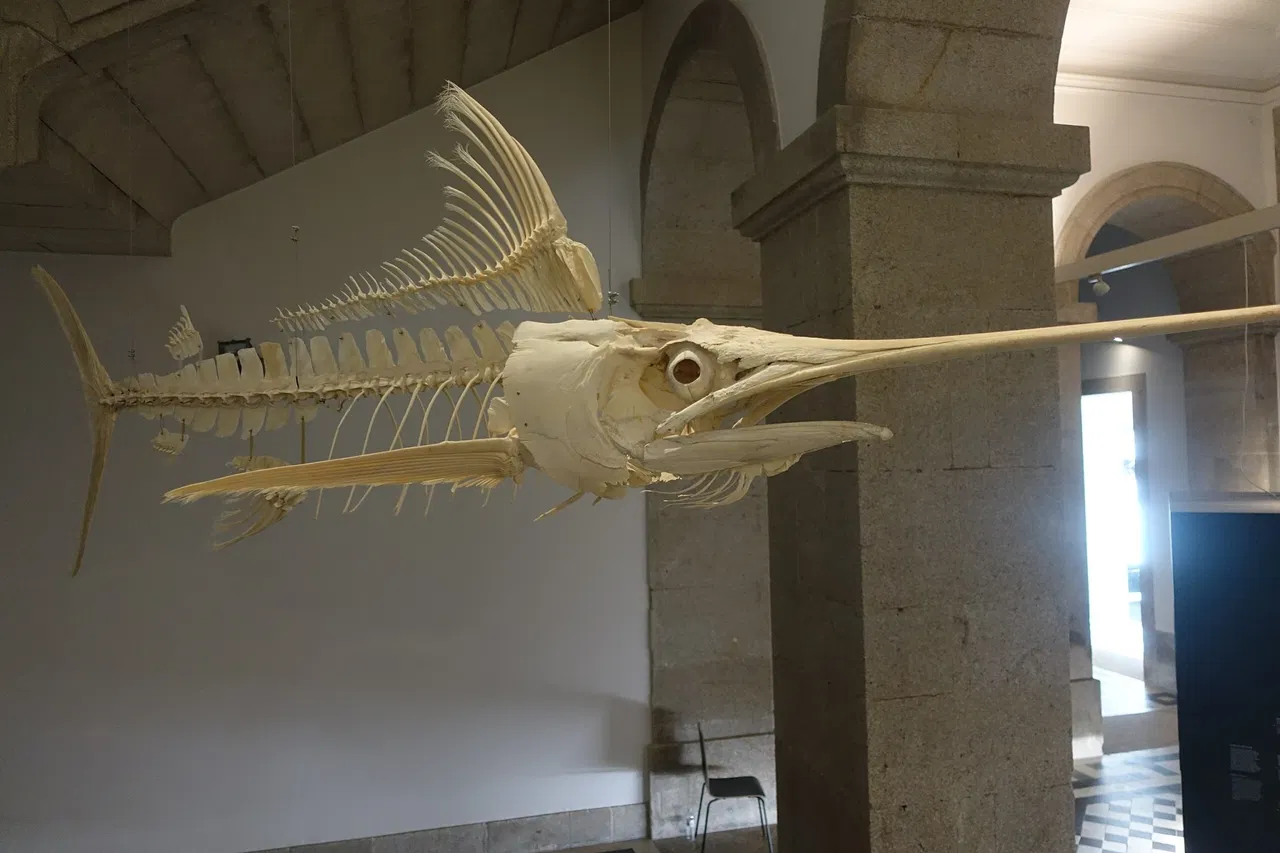
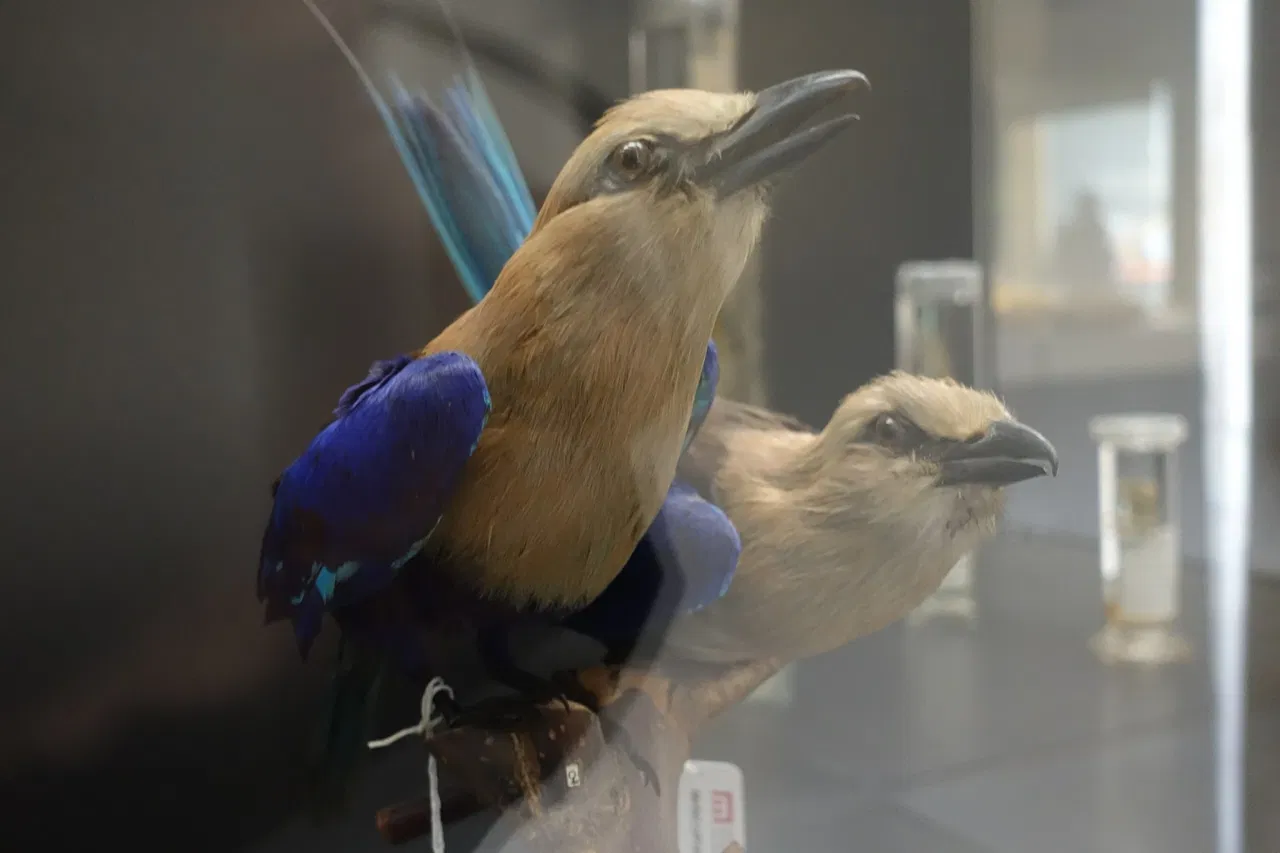
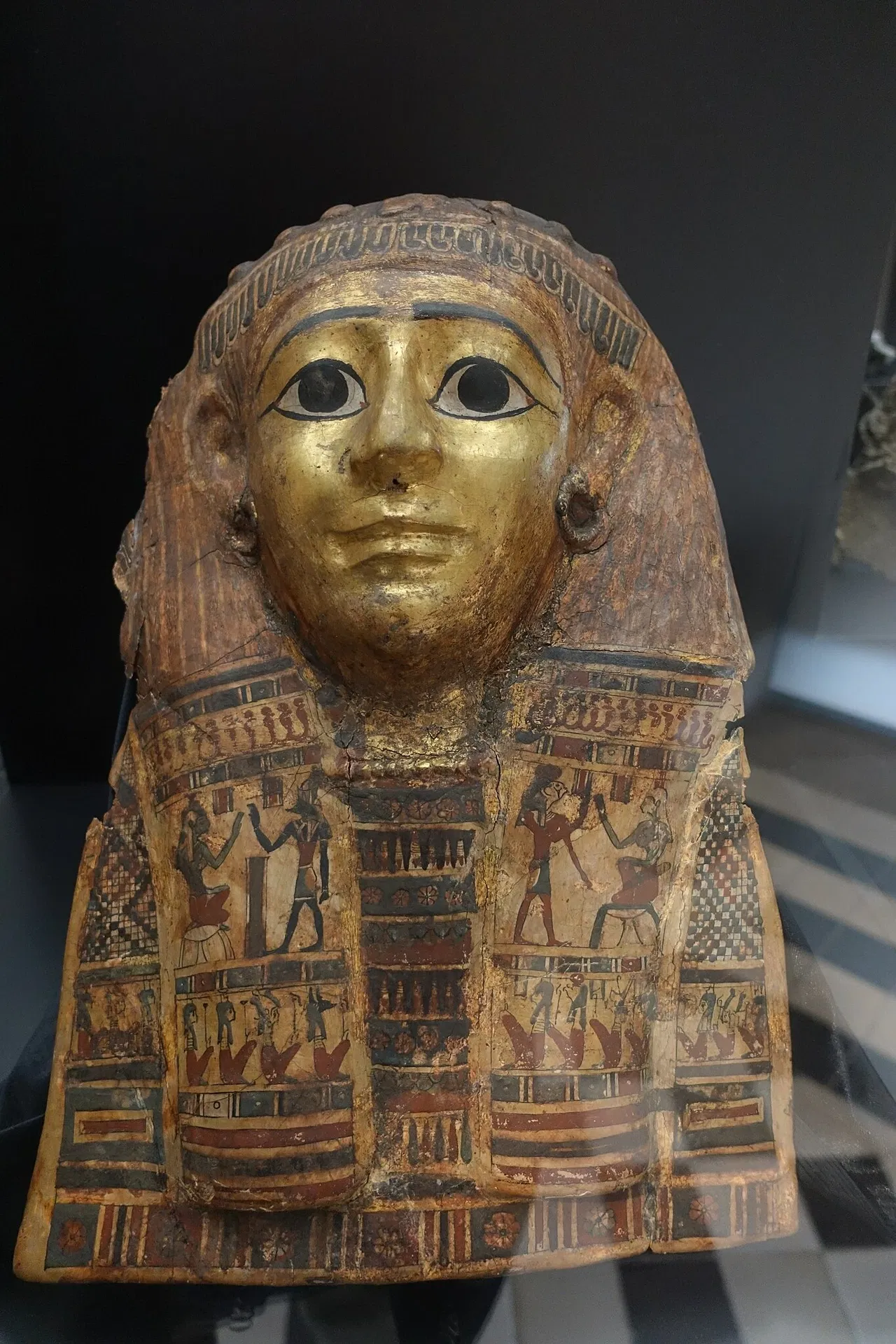
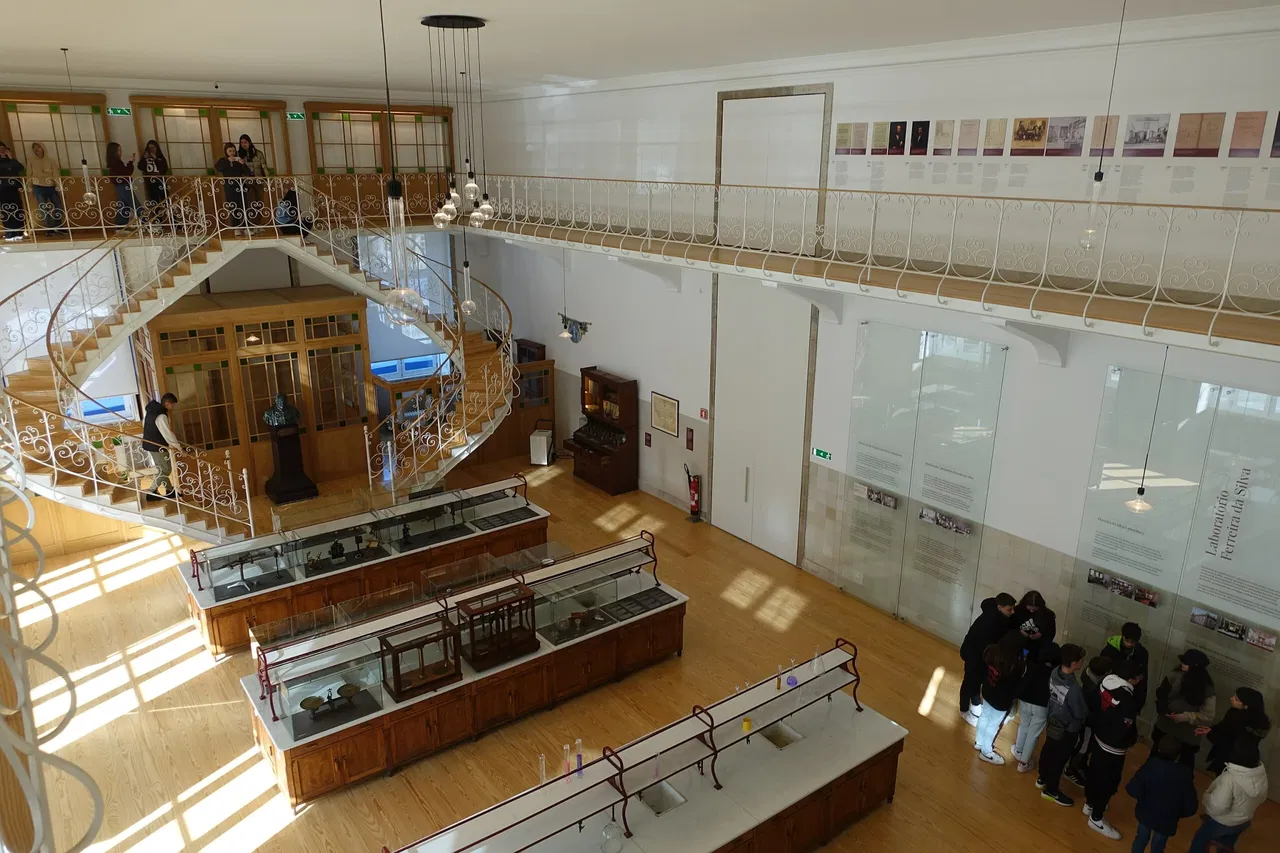
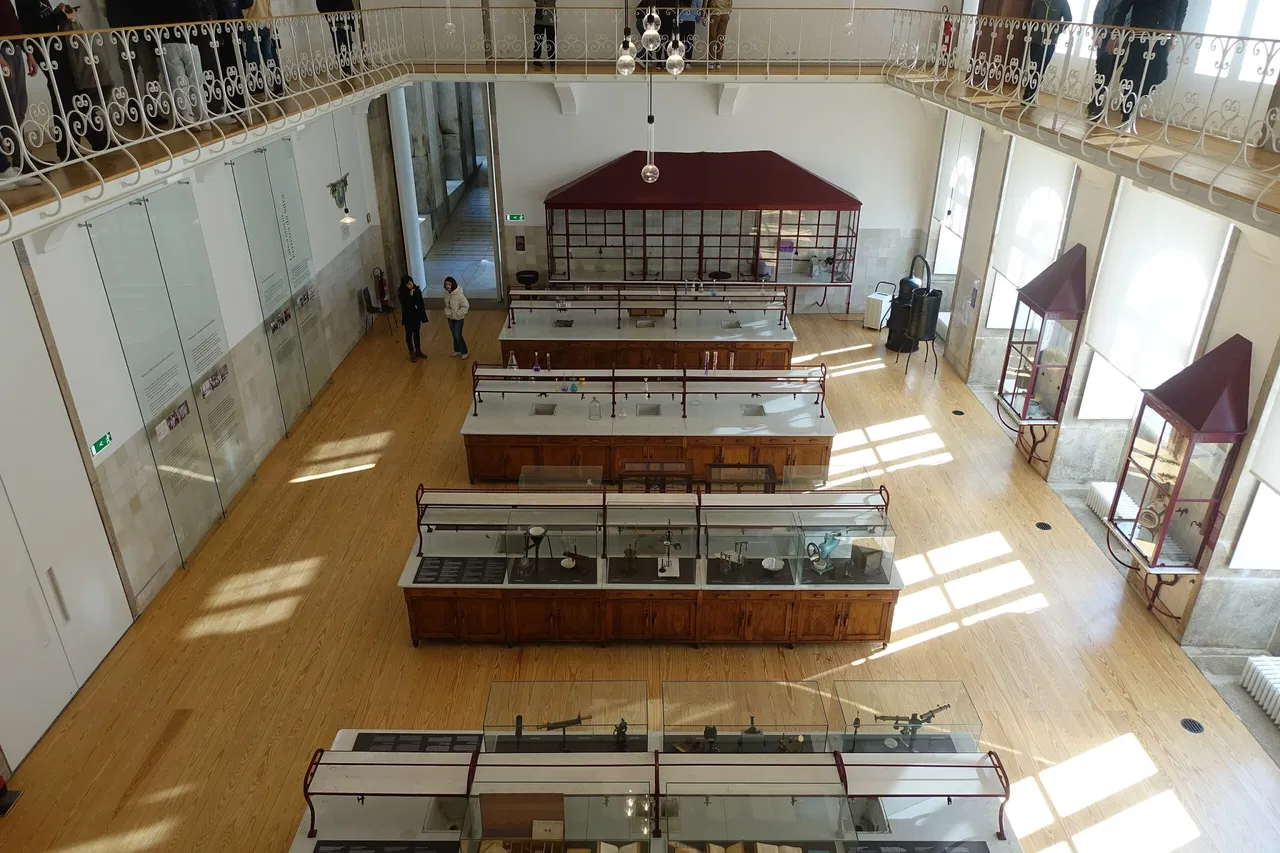
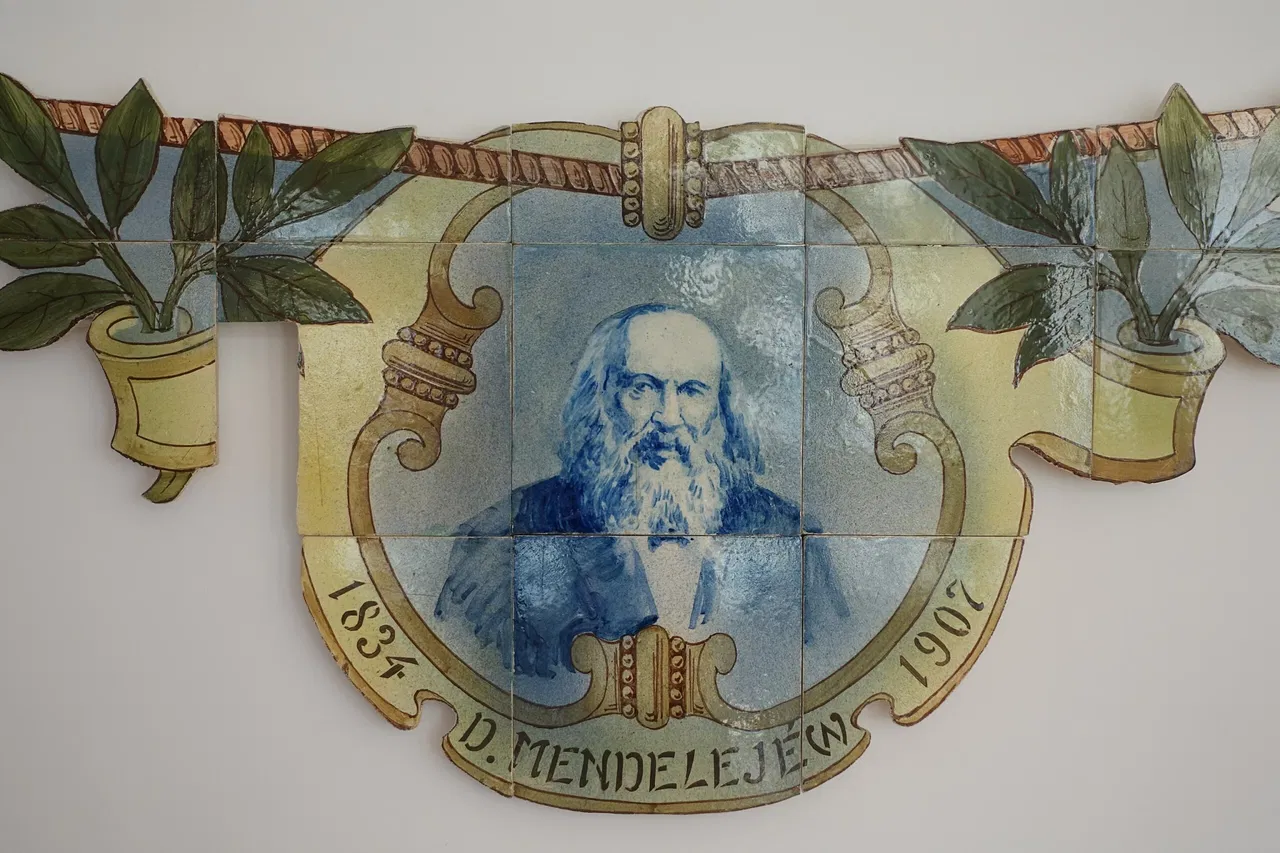
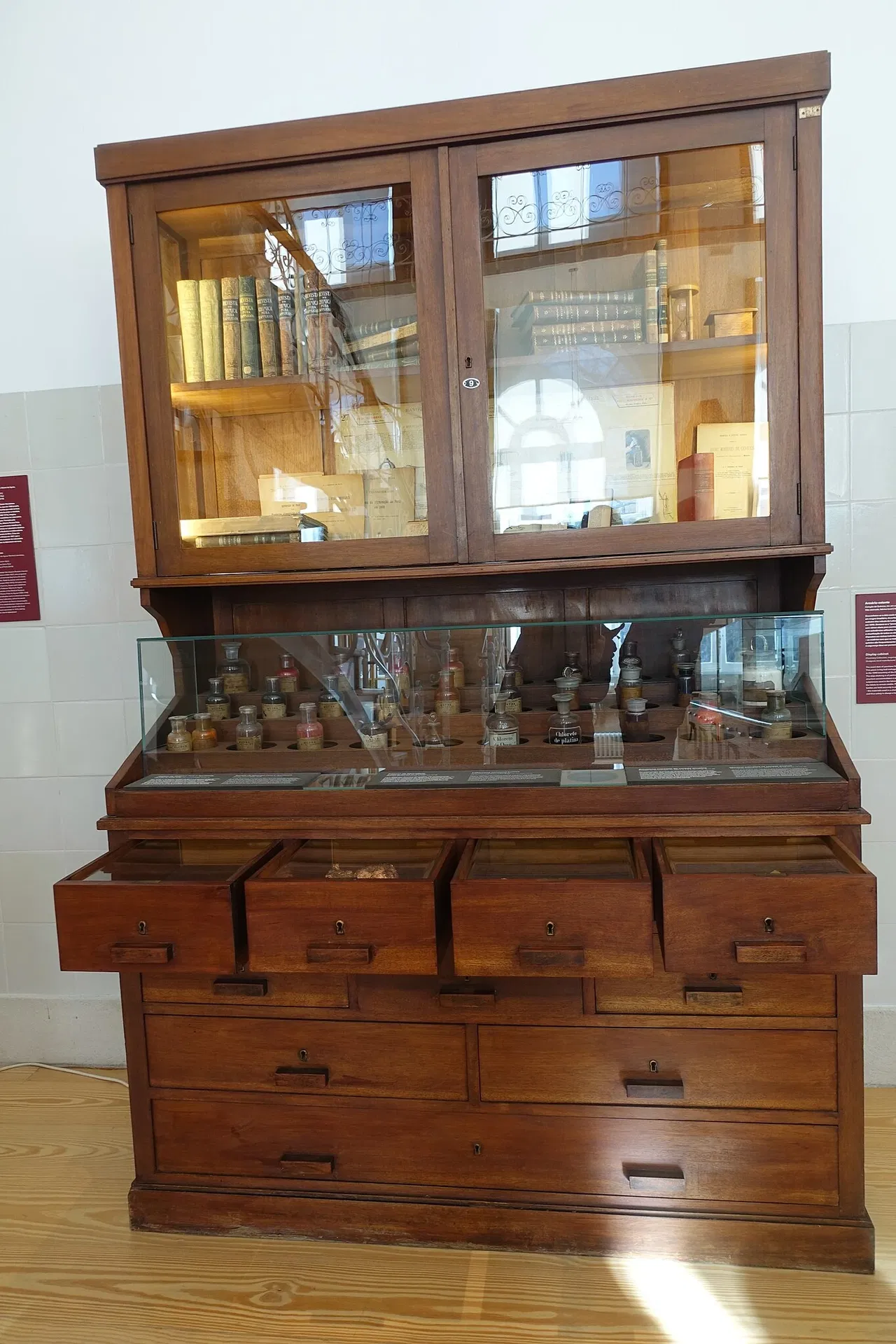
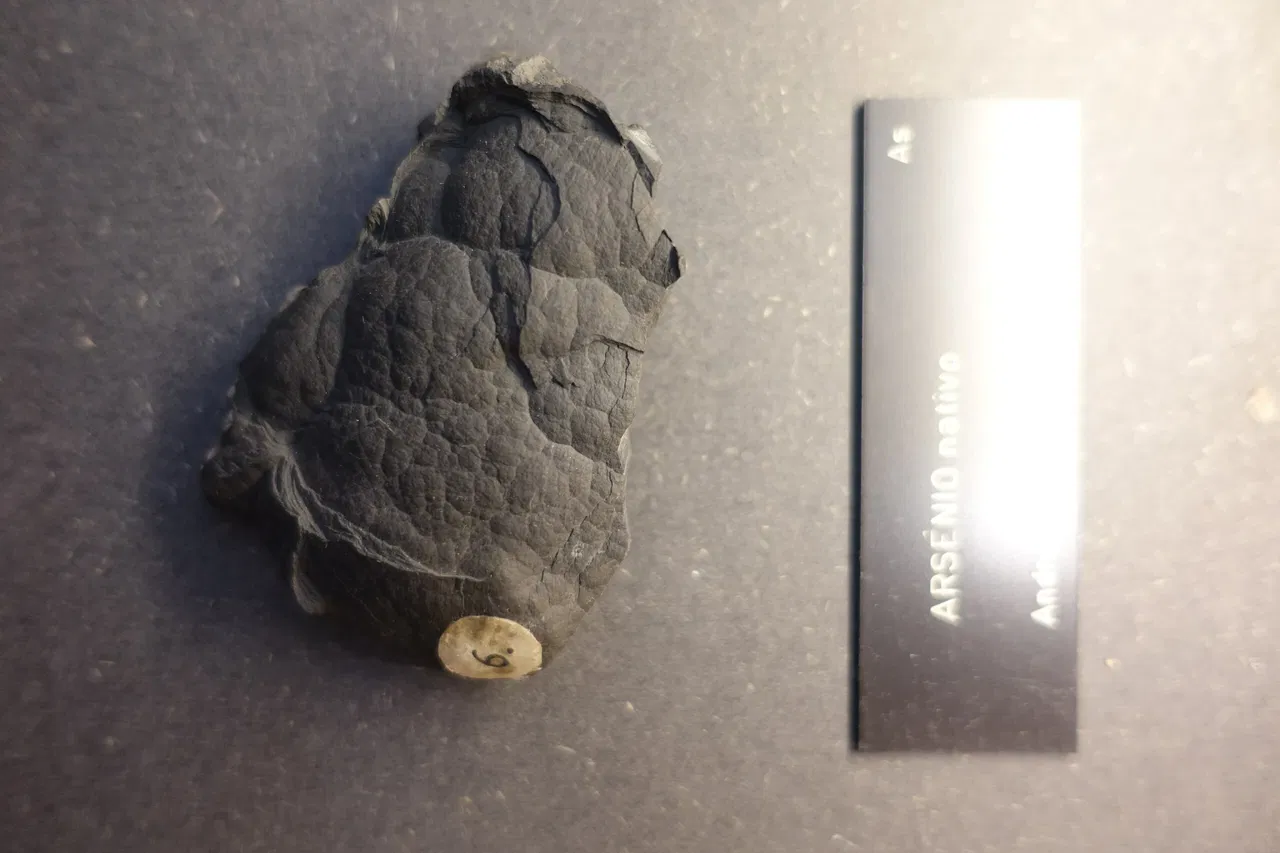
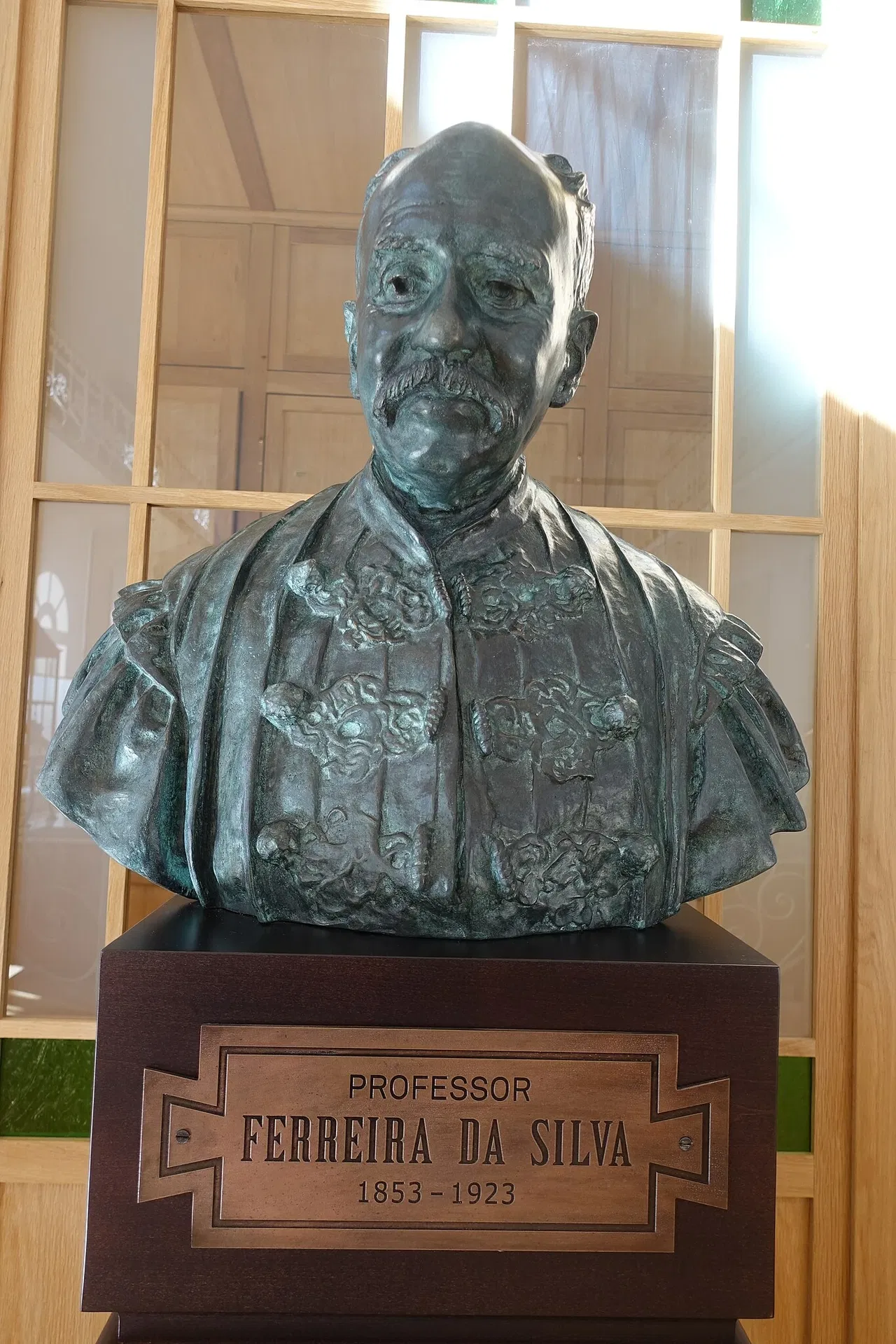
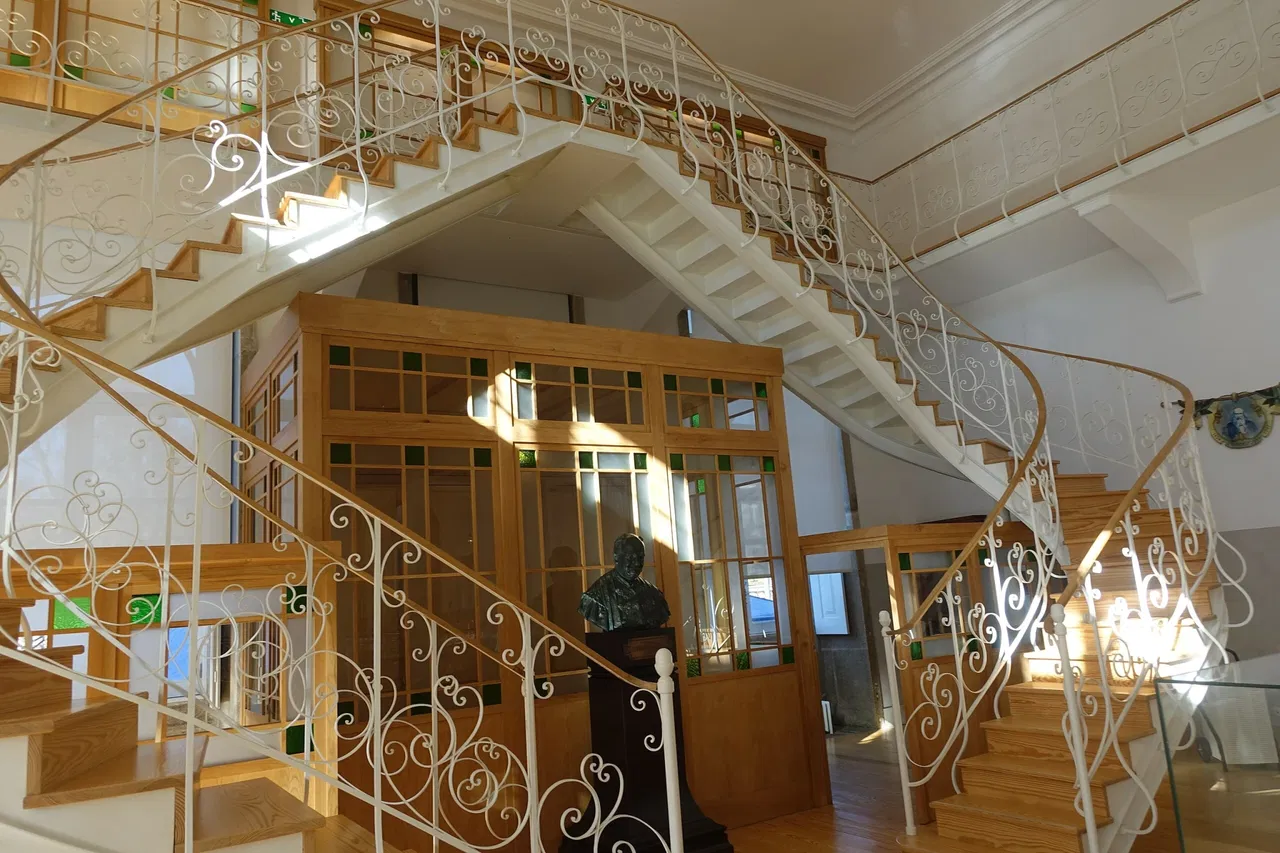
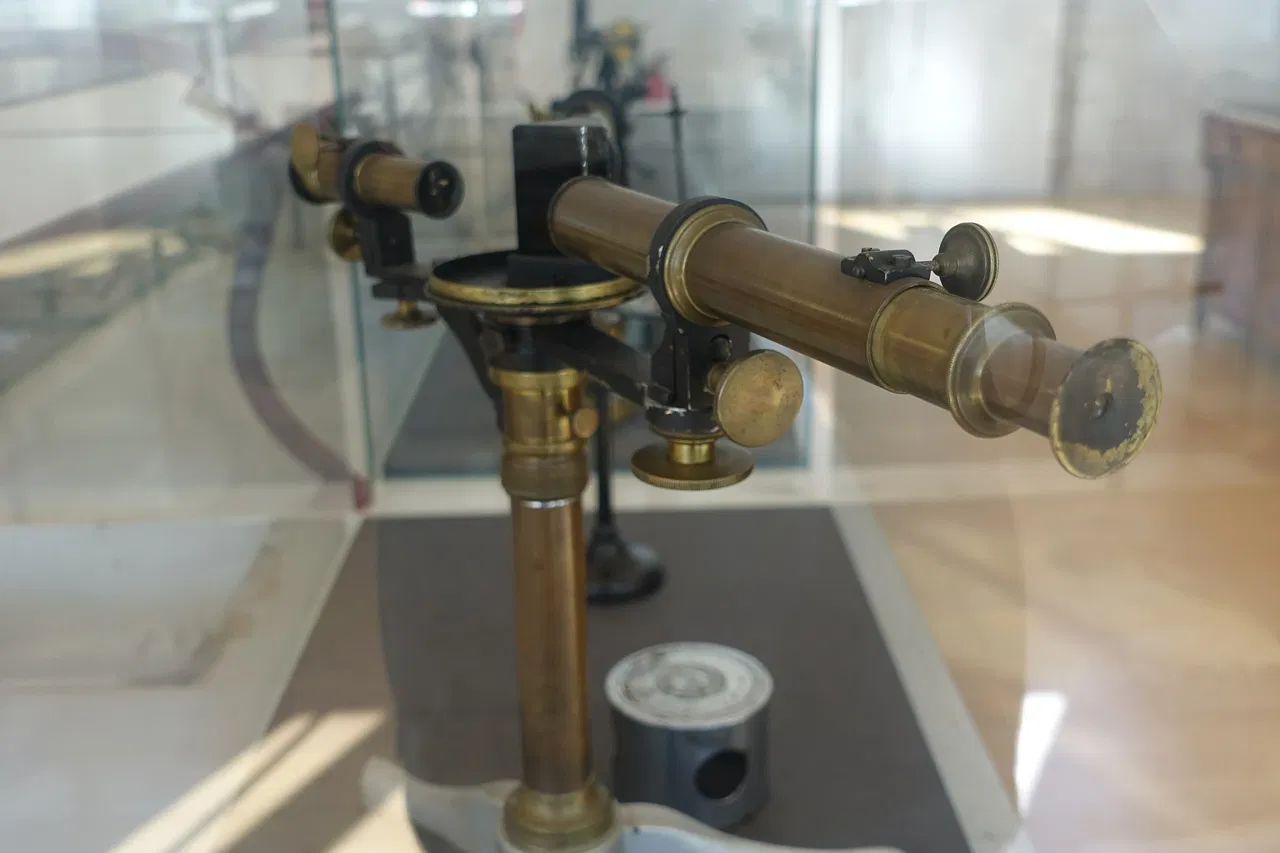
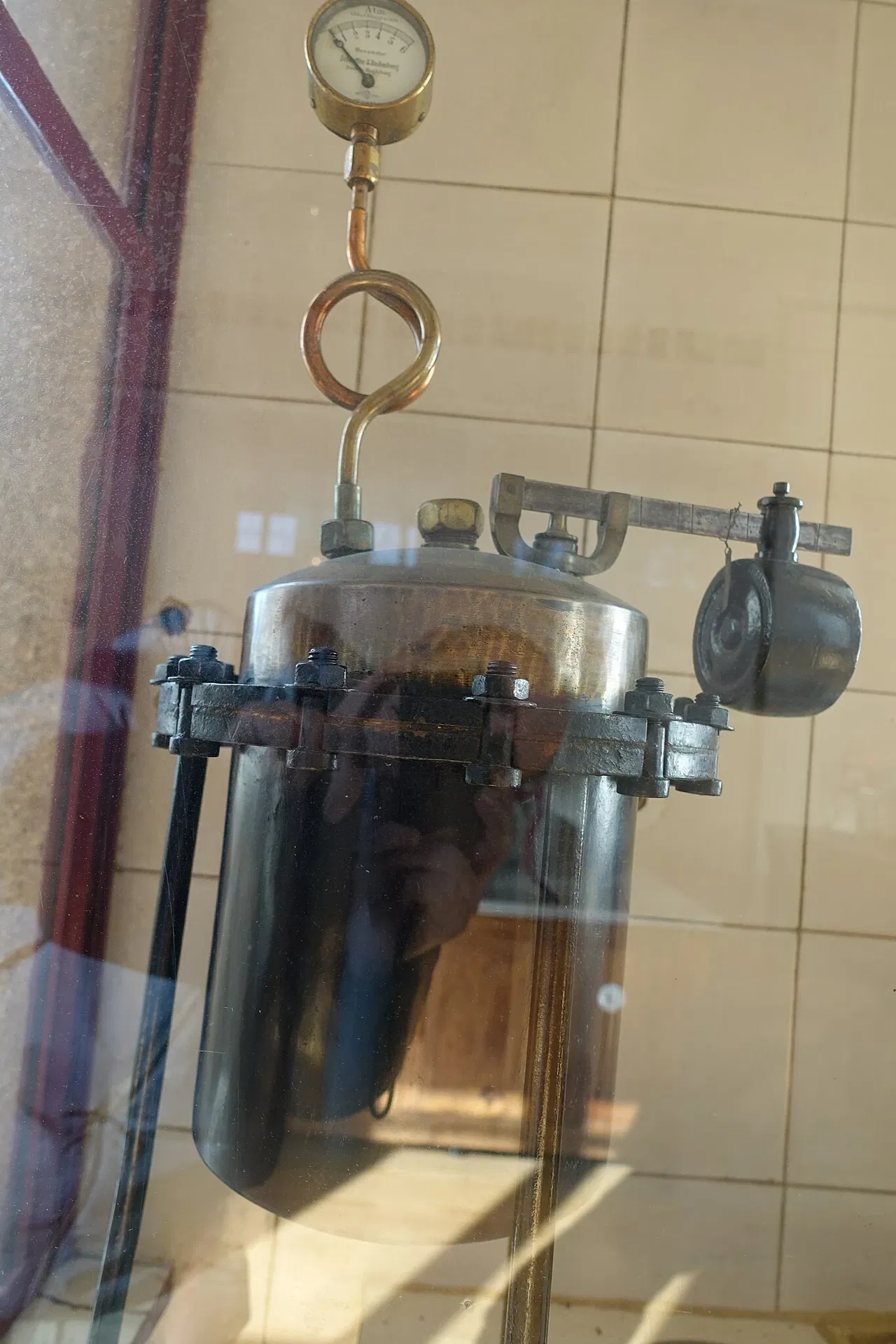
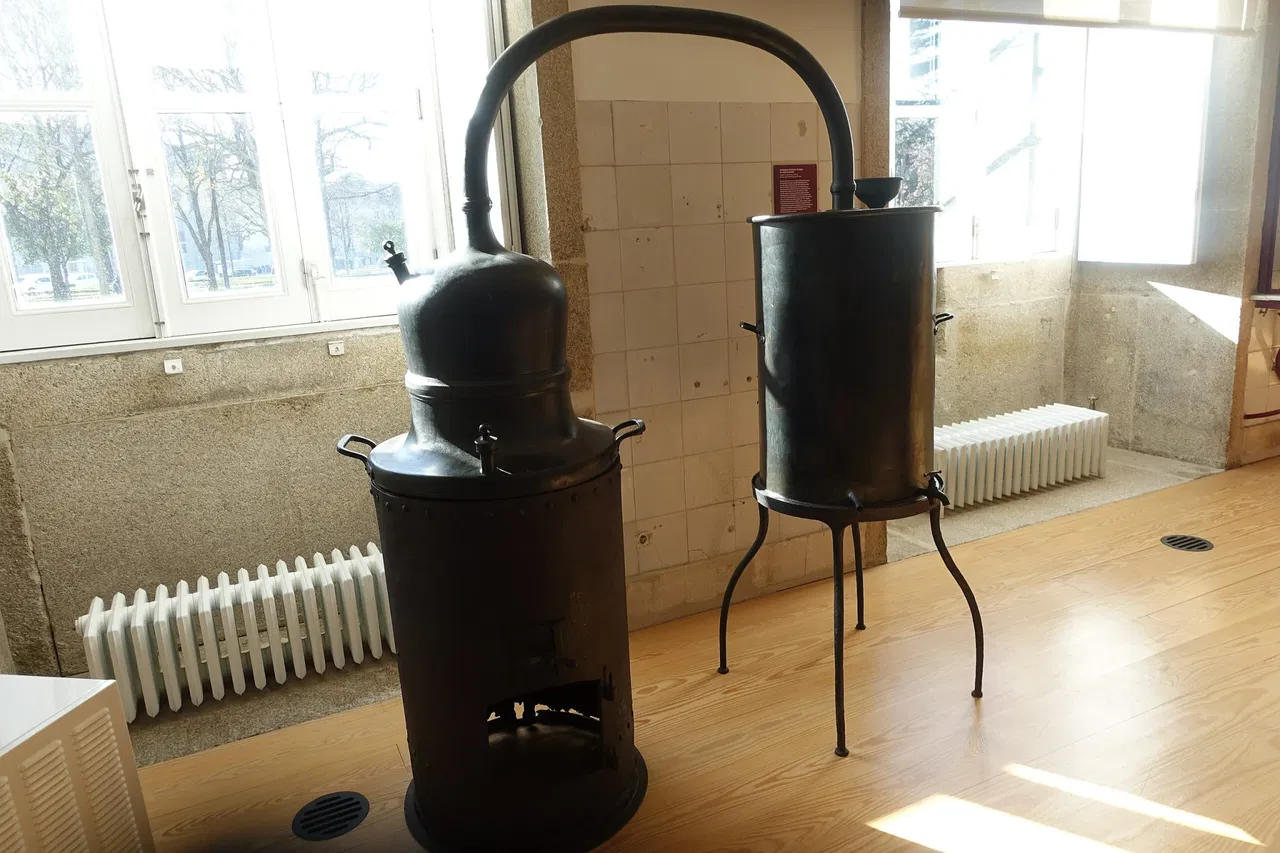
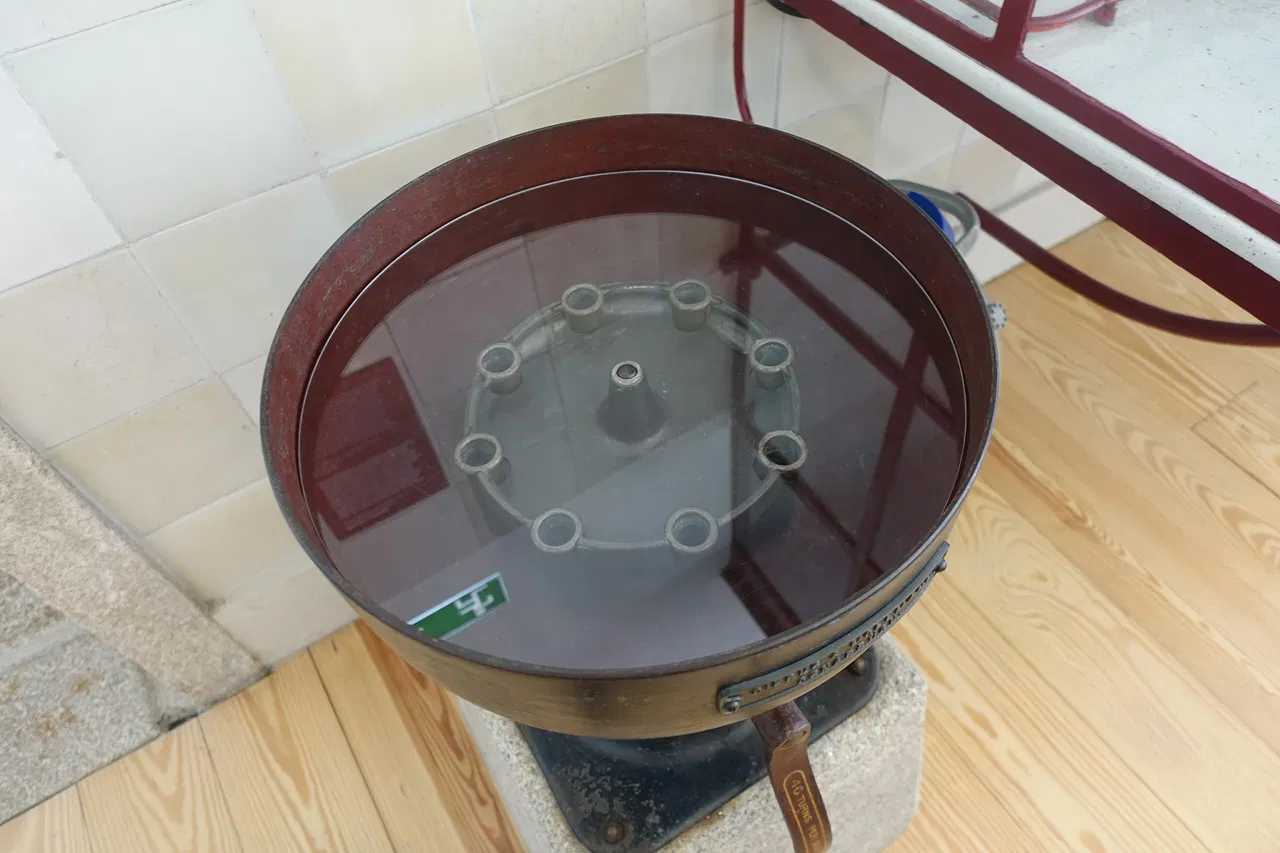
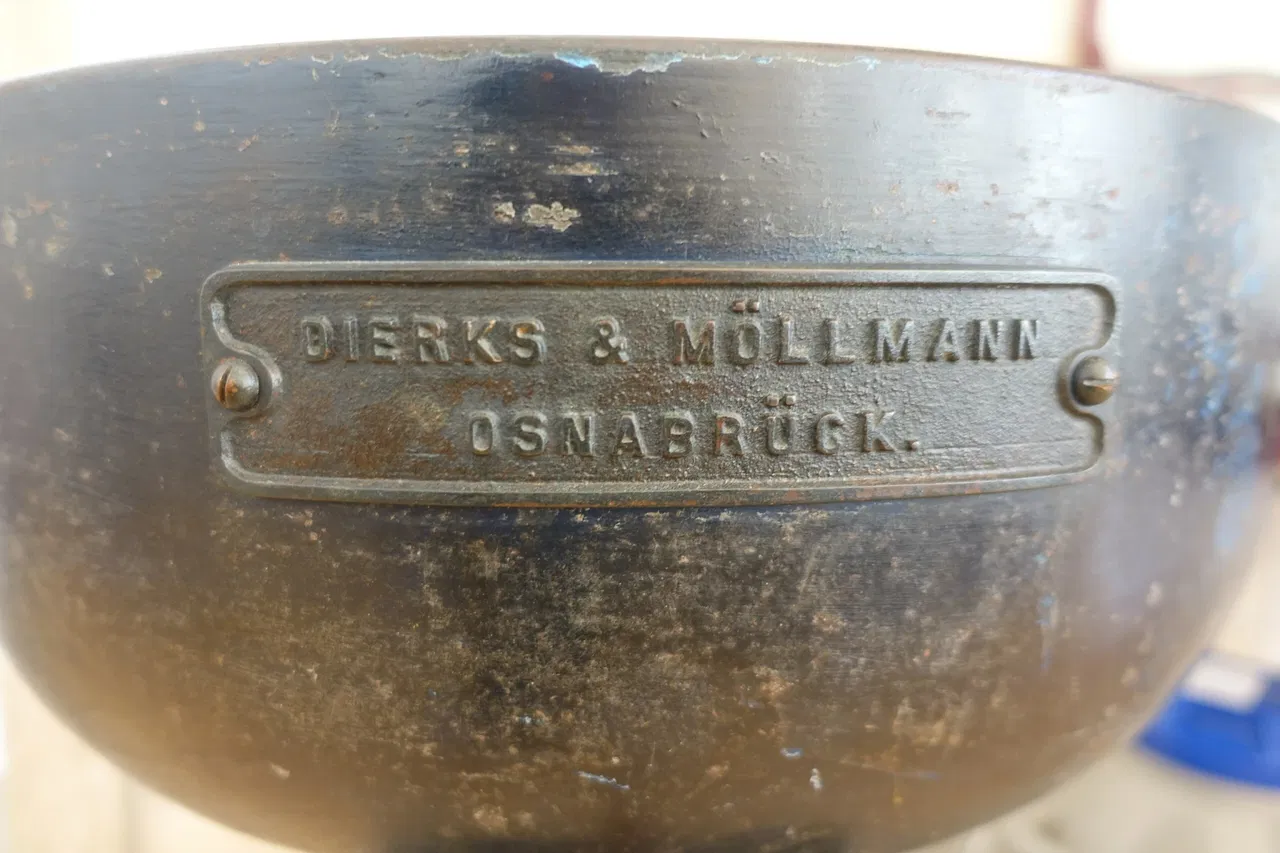
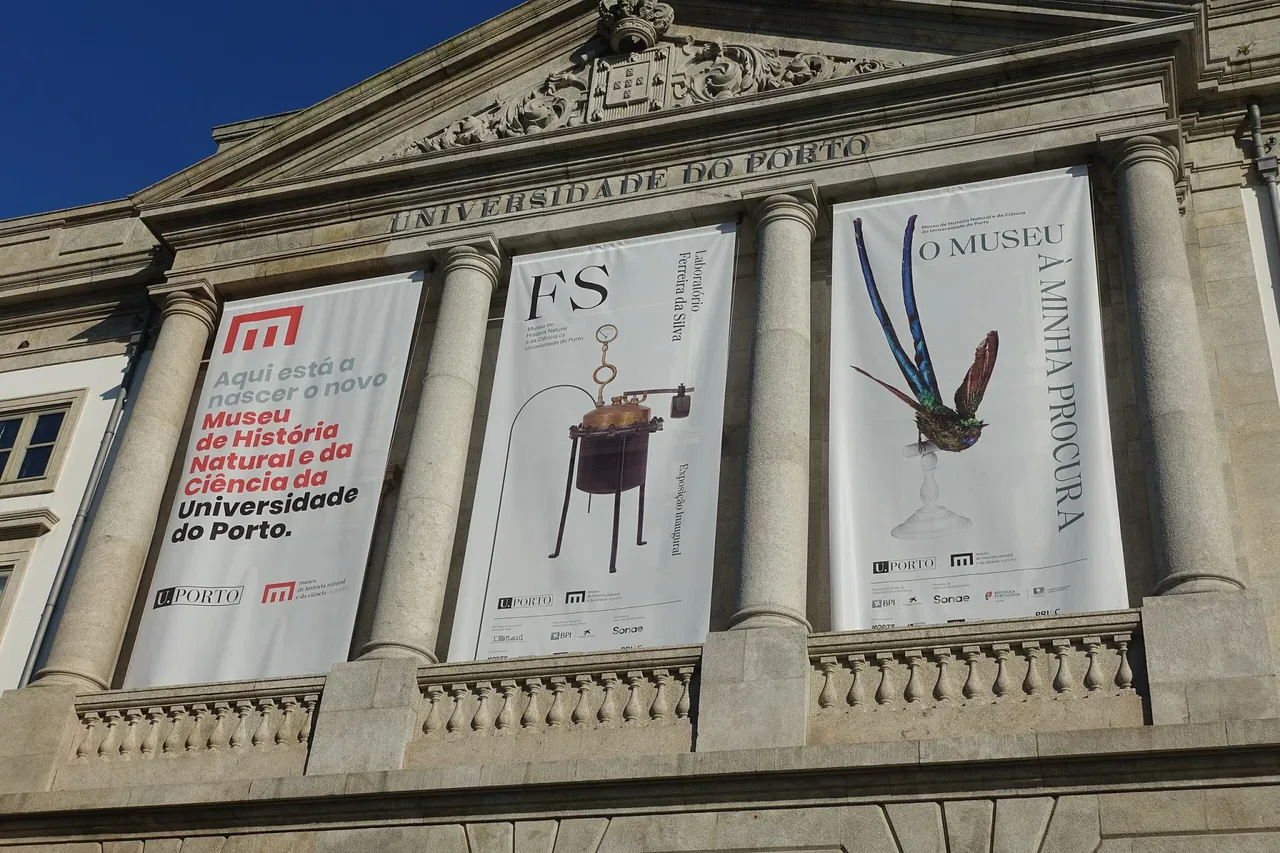
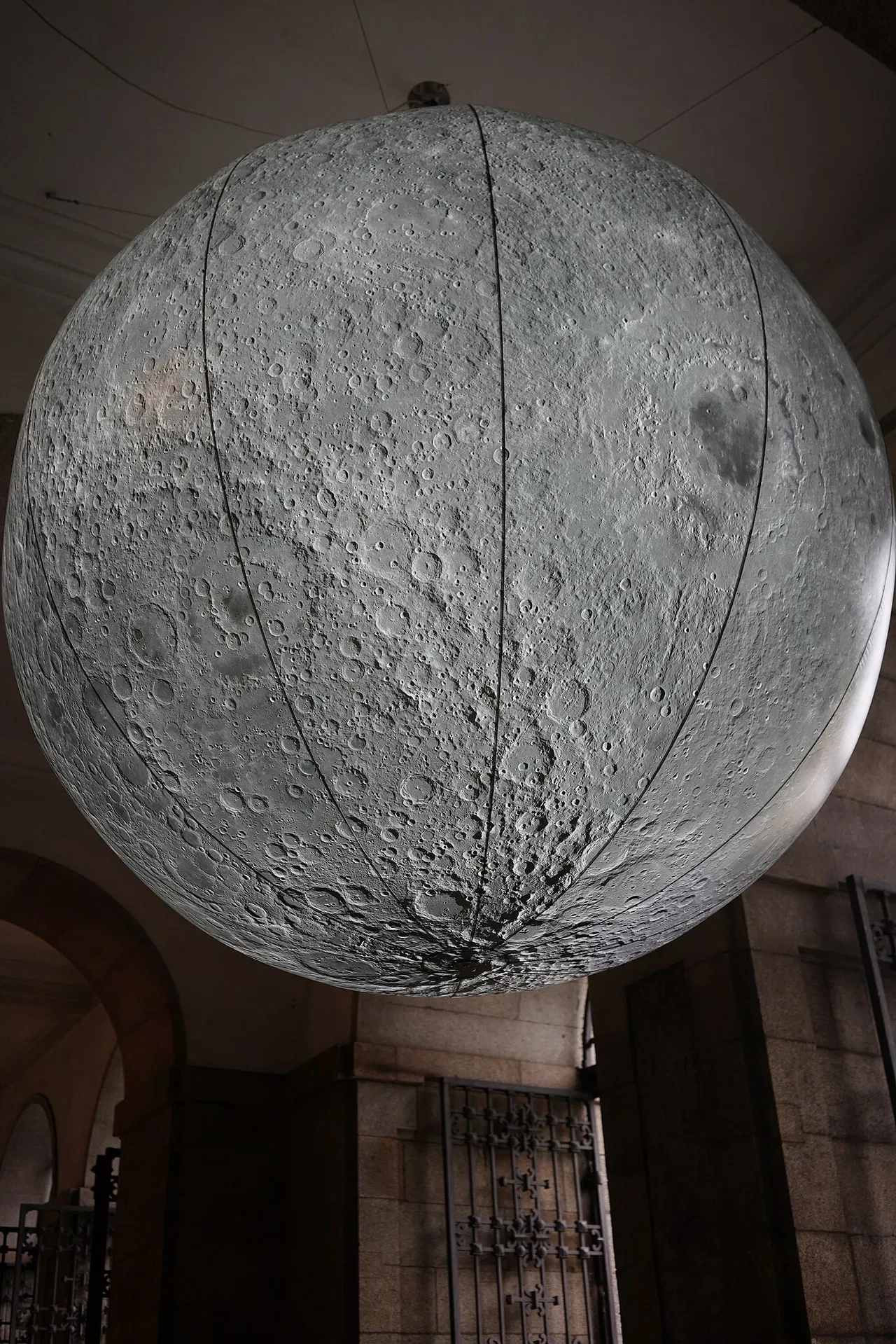

The Museu de História Natural e da Ciência da Universidade do Porto (MHNC-UP) is a science museum situated in the city of Porto. It was officially established in 2015, following the merger of the Natural History Museum of the University of Porto and the Science Museum of the University of Porto/Nucleus of the Faculty of Sciences of the University of Porto, which have been operational since 1996. This museum is a unique blend of a modern museum and a CCV with fundamental objectives at the level of dissemination and education, conservation, and research.
The museum is home to a botanical collection that contains tens of thousands of specimens, representing all traditional groups of plants on the planet. This includes algae, fungi, lichens, bryophytes, and vascular plants. This collection is the result of the work of botanists and professors from the Polytechnic Academy and the Faculty of Sciences of the University of Porto.
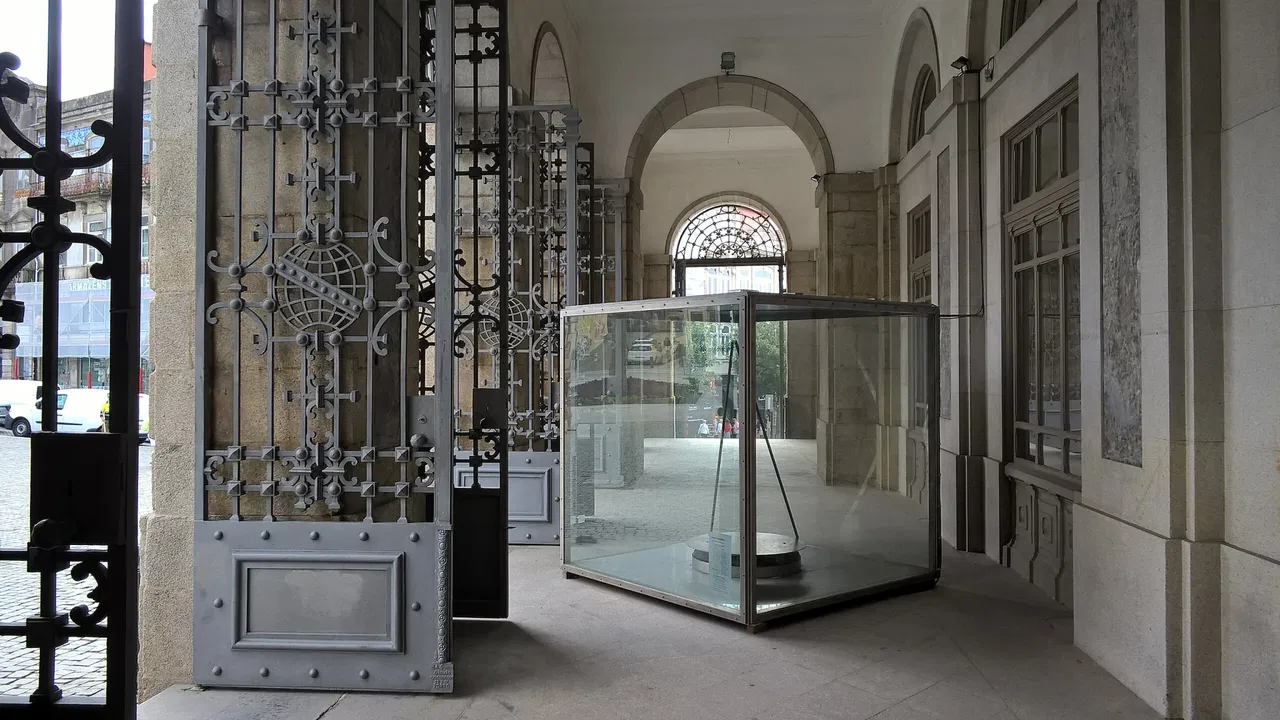
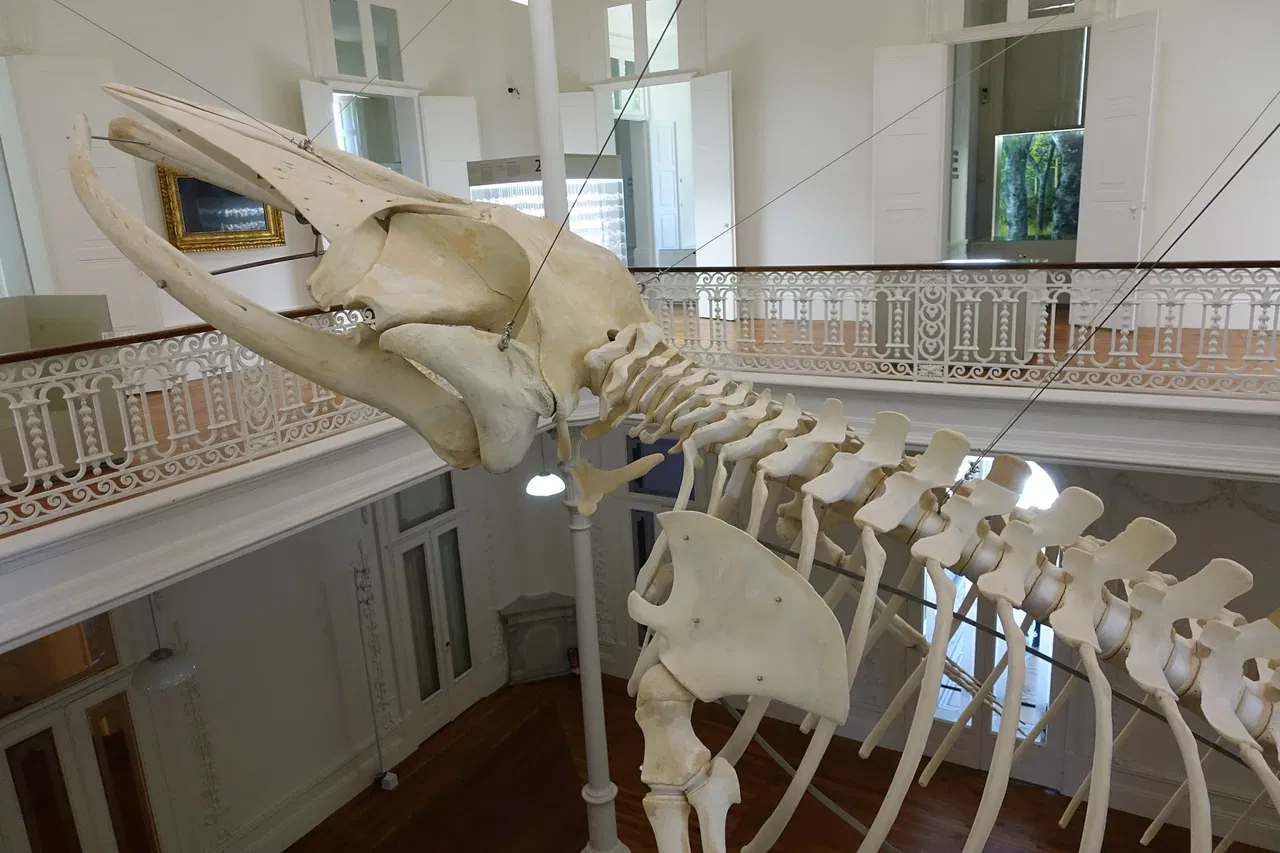
Each piece in the Gallery is a work of art created by the Spanish museologist Jorge Wagensberg. One of the notable works is the "Vitina Hipercúbica de Compreensão Súbita", which features real eggs from the museum's collections and a whale from the Faculty of Sciences of the University of Porto, referred to by Sophia de Mello Breyner. In 2018, the museum received the National Museum Award. Since its opening, it has welcomed more than 100,000 visitors.
Campo dos Mártires da Pátria 81, Porto
No exhibitions in Museu de História Natural e da Ciência da Universidade have been found.
Museu de História Natural e da Ciência da Universidade has no ratings yet 😢
The Museu de História Natural e da Ciência da Universidade in Porto, Portugal, offers visitors an educational experience focused on natural history and science. The museum houses a diverse collection of specimens and exhibits, covering areas such as geology, zoology, and botany. Many visitors appreciate the well-preserved historical building that houses the museum, which adds to its charm.
Positive aspects mentioned by visitors include the museum's rich collection of fossils, minerals, and animal specimens. The dinosaur exhibits are often highlighted as particularly interesting. Some visitors also praise the museum's efforts to present information in both Portuguese and English, making it accessible to international tourists.
However, there are some drawbacks noted by visitors. Some find the museum relatively small and feel it could benefit from more interactive or modern displays to engage visitors, especially younger ones. A few reviewers mention that some areas of the museum appear dated or in need of renovation.
The museum's location within the university campus is generally seen as convenient, though some visitors report difficulties in finding the entrance. While the staff is often described as friendly, a few reviewers note that more detailed explanations or guided tours could enhance the experience.
Overall, the Museu de História Natural e da Ciência da Universidade provides an informative visit for those interested in natural history and science, though it may not offer the most cutting-edge museum experience. It serves as a good educational resource, particularly for those with a keen interest in the subject matter, but may not appeal as strongly to casual visitors looking for a more interactive or expansive museum experience.
Discover museums near Museu de História Natural e da Ciência da Universidade in or around Porto.