Images of Museo della Liquirizia Giorgio Amarelli
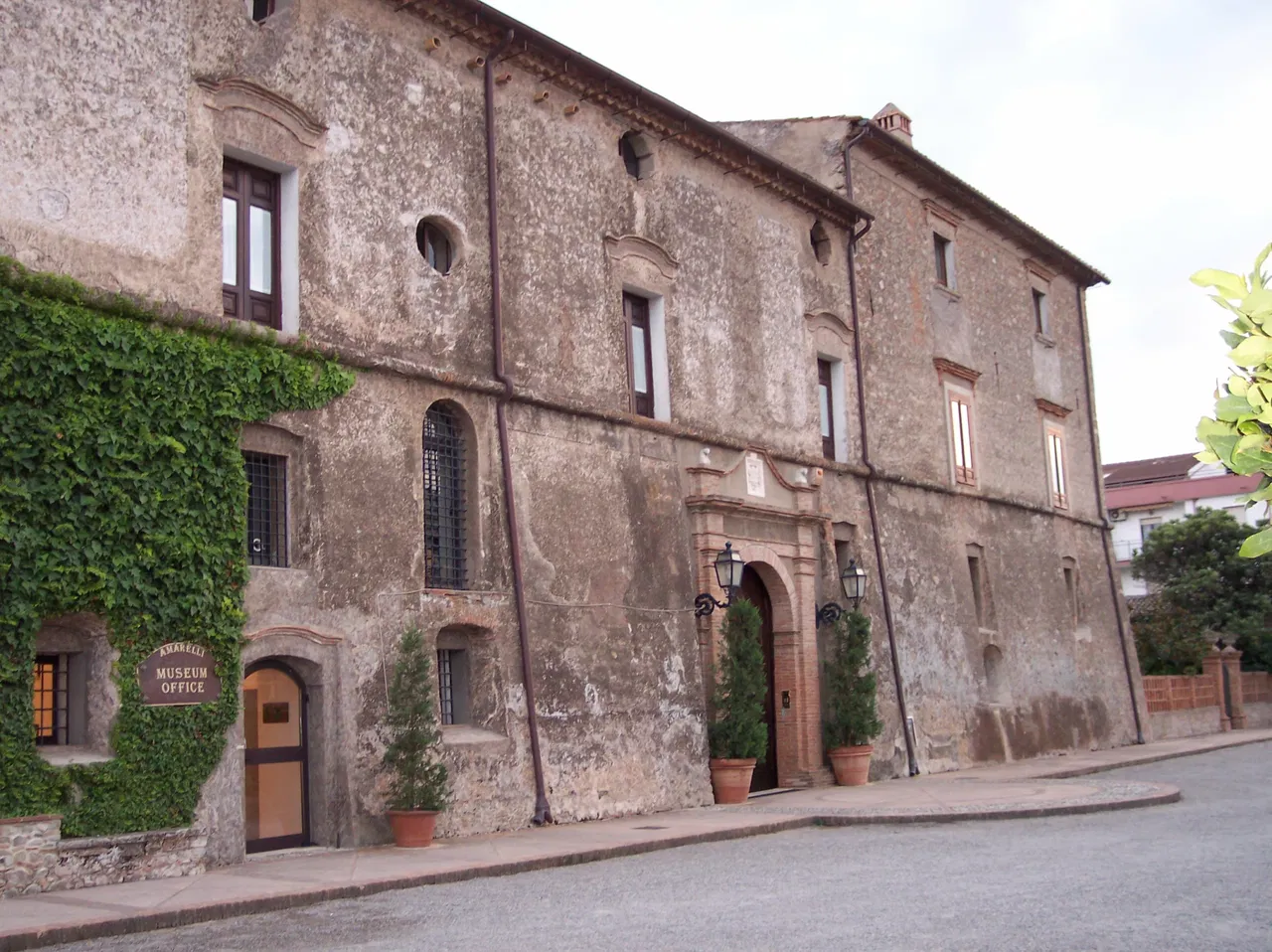
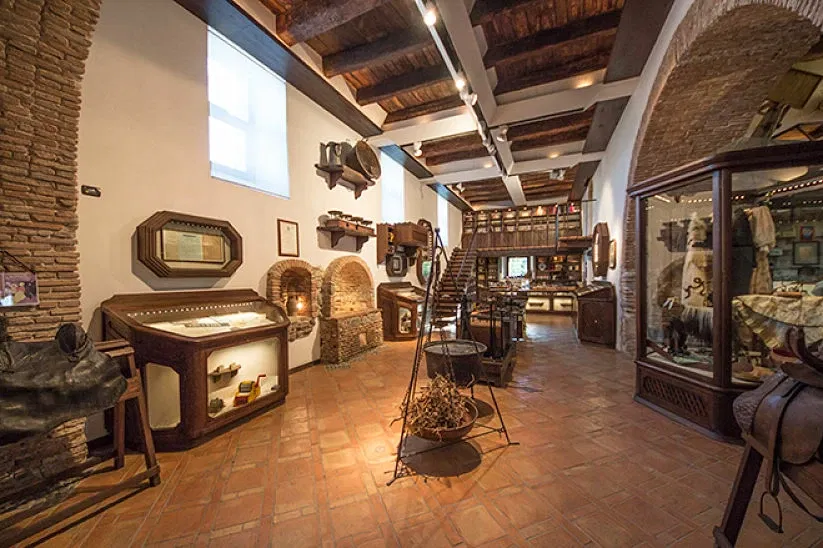
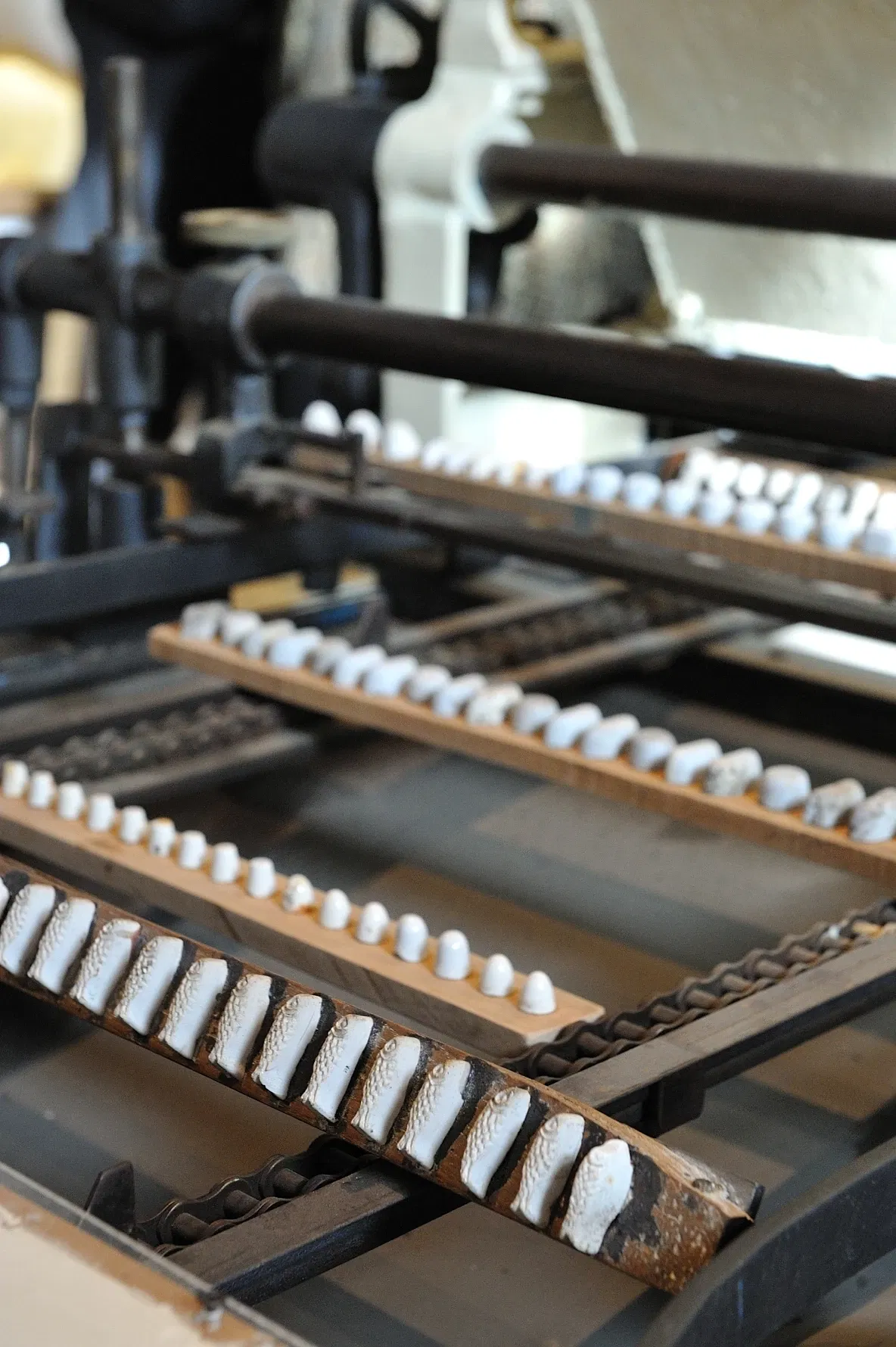
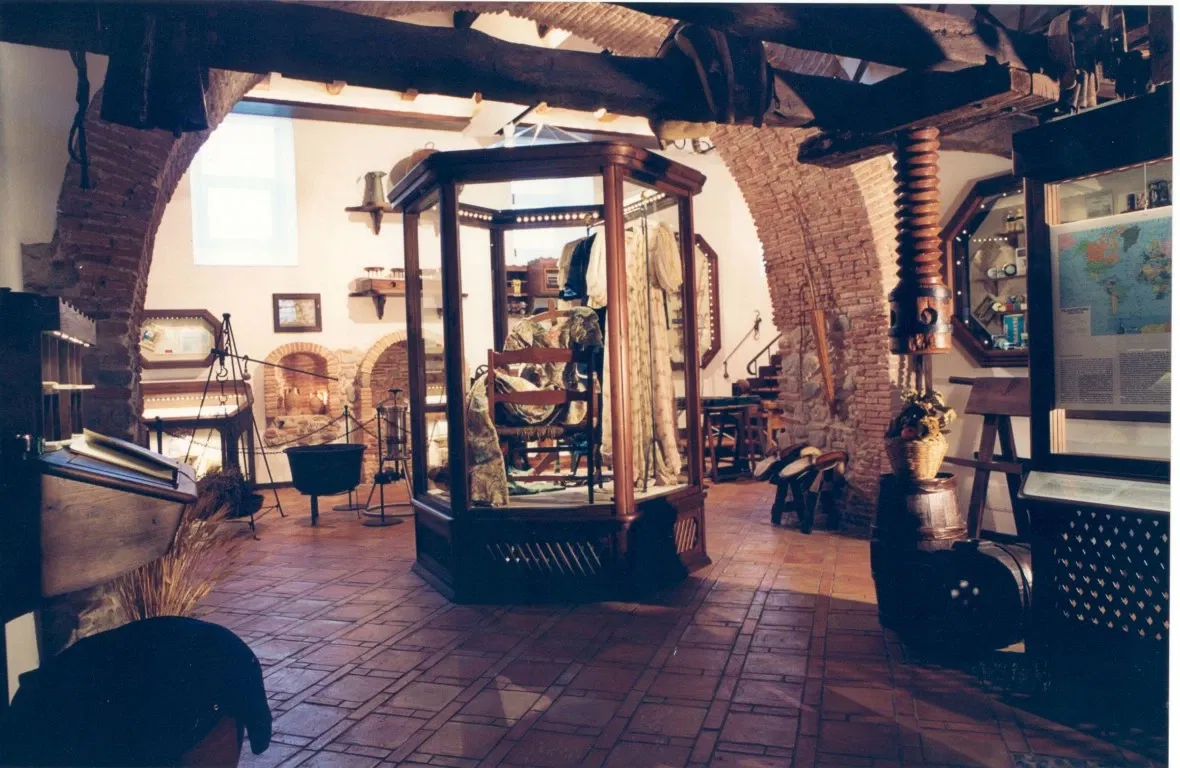
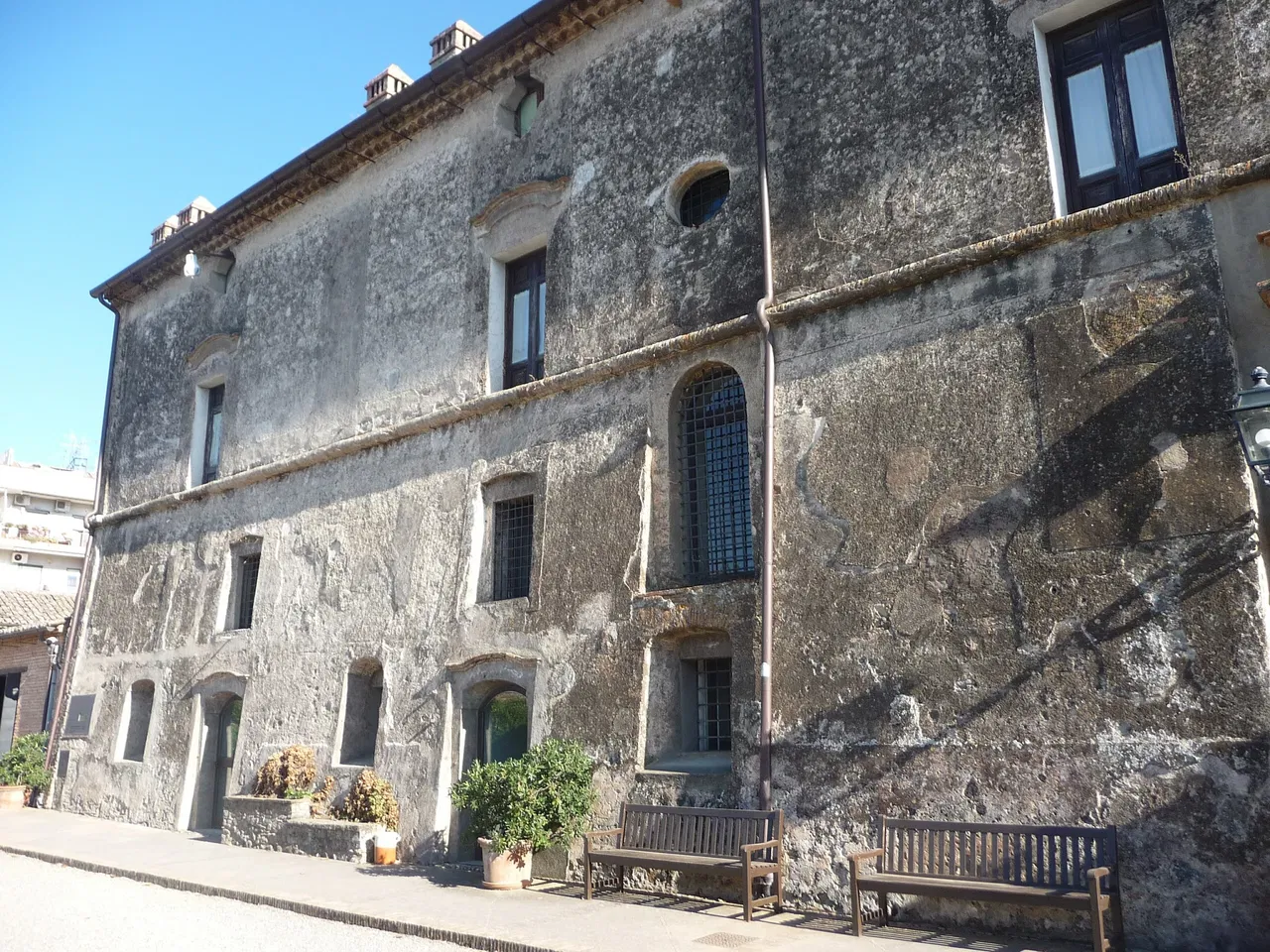
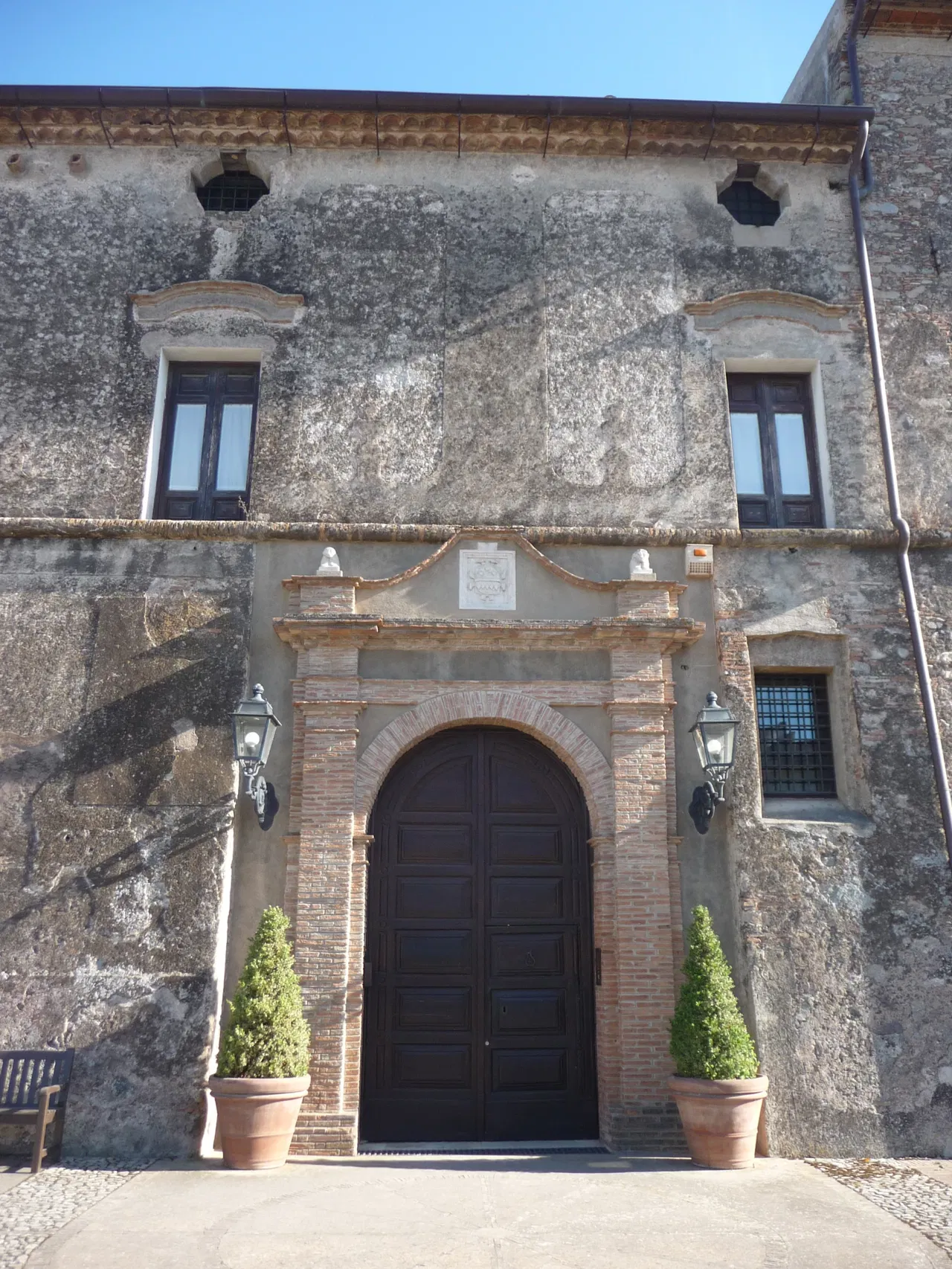
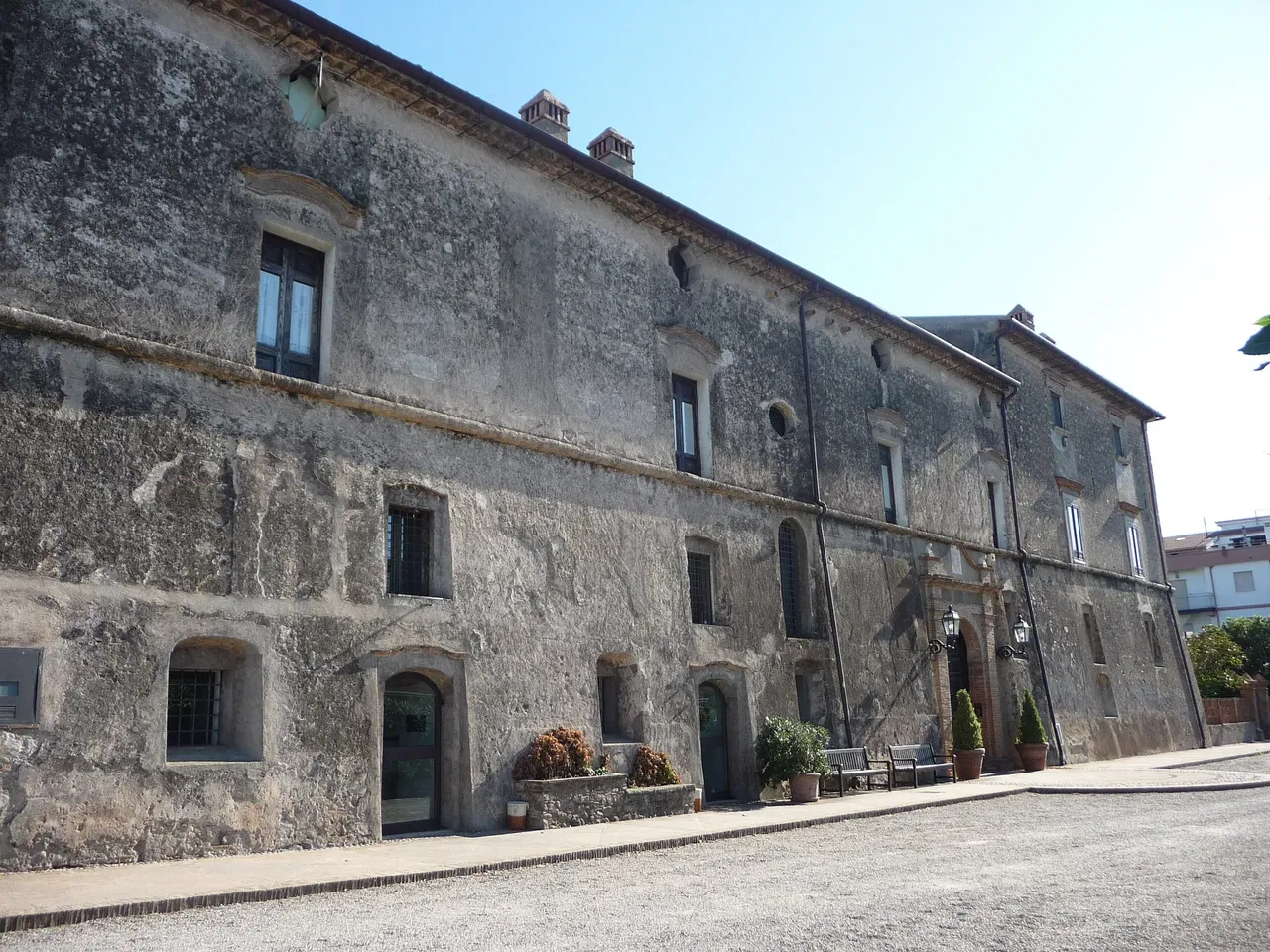
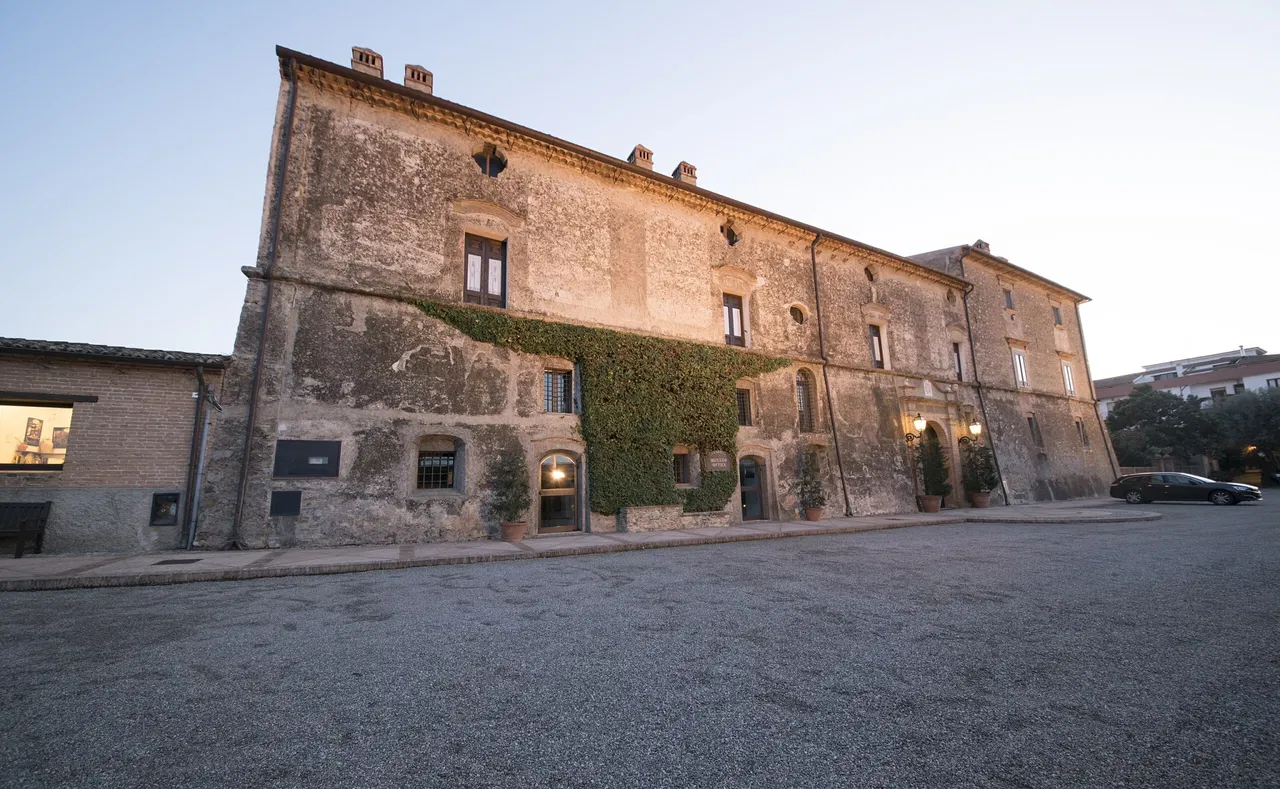

The Giorgio Amarelli Liquorice Museum is an Italian corporate museum situated in Rossano, a part of the municipality of Corigliano-Rossano, in the province of Cosenza, Calabria. This museum is dedicated to the history and production of liquorice, a product that the Amarelli family has been involved in for about three centuries.
Opened in 2001, the museum showcases the tools used in the processing, marketing, and extraction of the root of Glycyrrhiza glabra, the plant from which liquorice is derived. Additionally, it exhibits clothes, objects, and manuscripts related to the Amarelli family, who have been engaged in liquorice production for about three centuries.
According to a survey by the Italian Touring Club, the Giorgio Amarelli Liquorice Museum is the second most visited corporate museum in Italy, with 55,000 visitors in 2016. It is only surpassed by the Ferrari Gallery in Maranello in terms of visitor numbers.
History & Anthropology
Visite guidate su prenotazione - Strada statale 106, Contrada Amarelli, Rossano Scalo
No exhibitions in Museo della Liquirizia Giorgio Amarelli have been found.
Museo della Liquirizia Giorgio Amarelli has no ratings yet 😢
The Museo della Liquirizia Giorgio Amarelli in Rossano Scalo, Italy, offers visitors an engaging look into the history and production of licorice. This small, family-run museum showcases the Amarelli family's centuries-old tradition of licorice making. Visitors appreciate the well-organized exhibits that detail the cultivation, harvesting, and processing of licorice root. The museum features antique machinery and tools, providing insight into the evolution of licorice production techniques. Many reviewers highlight the informative guided tours, which are often conducted by knowledgeable family members. The museum shop, where visitors can purchase various licorice products, is frequently mentioned as a highlight. Some guests note that while the museum is compact, it provides a comprehensive and interesting experience. A few visitors mention that the entry fee might seem a bit high for the size of the museum, but most find the unique subject matter and quality of presentation worthwhile. The location, set in a historic building, adds to the overall charm of the experience. However, some international visitors point out that not all information is available in multiple languages, which can be a drawback for non-Italian speakers.