Images of Museo Civico di Barletta


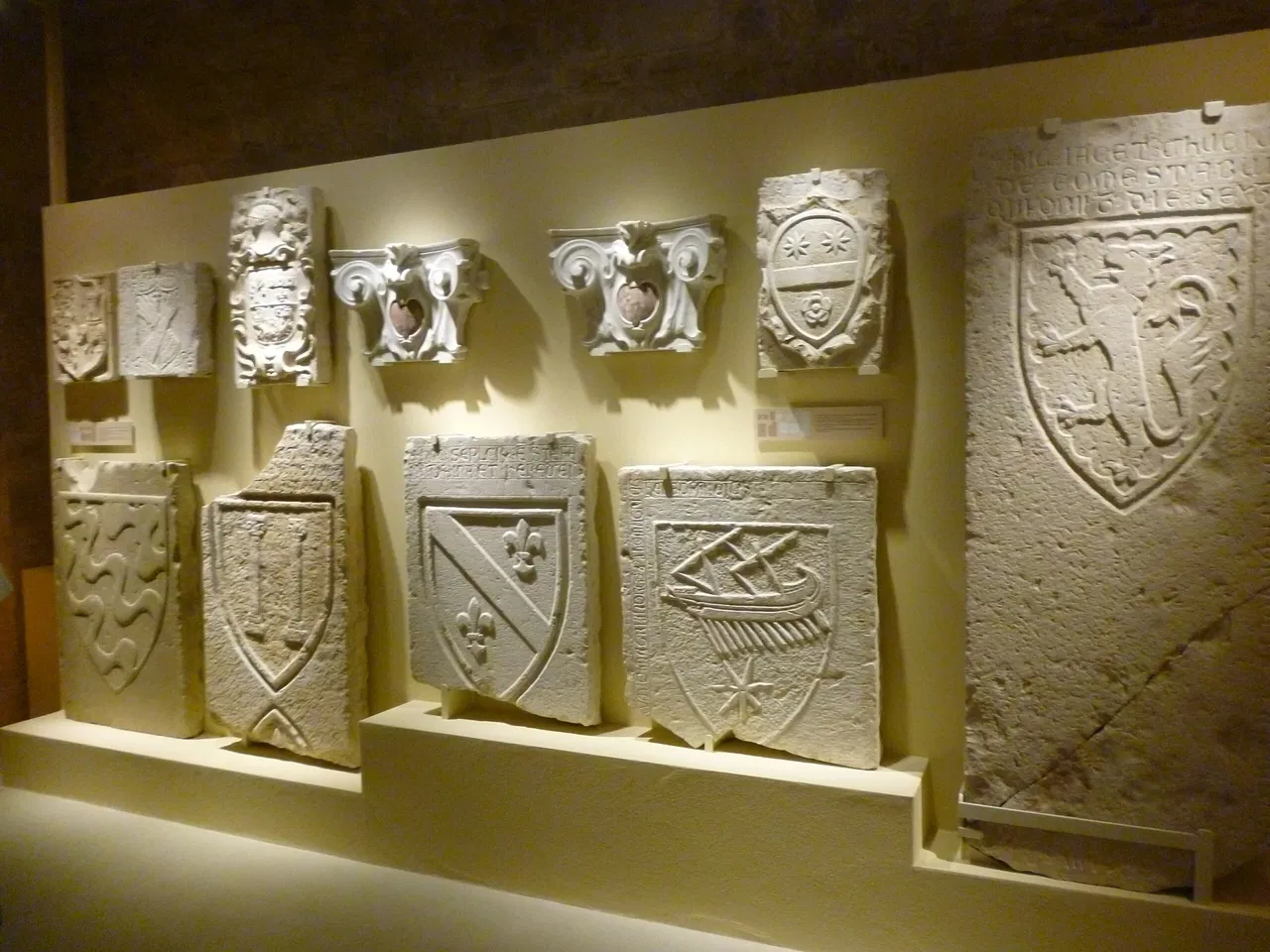


Over a span of two decades, the Museo Civico di Barletta's collection expanded significantly with the addition of paintings from renowned Barletta artists. These artists include Giovanni Battista Calò, Geremia Discanno, Giuseppe De Nittis, Vincenzo De Stefano, Francesco Antonio Lapegna, and Giuseppe Gabbiani. Their works have greatly enriched the museum's collection, providing a comprehensive overview of the artistic talent and heritage of Barletta.
Since 1929, the Museo Civico di Barletta has been housed in the complex of the former San Domenico convent, a significant historical site in the city. In 2003, the museum was relocated to the halls of the Barletta castle, another important historical landmark. This move has allowed the museum to display its extensive collection in a setting that reflects the rich history and culture of Barletta.
The exhibition area of the Museo Civico di Barletta on the first floor is divided into three sections. It houses more than 50 works of art that date from the end of the 14th century to the second half of the 18th century. A large portion of these works come from the bequest of Giuseppe Gabbiani, a significant contributor to the museum's collection. This collection provides a comprehensive overview of the artistic developments and styles that emerged during this period.
History & Anthropology
Piazza Fratelli Cervi, Barletta
No exhibitions in Museo Civico di Barletta have been found.
Museo Civico di Barletta has 1 rating.
The Museo Civico di Barletta offers visitors a glimpse into the rich history of Barletta and the surrounding region. Located in the Palazzo della Marra, a historic building itself, the museum houses a collection of artifacts spanning from prehistoric times to the modern era.
Visitors generally appreciate the museum's diverse exhibits, which include archaeological findings, medieval art, and historical documents. The collection of paintings, particularly those from the 16th to 18th centuries, is often highlighted as a standout feature. Many reviewers also mention the impressive frescoes and architectural elements of the palazzo.
However, some visitors note that the museum could benefit from more comprehensive information in languages other than Italian, which can be a drawback for international tourists. The layout and presentation of some exhibits are occasionally described as outdated or in need of renovation.
Despite these minor issues, most visitors find the museum to be an informative and worthwhile stop for those interested in local history and art. The central location in Barletta makes it easily accessible, and many appreciate the opportunity to explore both the museum's contents and the historic palace that houses it.
In summary, while the Museo Civico di Barletta may not be the largest or most modern museum, it provides a valuable insight into the area's cultural heritage and is generally considered a rewarding experience for history and art enthusiasts.
This rating is based on the rating of this museum on several other platforms.