Images of Museo Archeologico Nazionale di Sperlonga e Grotta di Tiberio
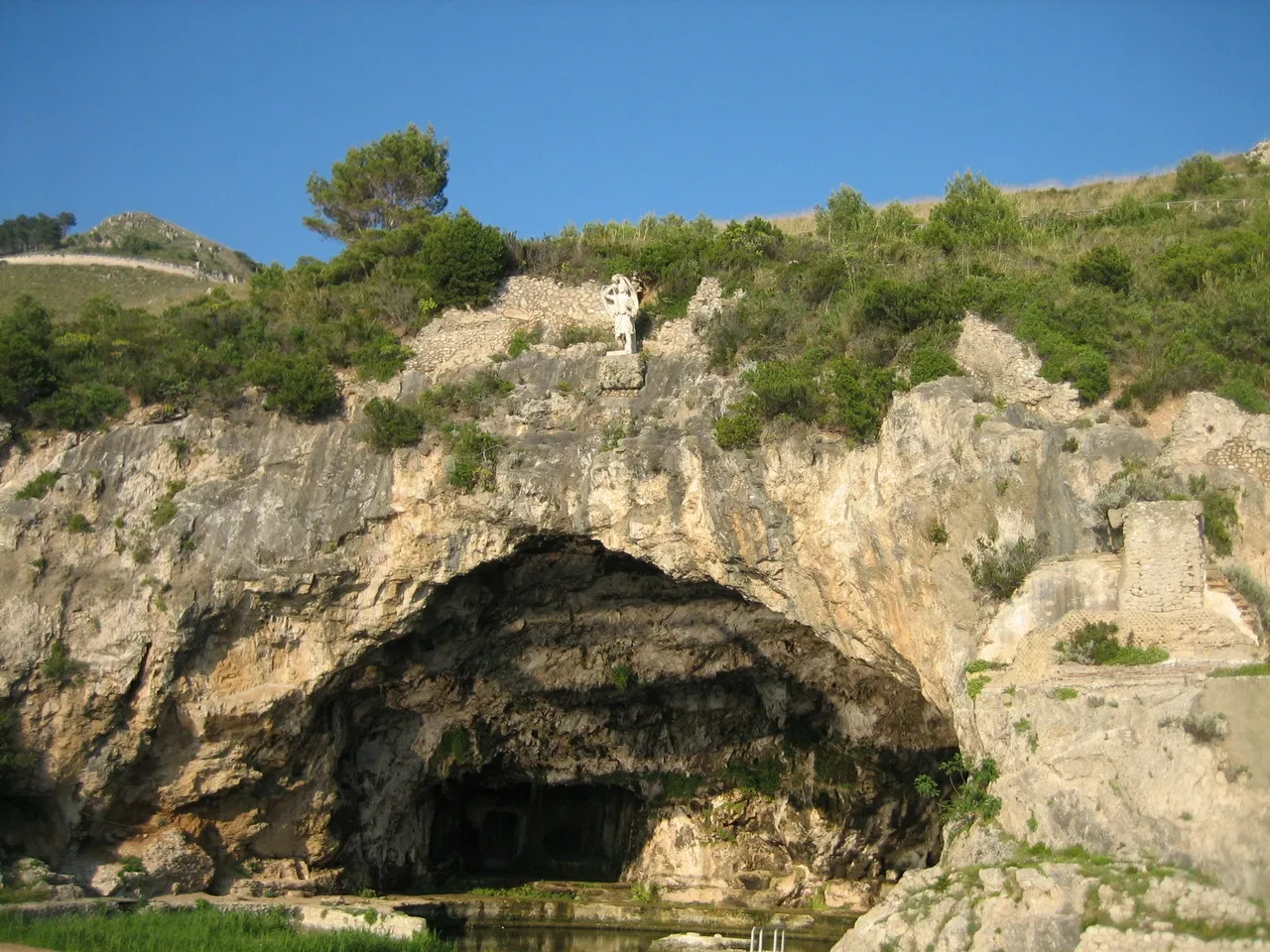
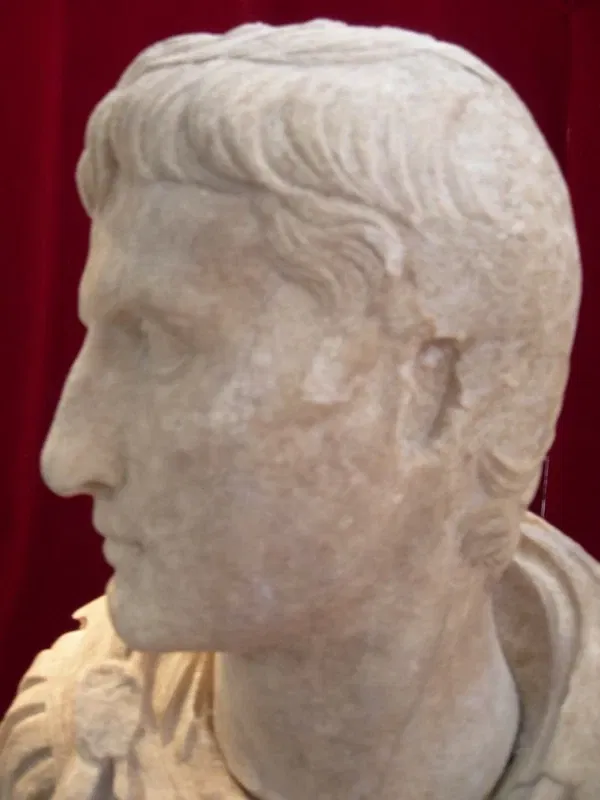
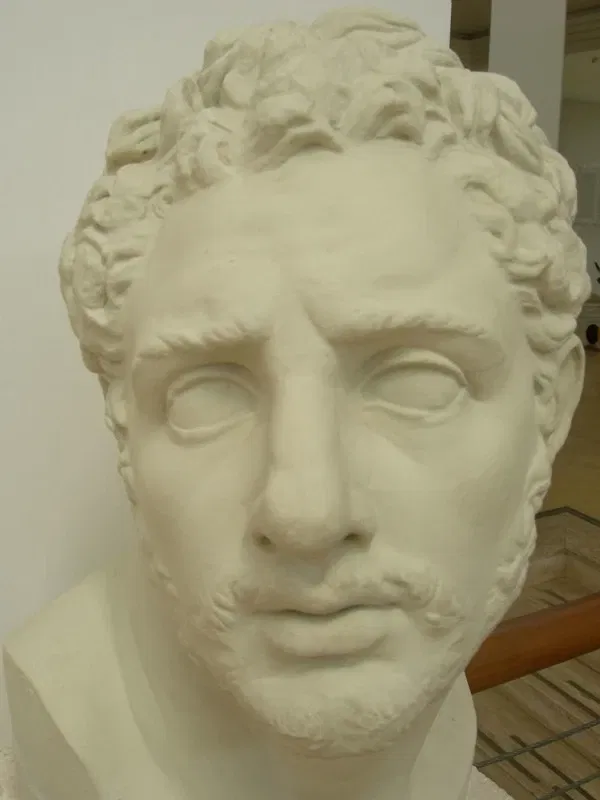
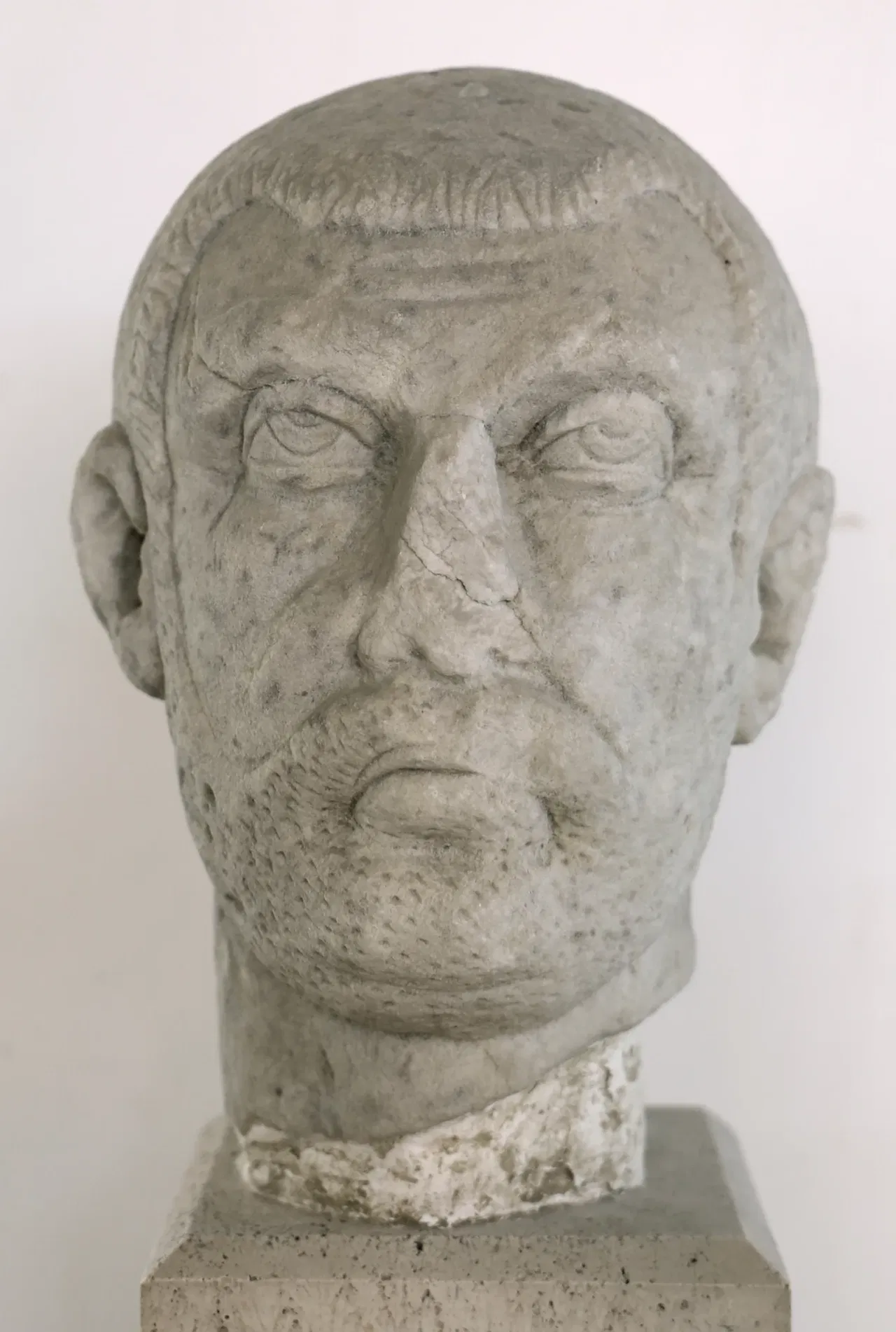
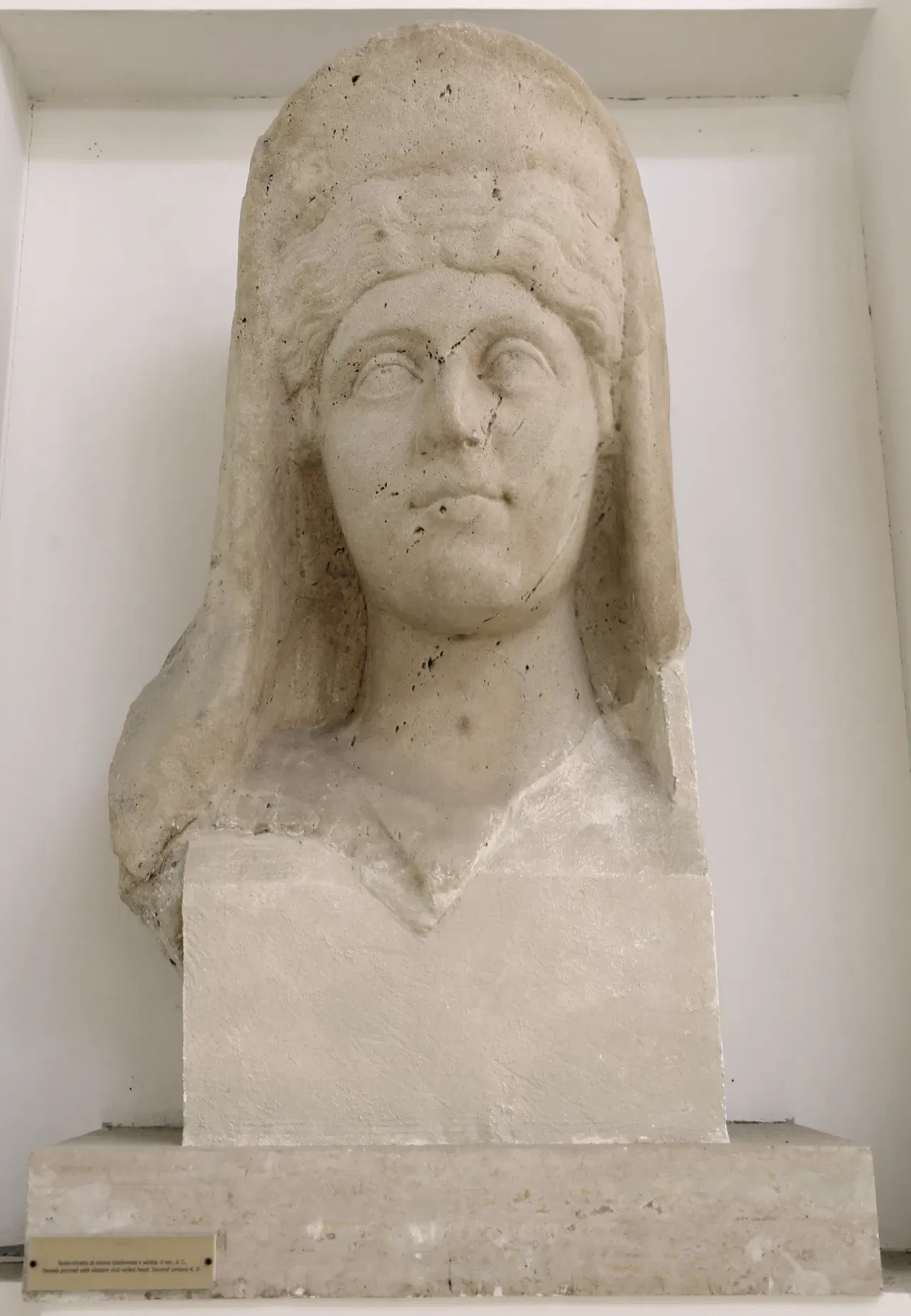
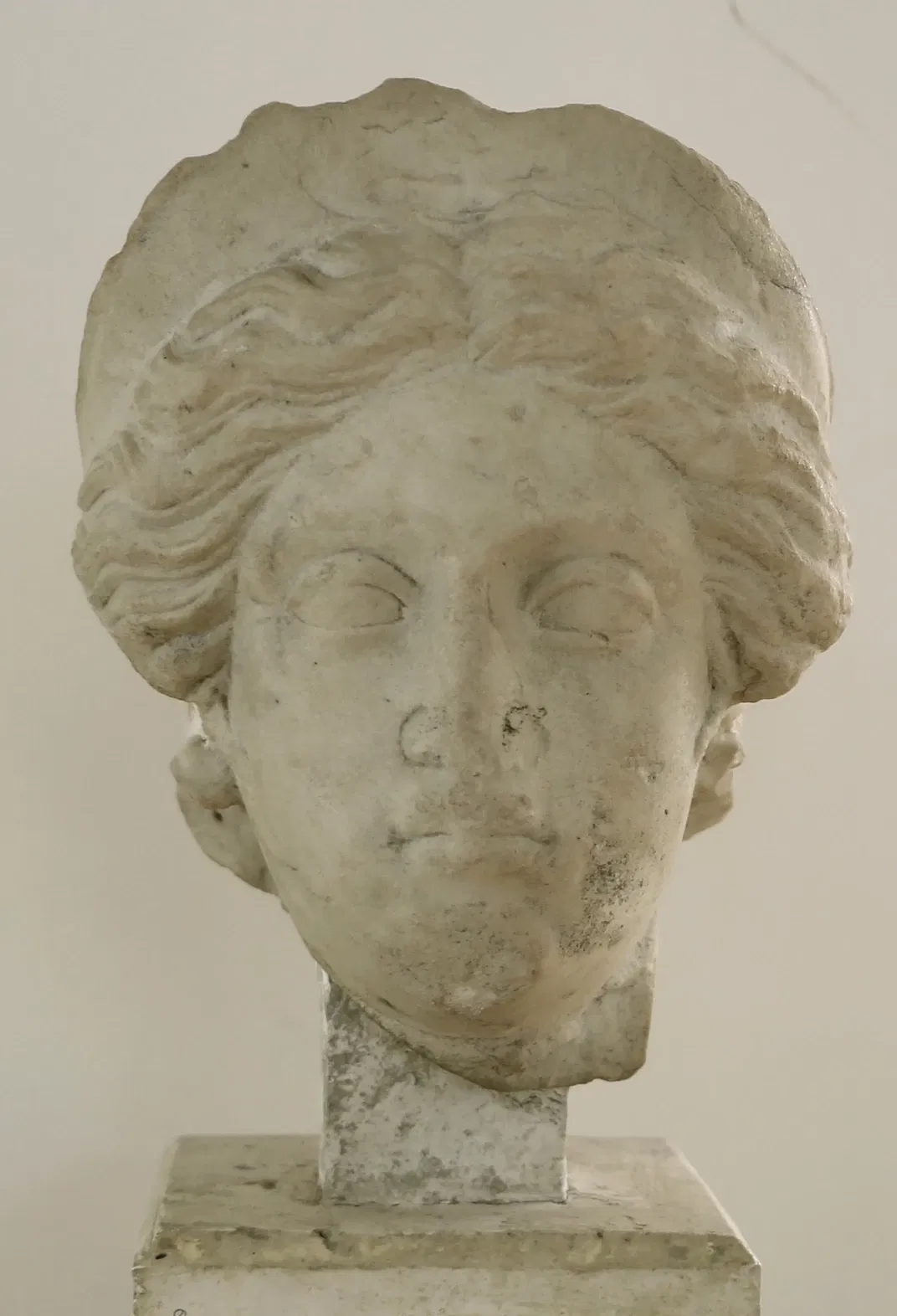
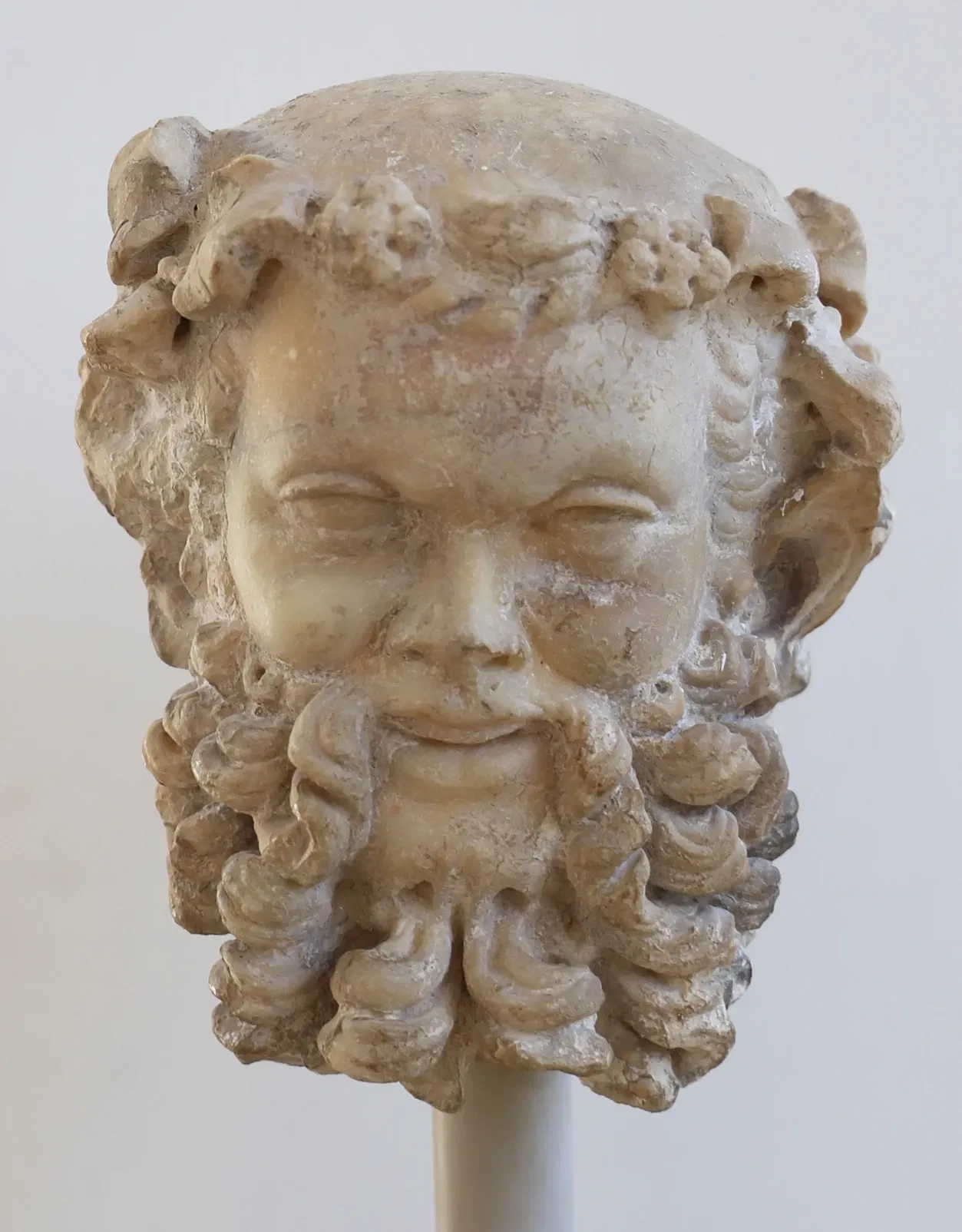
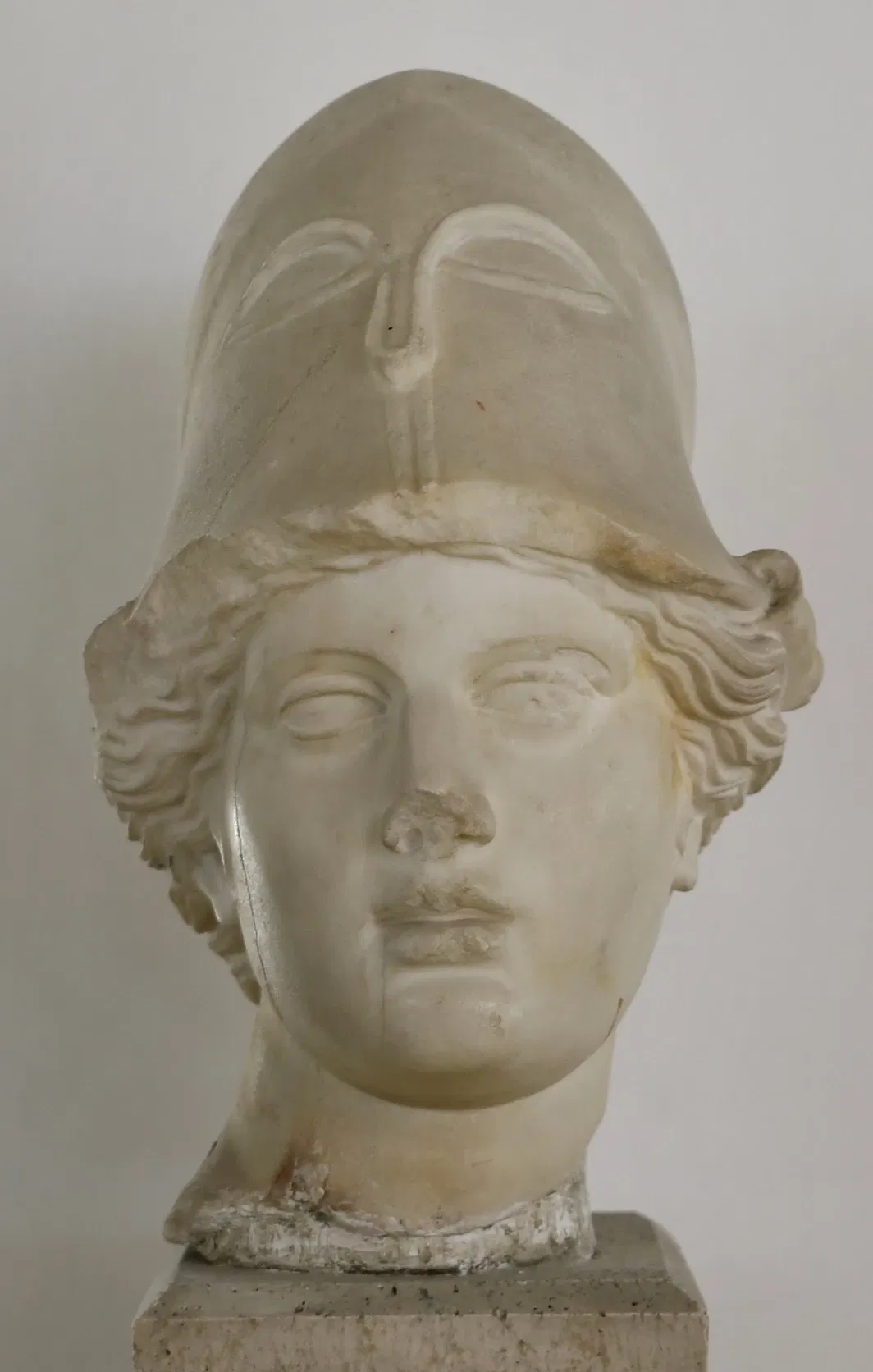
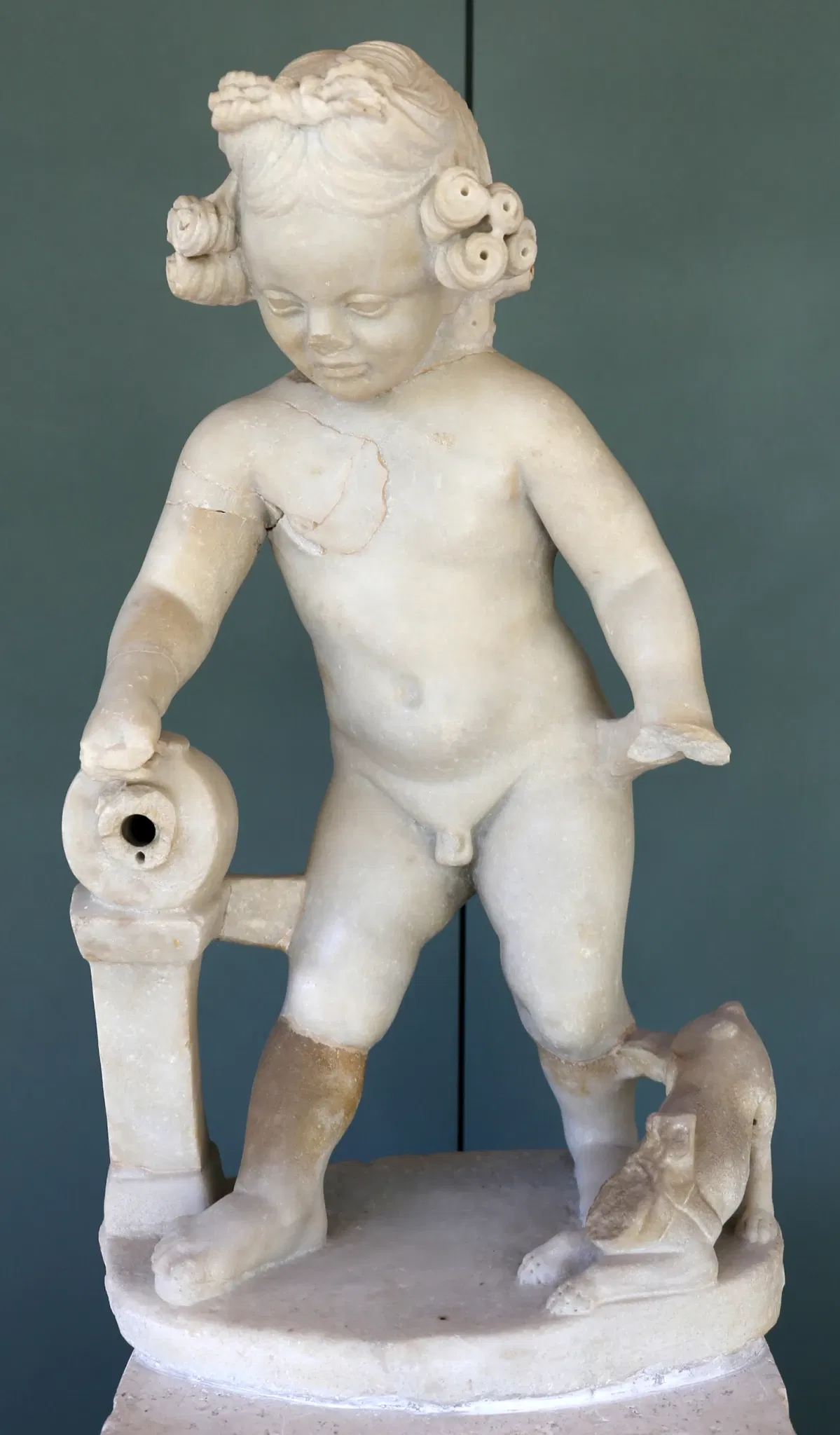
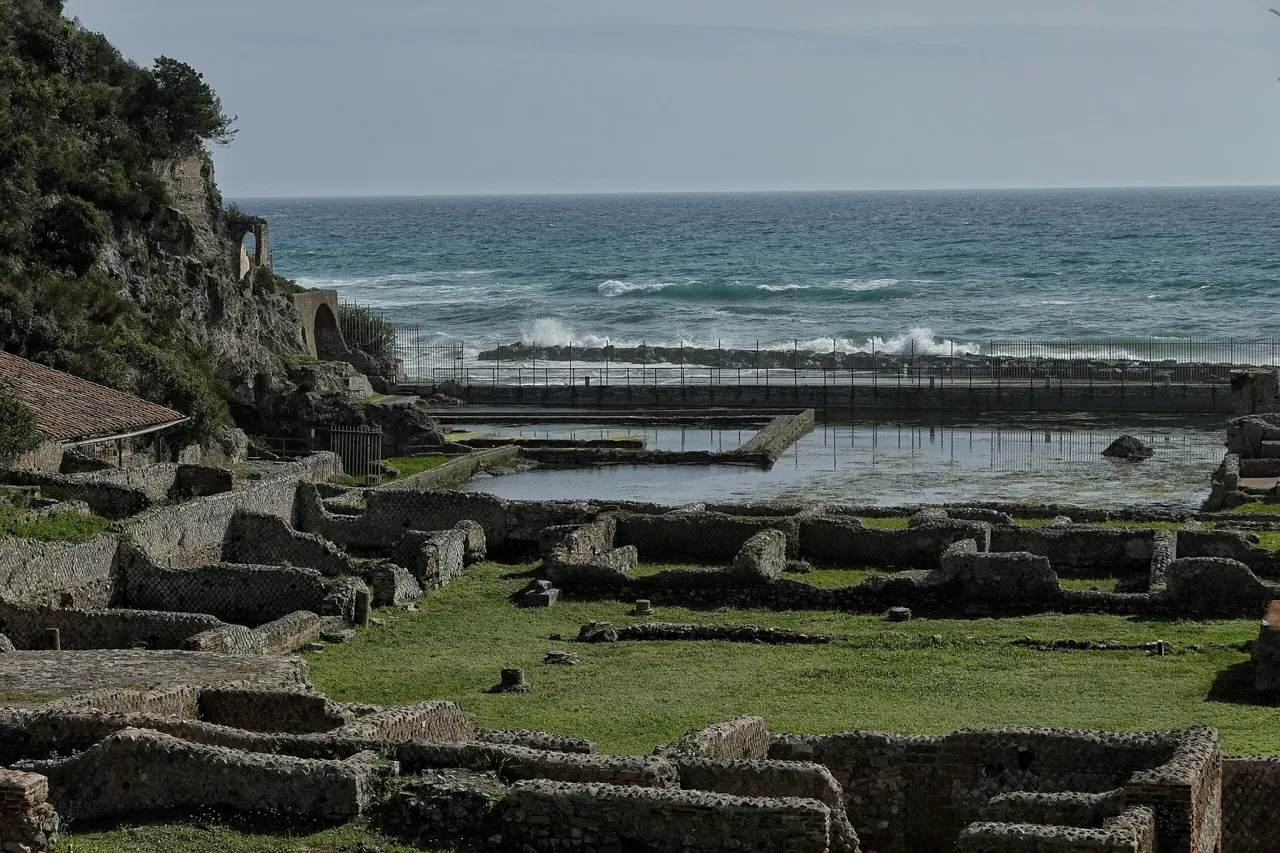
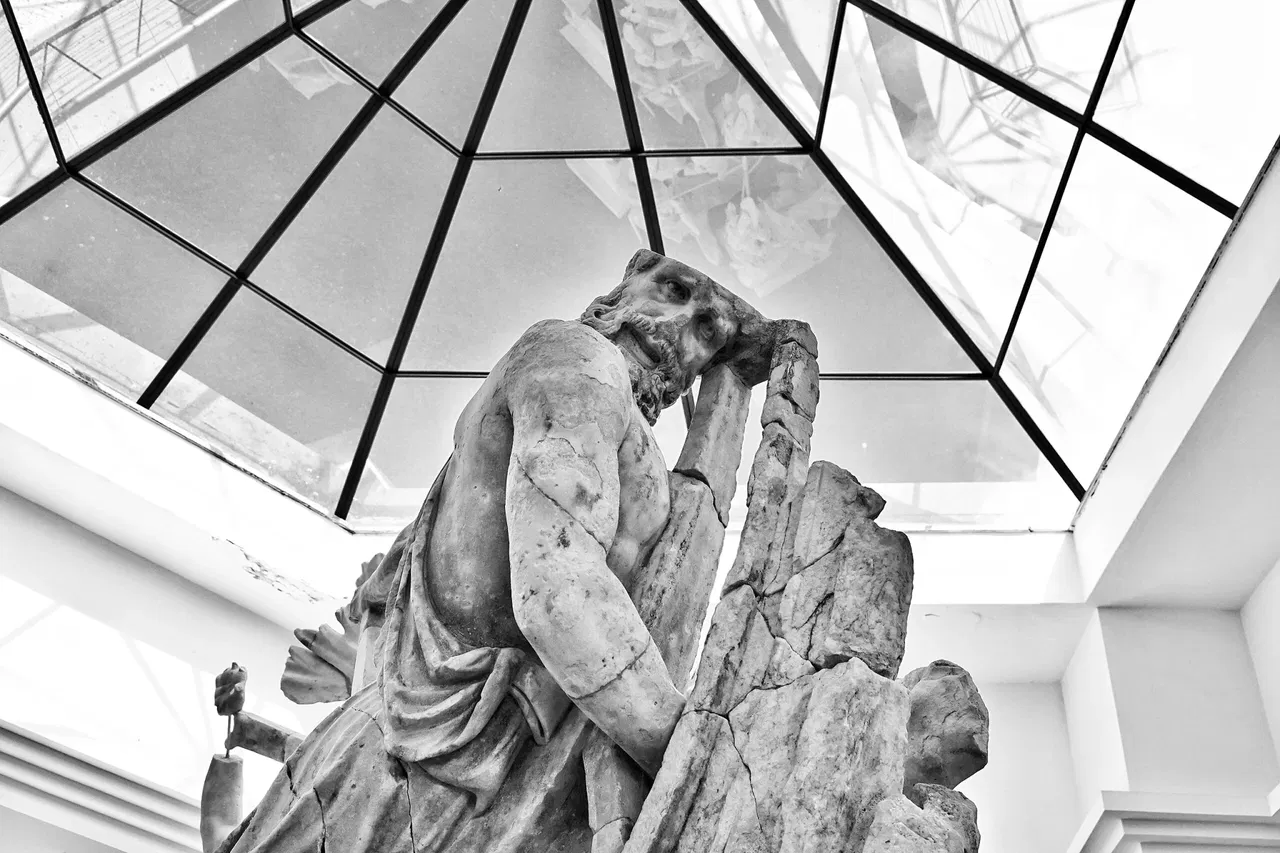
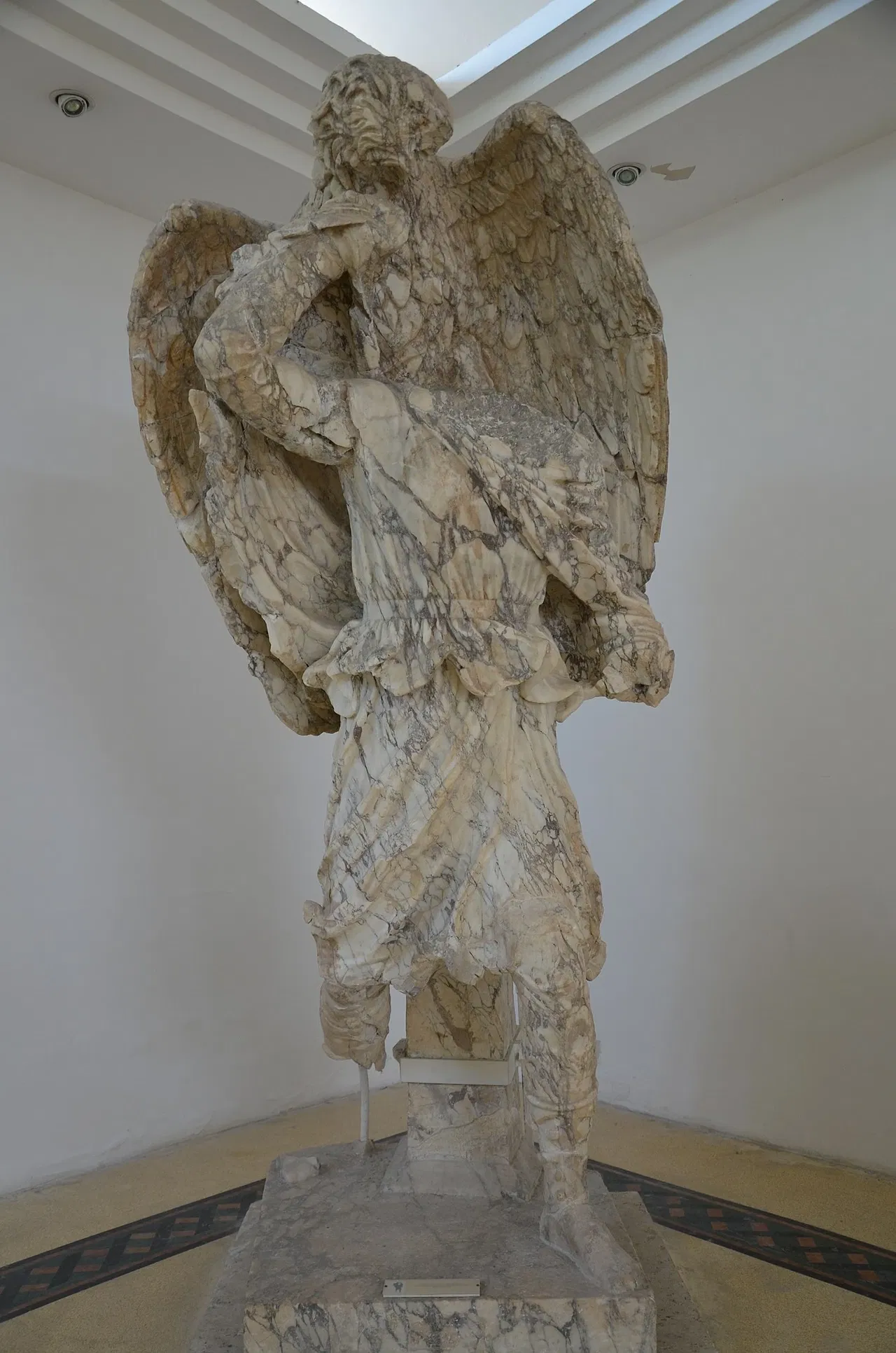
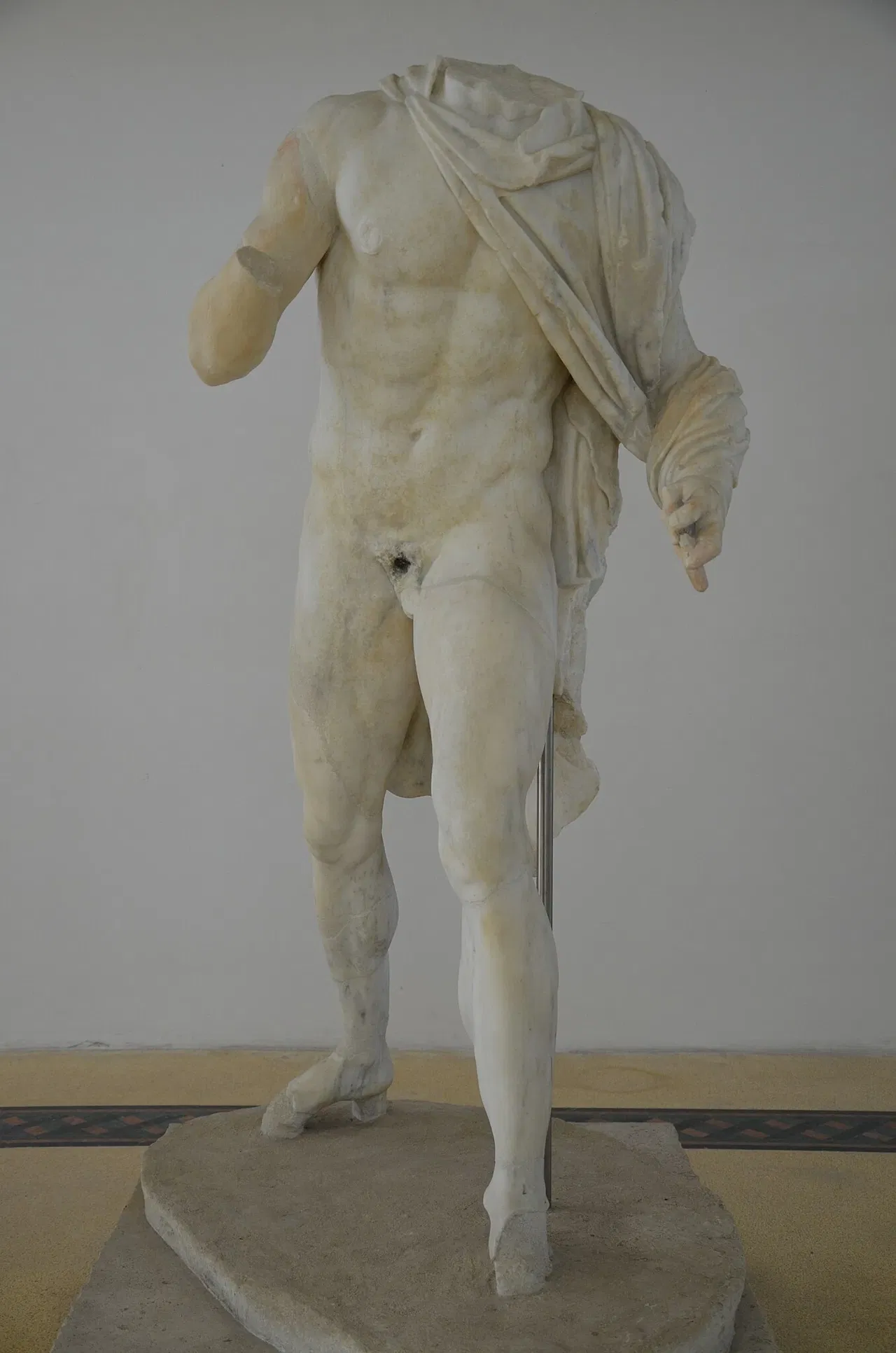
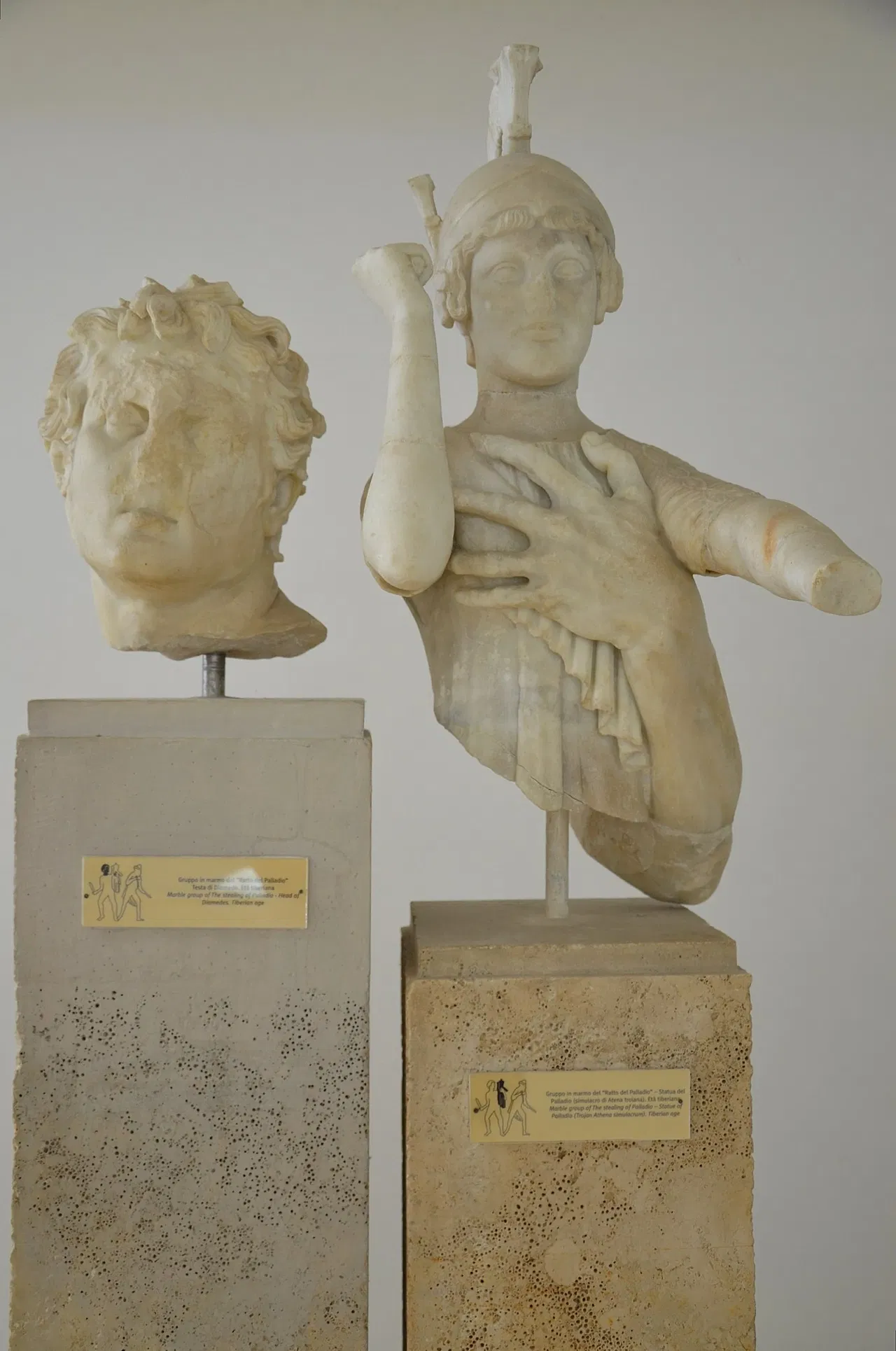
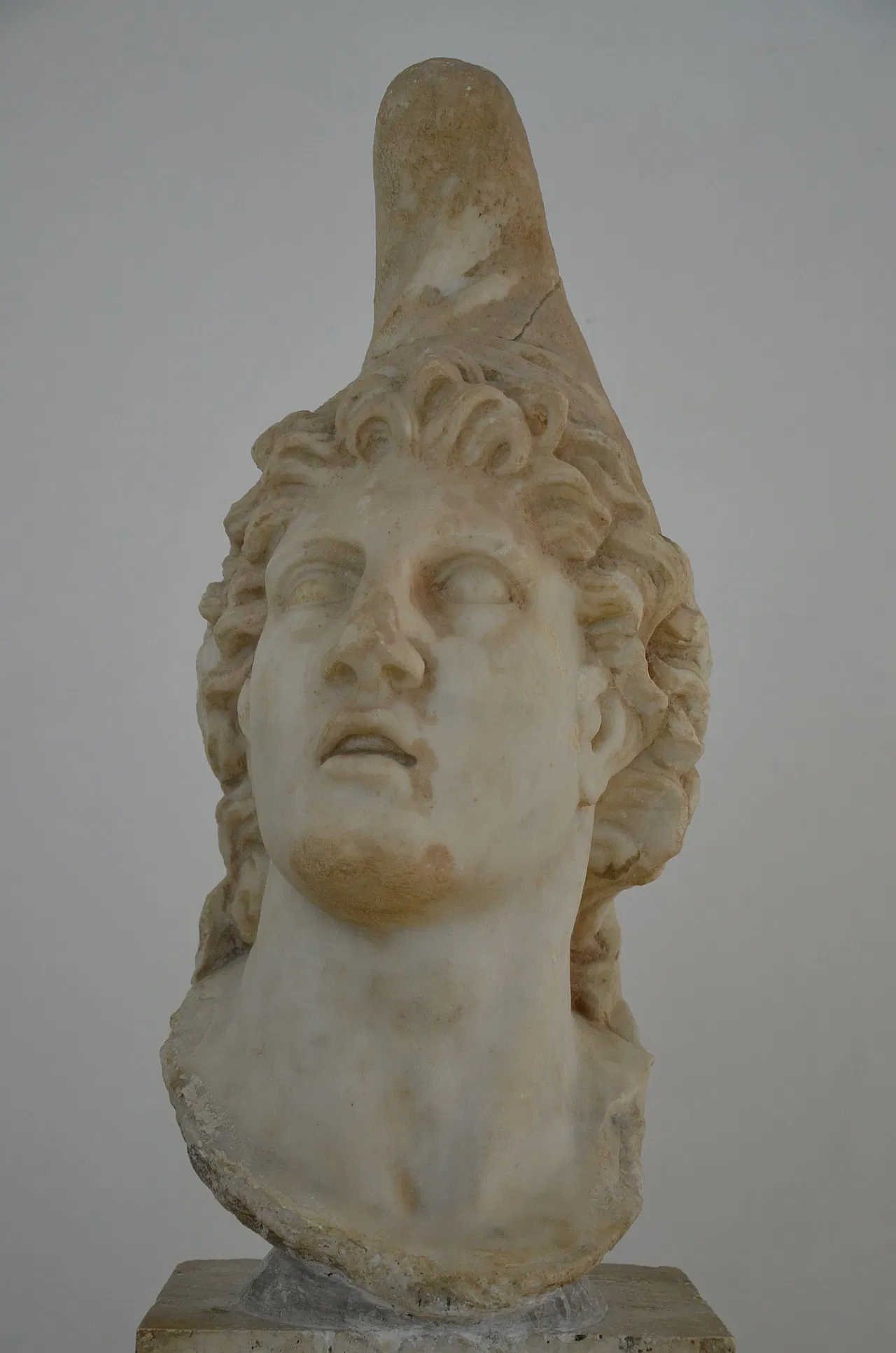
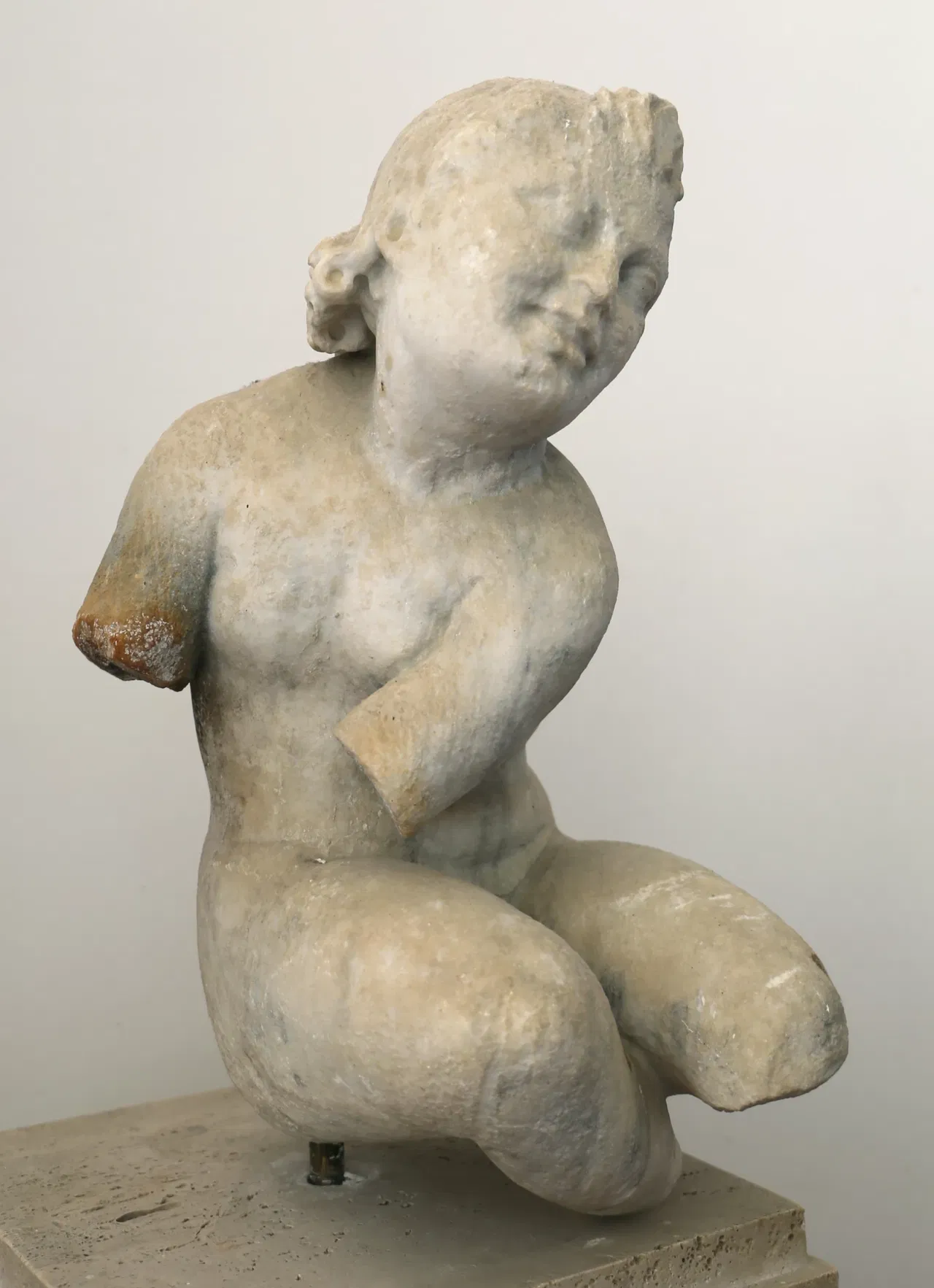
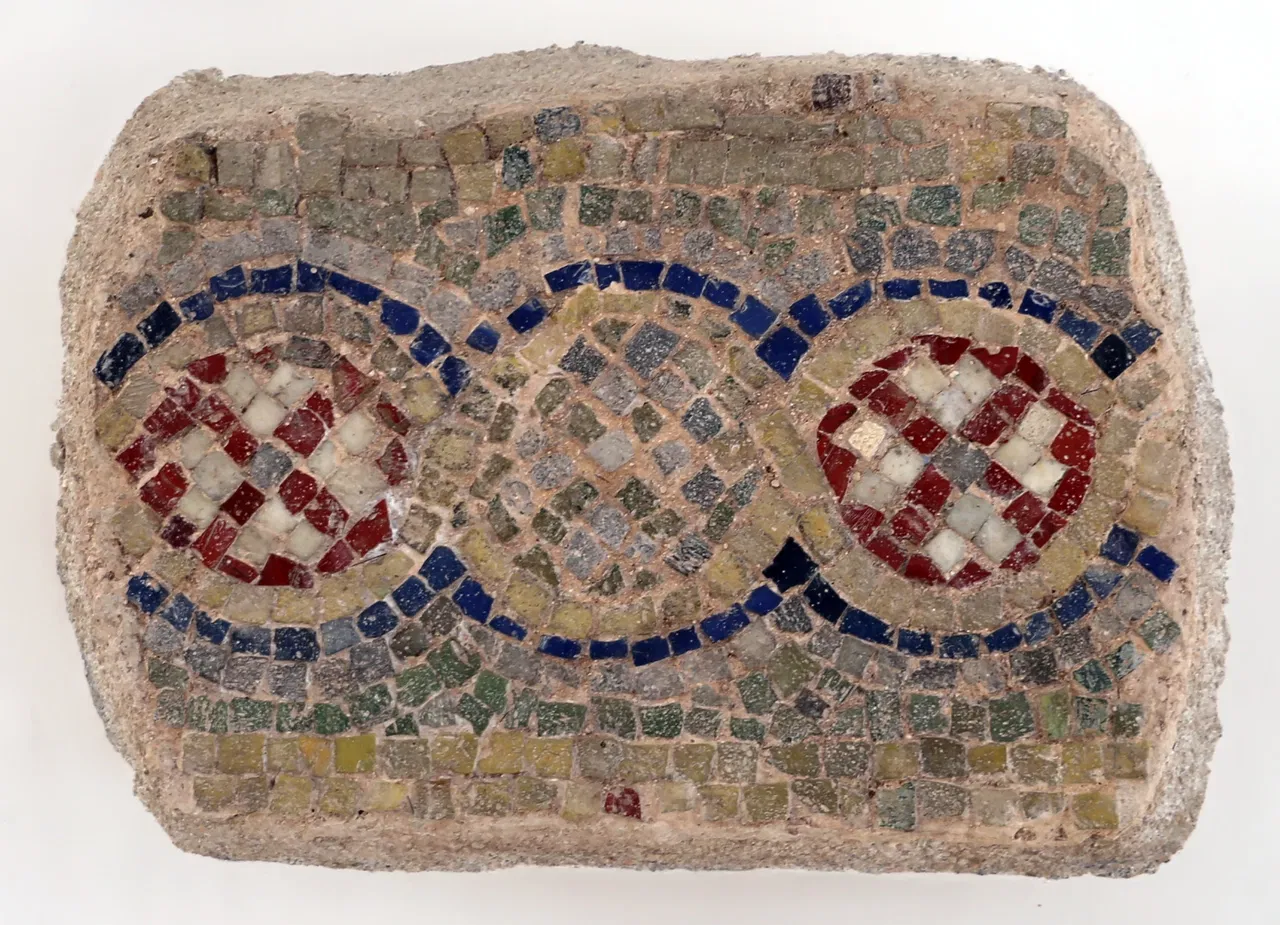
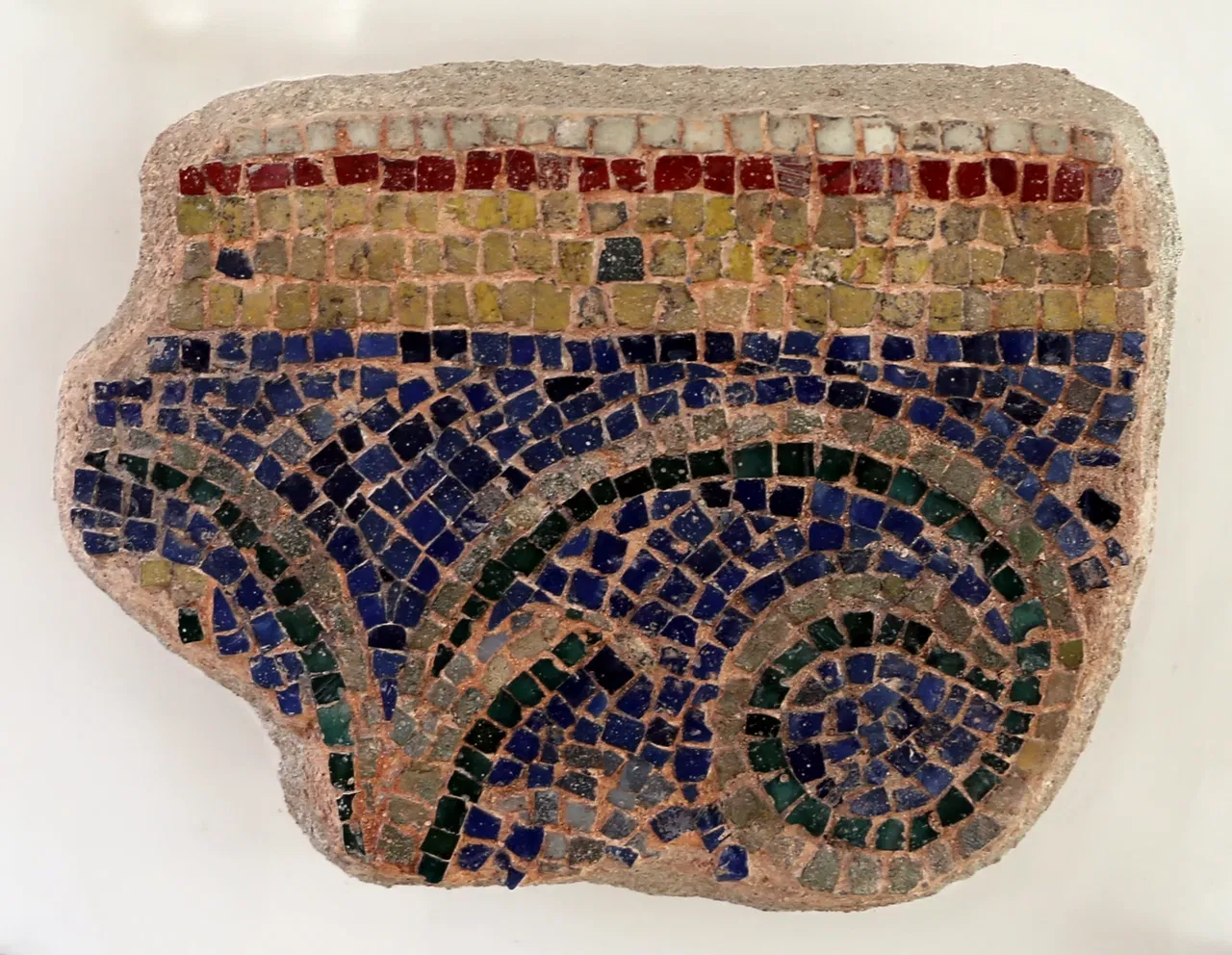
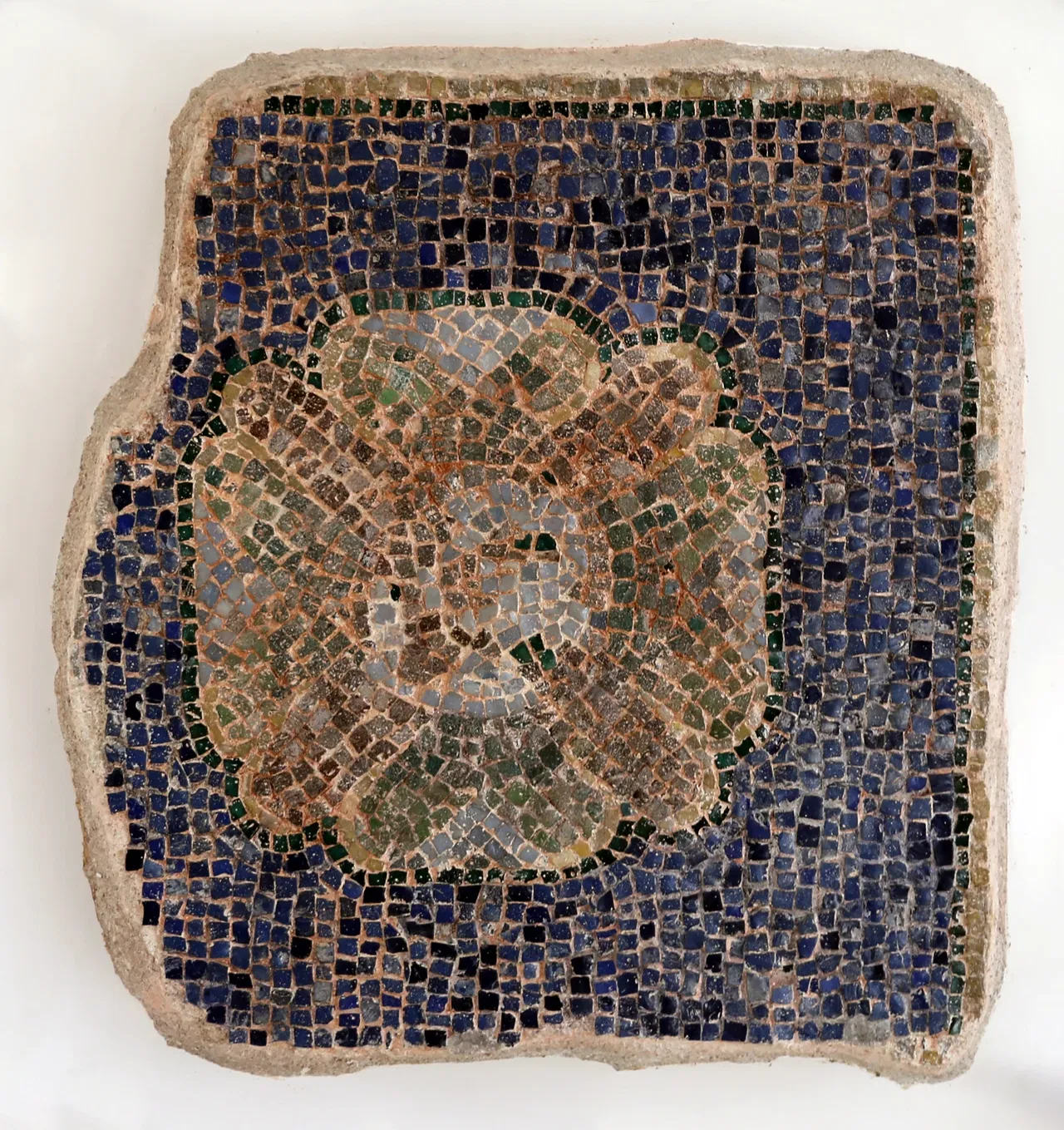
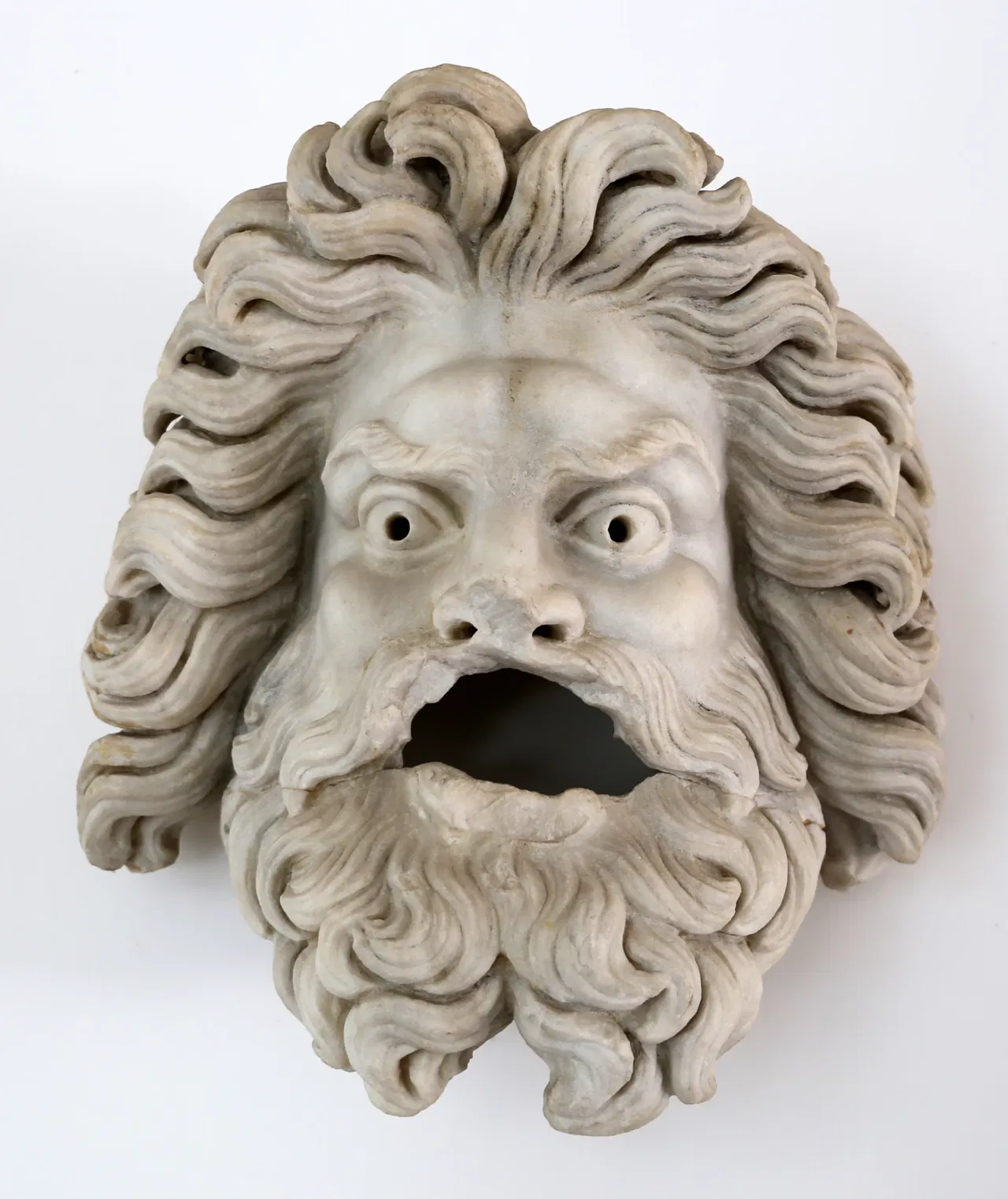
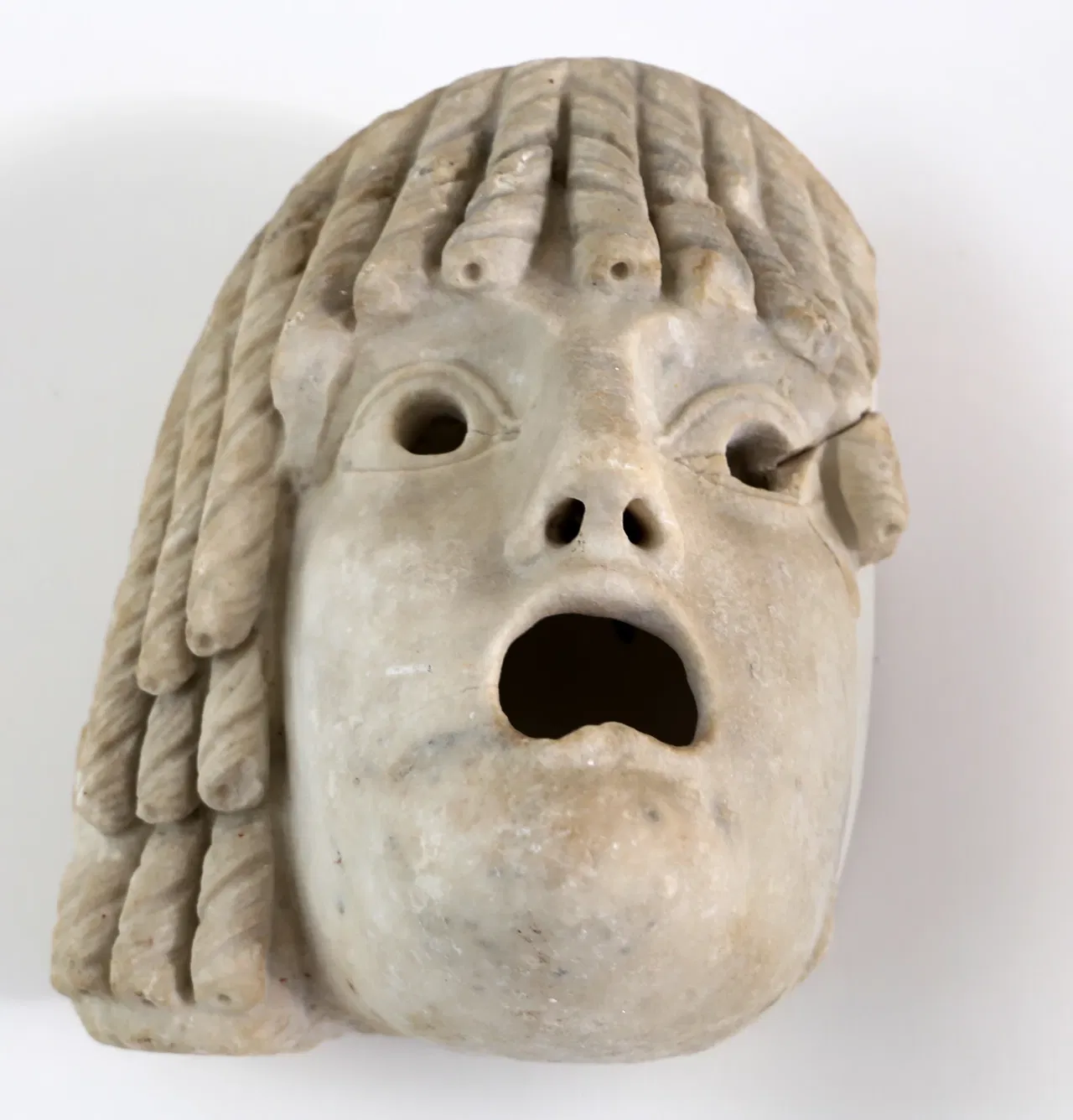
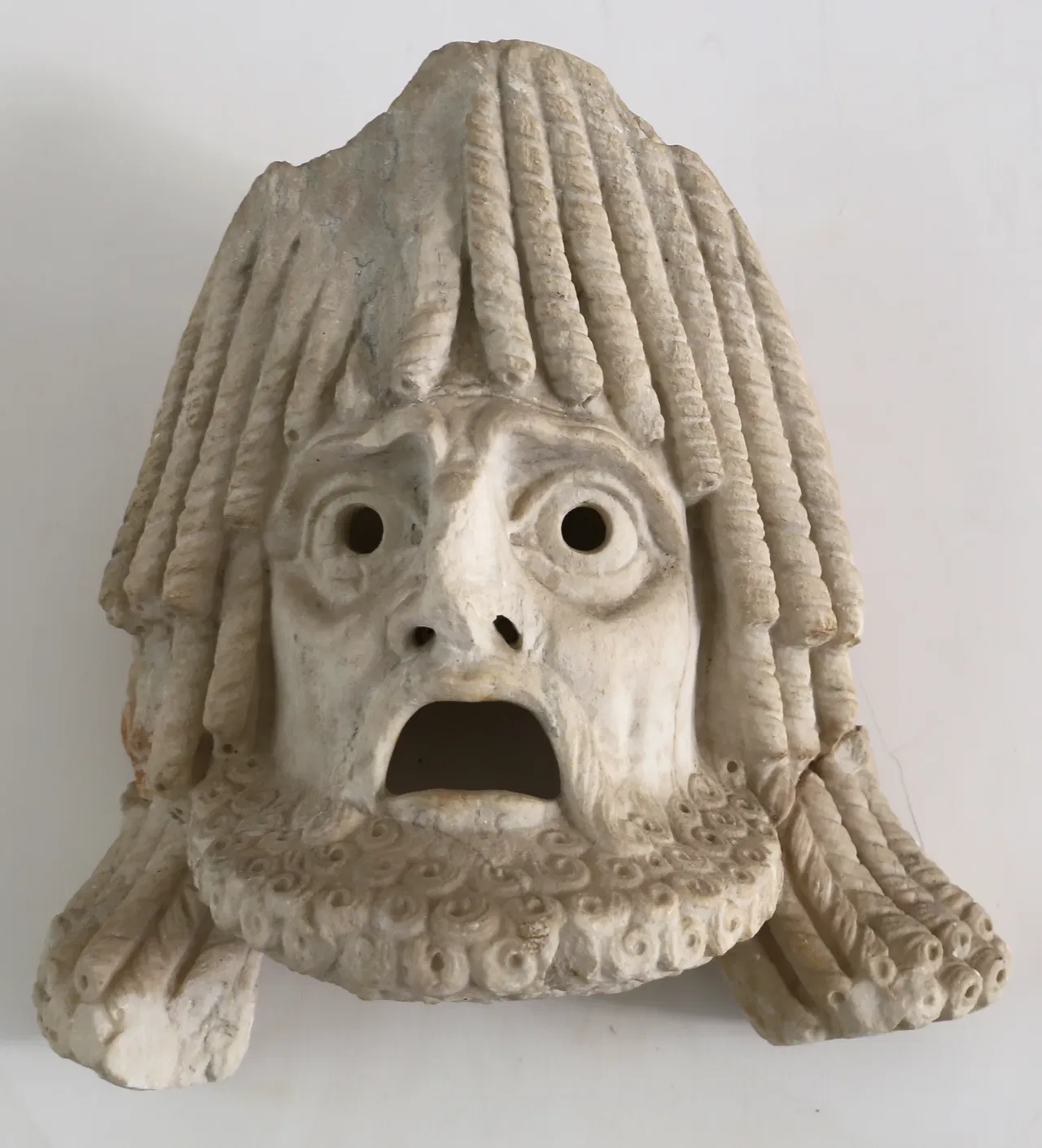
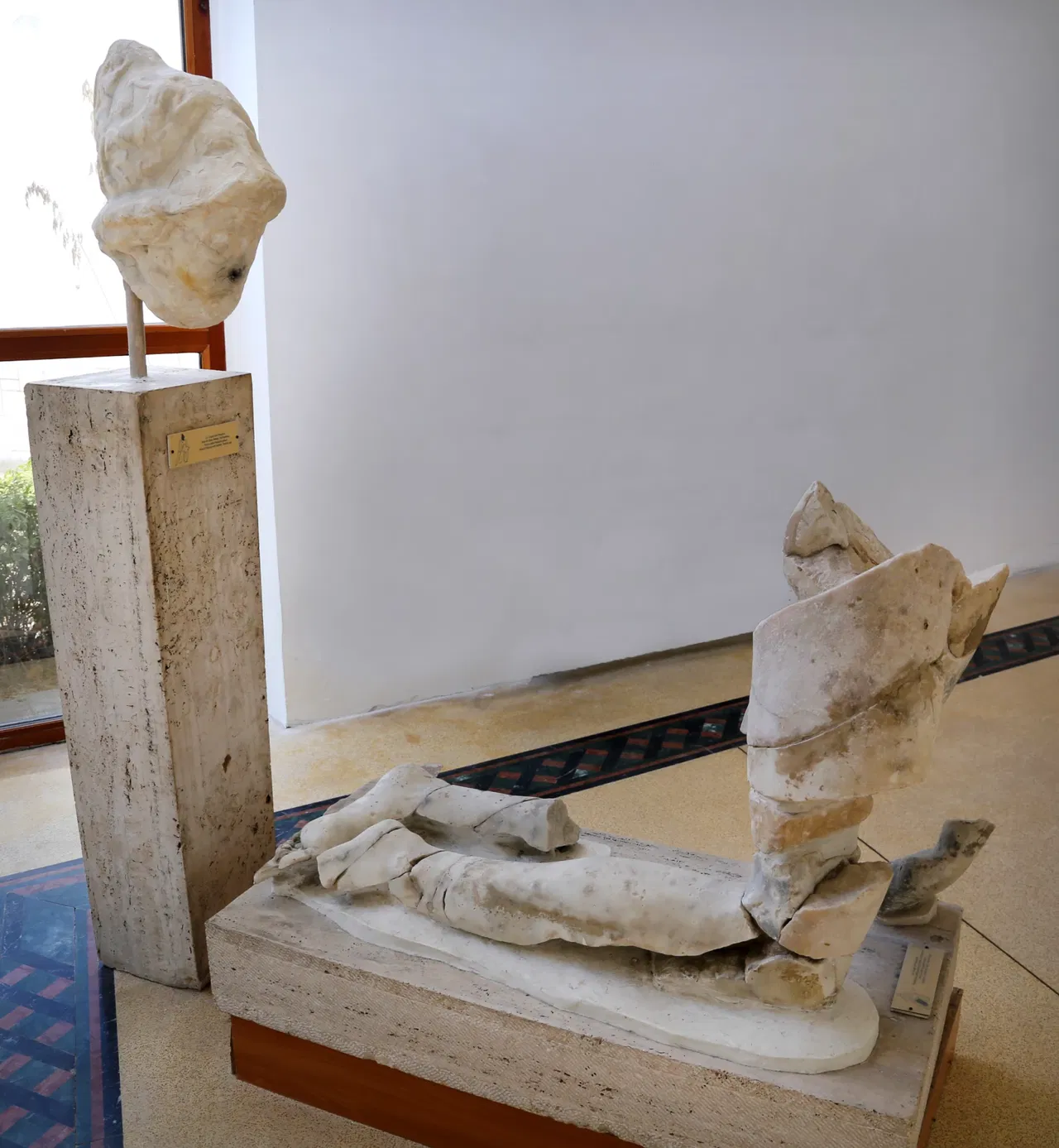
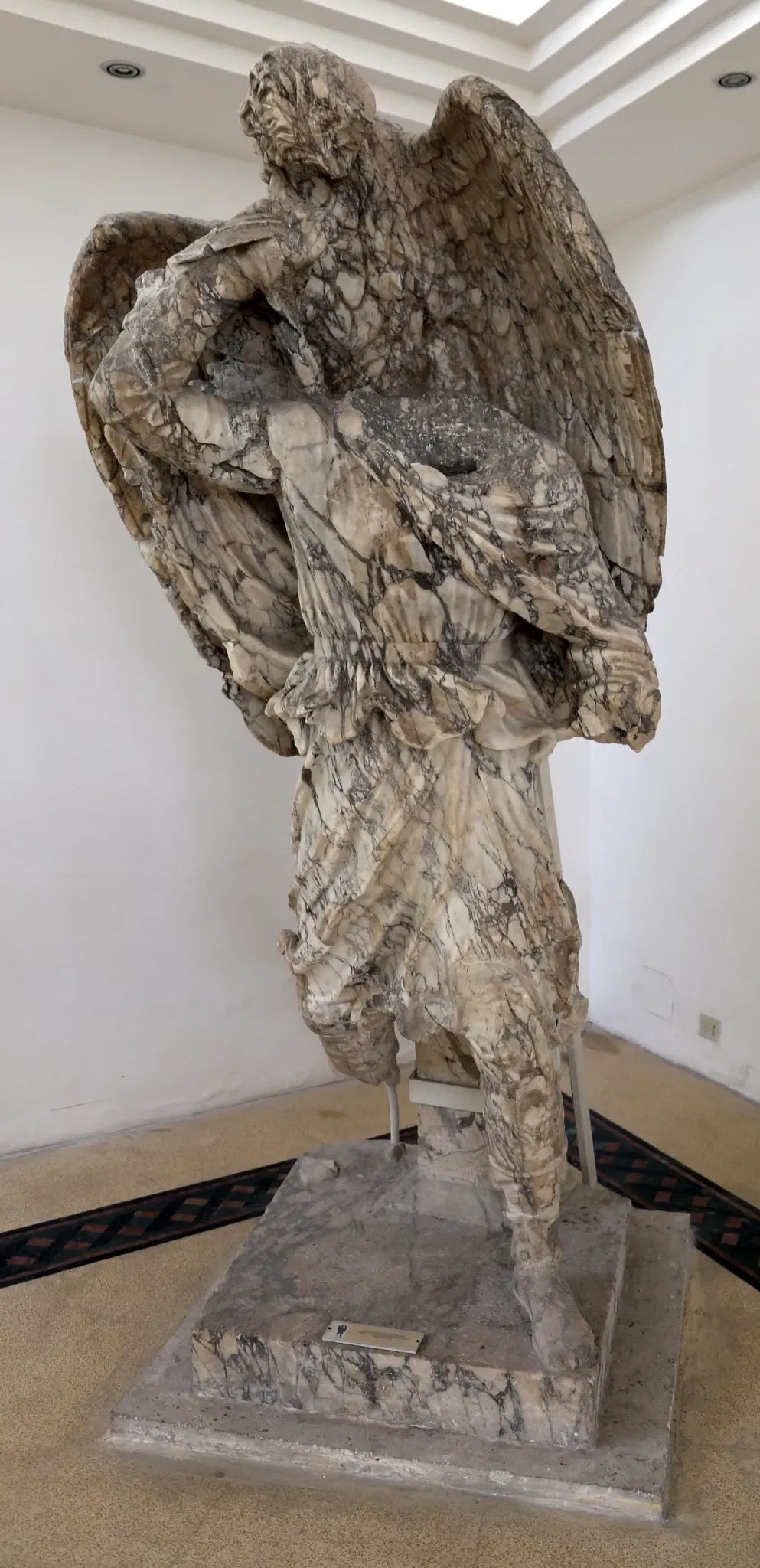
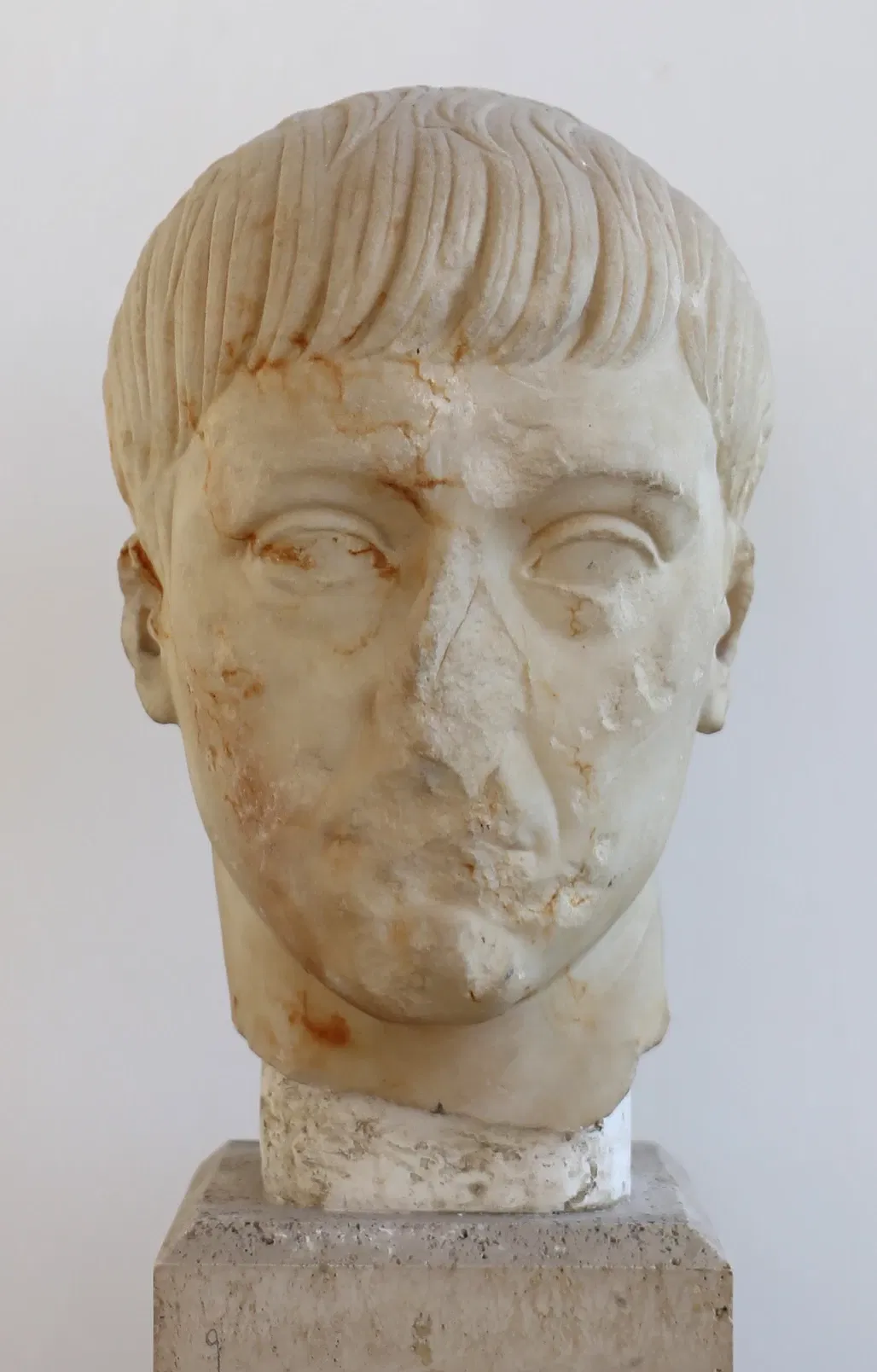
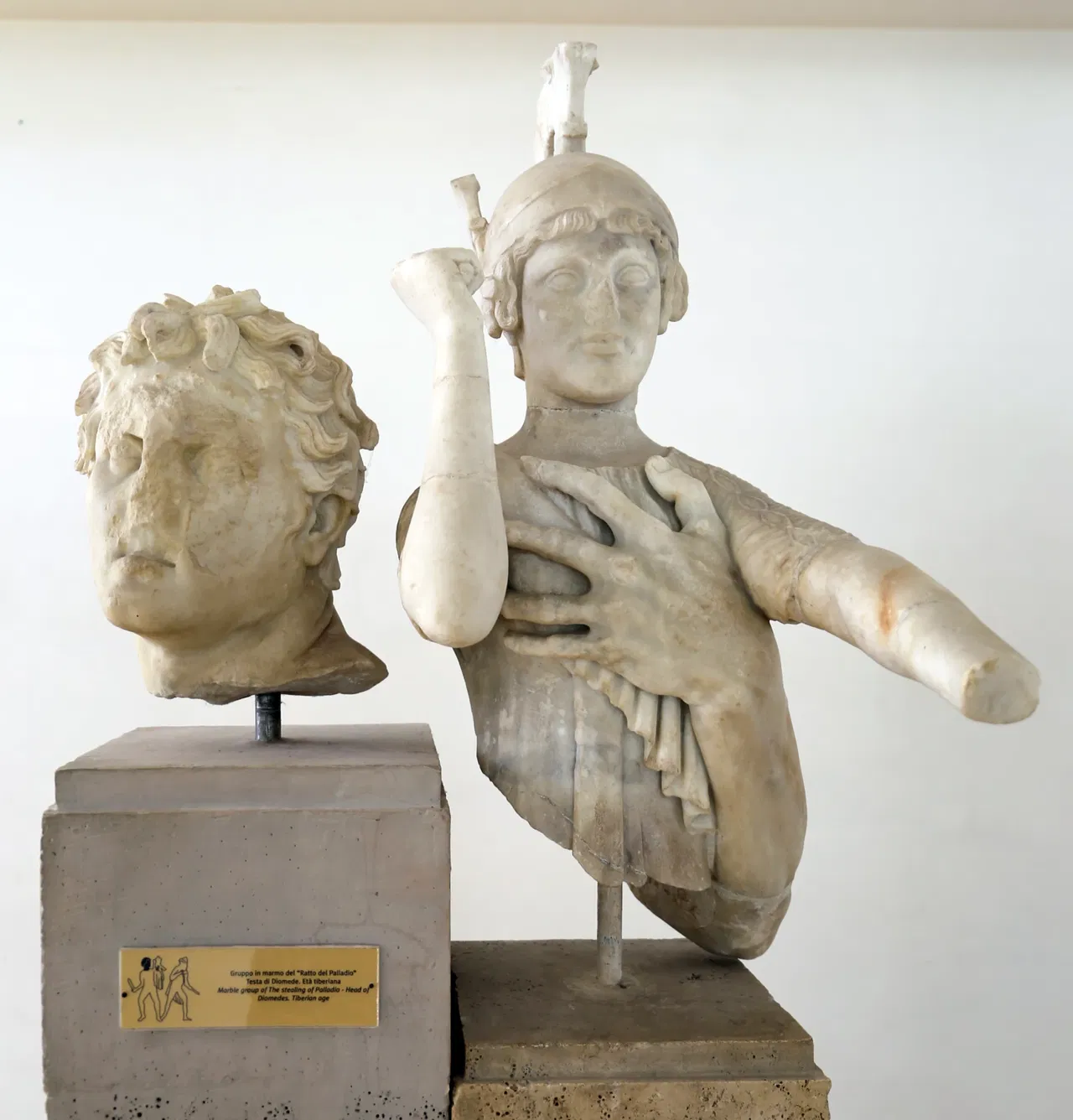
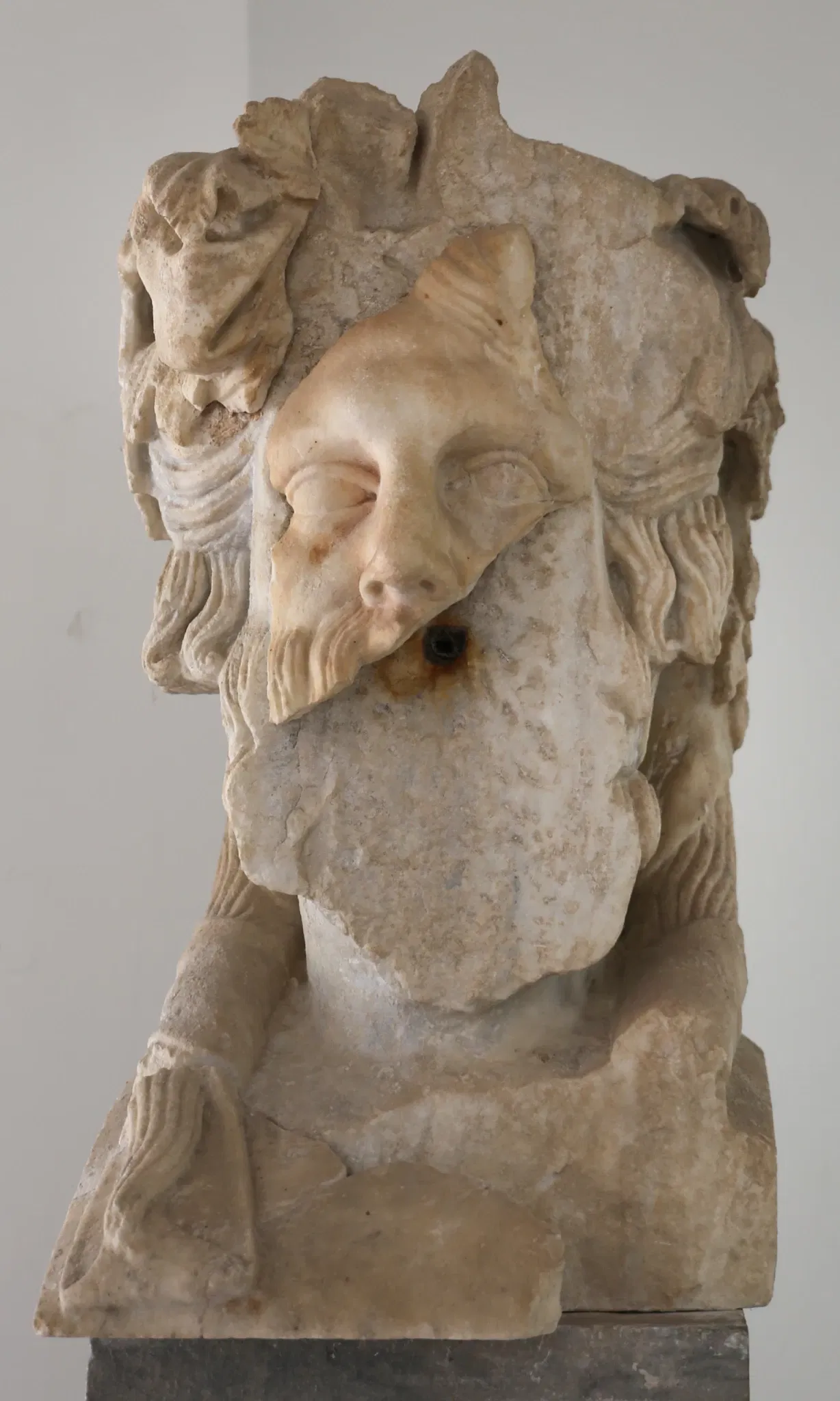
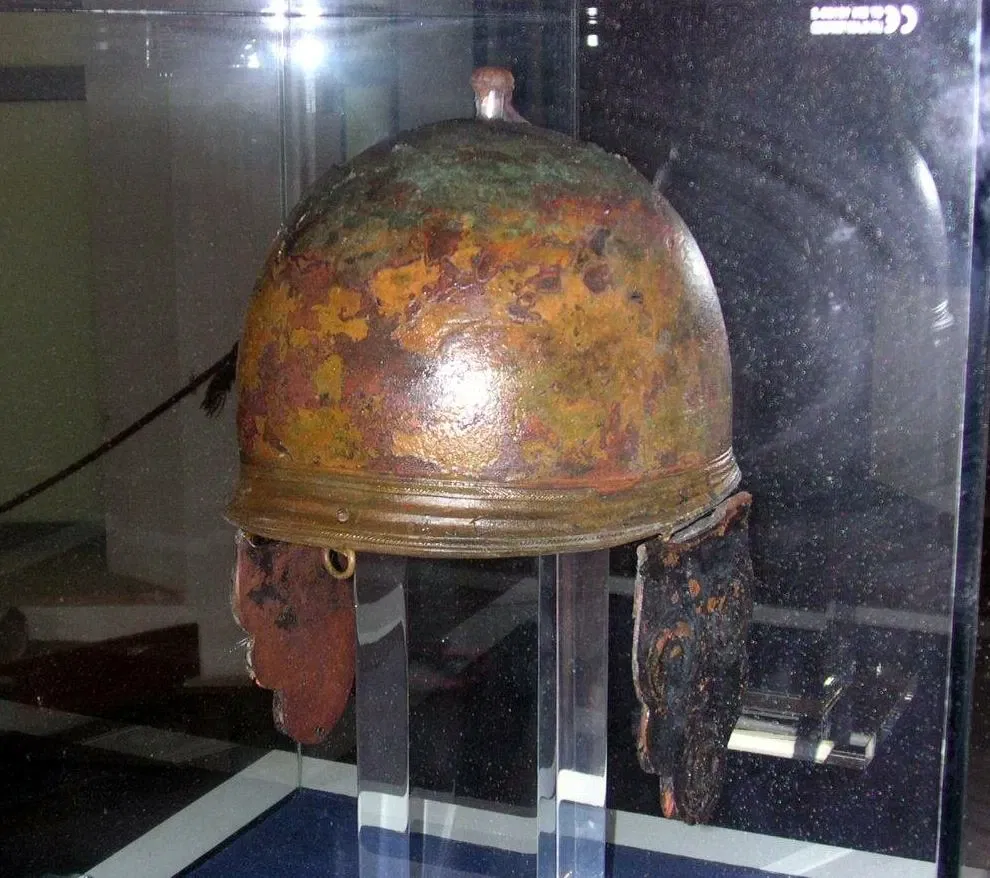
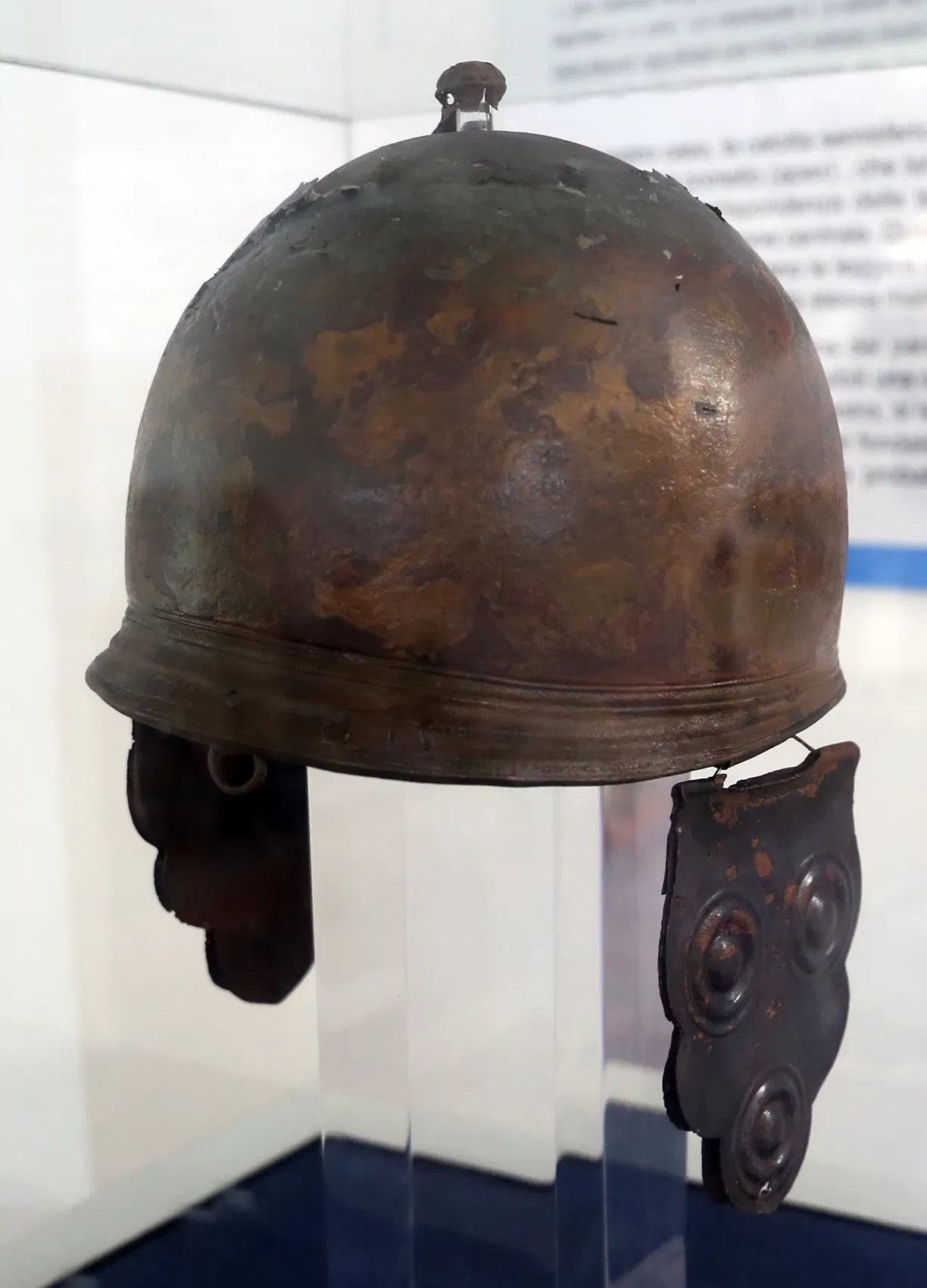
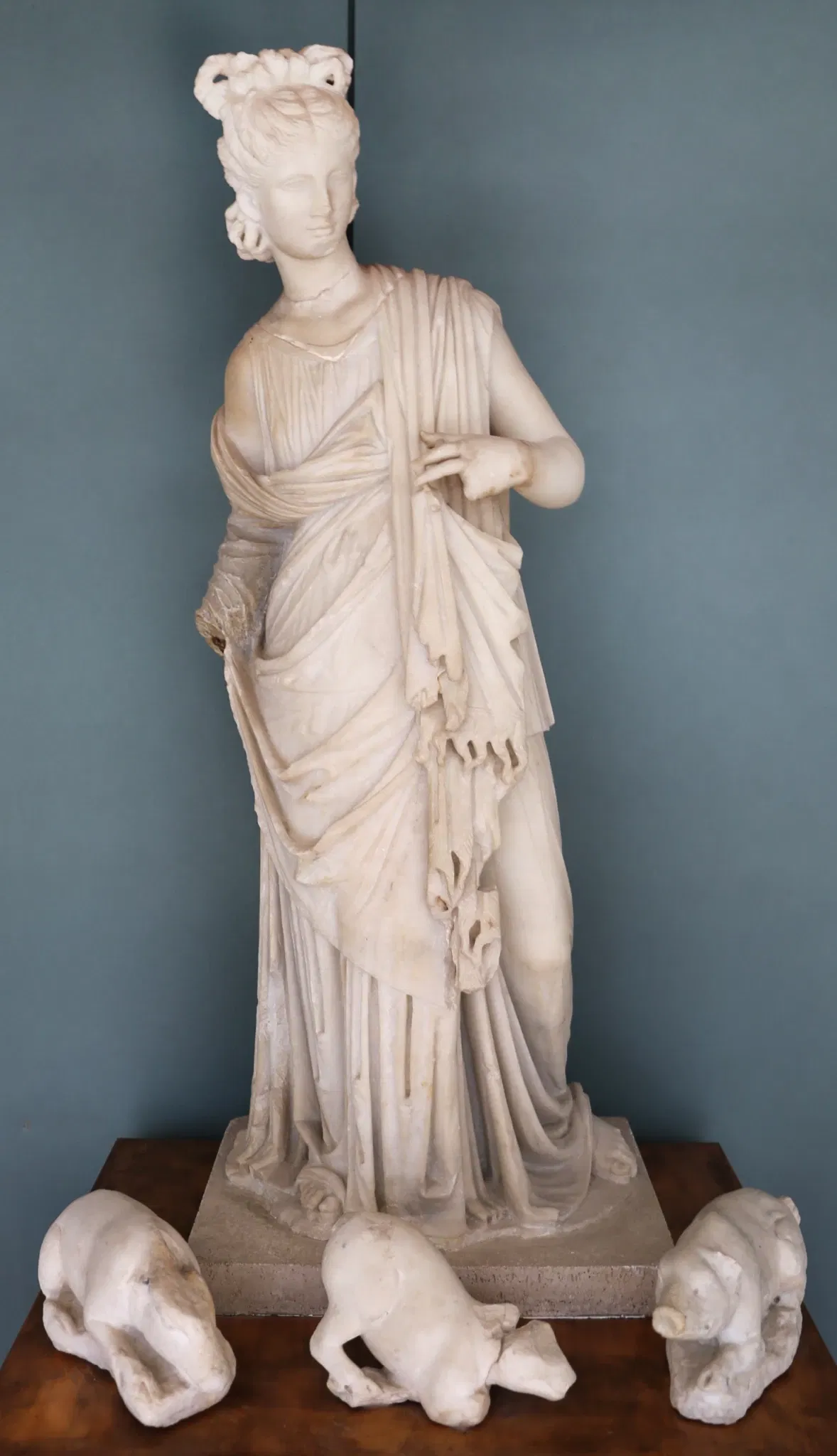
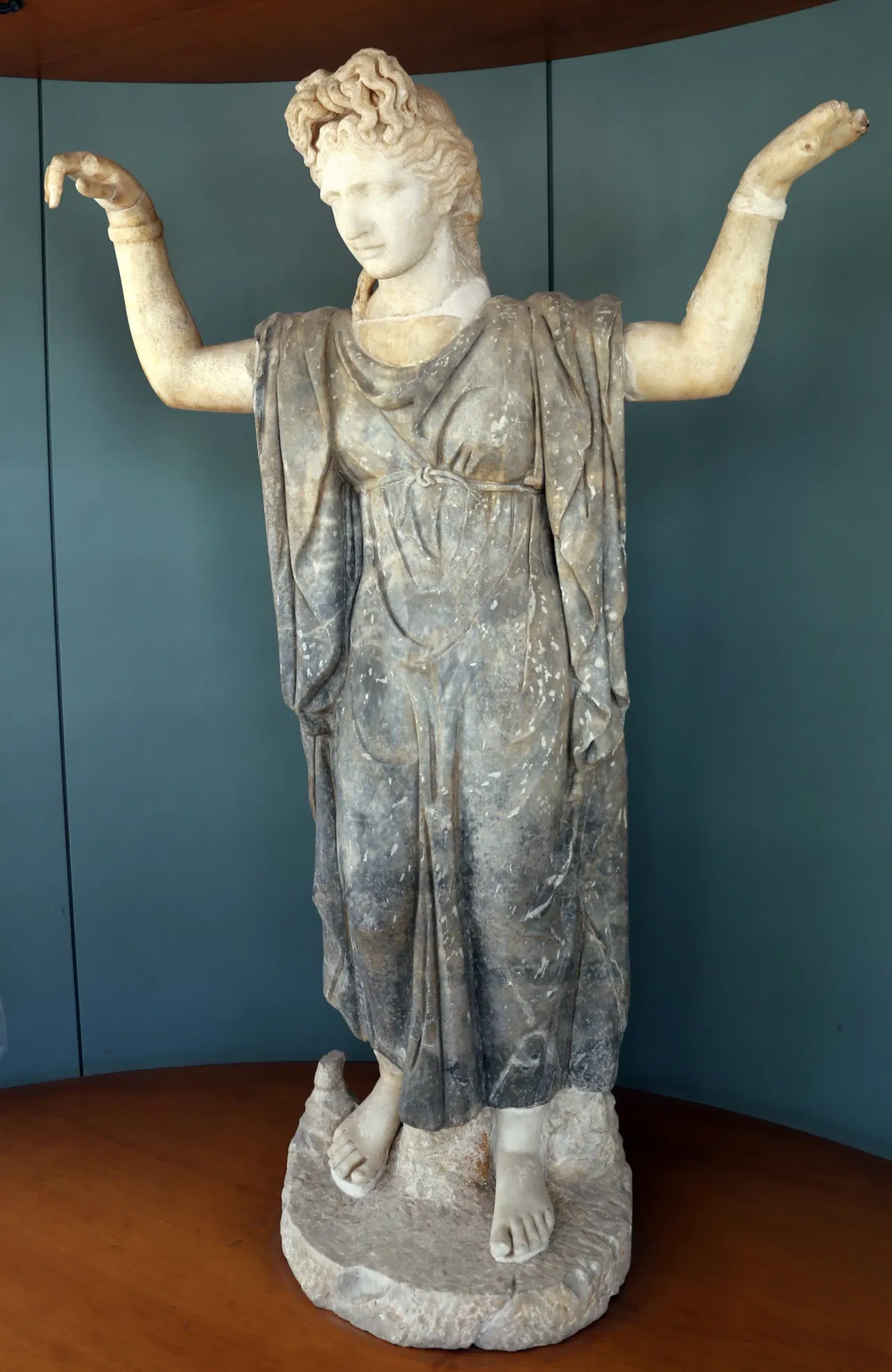
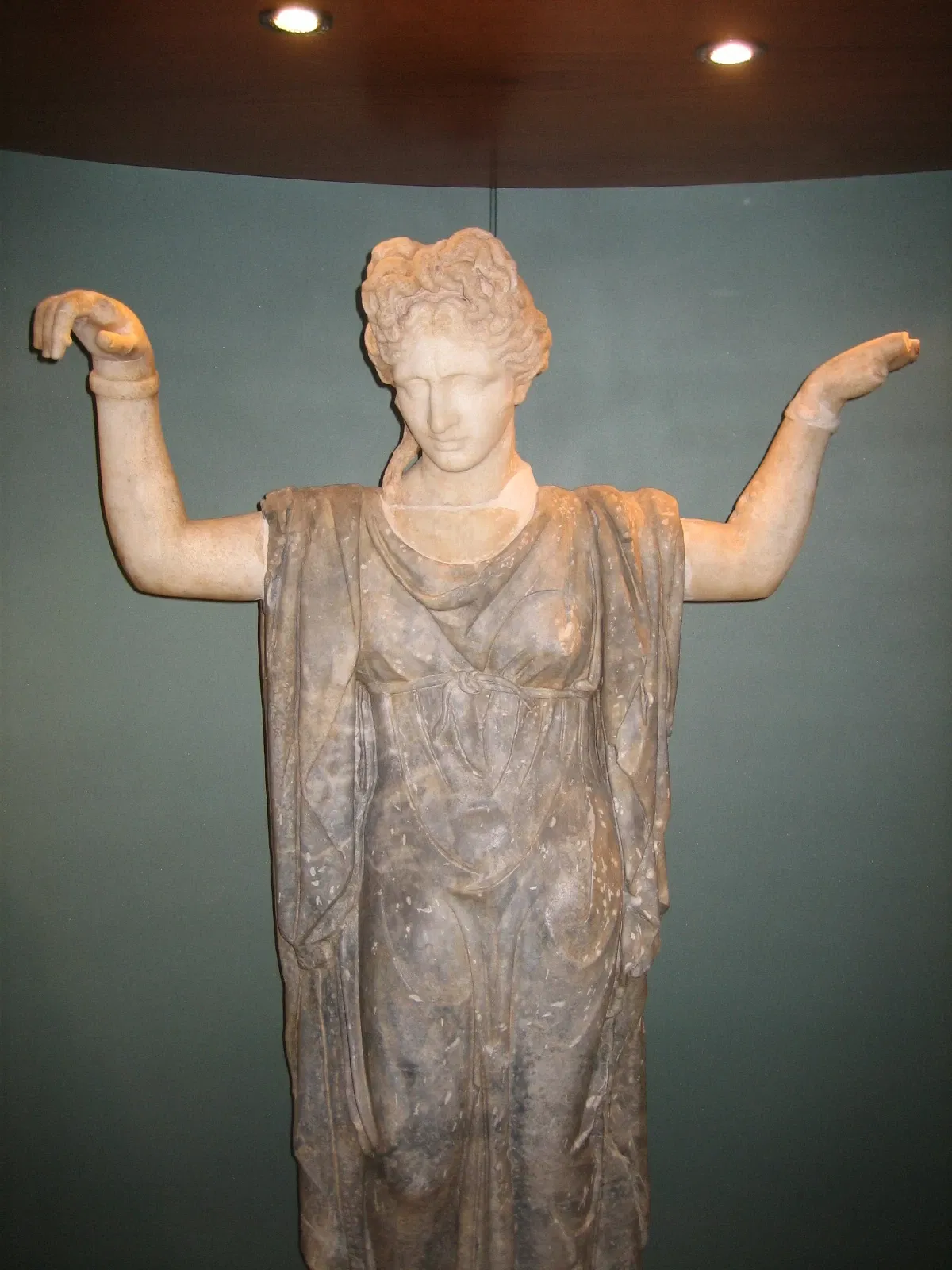
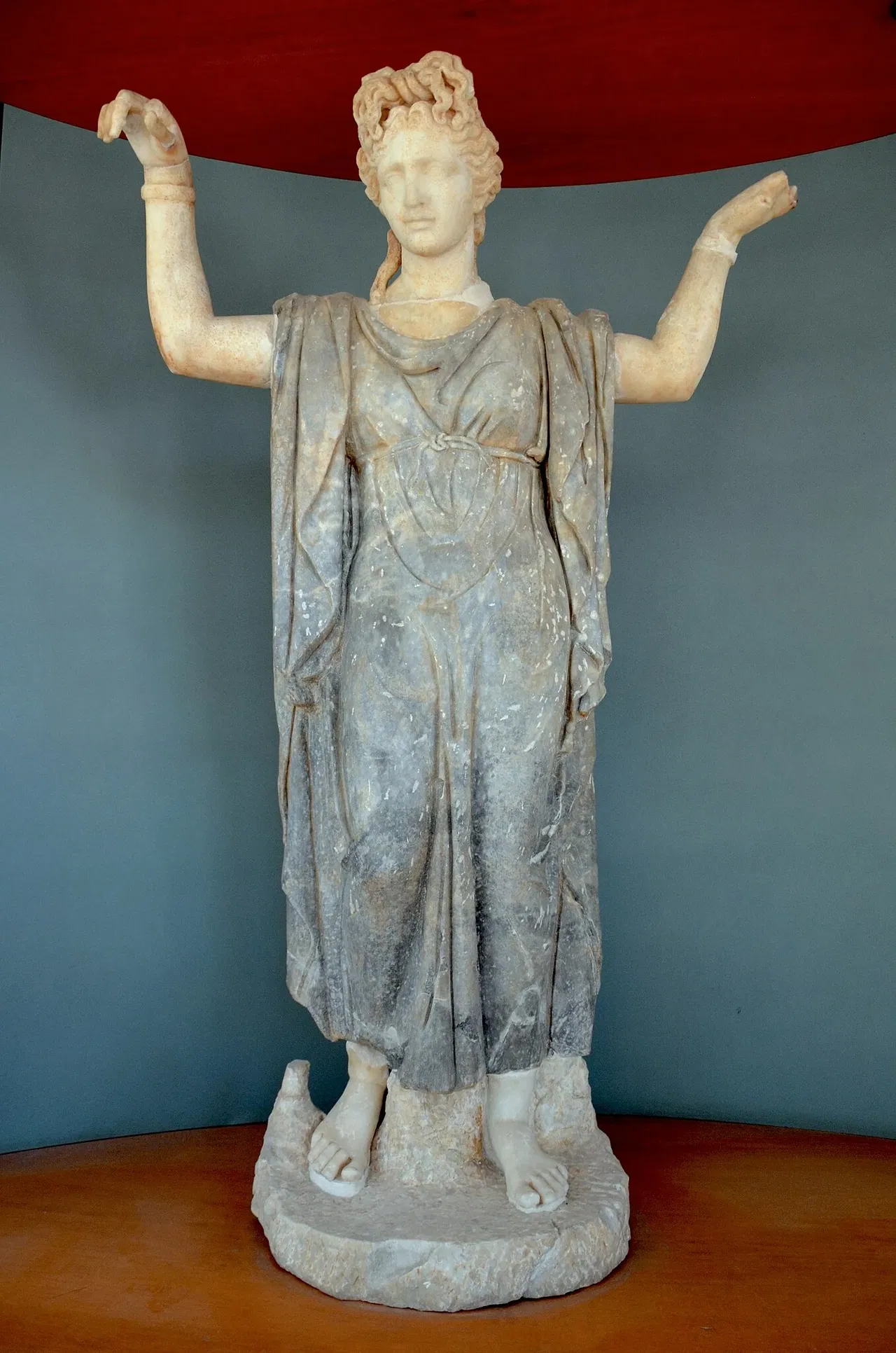

The Villa di Tiberio, located in the town of Sperlonga in the province of Latina, Lazio, is a significant Roman villa that once belonged to the Roman Emperor Tiberius in the 1st century AD. This historical site offers a glimpse into the grandeur of Roman architecture and the lifestyle of its imperial rulers.
Since 1963, the Villa di Tiberio has been a part of the visit route of the National Archaeological Museum of Sperlonga. The Ministry for Cultural Heritage and Activities has been managing the site and museum since December 2014, ensuring the preservation and accessibility of this historical treasure.
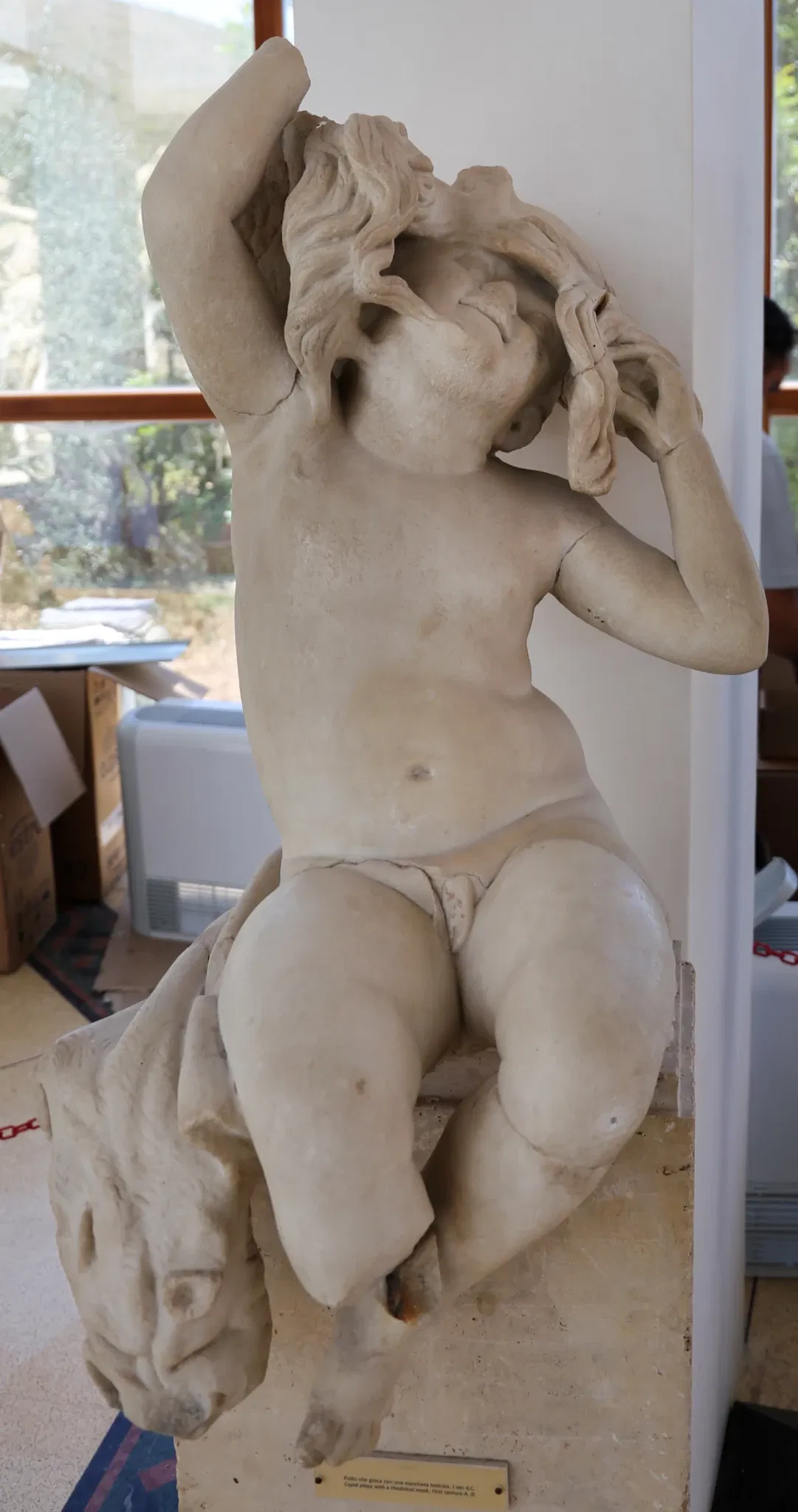
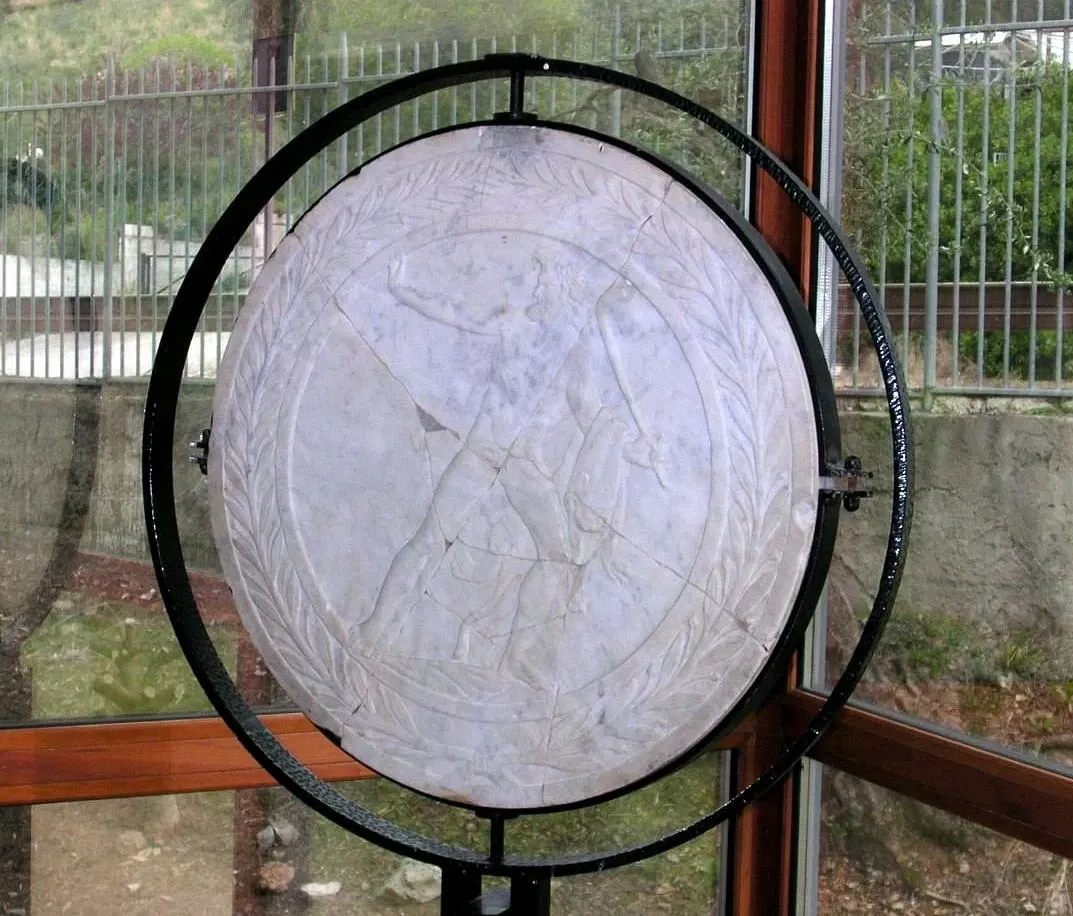
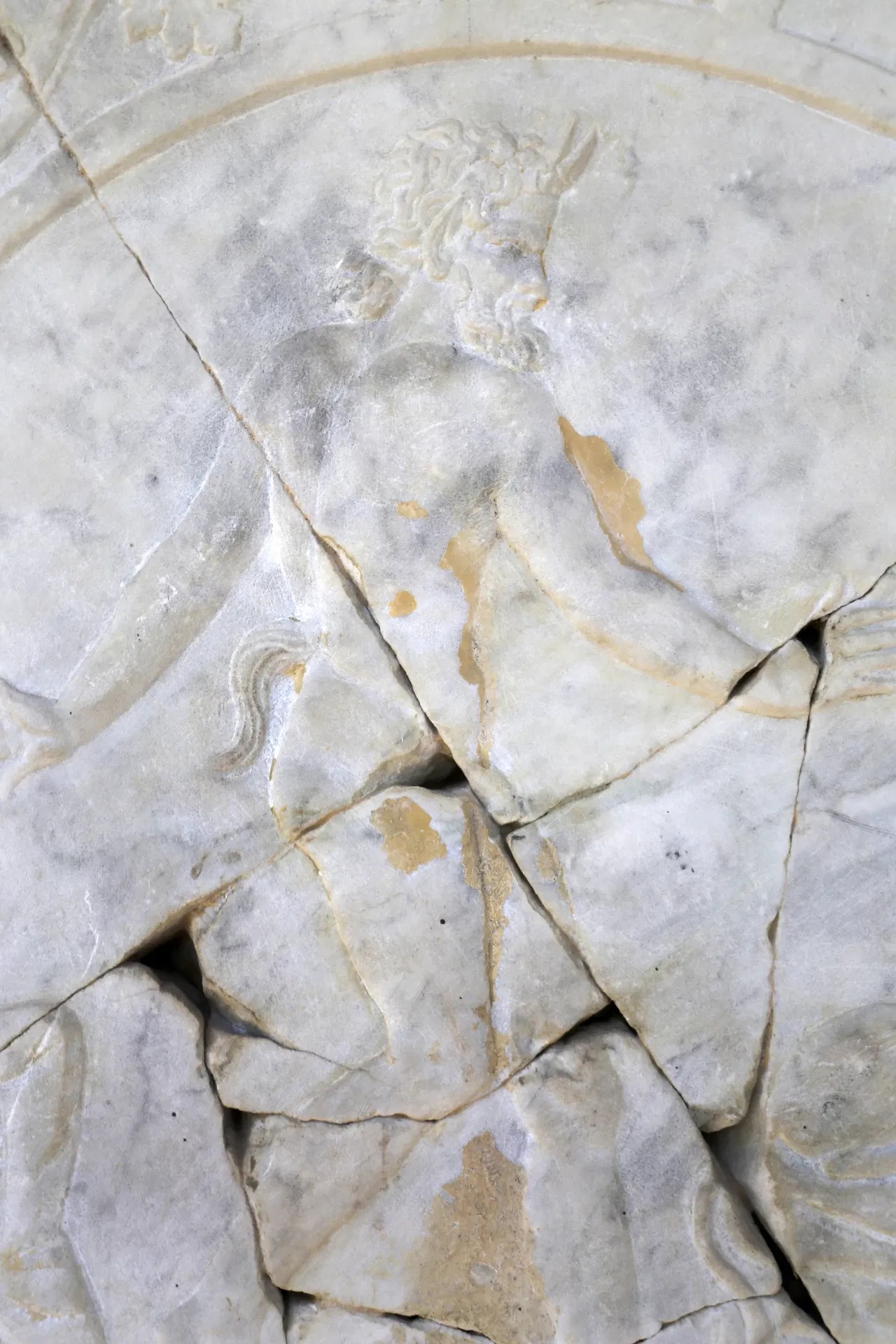
During the construction of the coastal road between Terracina and Gaeta in 1957, a large number of marble fragments were discovered. These fragments, remarkable for the quality of the sculptures and the size of the blocks, turned out to be original Greek works from the Hellenistic period (around 180 BC). This discovery adds a unique historical and artistic value to the site.
History & Anthropology Archaeology Ancient art
Via Flacca, km 16/600, Sperlonga
No exhibitions in Museo Archeologico Nazionale di Sperlonga e Grotta di Tiberio have been found.
Museo Archeologico Nazionale di Sperlonga e Grotta di Tiberio has 1 rating.
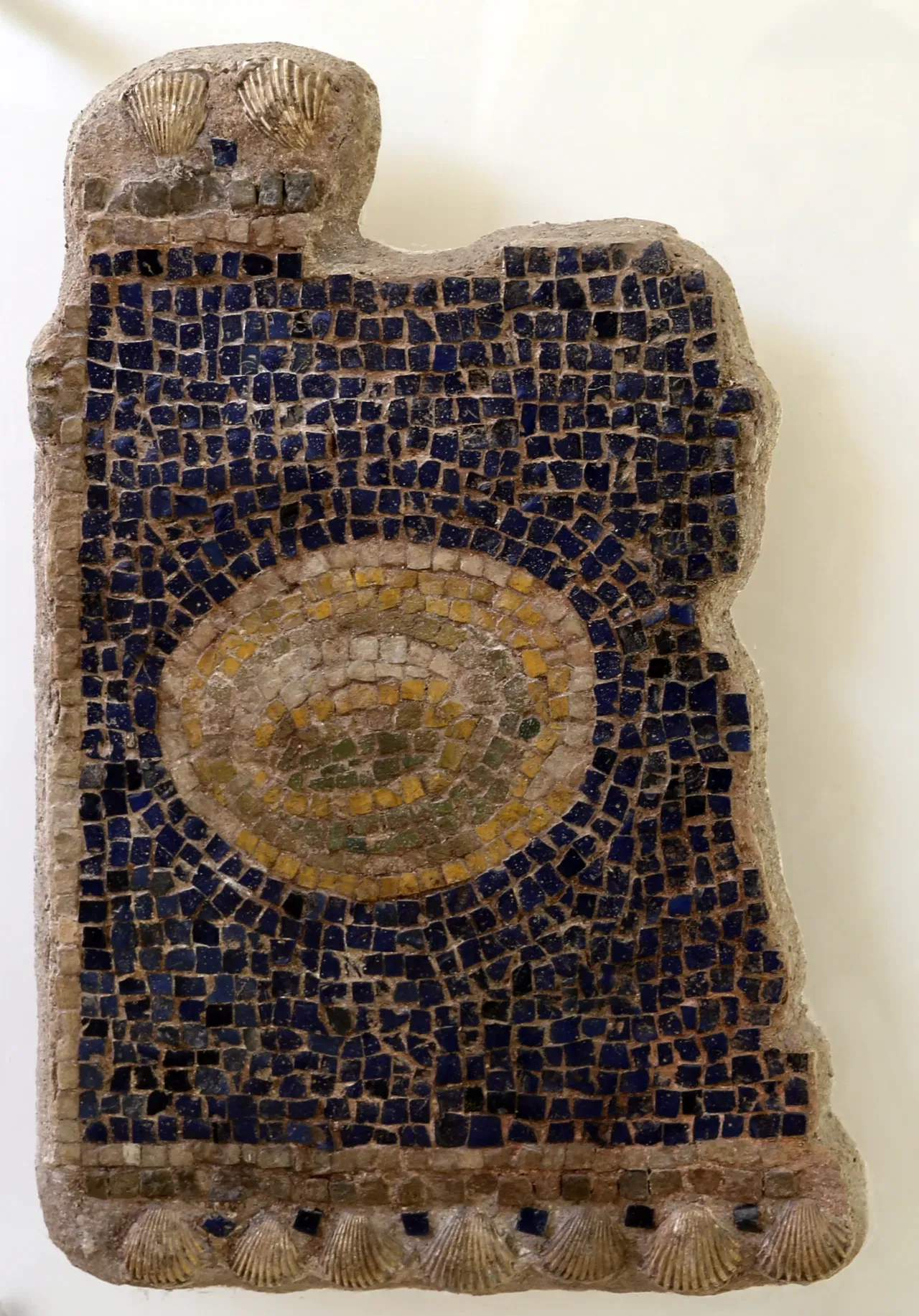
The Museo Archeologico Nazionale di Sperlonga e Grotta di Tiberio offers visitors a compelling look into ancient Roman history and sculpture. Located in the picturesque coastal town of Sperlonga, this museum houses an impressive collection of artifacts discovered in the nearby Grotta di Tiberio (Tiberius' Grotto).
The museum's main attraction is the set of large-scale sculptural groups that once adorned Emperor Tiberius' seaside villa and grotto. These marble sculptures, depicting scenes from Homer's Odyssey, are particularly noteworthy for their artistic quality and historical significance. Visitors often appreciate the opportunity to see these well-preserved pieces up close.
The museum does a commendable job of providing context for the artifacts through informative displays and explanations. However, some visitors note that more comprehensive English translations would enhance the experience for international tourists.
The adjacent Grotta di Tiberio adds an extra layer of interest to the visit. This natural cave, which served as a dining area for the emperor, allows visitors to imagine the opulence of ancient Roman life. The integration of the museum with the archaeological site is generally praised.
On the downside, some visitors mention that the museum is relatively small and can be explored quickly. Additionally, accessibility might be an issue for some, as reaching the grotto involves walking down steep steps.
Overall, the Museo Archeologico Nazionale di Sperlonga e Grotta di Tiberio provides a valuable and engaging experience for those interested in Roman history and art. Its unique combination of museum exhibits and an archaeological site makes it stand out among similar institutions.
This rating is based on the rating of this museum on several other platforms.