Images of Lieu de Mémoire
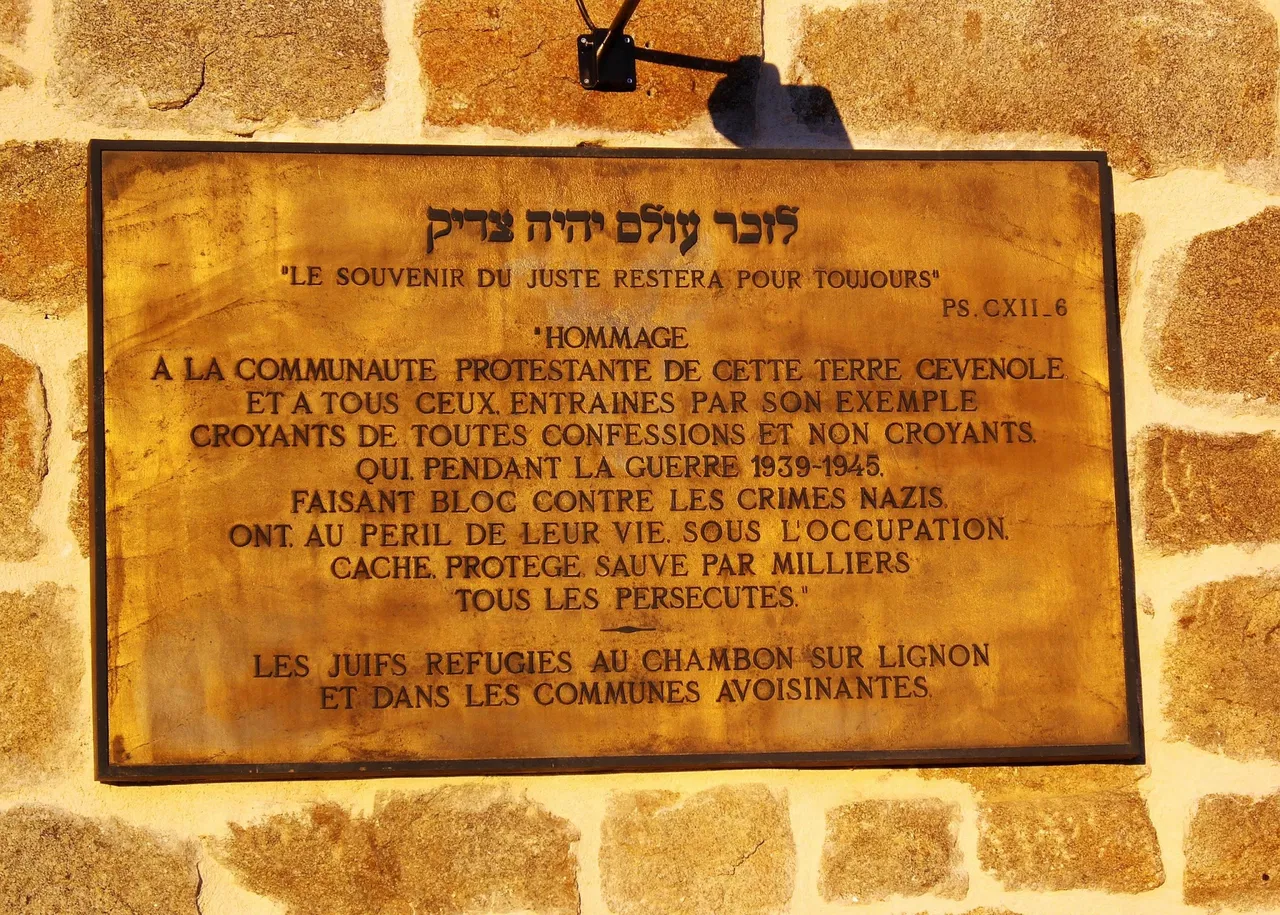

The Lieu de Mémoire in Le Chambon-sur-Lignon is a memorial space located in Haute-Loire, France. It is dedicated to the history of the Righteous and the resistances during World War II. This museum brings together traces of the collective civil disobedience of the inhabitants of the Plateau and their rescue of Jews during World War II.
The museum mentions the names of the ninety people proclaimed 'righteous' by the Yad Vashem memorial. These include community leaders such as pastors Trocmé and Theis, Mayor Guillon, and teacher Roger Darcissac. It explains the context and emphasizes that it was the entire plateau, beyond even the commune of Le Chambon, that was involved in these discreet acts of heroism.
Since 2013, the Lieu de Mémoire has hosted numerous temporary exhibitions. These have included works by Avigdor Arikha, Marc Riboud, and Marc Chagall. These exhibitions provide a deeper understanding of the history and culture of the region and its people.
History & Anthropology
low season: from 1 March to 30 April, then from 1October to 30 November: from Wednesday to Saturday from 2 pm to 6 pm.
High season: from 1 May to 30 September: every day, except Monday: from 10 am to 12:30 pm and from 2 pm to 6 pm (open at lunchtime during the summer period)
Route du Mazet 23, Le Chambon-sur-Lignon
No exhibitions in Lieu de Mémoire have been found.
Lieu de Mémoire has 1 rating.
The Lieu de Mémoire in Le Chambon-sur-Lignon, France, is a small but impactful museum that commemorates the courageous efforts of local residents during World War II. The museum focuses on the history of how the people of Le Chambon-sur-Lignon and surrounding villages saved thousands of Jews from Nazi persecution.
Visitors often appreciate the museum's clear and informative exhibits, which effectively tell the story of the area's resistance and humanitarian efforts. The displays include personal accounts, photographs, and artifacts that provide a poignant and educational experience. Many find the museum to be a moving tribute to the bravery and compassion of ordinary people in extraordinary circumstances.
The museum is relatively small, which some visitors see as a limitation. However, others argue that its compact size allows for a more focused and intimate experience. The information is presented in both French and English, making it accessible to a wider audience.
Some visitors note that the museum can be emotionally challenging due to the nature of its content, but most agree that it's an important place for reflection and learning about this significant period in history.
While the museum itself may not take long to explore, many visitors recommend taking the time to watch the accompanying documentary and to explore the surrounding area, which played a crucial role in the events commemorated by the museum.
This rating is based on the rating of this museum on several other platforms.