Images of Caves of Isturitz and Oxocelhaya
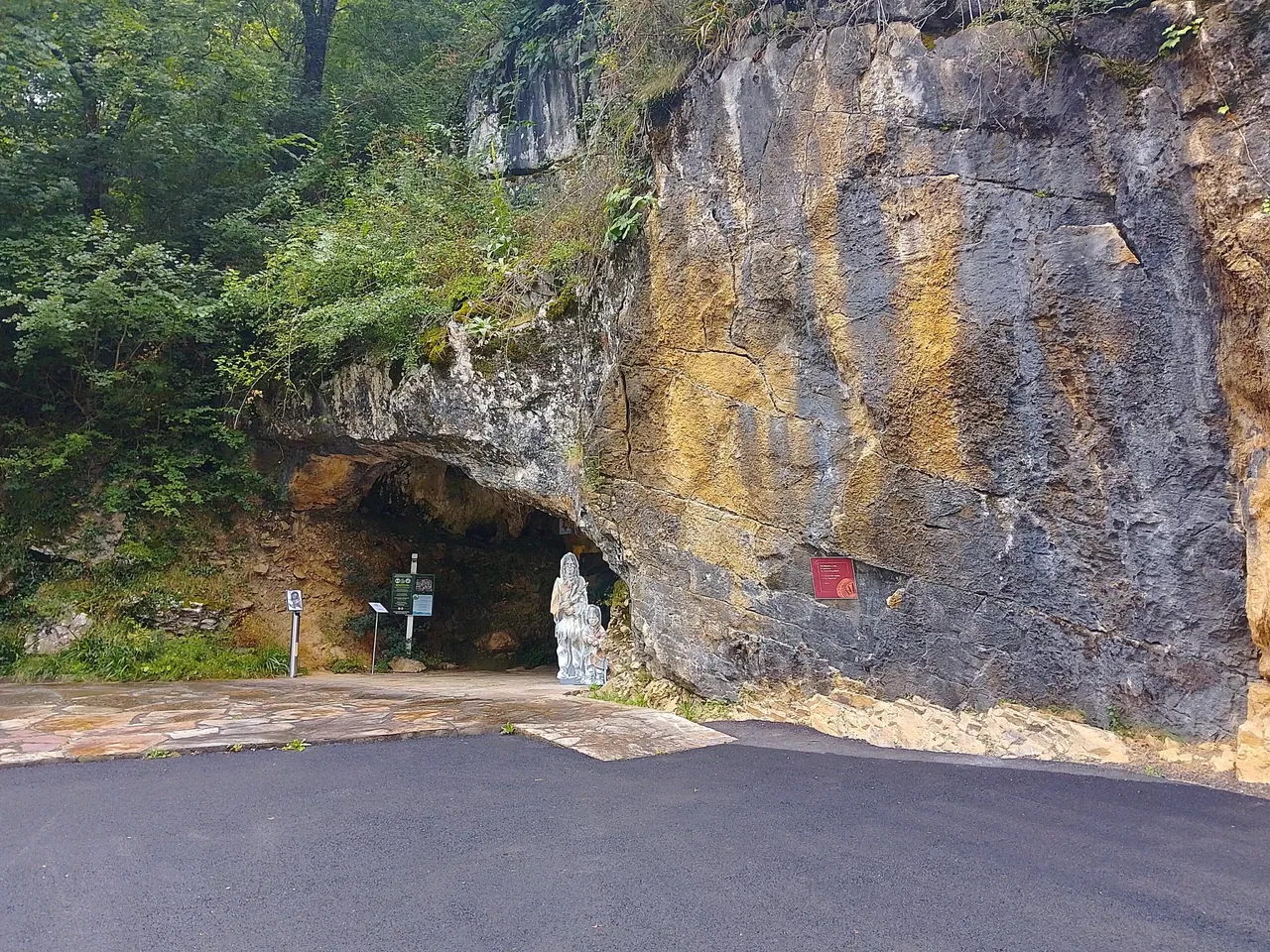

The Isturitz and Oxocelhaya caves are a significant Paleolithic site, known for the discovery of a Neanderthal mandible and other modern human finds associated with the Aurignacian, Solutrean, and Magdalenian periods. These discoveries provide a glimpse into the lives of early humans and their evolution over time.
The Isturitz and Oxocelhaya caves are situated in the Gaztelu hill in the Arberoue Valley, nestled in the foothills of the Pyrenees in Lower Navarre. This region is a traditional part of the department of Pyrénées-Atlantiques in southwestern France and is part of the French Basque Country.
The most common human remains found in the Isturitz caves are cranial vaults. These have been cut-marked and modified to create drinking cups, known as 'coupelles'. These artifacts date back to the Magdalenian period, approximately 15 to 12,000 years ago.
Quartier Hiribehere, Saint-Martin-d'Arberoue
No exhibitions in Caves of Isturitz and Oxocelhaya have been found.
Caves of Isturitz and Oxocelhaya has 1 rating.
The Caves of Isturitz and Oxocelhaya offer visitors a journey through prehistoric times in the heart of the French Basque Country. These caves, known for their rich archaeological findings, provide an insightful look into human habitation from the Middle Paleolithic to the Roman era.
Visitors often praise the guided tours, which are informative and engaging. The guides are knowledgeable and passionate, explaining the cave formations, prehistoric art, and archaeological discoveries in detail. The caves themselves are impressive, with their natural beauty and historical significance leaving a lasting impression on many guests.
One of the highlights is the opportunity to see authentic prehistoric artwork and tools in their original setting. The acoustics in certain parts of the caves, particularly in Isturitz, are noted as remarkable, with some areas believed to have been used for ancient musical performances.
However, some visitors mention that the tours can be quite long, lasting up to 2.5 hours, which might be challenging for those with mobility issues or young children. The caves can also be cool and damp, so appropriate clothing is recommended.
Access to the caves is by guided tour only, which some find restrictive, but most agree it's necessary for preservation. A few reviewers note that photography is not allowed inside the caves, which can be disappointing for some.
Despite these minor inconveniences, the majority of visitors find the experience educational and awe-inspiring. The caves offer a tangible connection to our prehistoric ancestors and provide a deeper understanding of early human culture and art.
This rating is based on the rating of this museum on several other platforms.
Discover museums near Caves of Isturitz and Oxocelhaya in or around Saint-Martin-d'Arberoue.