Images of Benedictine Palace
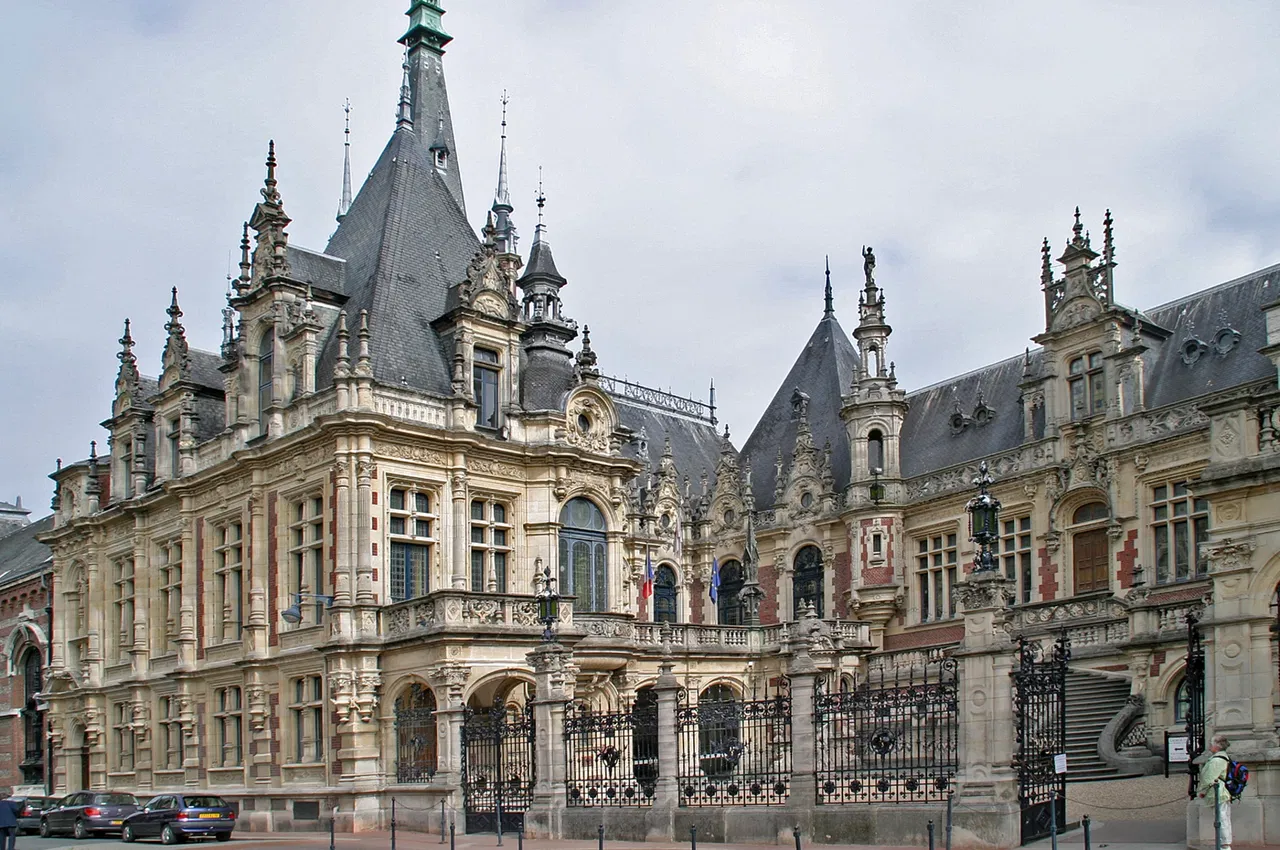
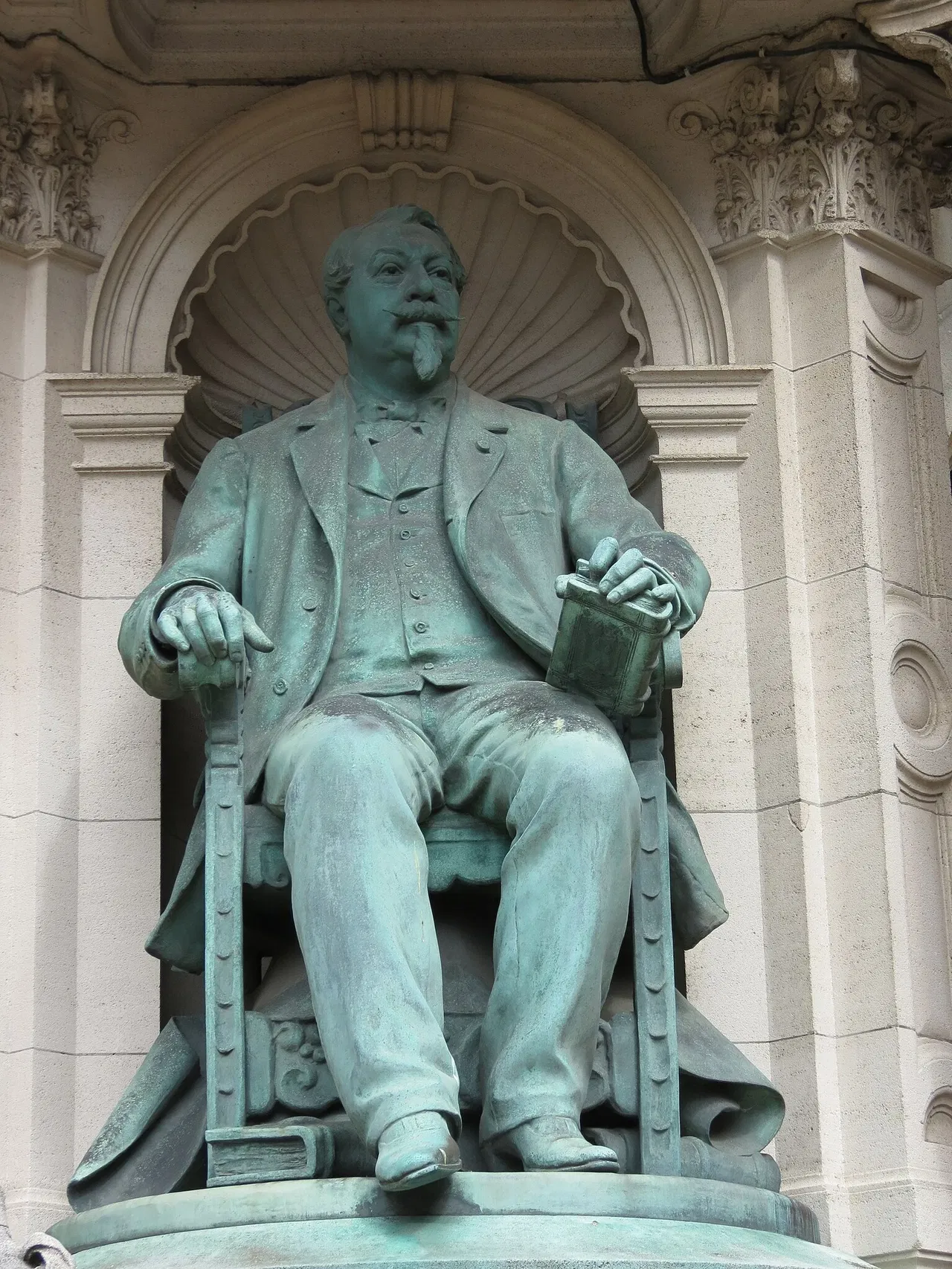
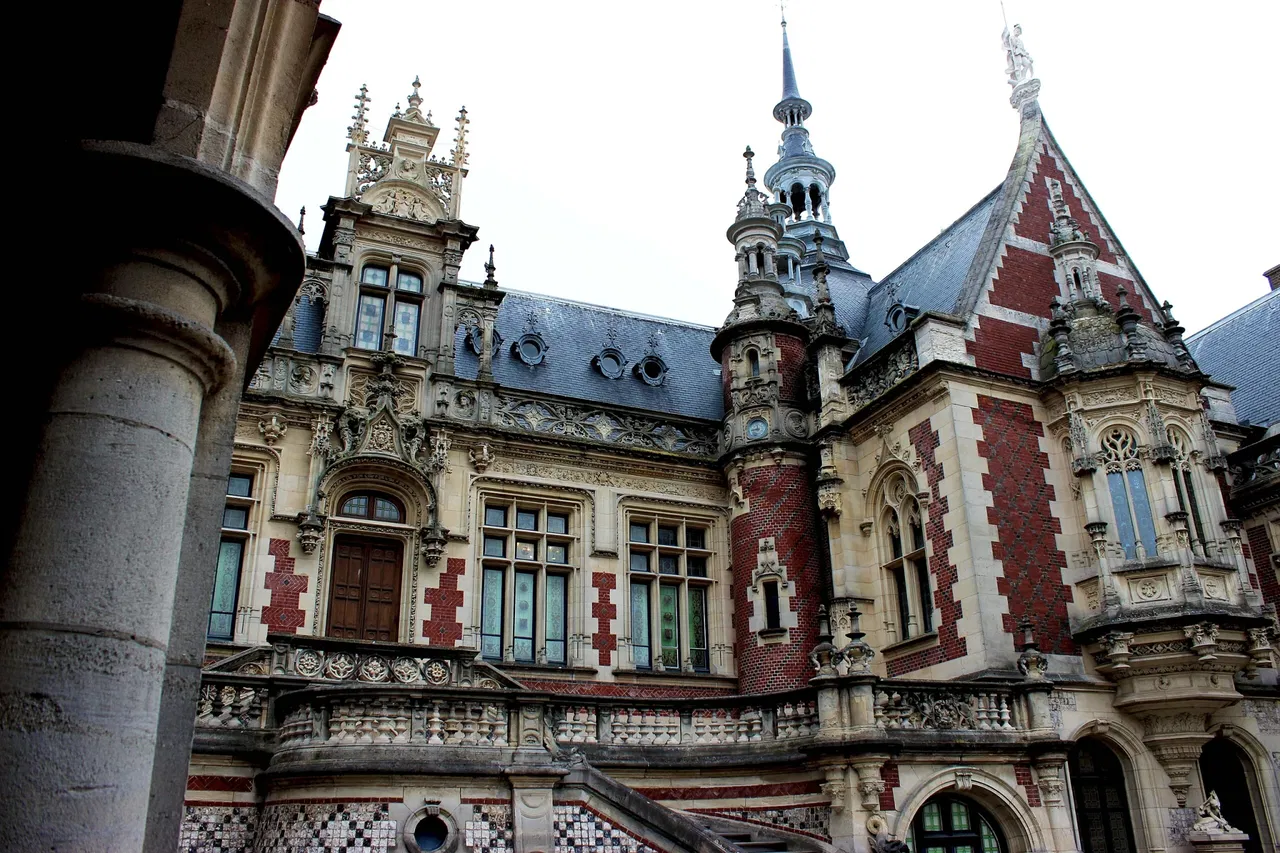
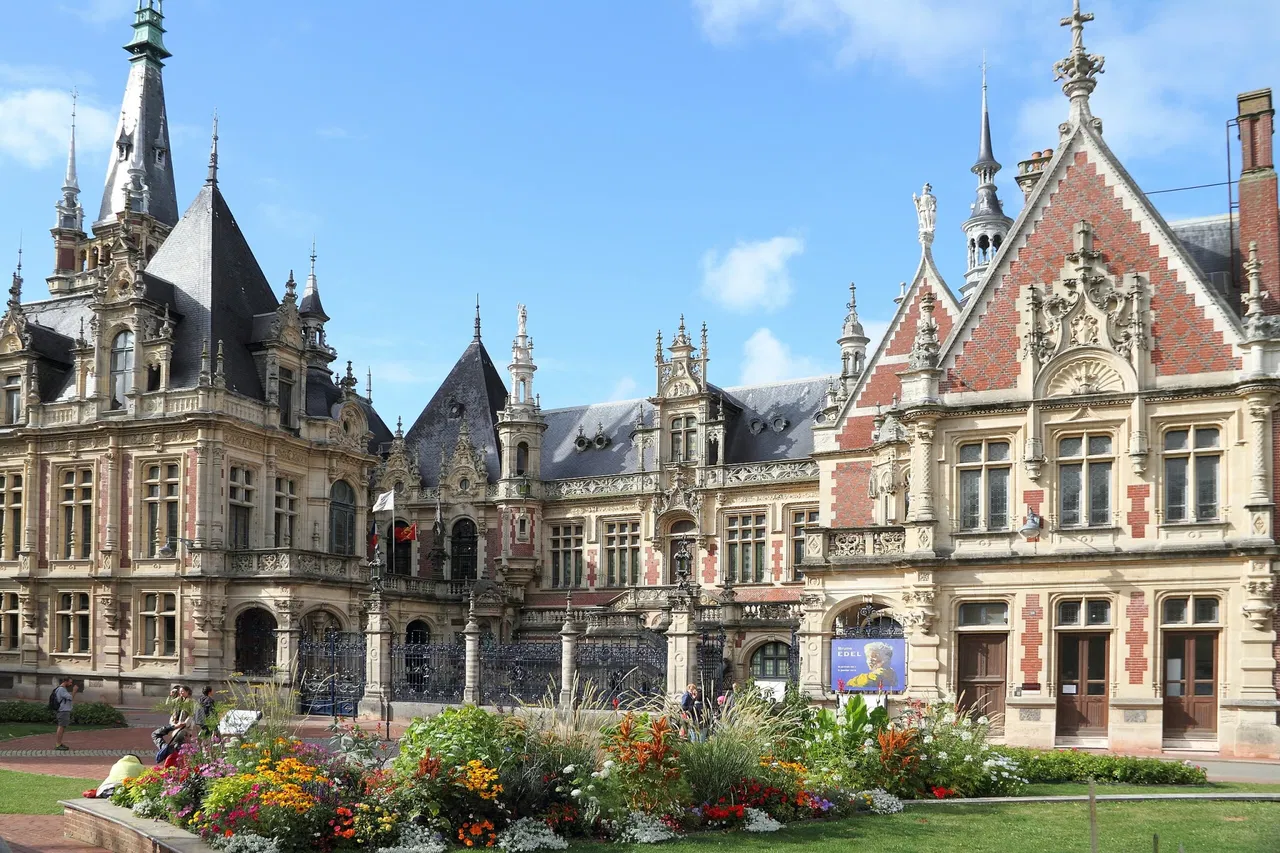
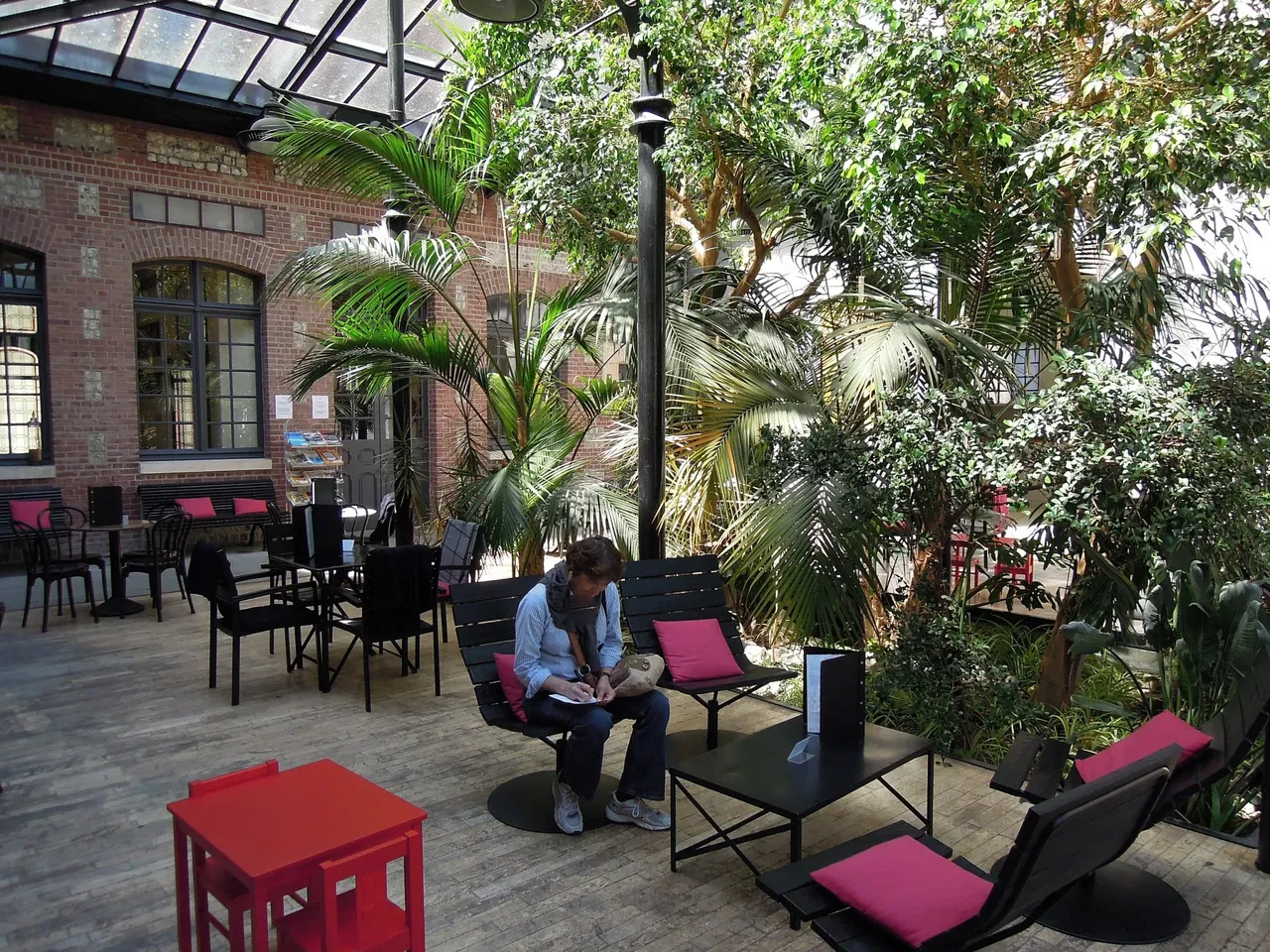
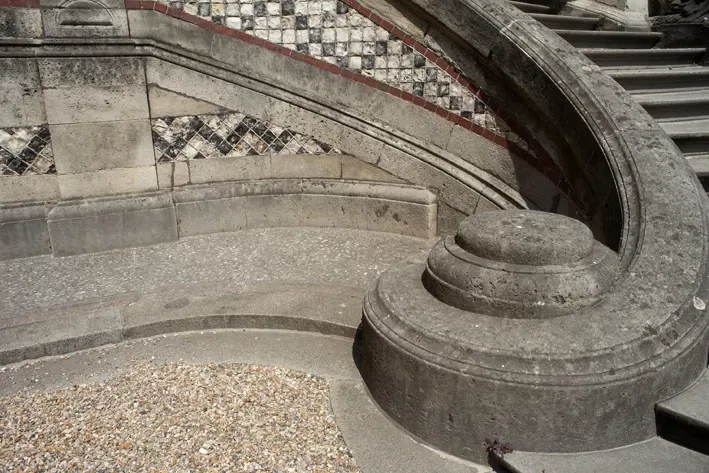
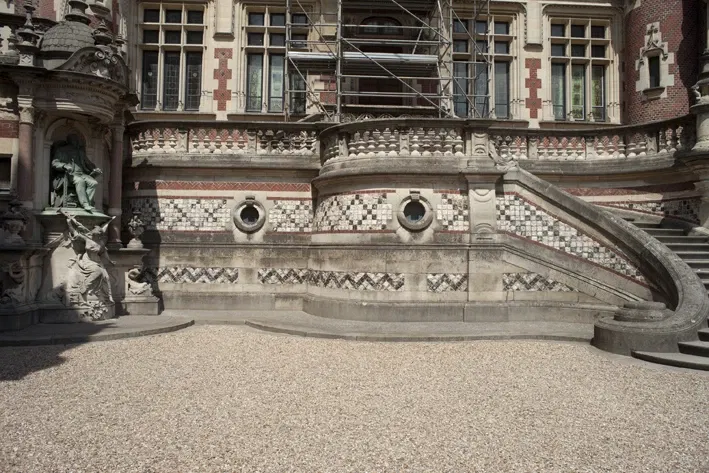
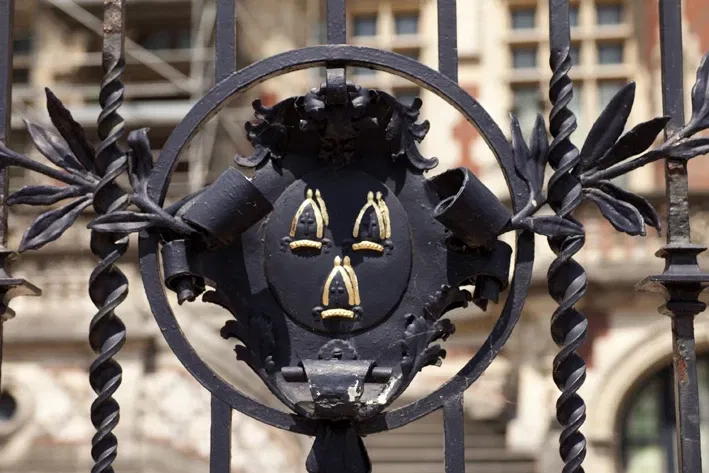
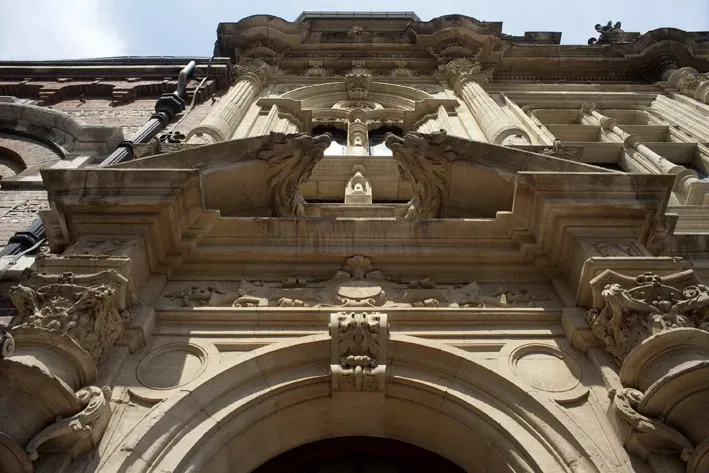
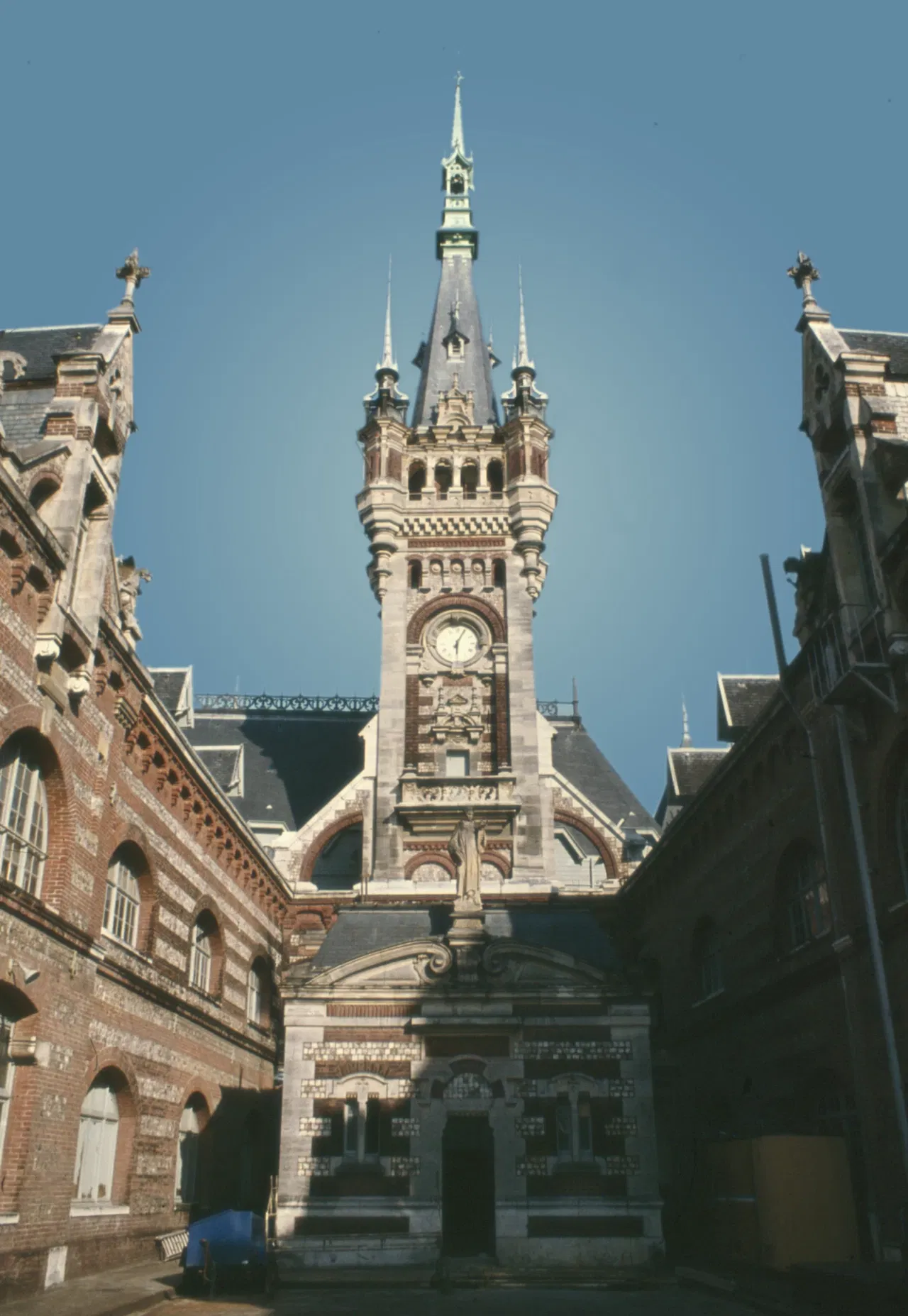
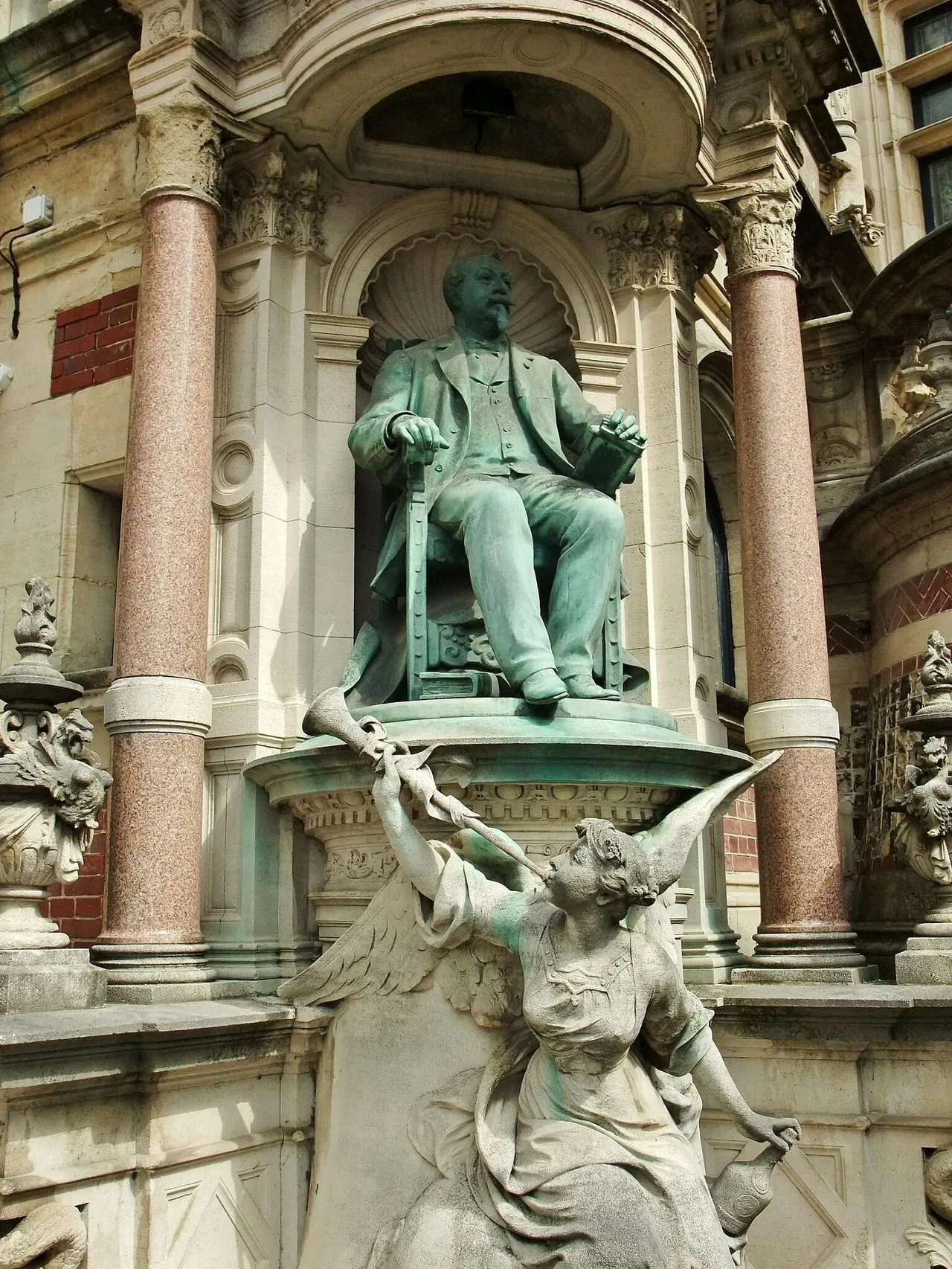
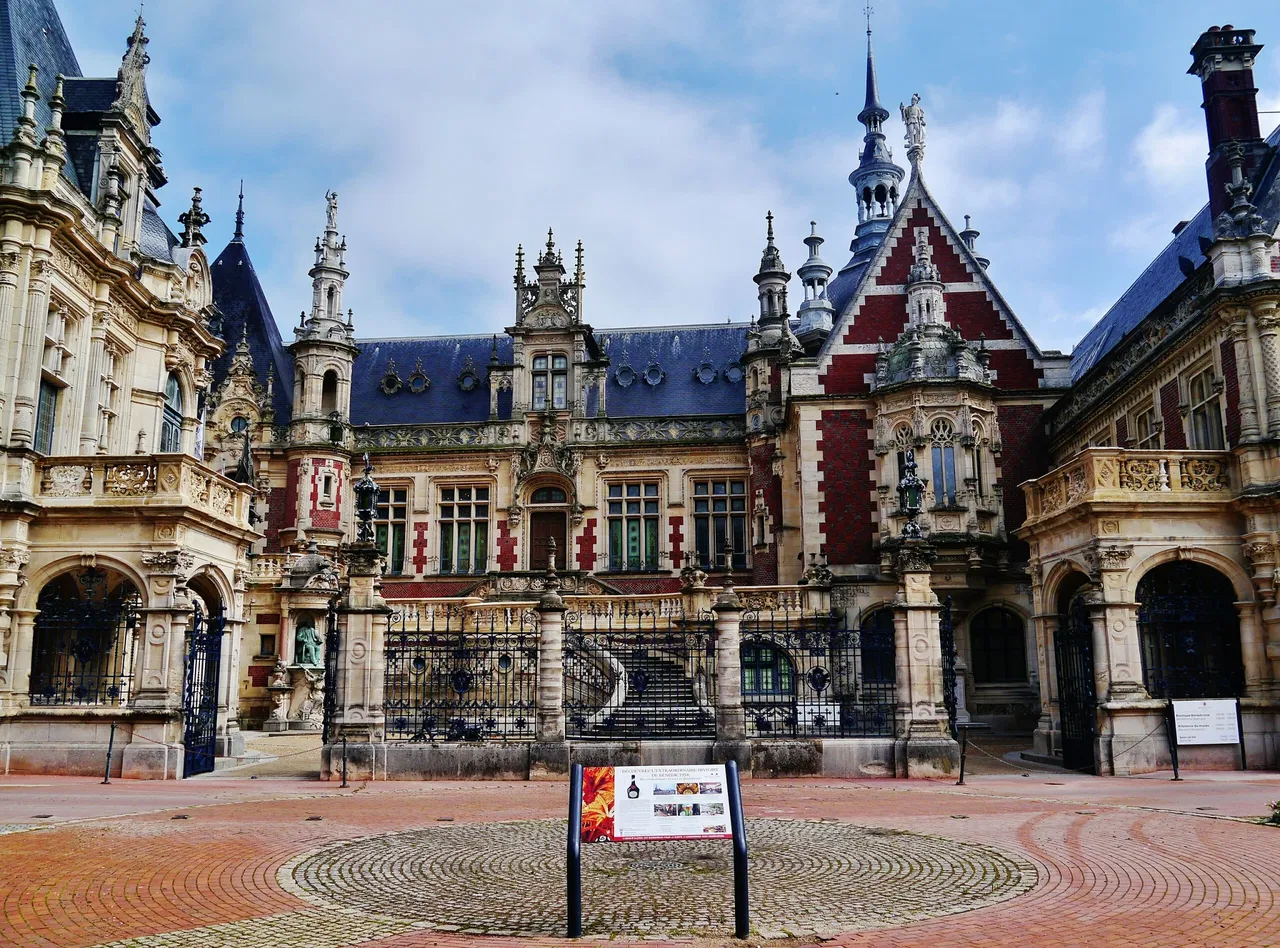
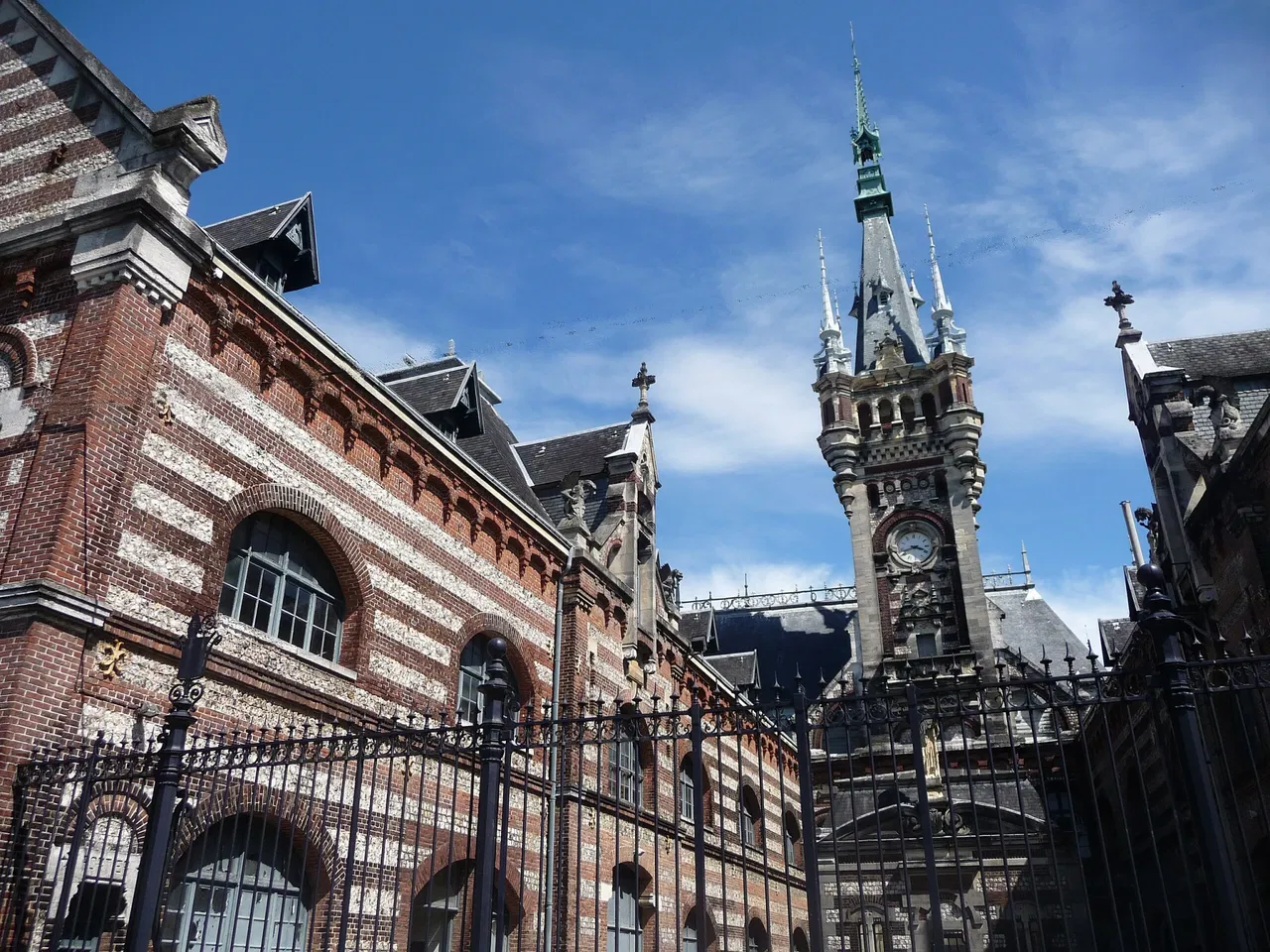
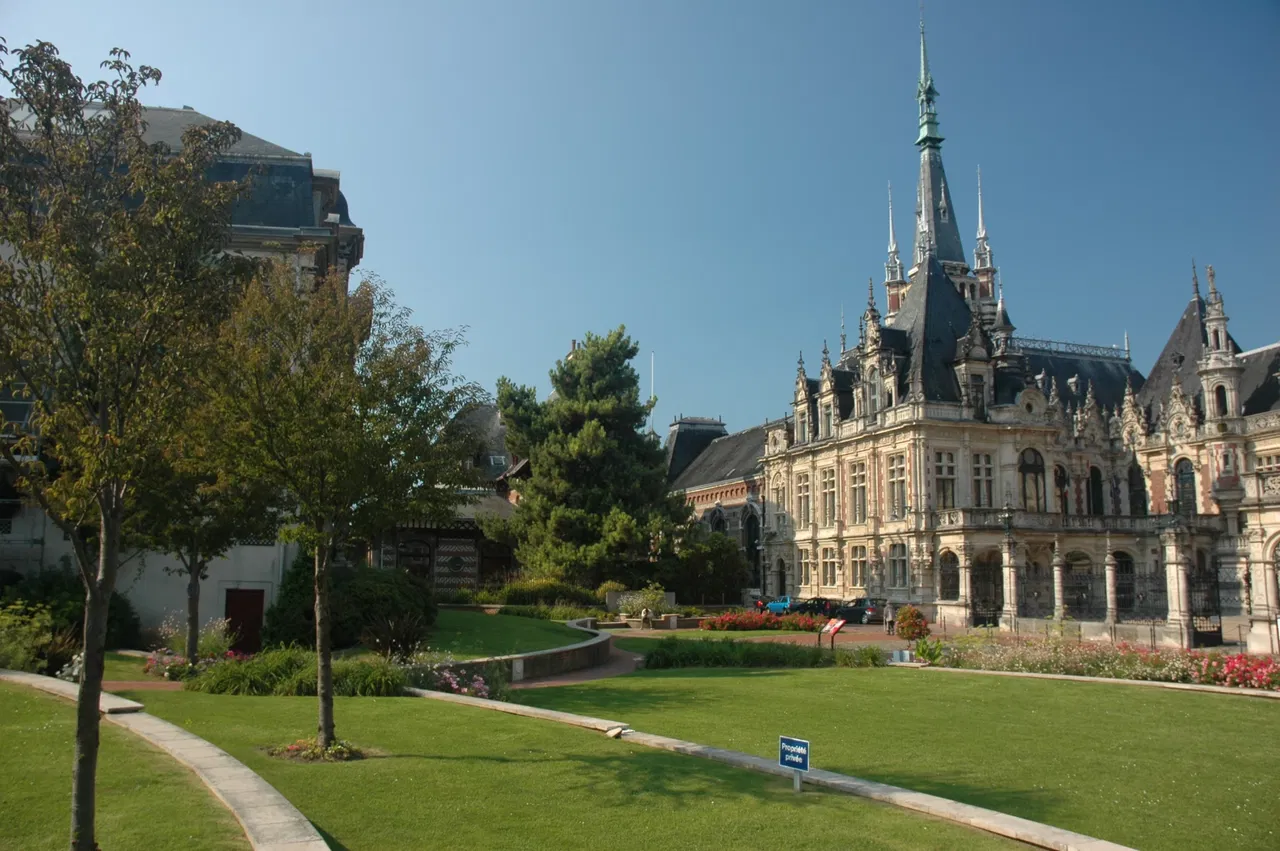
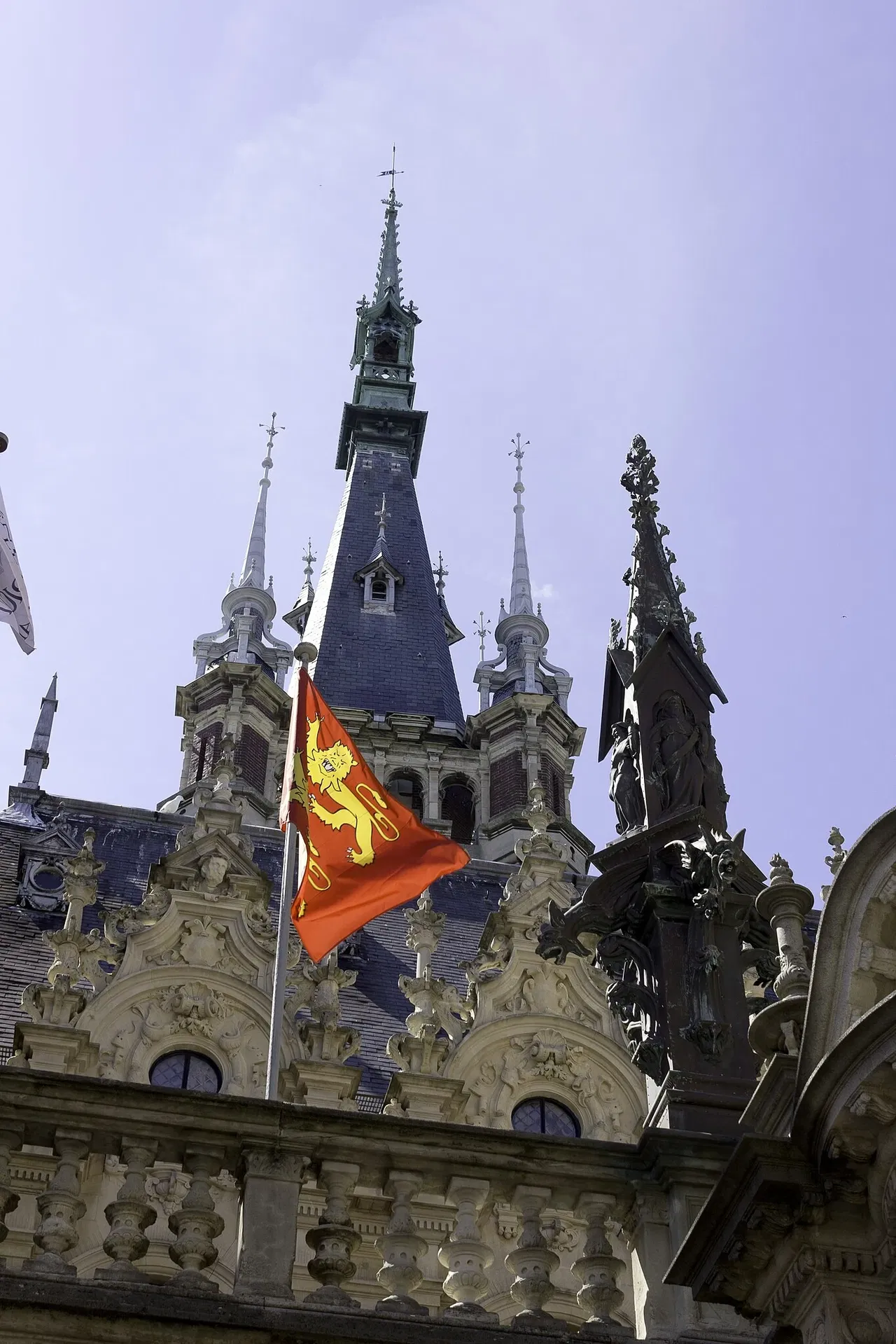
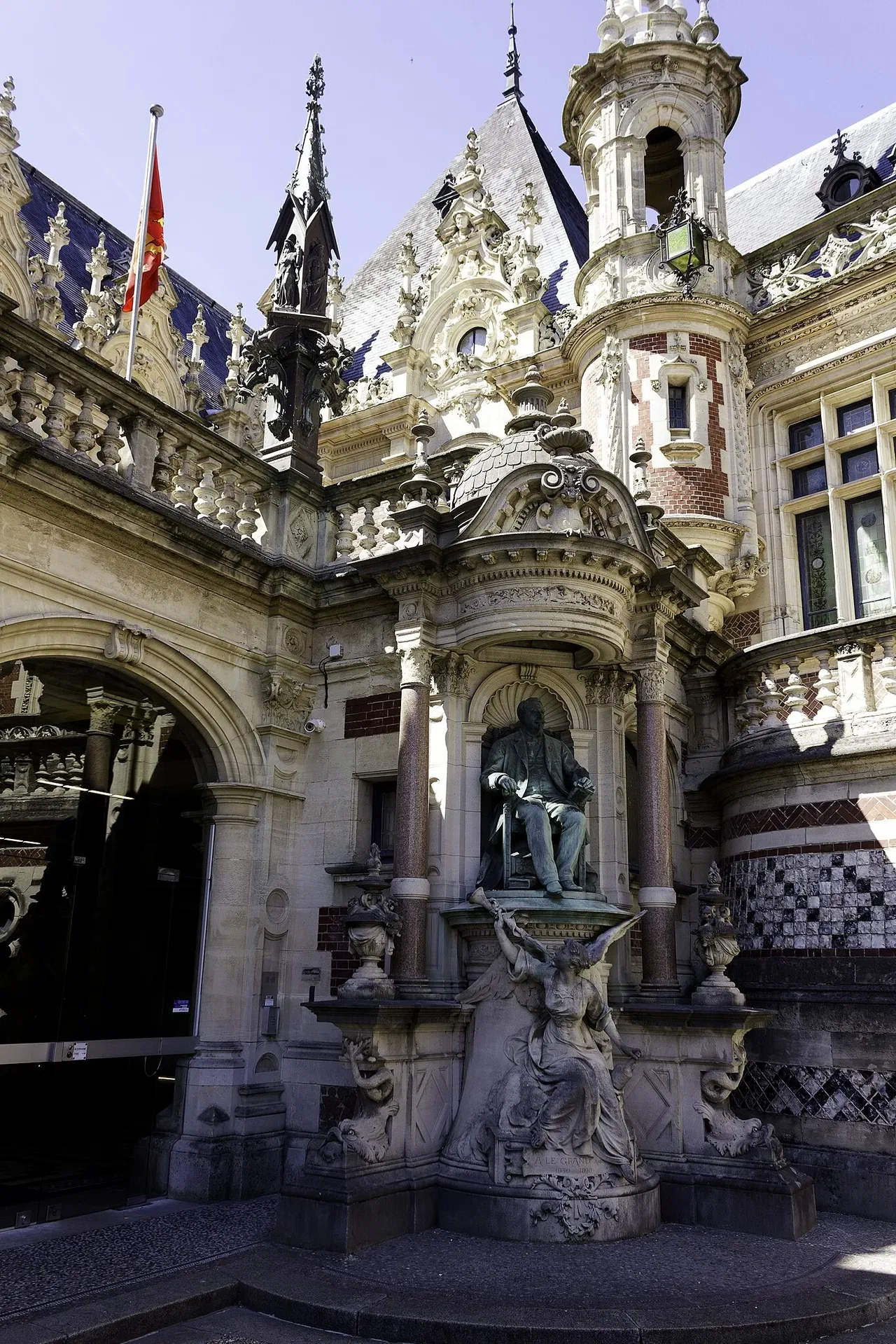
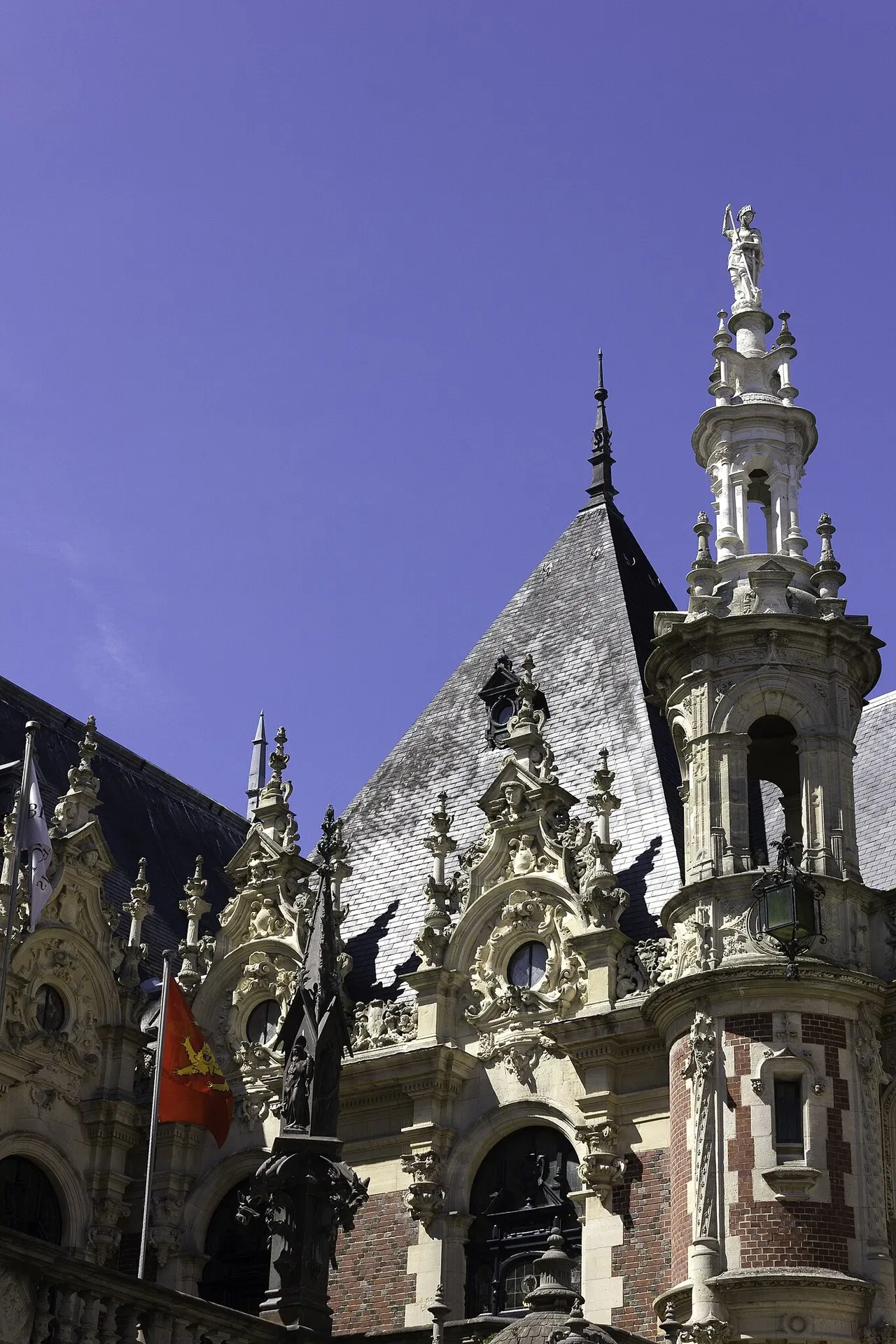
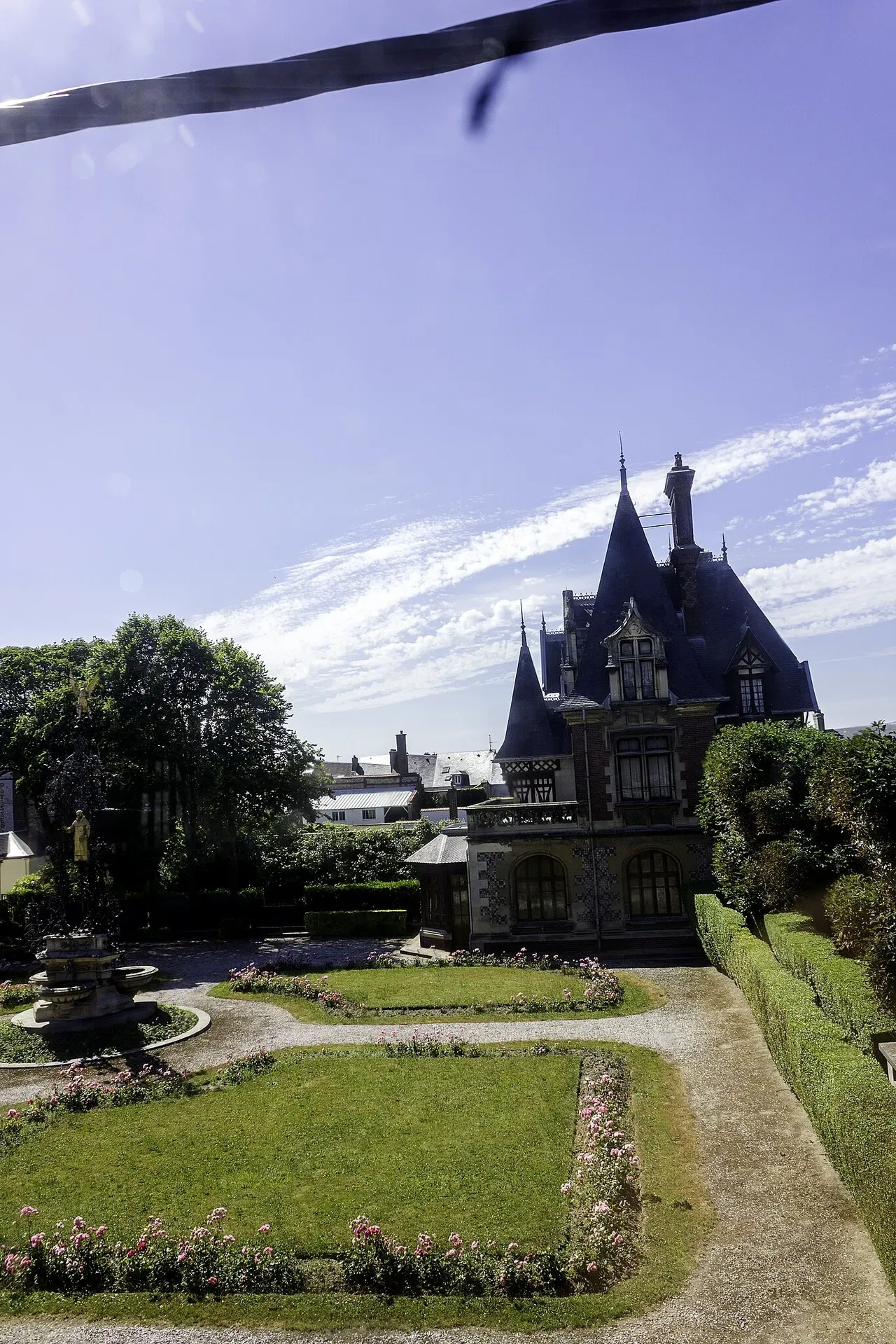
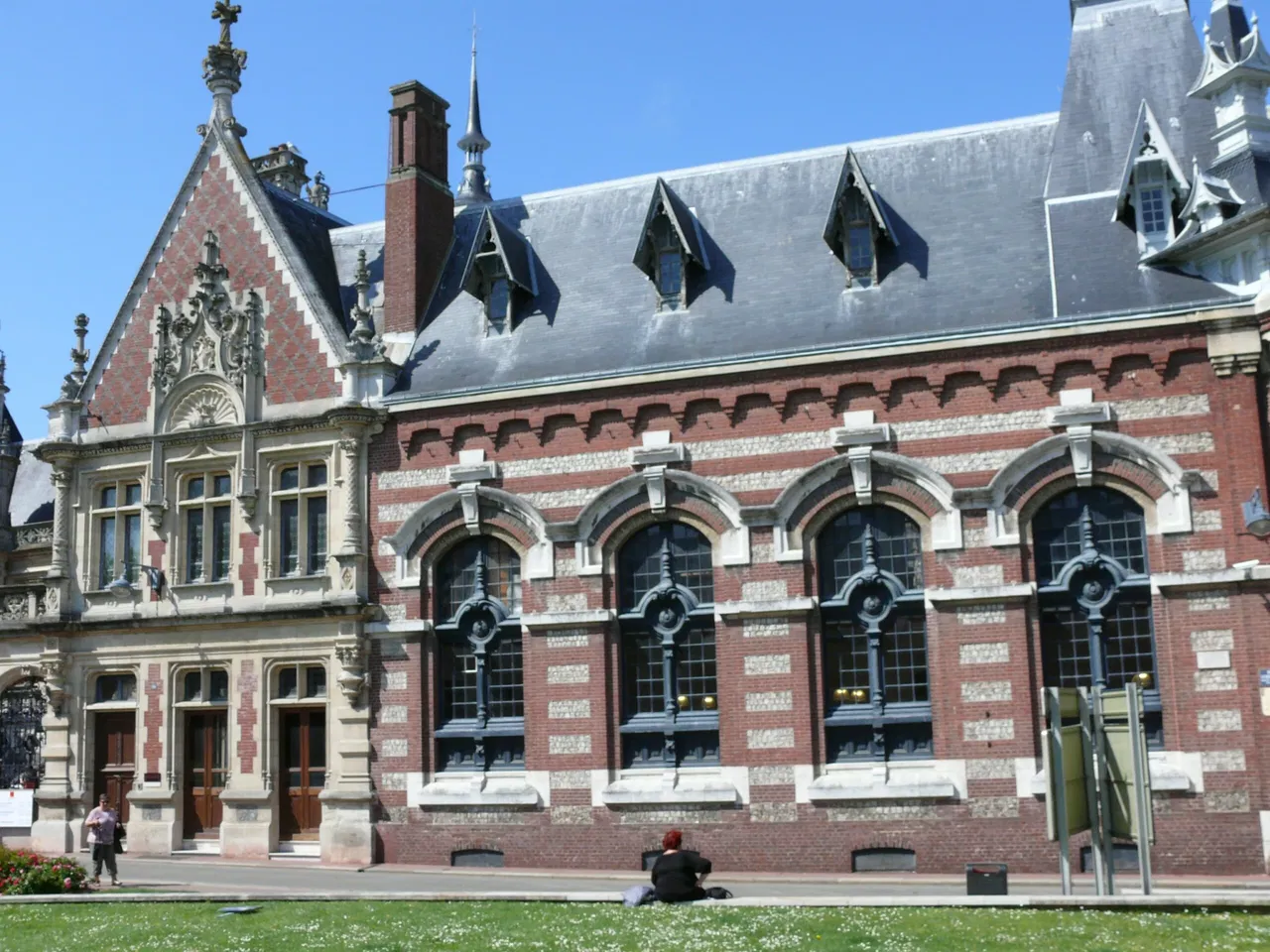
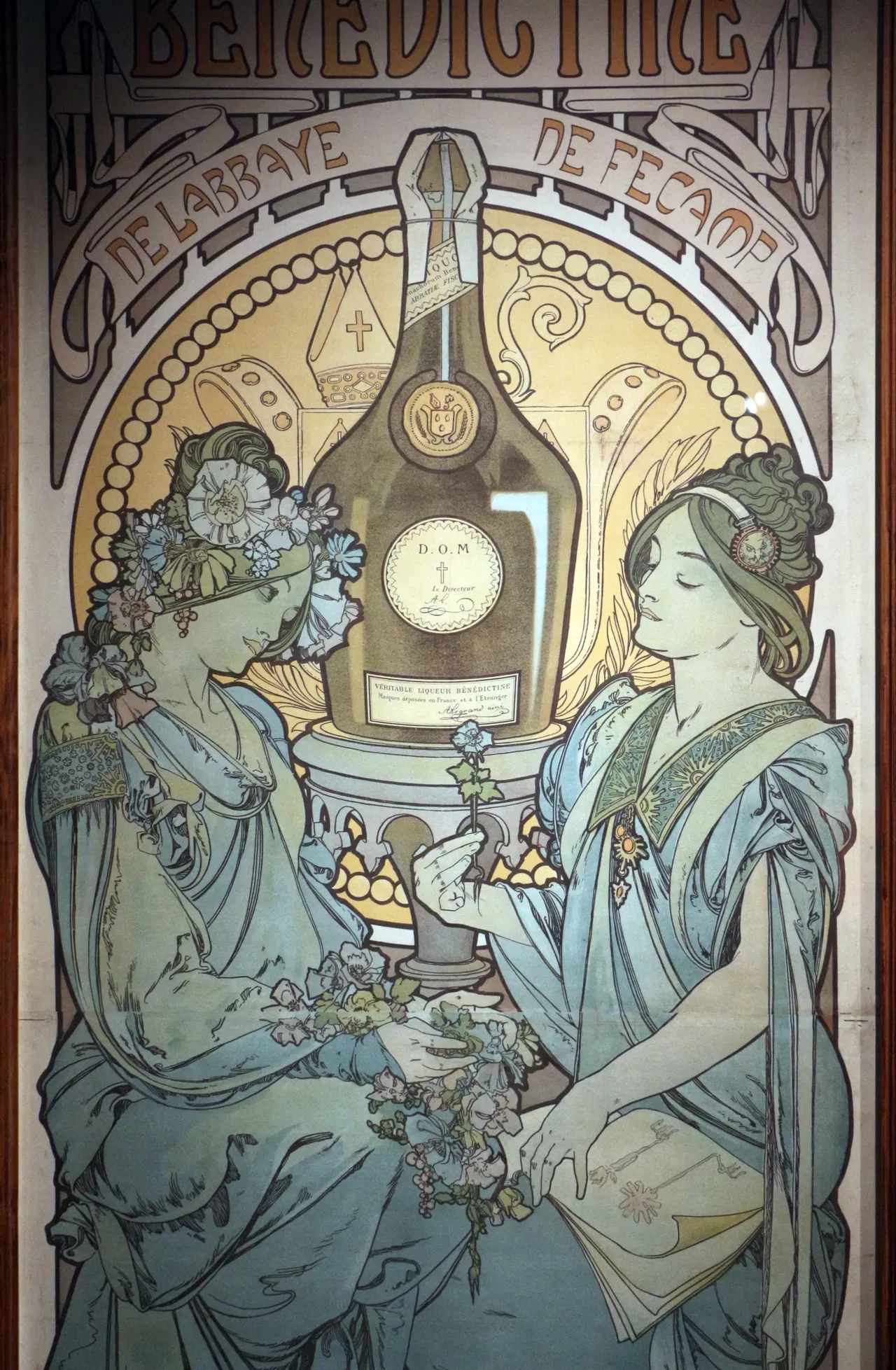
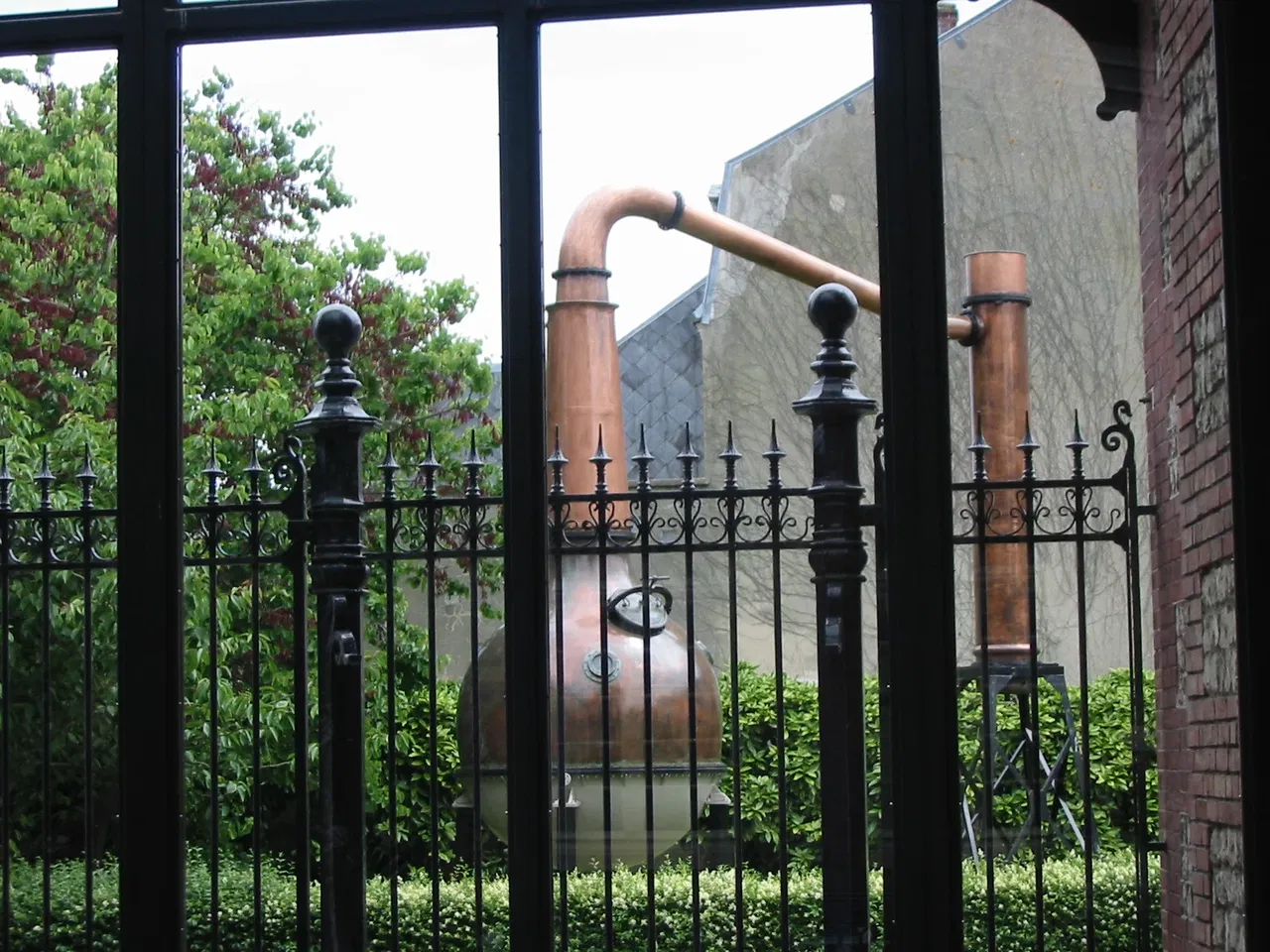
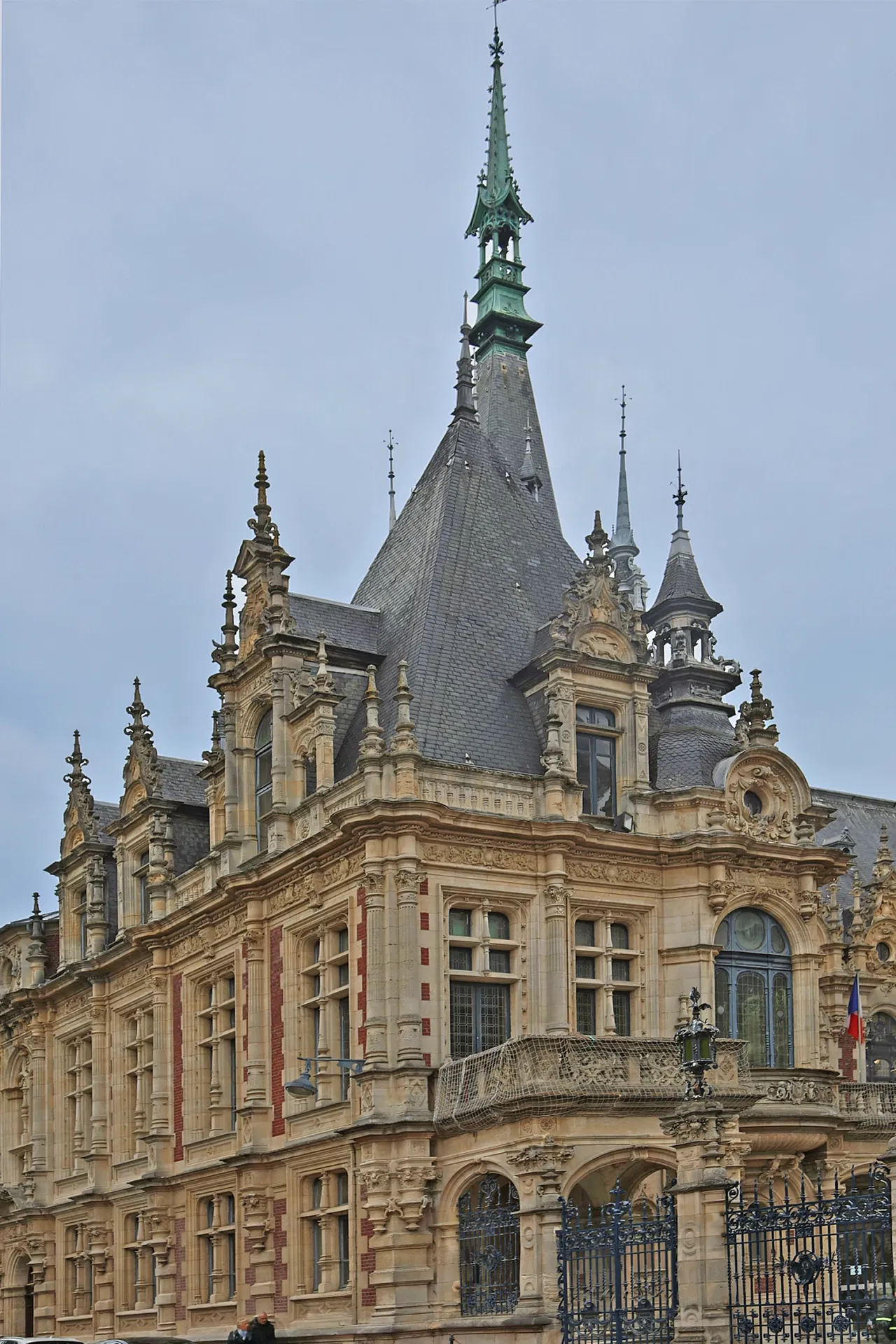

The Benedictine Palace is not only a historical monument but also a functioning distillery with cellars. In addition, it houses a museum that showcases a variety of collections, including carved ivories, coins, locks, and ancient religious paintings. In 1988, a space dedicated to contemporary art exhibitions was added, further enriching the cultural offerings of the palace.
The Benedictine Palace serves a dual purpose as both the production site of the Benedictine liqueur and a museum. Despite its name, the palace has no connection to the Benedictine abbey of Fécamp. Within the museum, one room is dedicated to telling the story of the liqueur, while another displays around 600 counterfeit versions of the Benedictine, making it one of the most copied liqueurs in the world.
The museum within the Benedictine Palace is dedicated to ancient and medieval art, with many pieces originating from the old abbey. The collections include enamels and ivories, and a library that partly comes from the abbey of Fécamp. There is also a collection of ironwork acquired from a castle in the Loire Valley, and paintings, mostly on wood, that were once attributed to specific French, Italian, German, and Flemish artists.
History & Anthropology Religion Religious building Renaissance art & Early modern art
#26 History & Anthropology in France #25 Museums open on Monday in France #2 Religion museums in France #1 Religious buildings in France #9 Renaissance art & Early modern art museums in France #66 Religion museums in Europe #42 Religious buildings in Europe #47 Renaissance art & Early modern art museums in Europe
Rue Alexandre le Grand 110, Fécamp
No exhibitions in Benedictine Palace have been found.
Benedictine Palace has 1 rating.
The Benedictine Palace in Fécamp, France, is a striking example of Neo-Gothic and Neo-Renaissance architecture that houses both a museum and a distillery. Visitors often praise the building's ornate exterior and lavish interior decor, which features an impressive collection of art and historical artifacts related to the Benedictine liqueur's history.
The museum portion offers insight into the creation and legacy of the famous Benedictine liqueur, showcasing antique tools, advertisements, and the story of its inventor, Alexandre Le Grand. Many guests find the displays informative and well-presented, though some note that more detailed explanations in multiple languages would be beneficial.
The guided tour of the still-functioning distillery is a highlight for many, allowing visitors to see the production process and learn about the 27 herbs and spices used in the liqueur. The tour typically concludes with a tasting session, which is generally well-received.
While most visitors enjoy the overall experience, some find the entrance fee a bit steep, especially if not participating in the tasting. Additionally, a few reviewers mention that the self-guided tour can feel rushed during busy periods.
The gift shop offers a variety of Benedictine-related products, which some find overpriced but others appreciate for the unique souvenirs.
In summary, the Benedictine Palace offers an interesting blend of architectural beauty, history, and gastronomic experience. While it may not appeal to everyone, those interested in liqueur production or ornate French architecture will likely find it worthwhile.
This rating is based on the rating of this museum on several other platforms.